
In the West Bank, as elsewhere in the world, people seek to secure stable housing and sustain their livelihoods. For many Palestinians today, however, this has become increasingly difficult. Ongoing conflict has rendered land scarce and costly, placing the construction or purchase of a house or apartment beyond the financial reach of many young people, particularly in urban areas. In rural settings, farmers and herders face growing challenges in meeting their livelihood needs, as access to land is restricted and the local climate becomes hotter and drier. In short, living in the Holy Land does not necessarily imply enjoying abundance or prosperity.
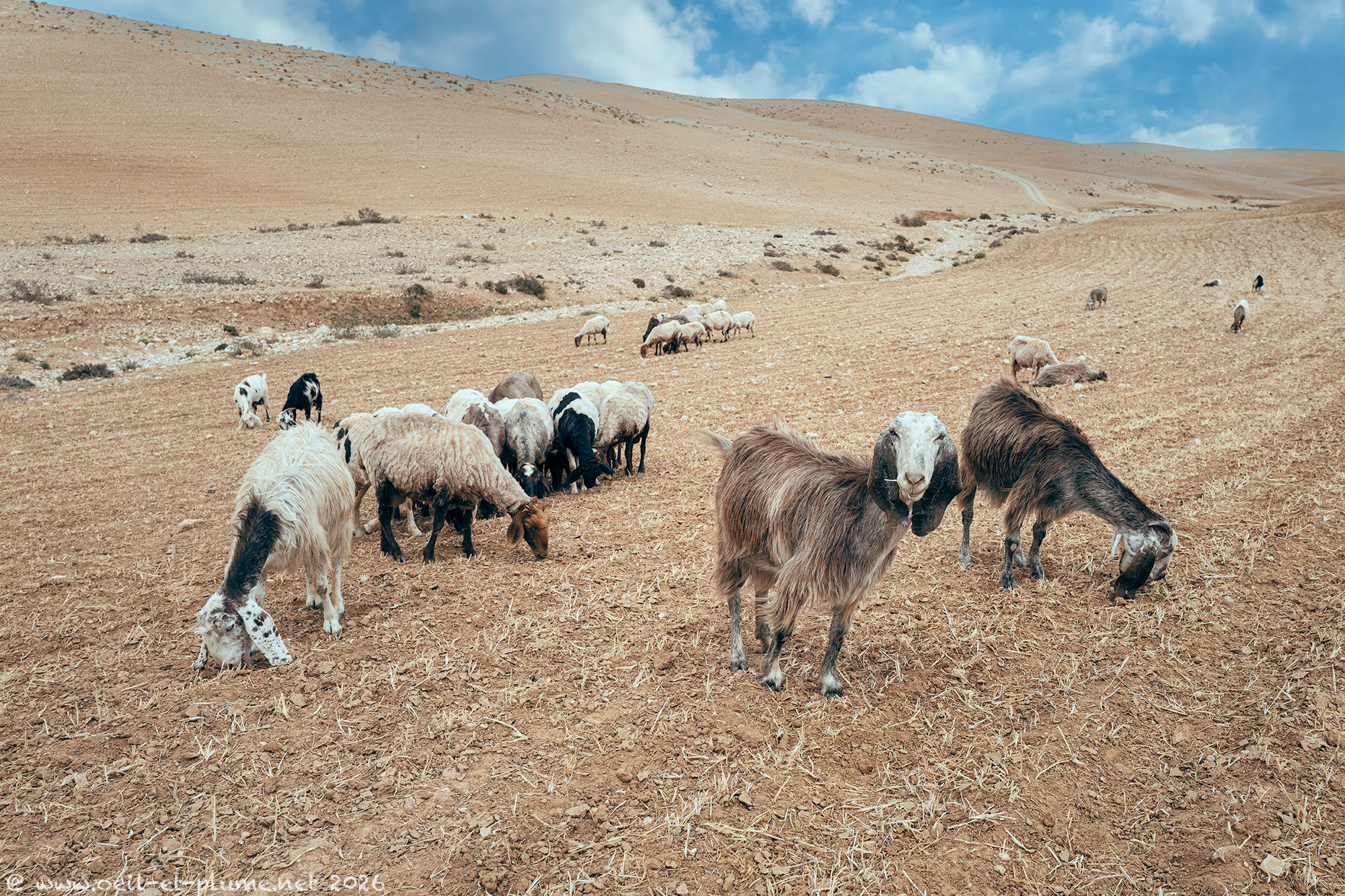
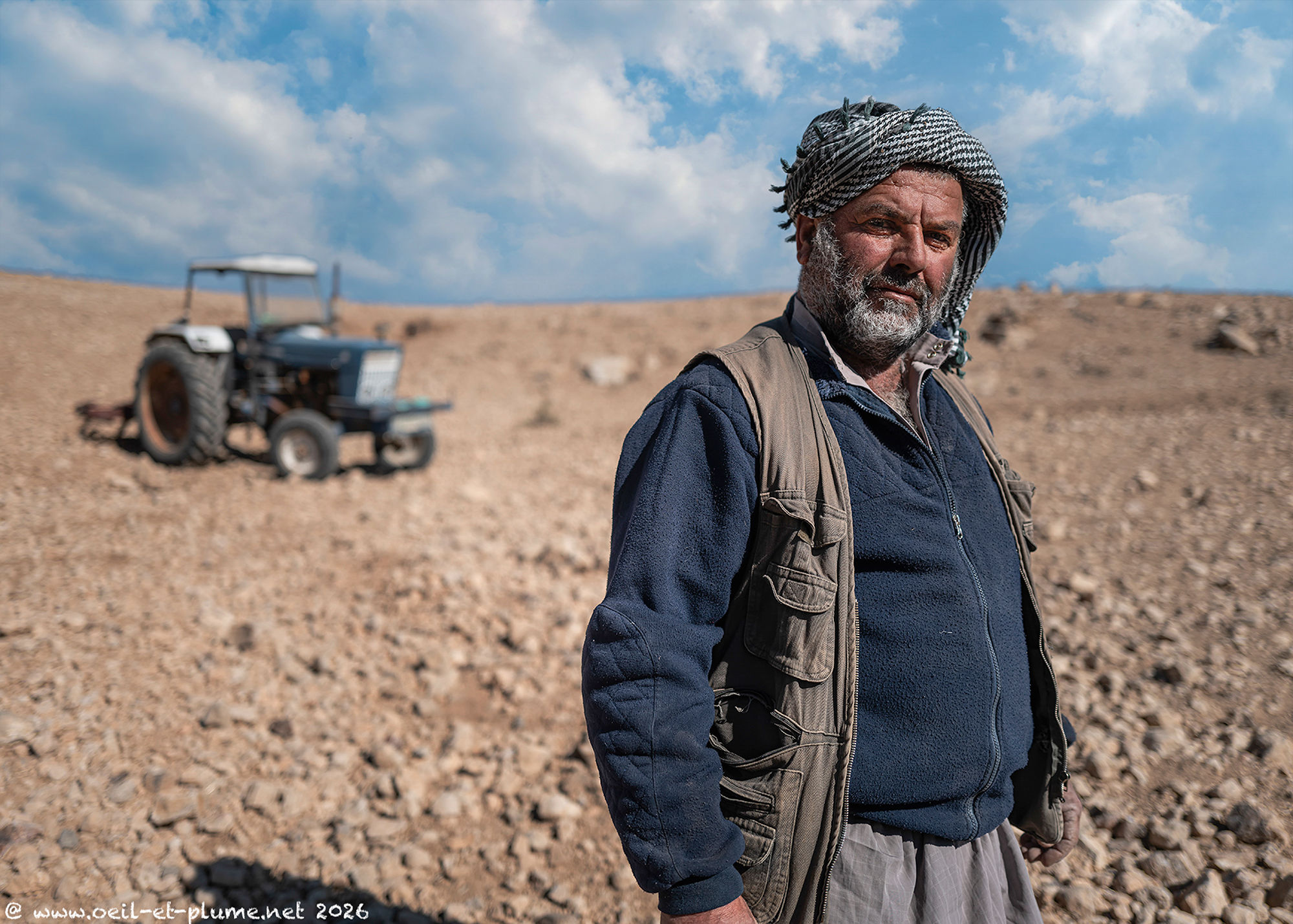
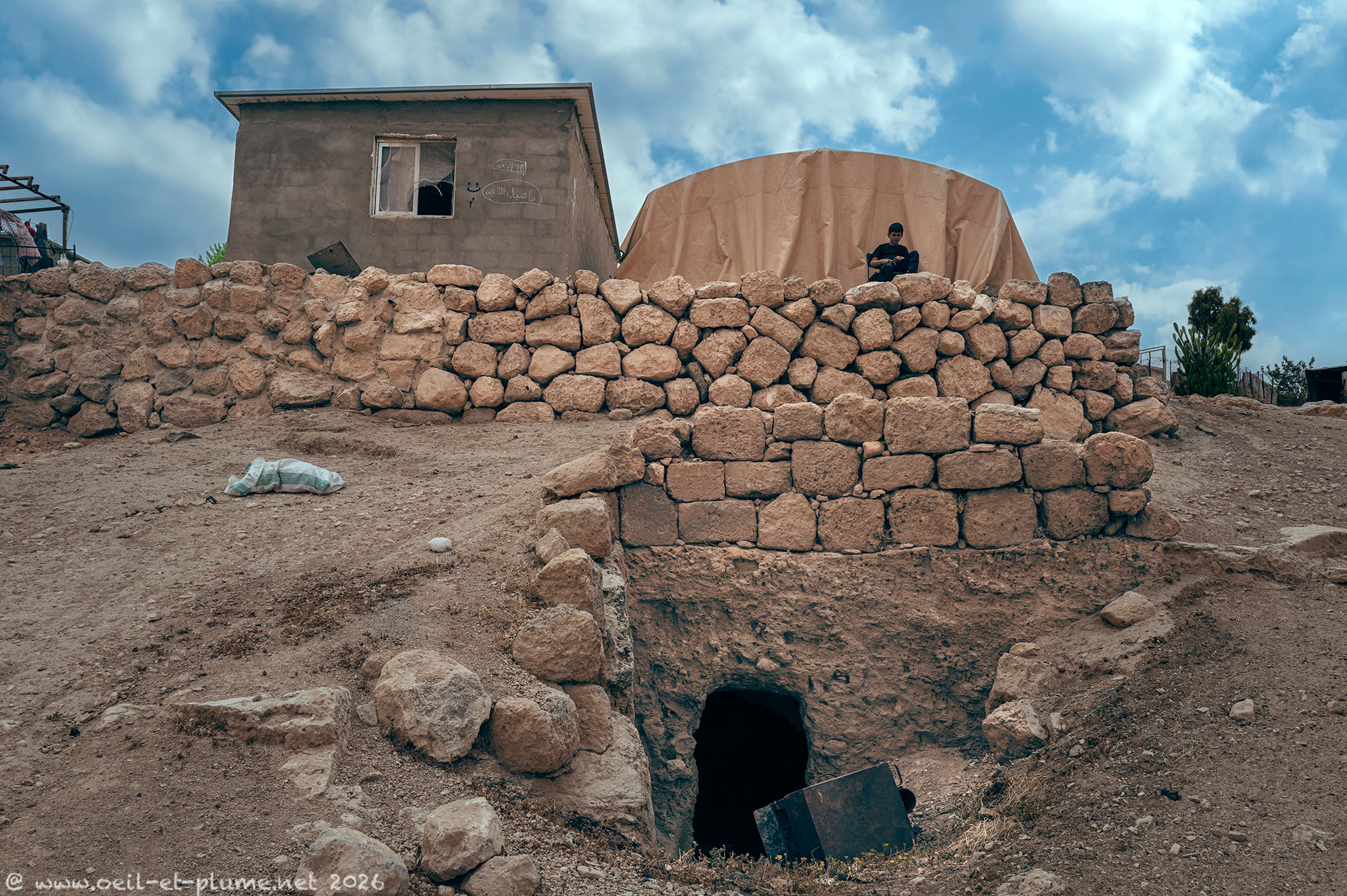
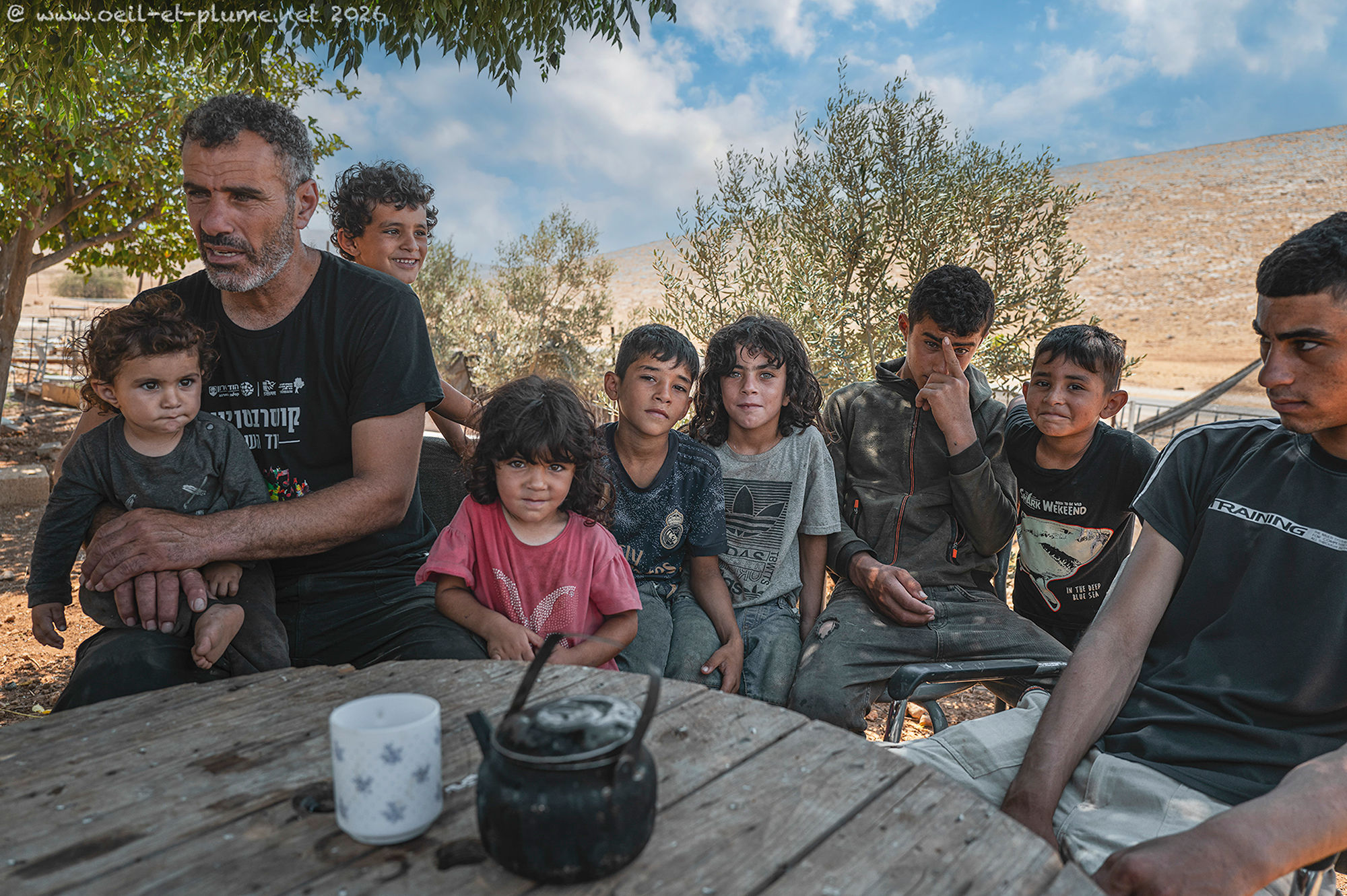
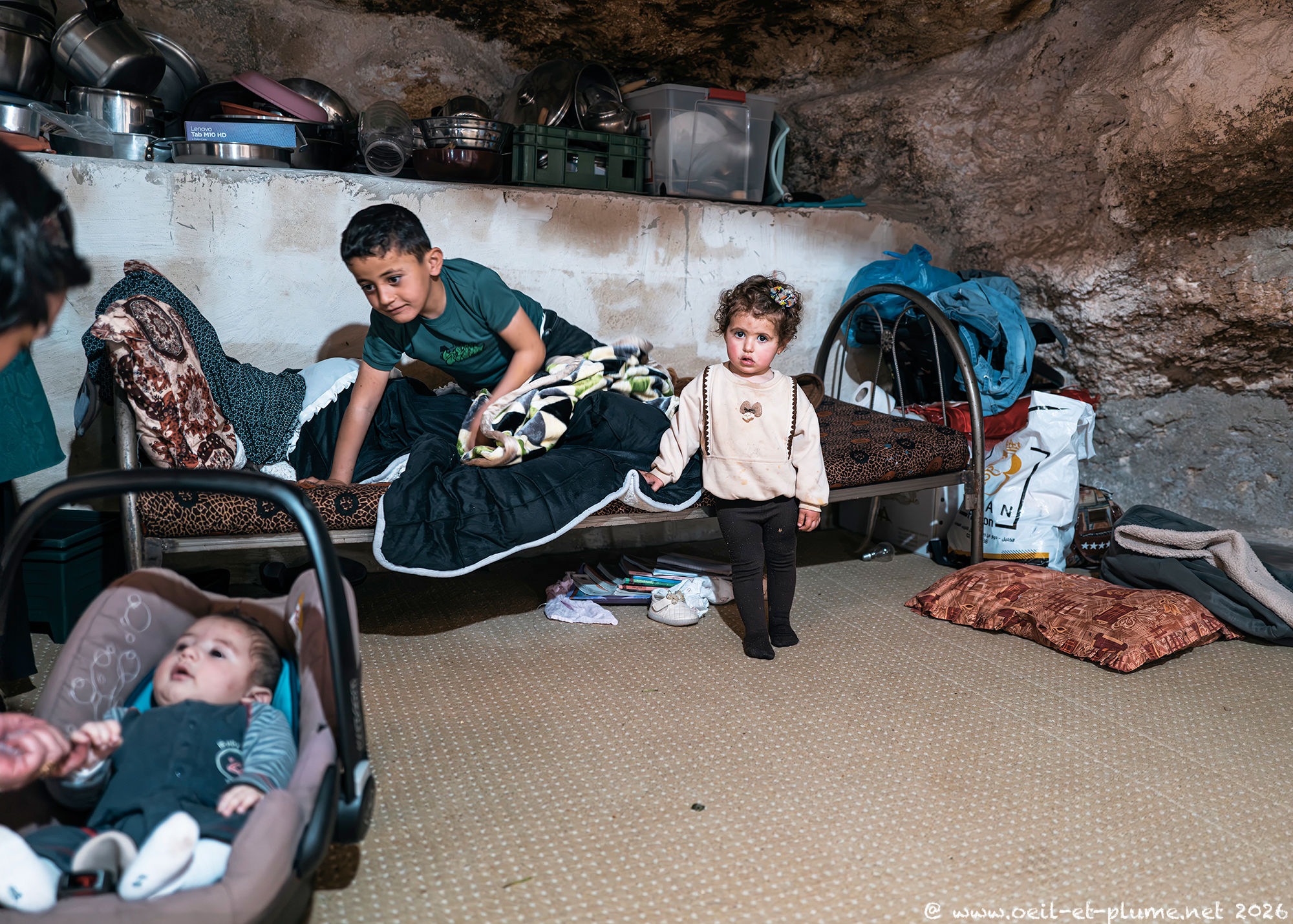
Palestinian Bedouins are particularly vulnerable. Owing to their traditional livelihoods—centered on herding and limited gardening or farming—they often live in remote, arid areas where livelihoods are especially fragile. Historically, Bedouin communities favoured natural caves as dwellings; some families continue to live in them today, either by choice or due to a lack of viable housing alternatives. Culturally proud and conservative, Bedouins are also known for their strong traditions of hospitality, that I have enjoyed much.
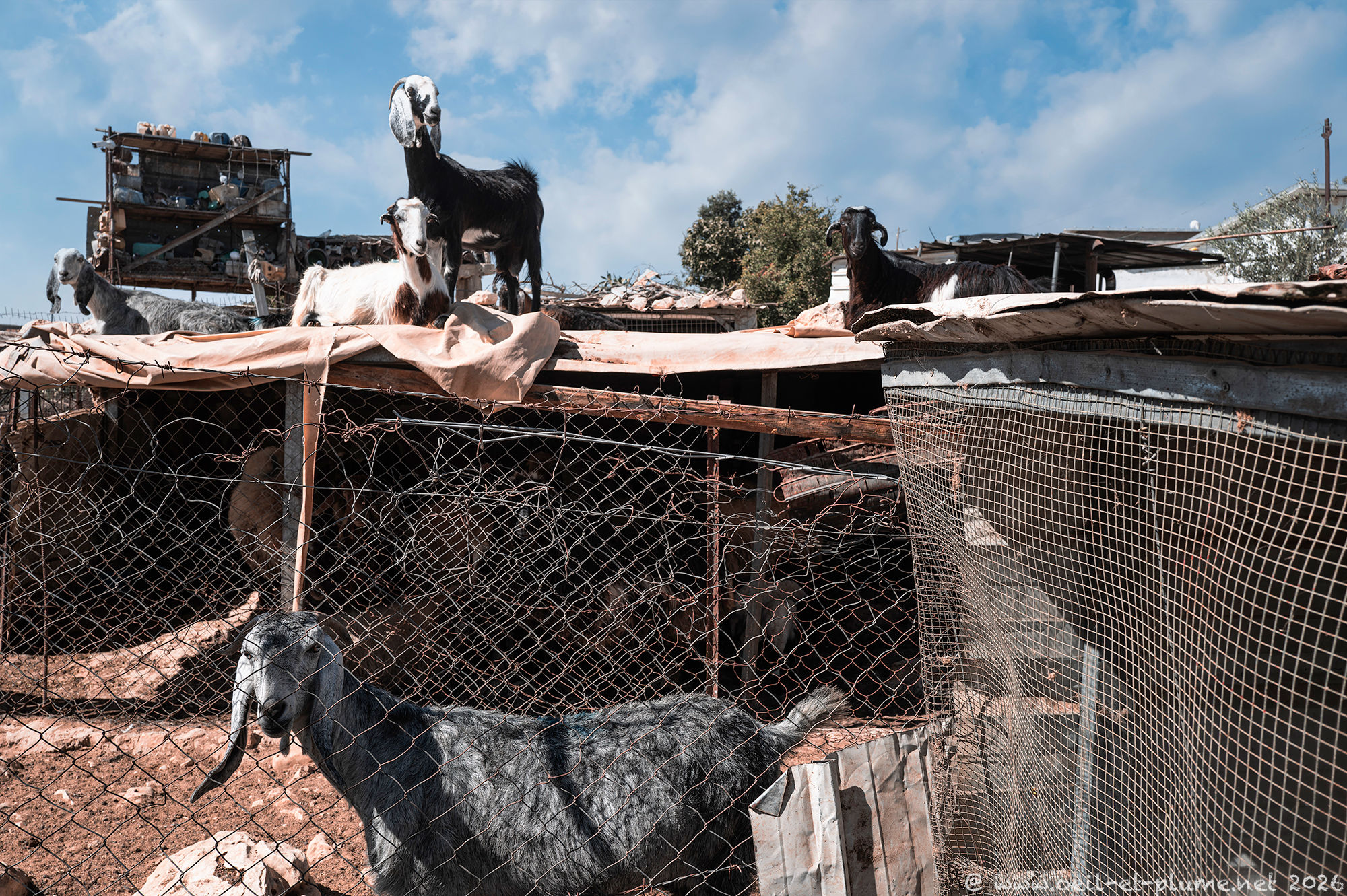
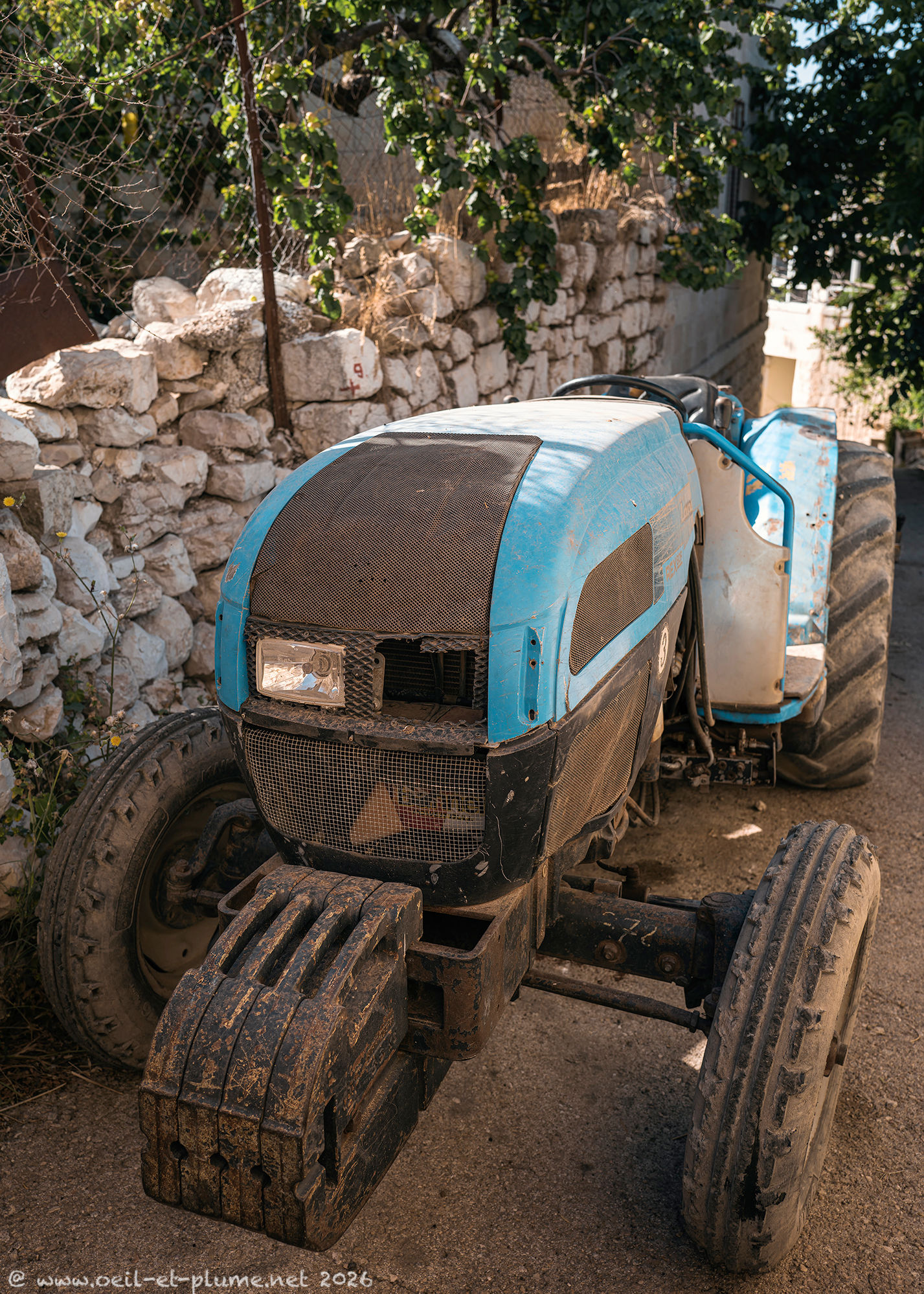
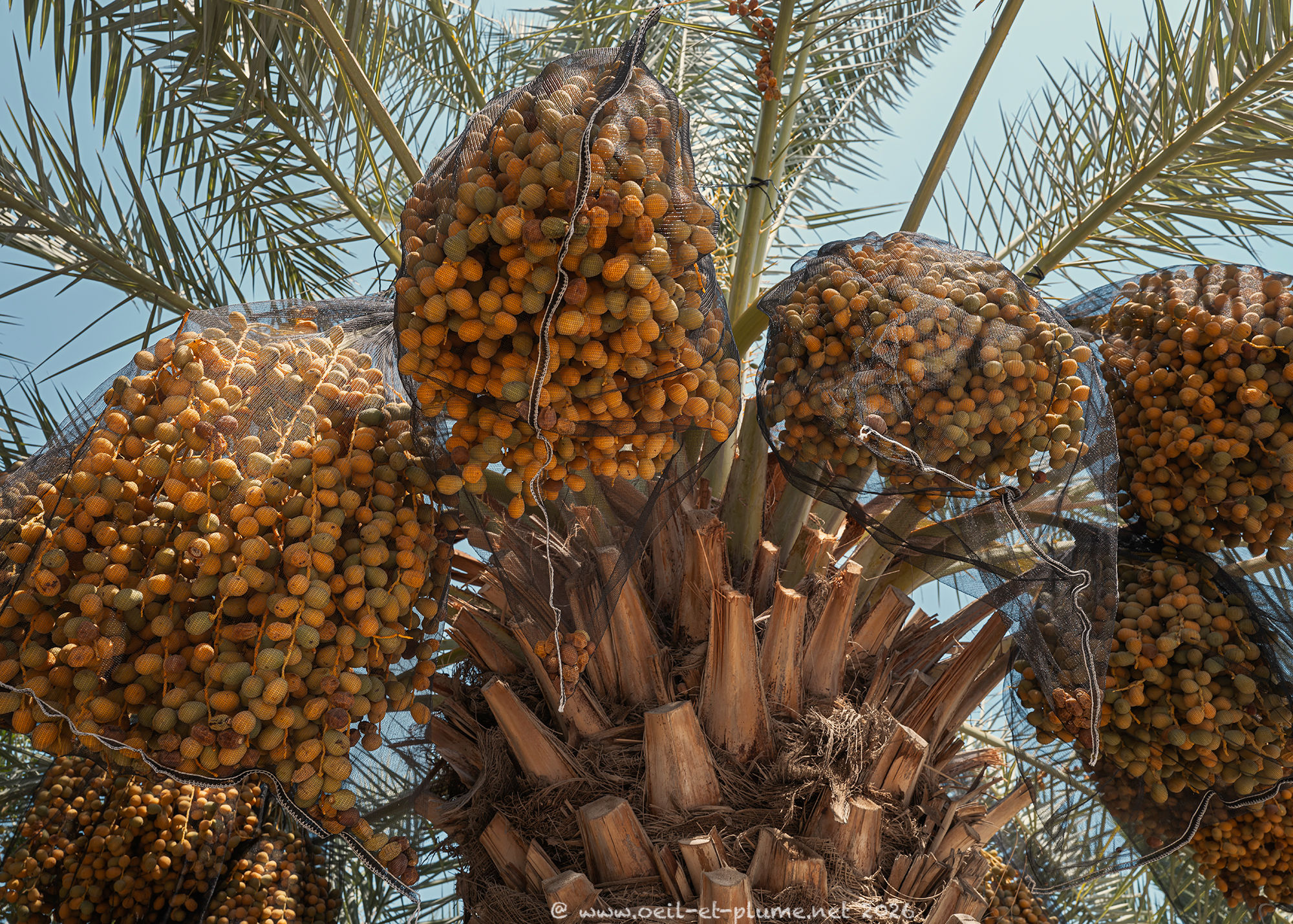
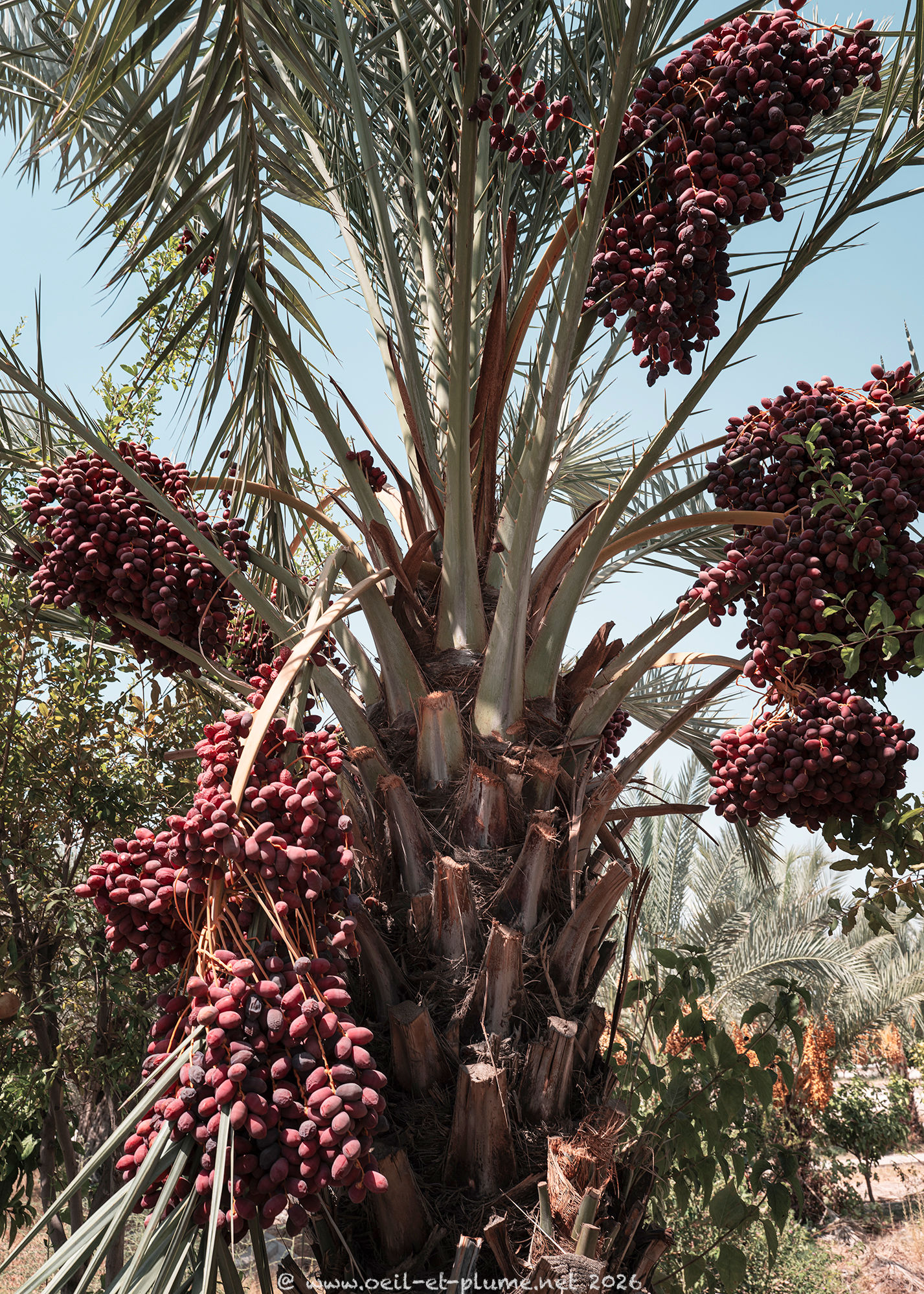
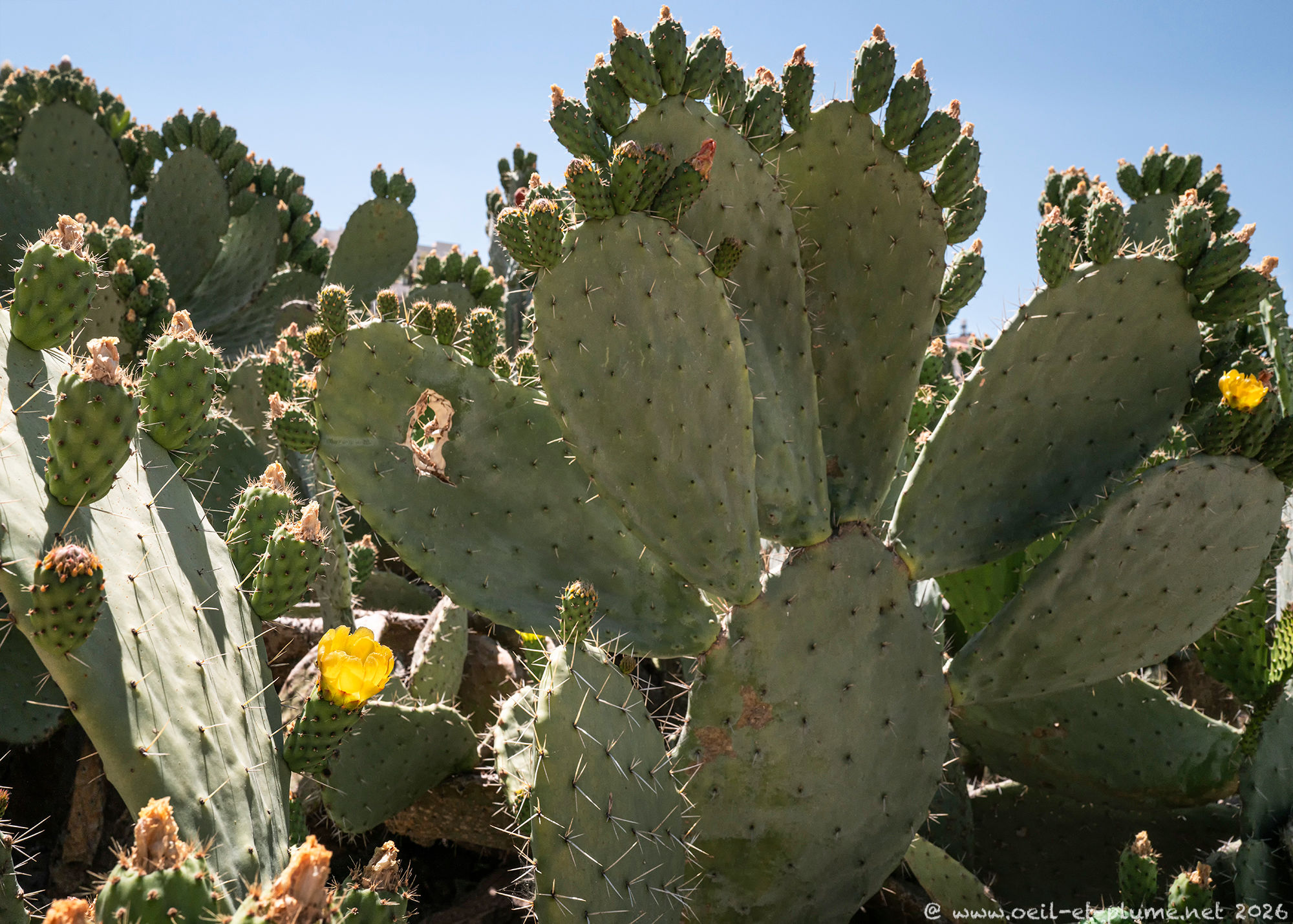
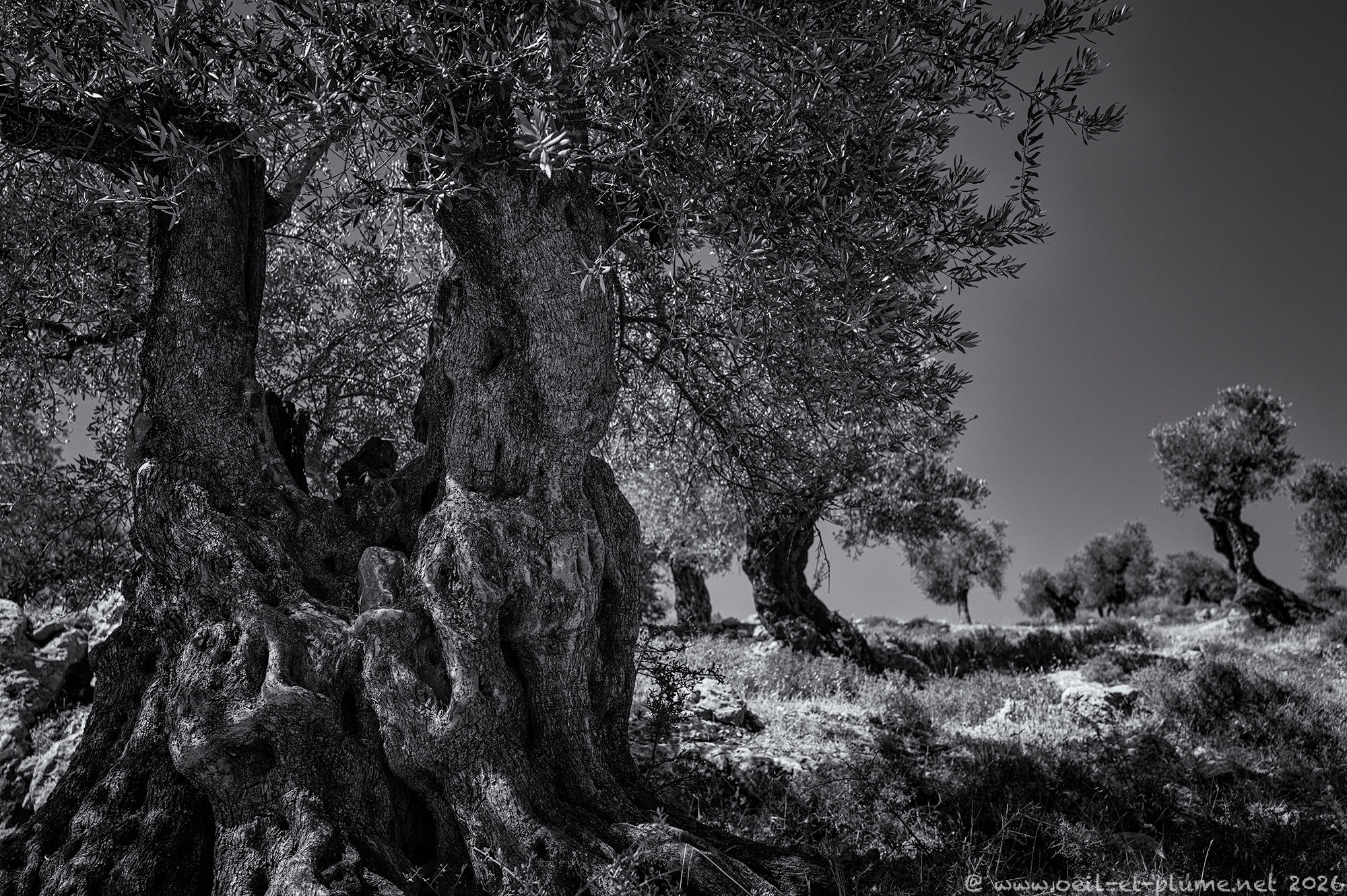
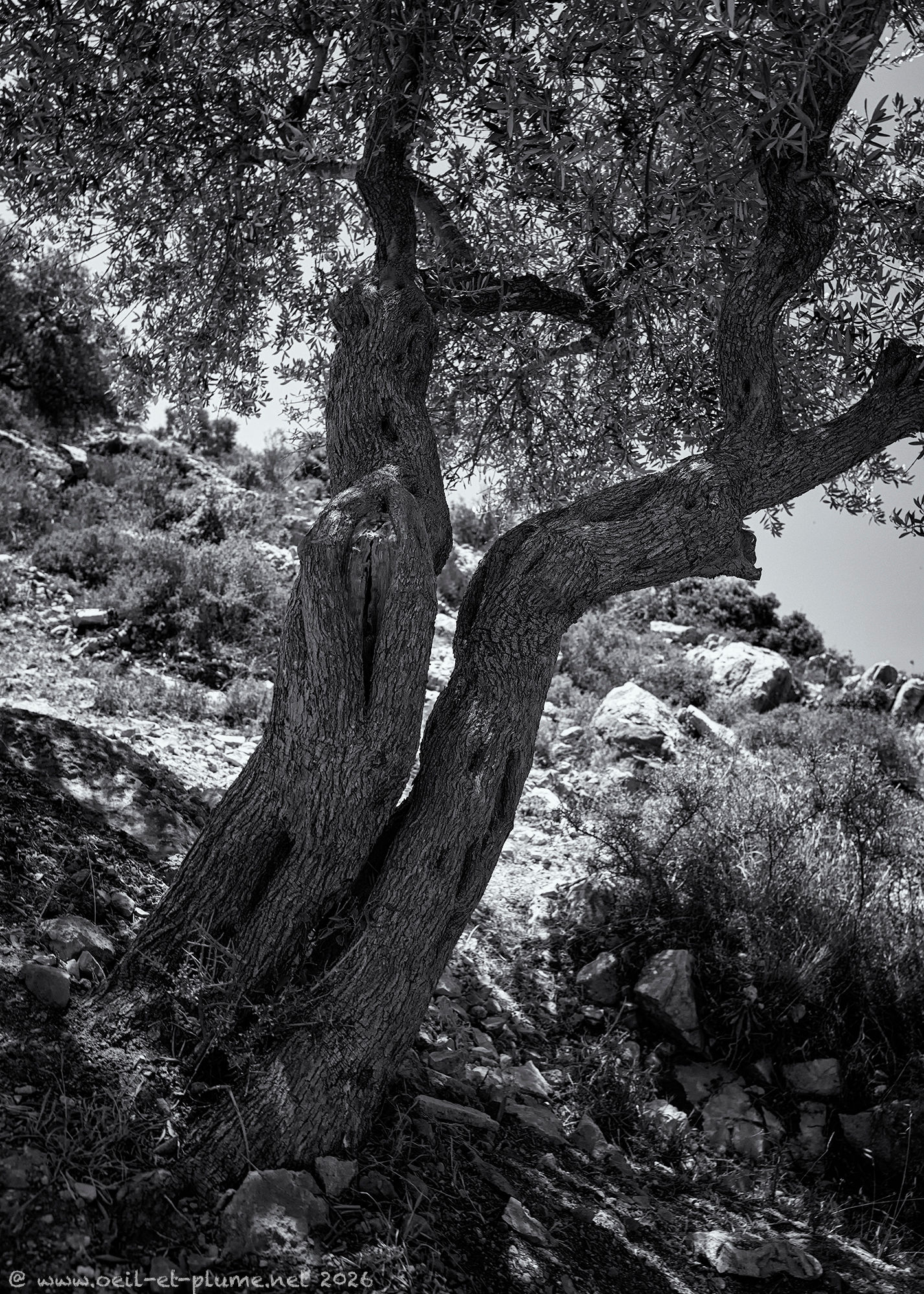
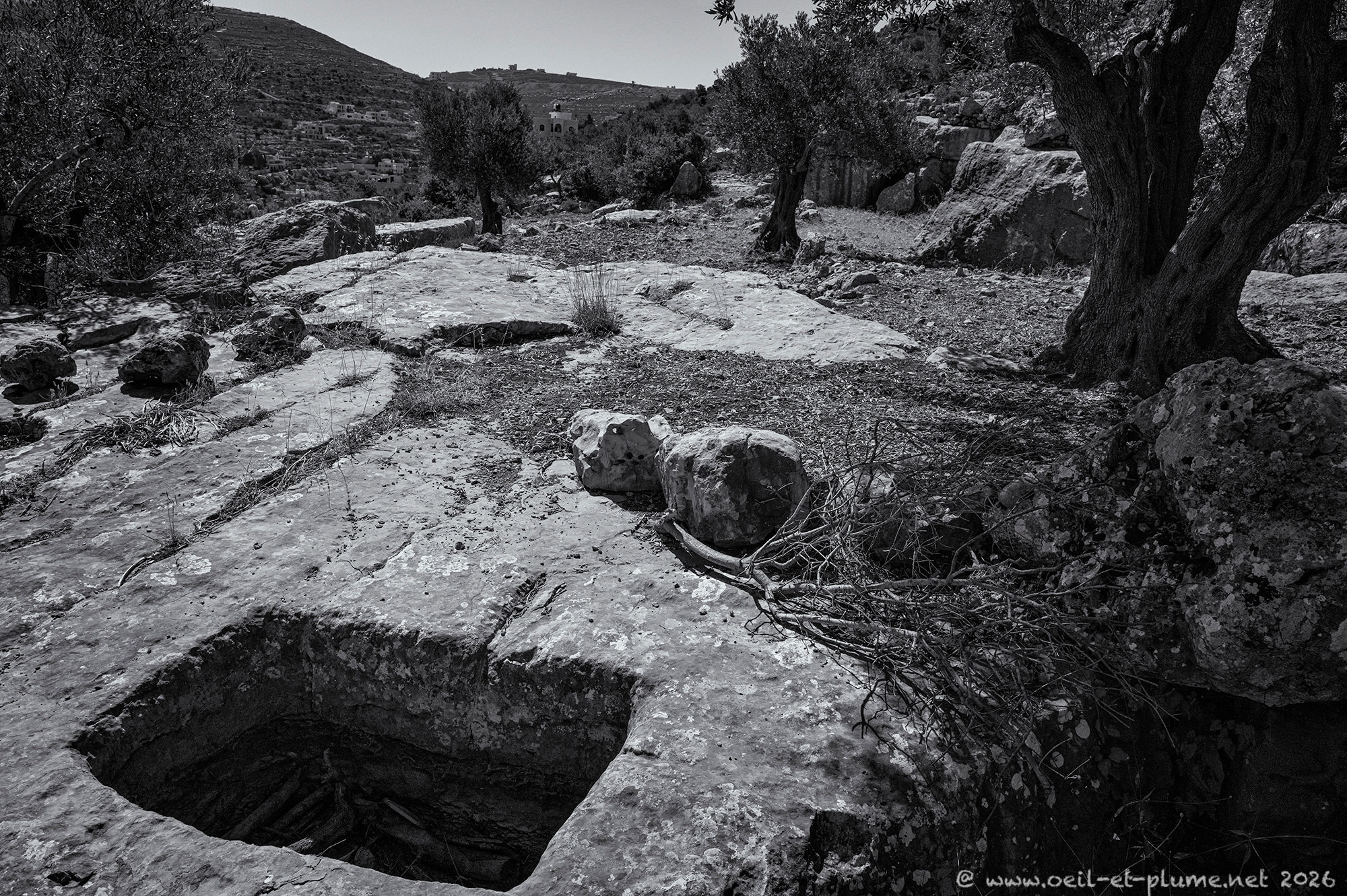
I was especially moved by my encounters with traditional agriculture in the West Bank, as they reconnect us with the very fundamentals of life. Farming the land in such a dry climate and rugged terrain requires patience, resilience, and deep knowledge passed down through generations. Yet, despite these harsh conditions, Nature still shows remarkable generosity, yielding dates, olives, figs, grapes, and many other fruits and vegetables. People are also keen to adapt their working methods to the enabling environment. Such sustainable agriculture is a powerful reminder that care for the land, perseverance, and tradition can sustain life even where circumstances seem most unforgiving.
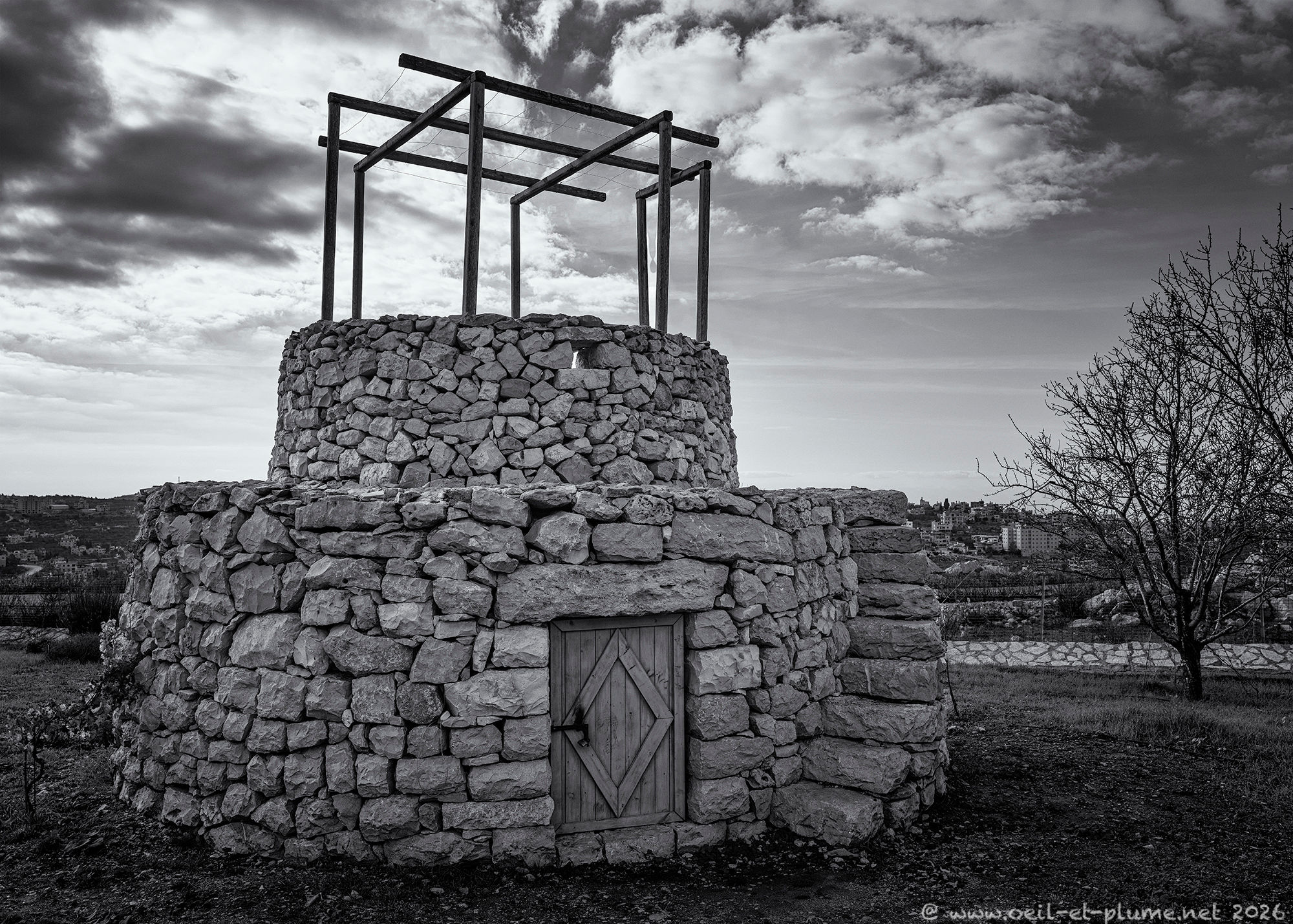
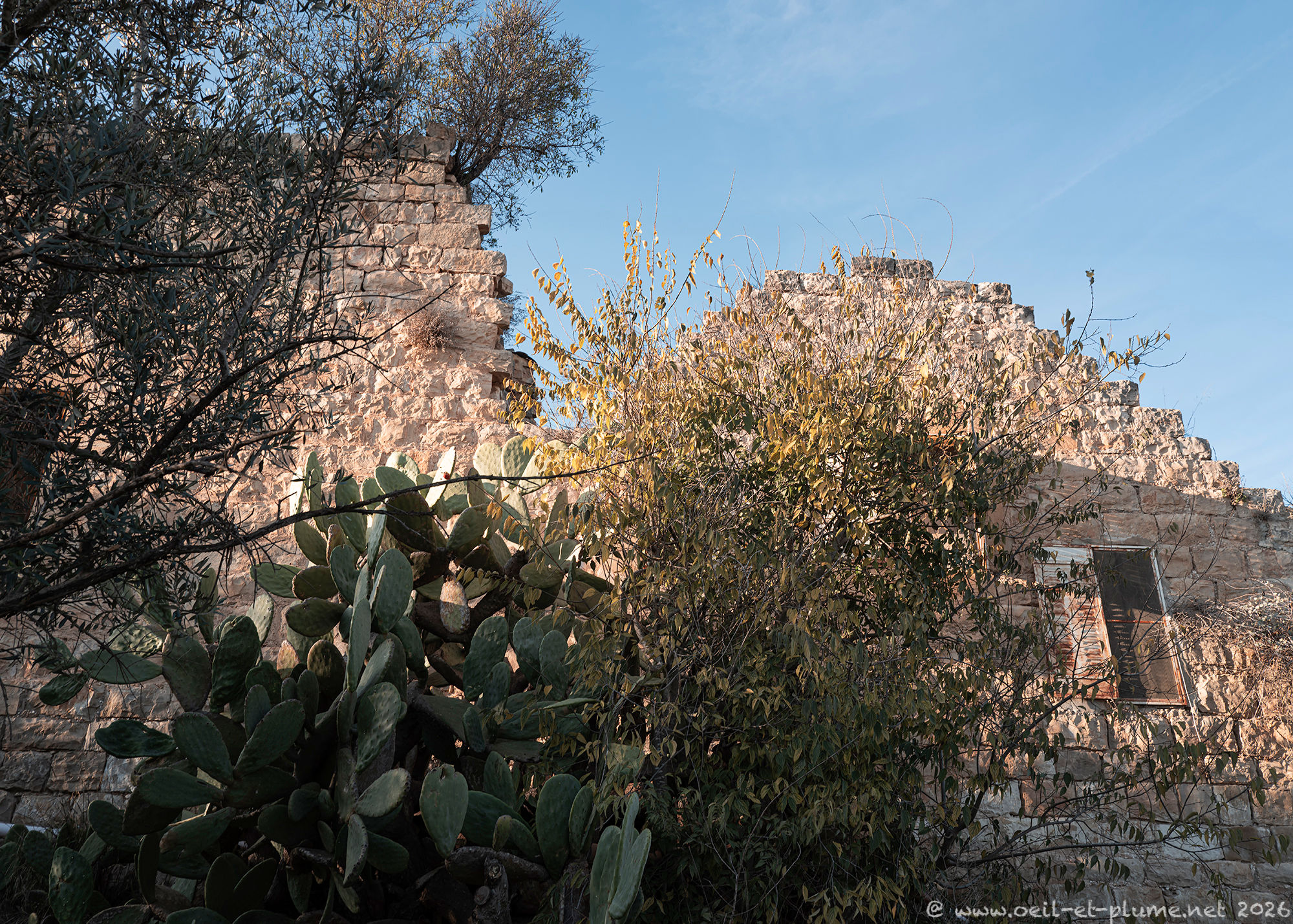
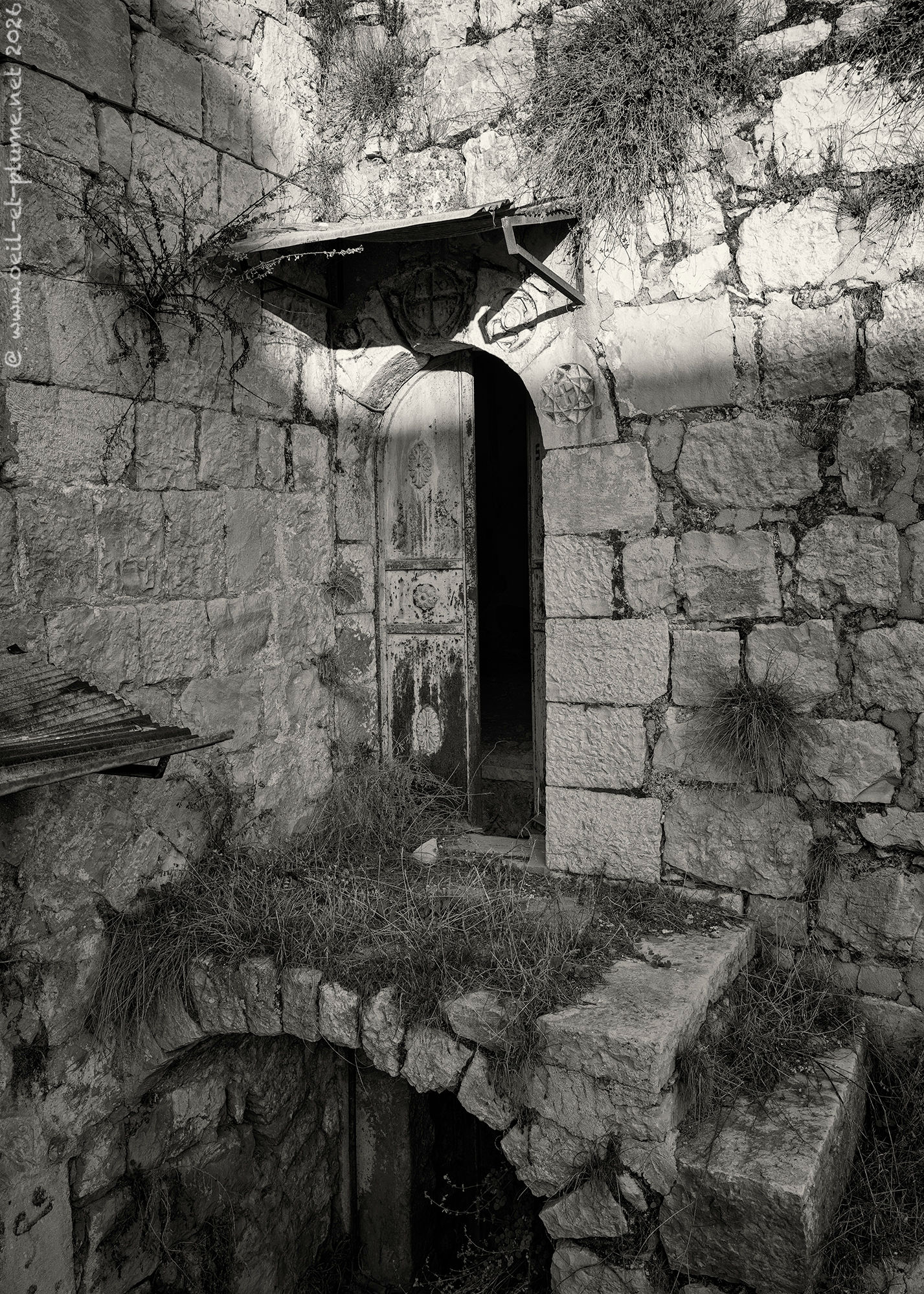
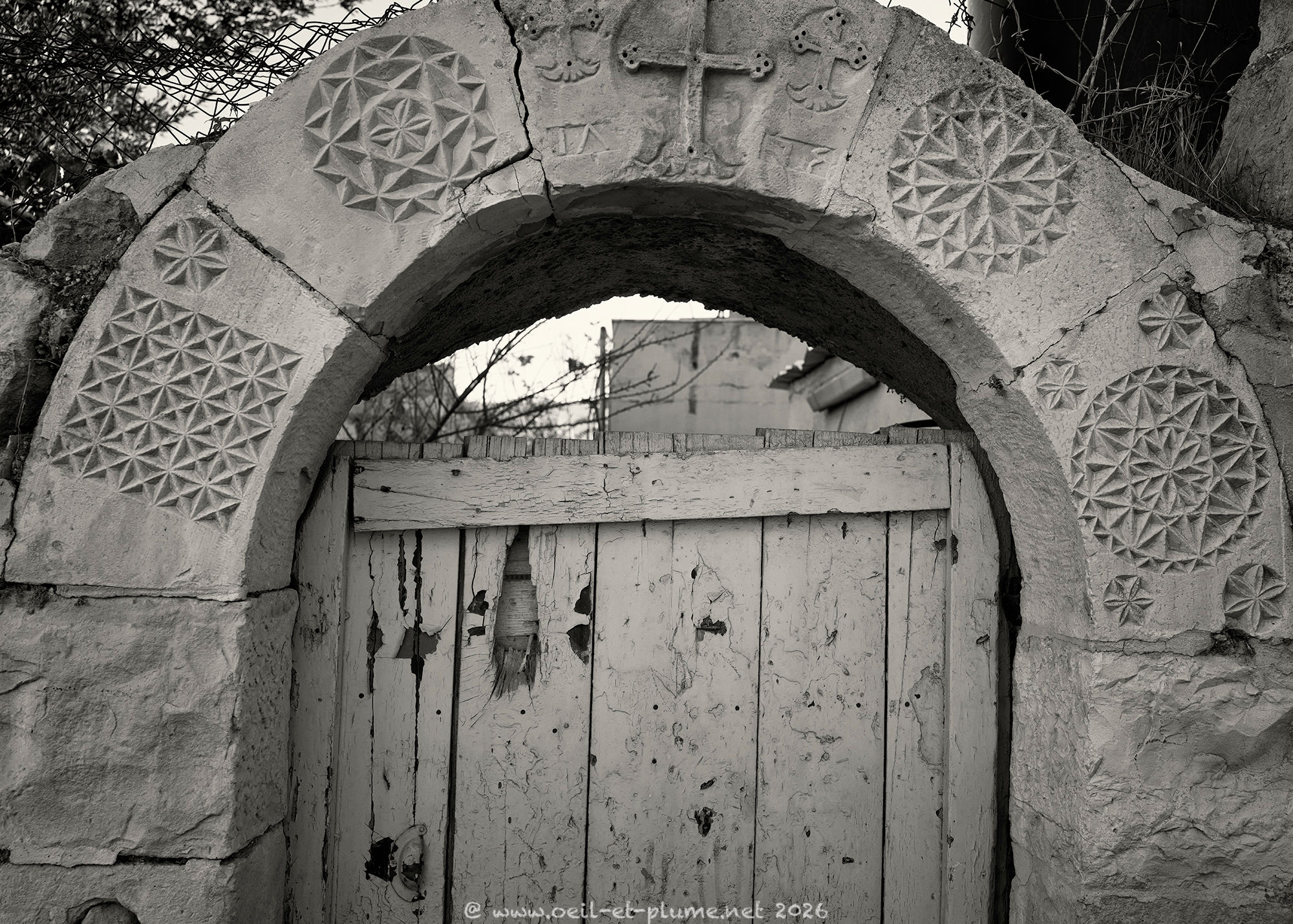
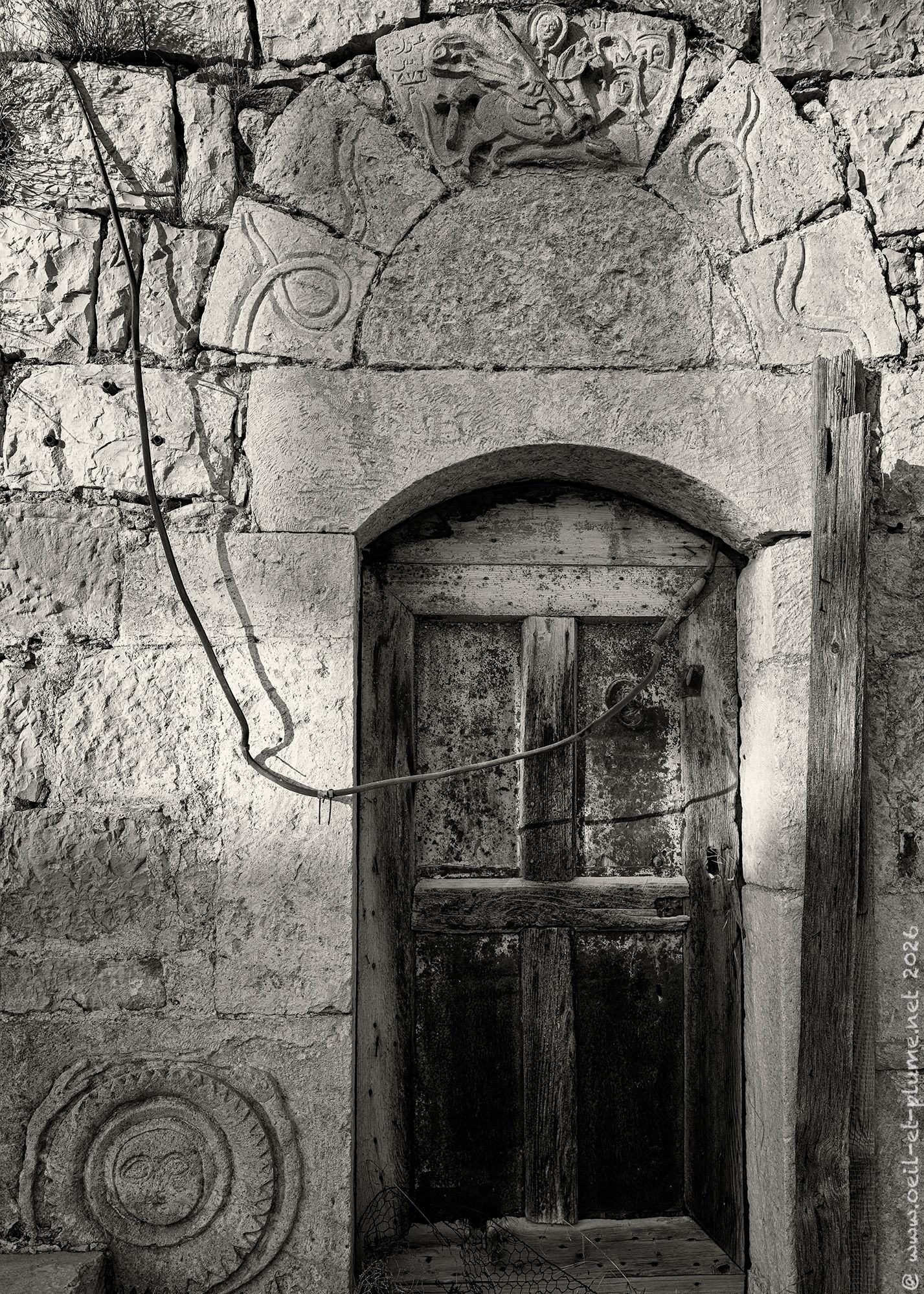
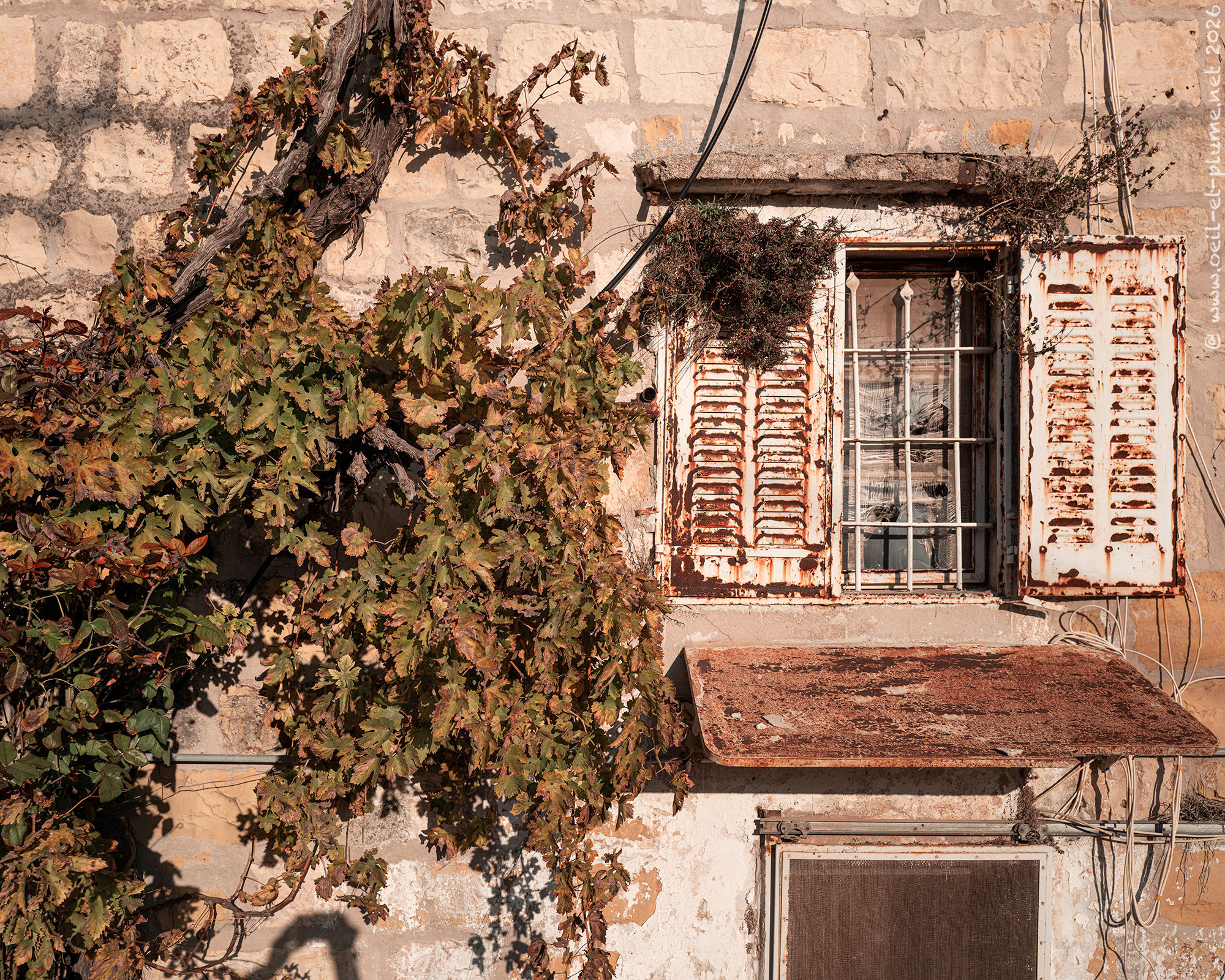
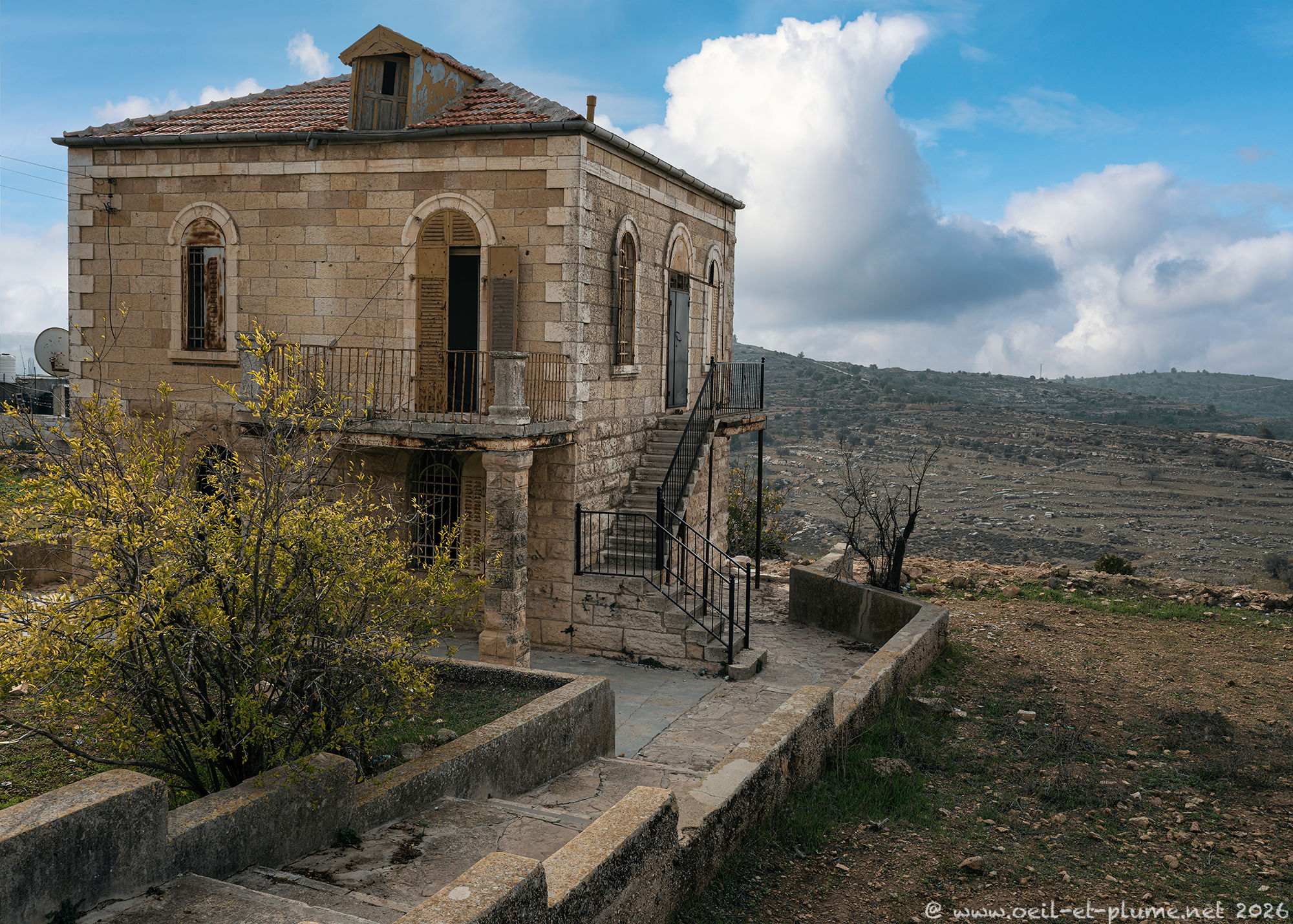
My photography was irresistibly drawn to traditional Palestinian architecture in the West Bank. Simple in design yet rock-solid in structure, these stone houses have stood for generations, enduring against all odds. At times, stonemasons enriched their rustic work with carved abstract or religious motifs, subtle marks of creativity and belief set into the stone itself. Above all, I was struck by the care with which inhabitants personalize these austere structures—adding plants, cherished objects, and small details—to transform them into welcoming, and deeply lived-in homes.
Today, many people in the West Bank struggle to secure their homes and sustain their livelihoods amid the ongoing conflict and a web of economic, environmental, and political pressures. Yet what struck me most, beyond the hardship, was their resilience—the quiet determination with which families adapt, endure, and build meaningful lives in deeply uncertain conditions. This reality makes it all the more important to me to give some visibility to their socio-economic challenges, but also to their strength, dignity, and perseverance.
Cheers,
