
Most of my recent publications related to India entail a major religious dimension: Hinduism in Vanarasi, Buddhism in Ladakh, Sikhism in Amritsar, Jainism in Jaisalmer. This speaks volume about the importance and the diversity of spirituality in India. The theme deserves a dedicated post.
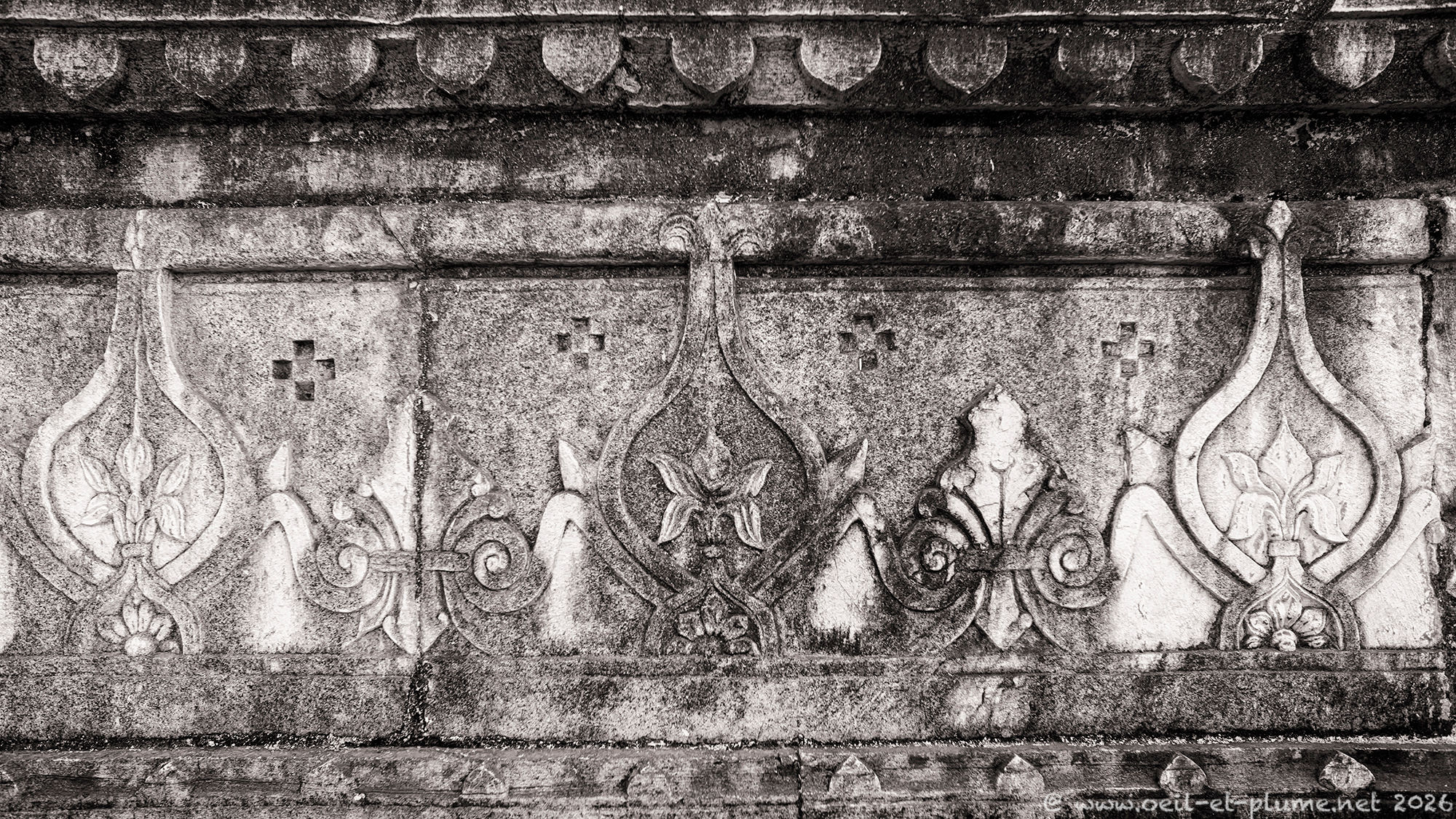
India’s religious cradle
The Indian subcontinent is the birthplace of four of the world’s major religions, namely Hinduism, Buddhism, Sikhism and Jainism. The four native Indian religions gather the main bulk of Indian believers but do not represent the entire religious diversity in India. Christians constitute India’s third-largest religious community. India counts the third-largest Muslim population in the world, as well as the world’s largest numbers of Zoroastrianism and the Bahá’í followers.
Throughout India’s history, religion has been a cornerstone of the country’s culture. The documented history of Indian religions begins with the religious practices of the early Indo-Aryan peoples, which were collected and redacted into the Vedas from roughly 1.750 to 500 BCE.
In parallel, the Shramana movement emerged gradually, distinct from Vedic tradition. In the 6th century BCE, Indian religions split into two main philosophical branches: while astika (e.g. the orthodox schools of Hinduism) venerates Veda, nastika (e.g. Buddhism, Jainism) follows another philosophical pathway. Beyond their differences, both schools of thought share the key concepts of samsara (the cycle of birth and death), moksha (liberation from that cycle) and yoga (physical, mental, and spiritual practices aiming at controlling body and mind to attain liberation).
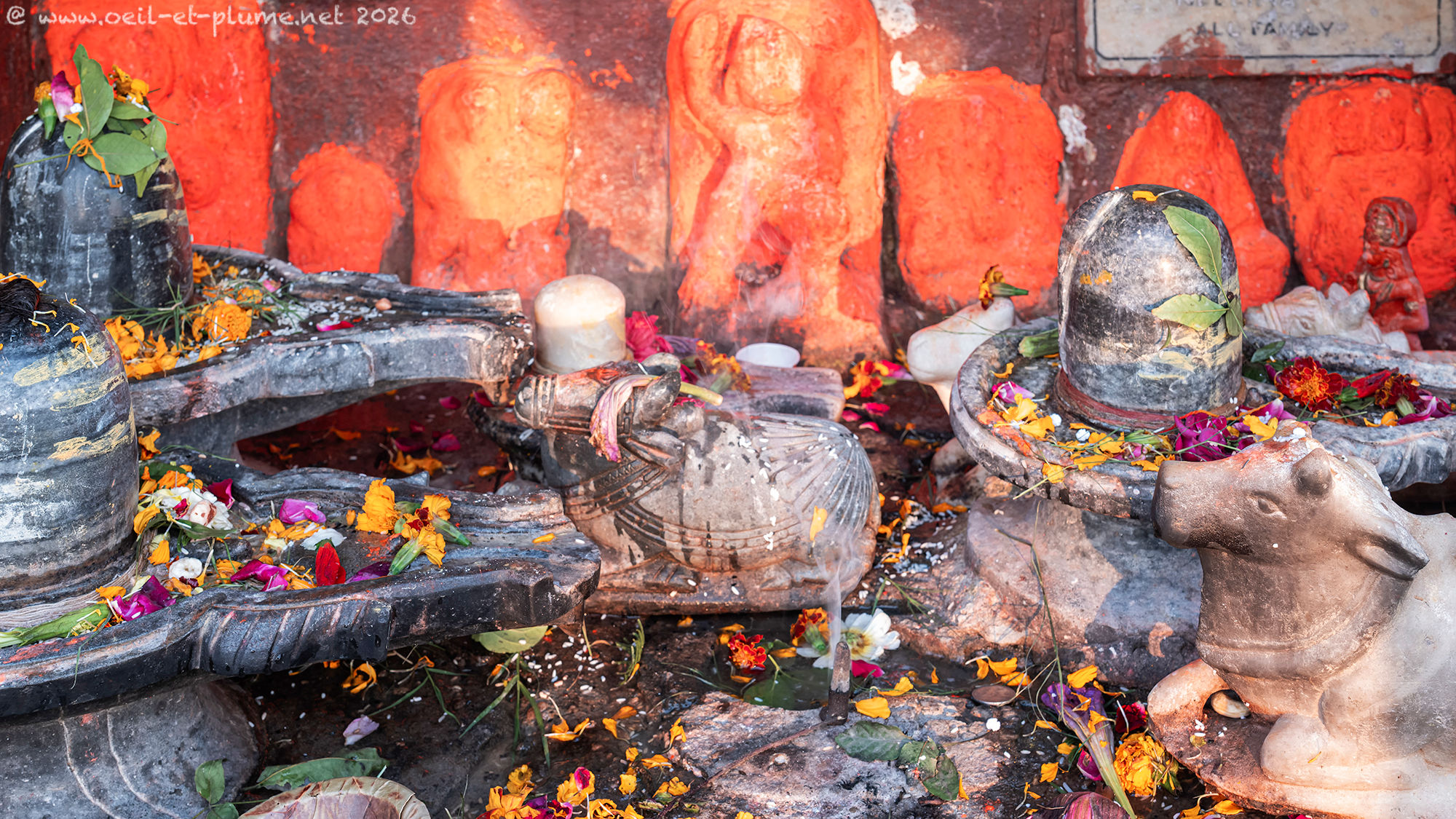
Islam first spread in southern India along the Arab coastal trade routes shortly after the religion emerged in the Arabian Peninsula in the 7th century; it reached Northern India much later, in the 12th century. Indian Muslims are predominantly Sunnis, but include a large Shia minority. Sufism emerged in the 10th and 11th centuries in the Delhi Sultanate before spreading over the rest of India. Sikhism was founded in the 15th century on the teachings of Guru Nanak and the nine successive Sikh Gurus in Northern India. Its adherents originate mainly from the Punjab region.
Religion as social cement or ferment
Beyond the subtleties of their philosophical visions and rites, the many religions practised in India are everywhere. Visually, temples, shrines, monasteries, mosques and churches structure profoundly the urban and rural scapes.
India’s religions are not mere identifying social etiquettes but genuine and strong cultural markers. They remain practiced on a daily basis, although often in a more relaxed way compared to the past.
In principle and most of the time, religions in India act as solid social cement, bringing people together within, and to some extent, across faiths. However and as everywhere in the world, they may generate social tensions, hatred and violence, especially when manipulated politically.
Conversing with the Gods
What follows is a photographic essay on the religious diversity in Rajasthan. It starts in Pushkar, near the place where Mahatma Gandhi’s ashes were immersed into the sacred Lake. It ends in a beautiful Hindu cenotaph in Bundi. The image suite intentionally mixes various geographical locations, distinct time periods, different faiths, to emphasise the religious kaleidoscope prevailing across Rajasthan and more largely in the Indian subcontinent.
The guiding rod of the potpourri is aesthetic, meaning that pictures standing next to each other aim to interconnect visually. The essay focuses on daily religious practices – i.e. the spiritual engagement between the believers and the deities. Hence the post title: Conversing with the Gods.
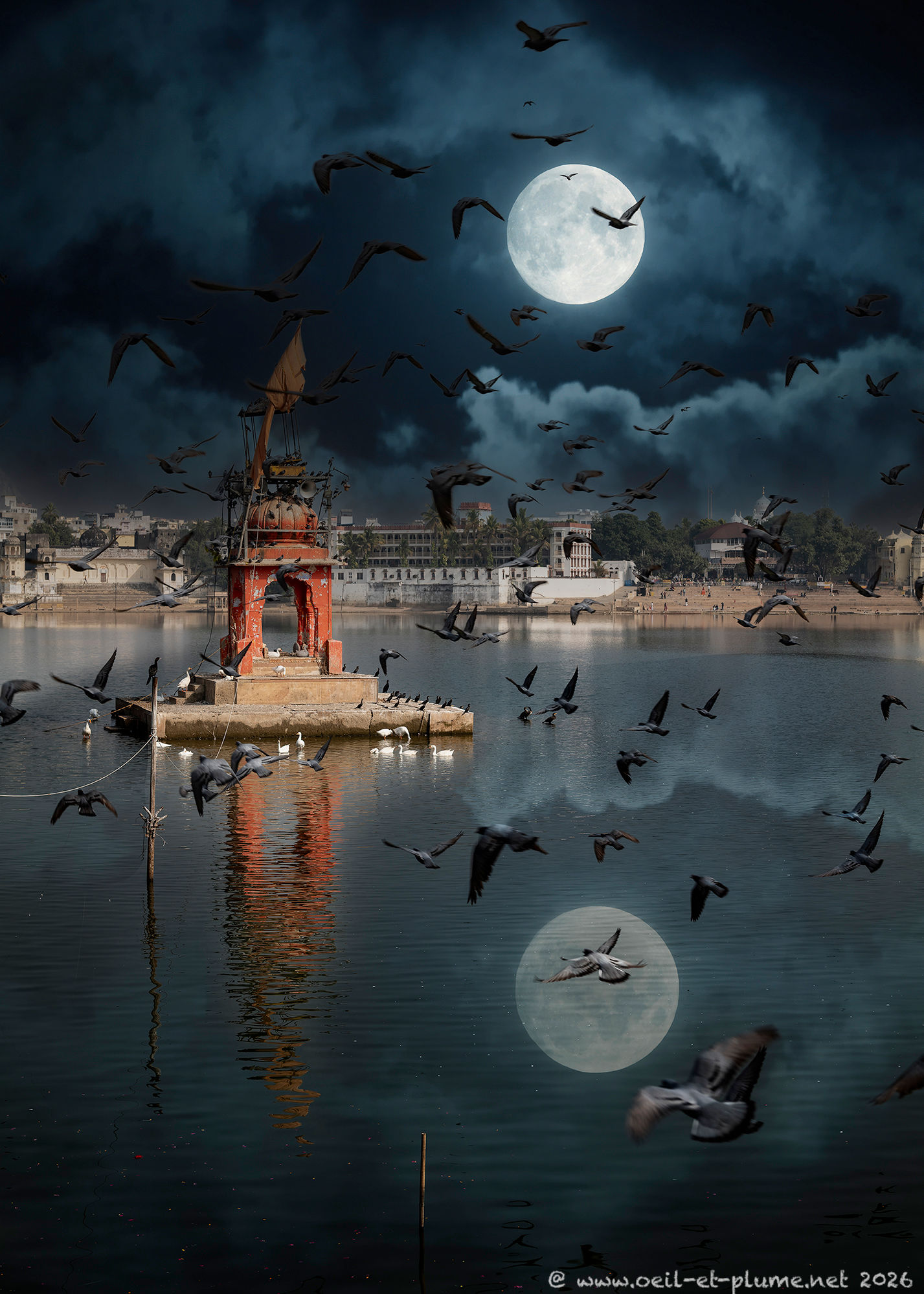
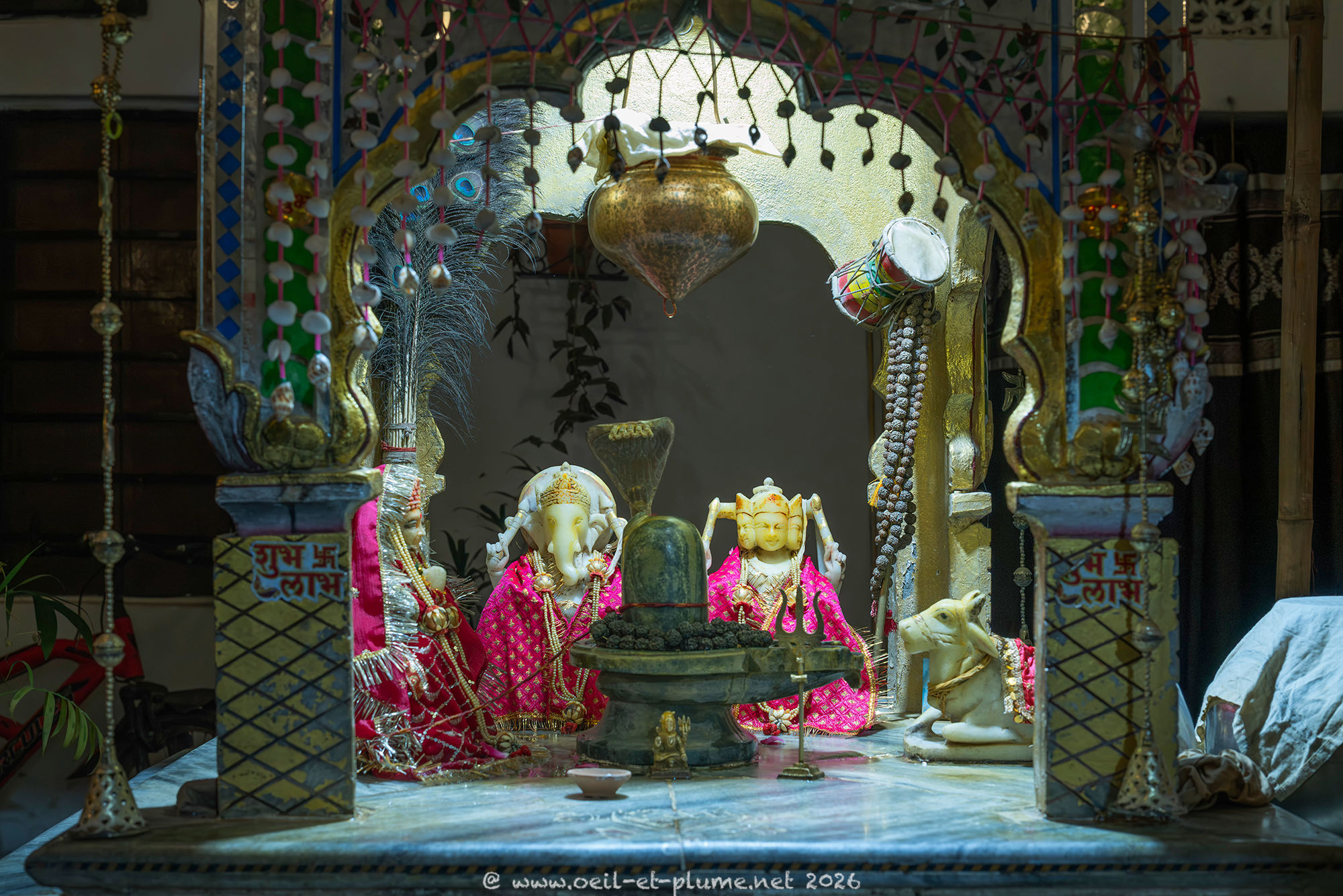
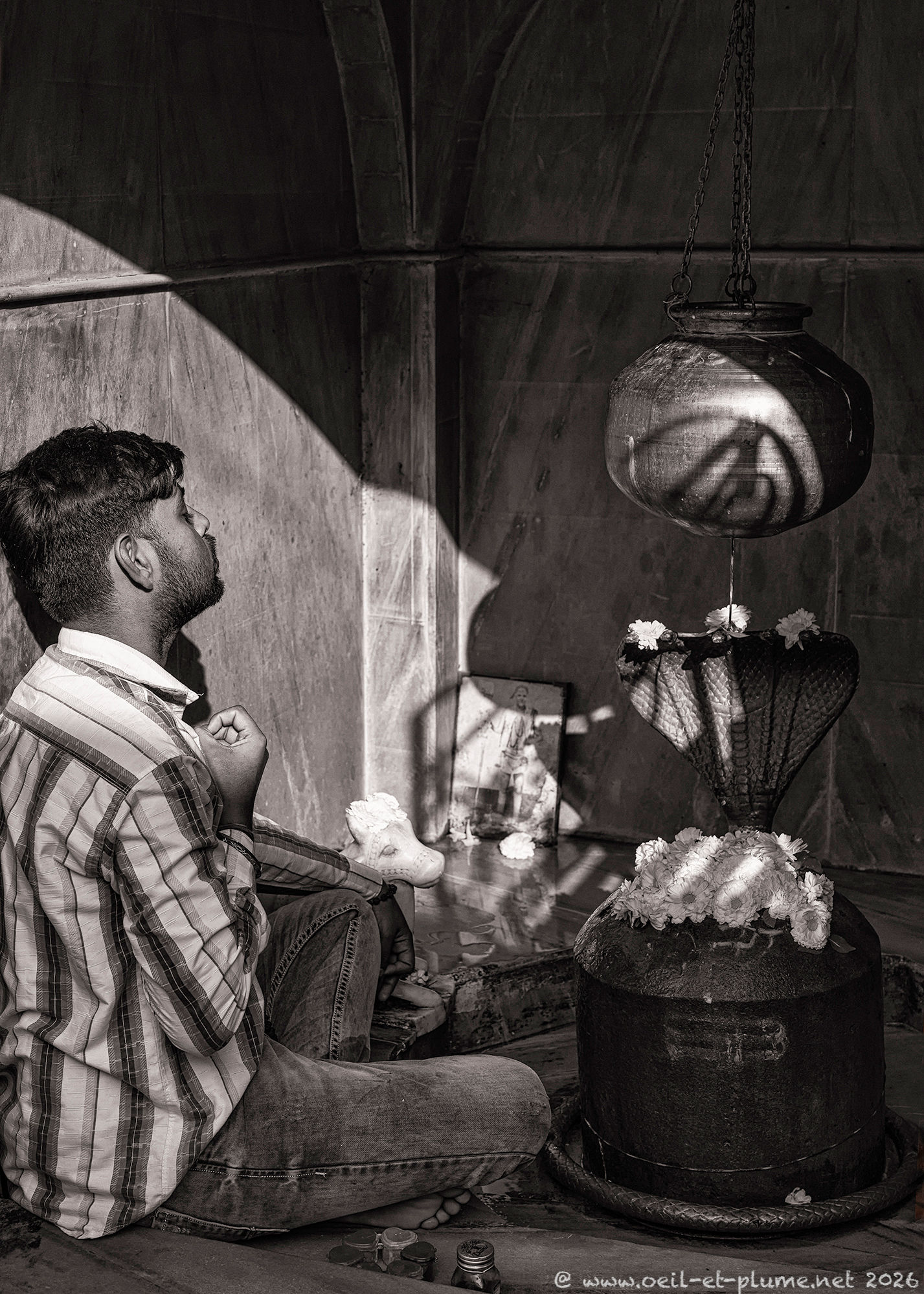
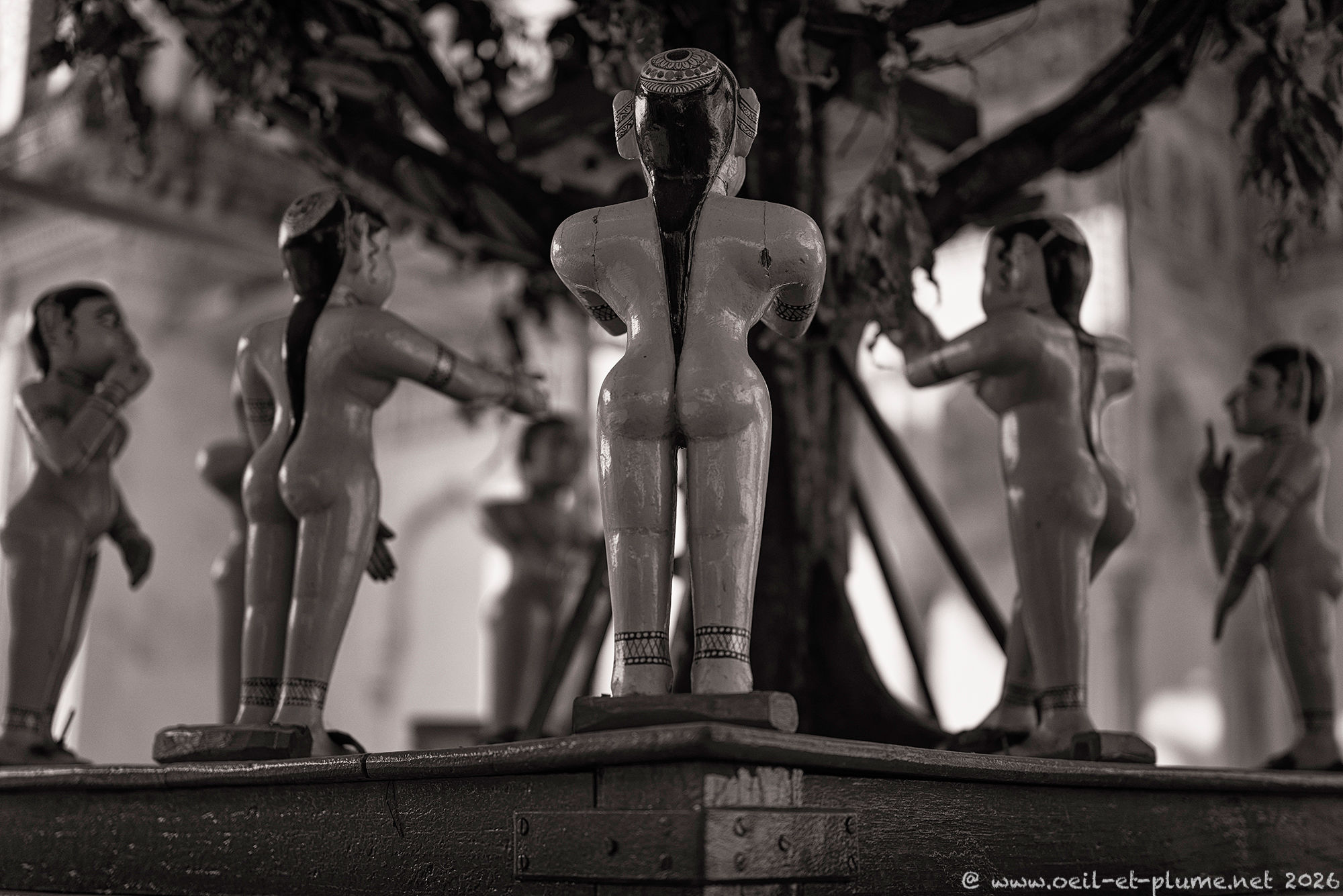
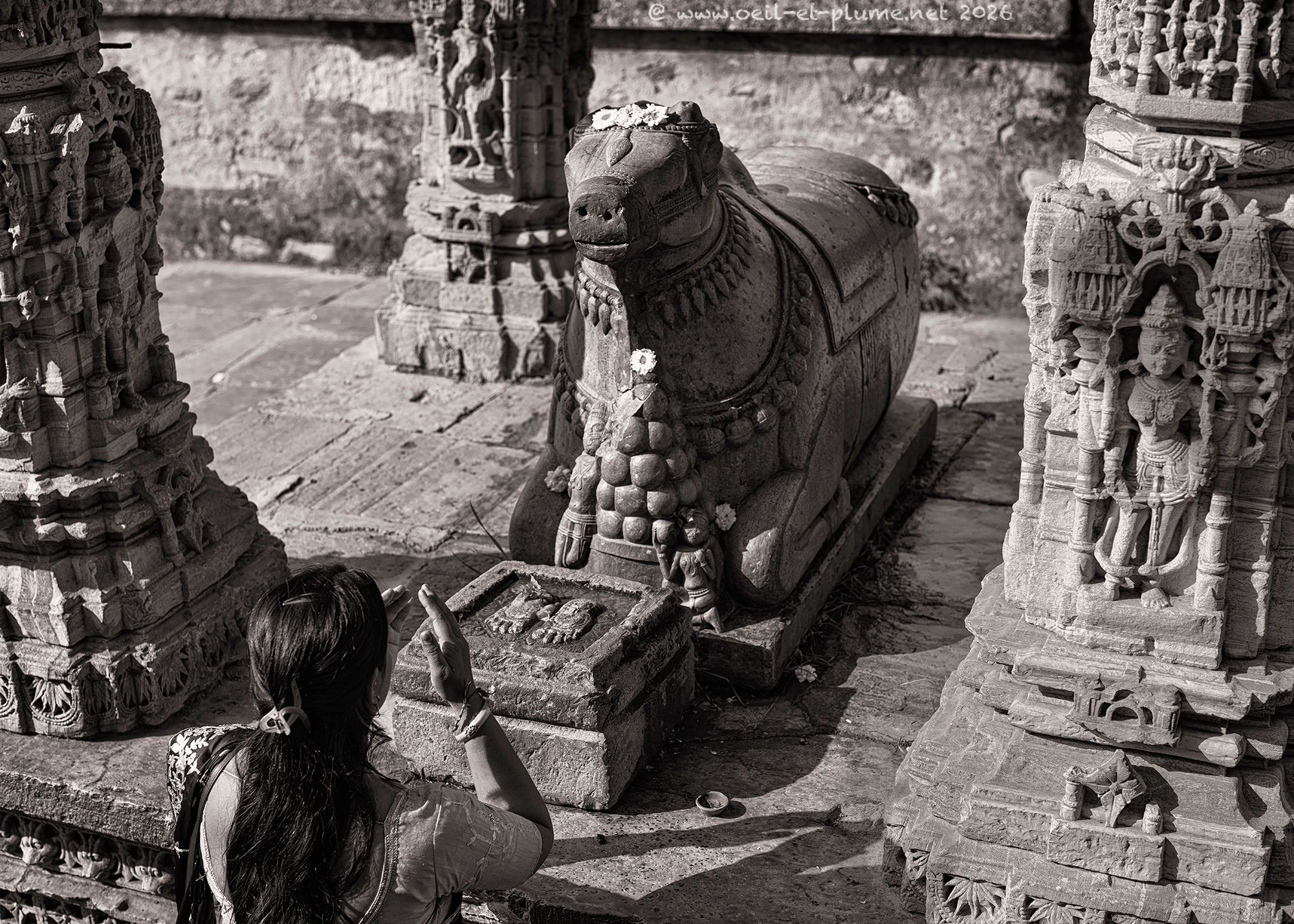
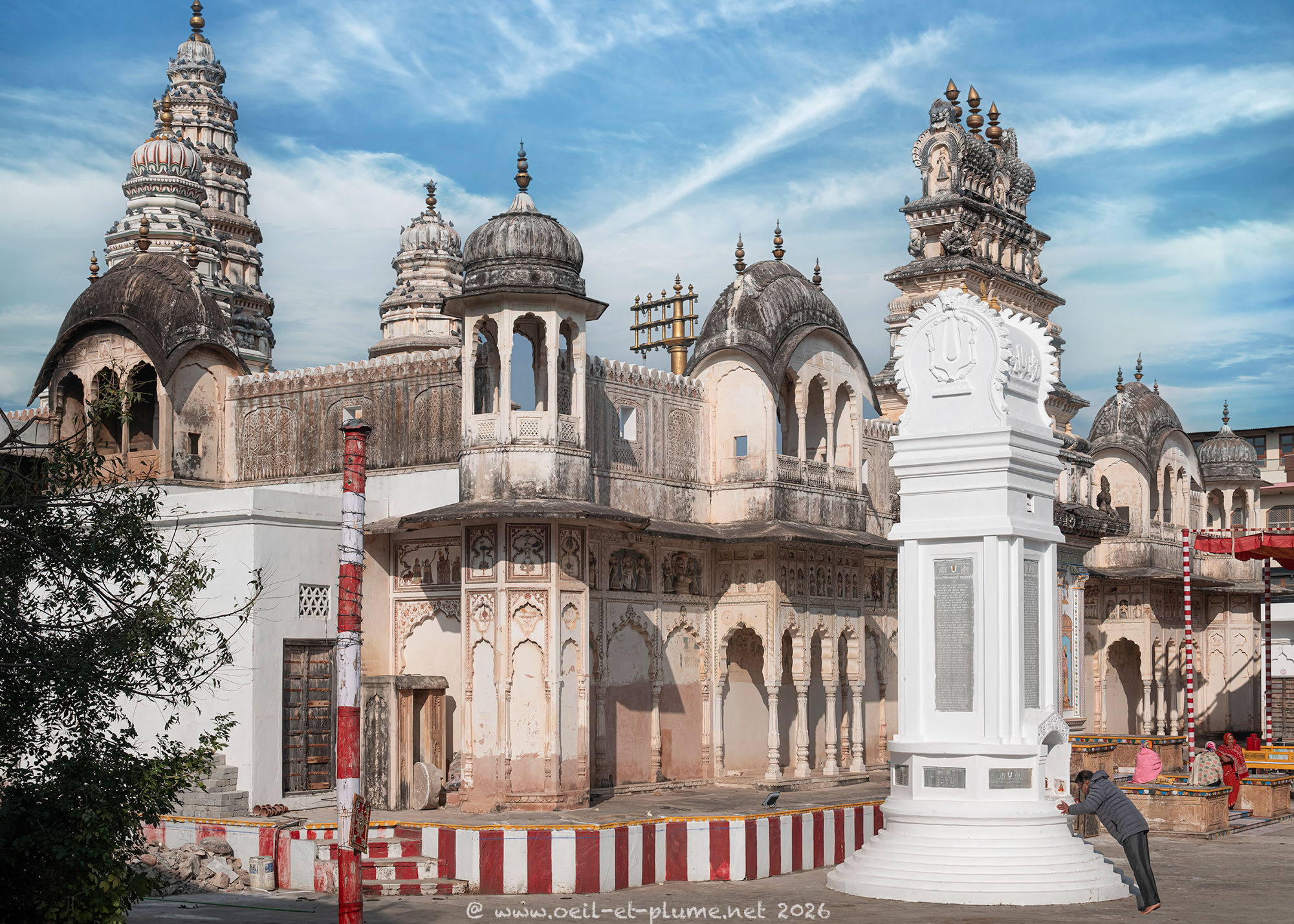
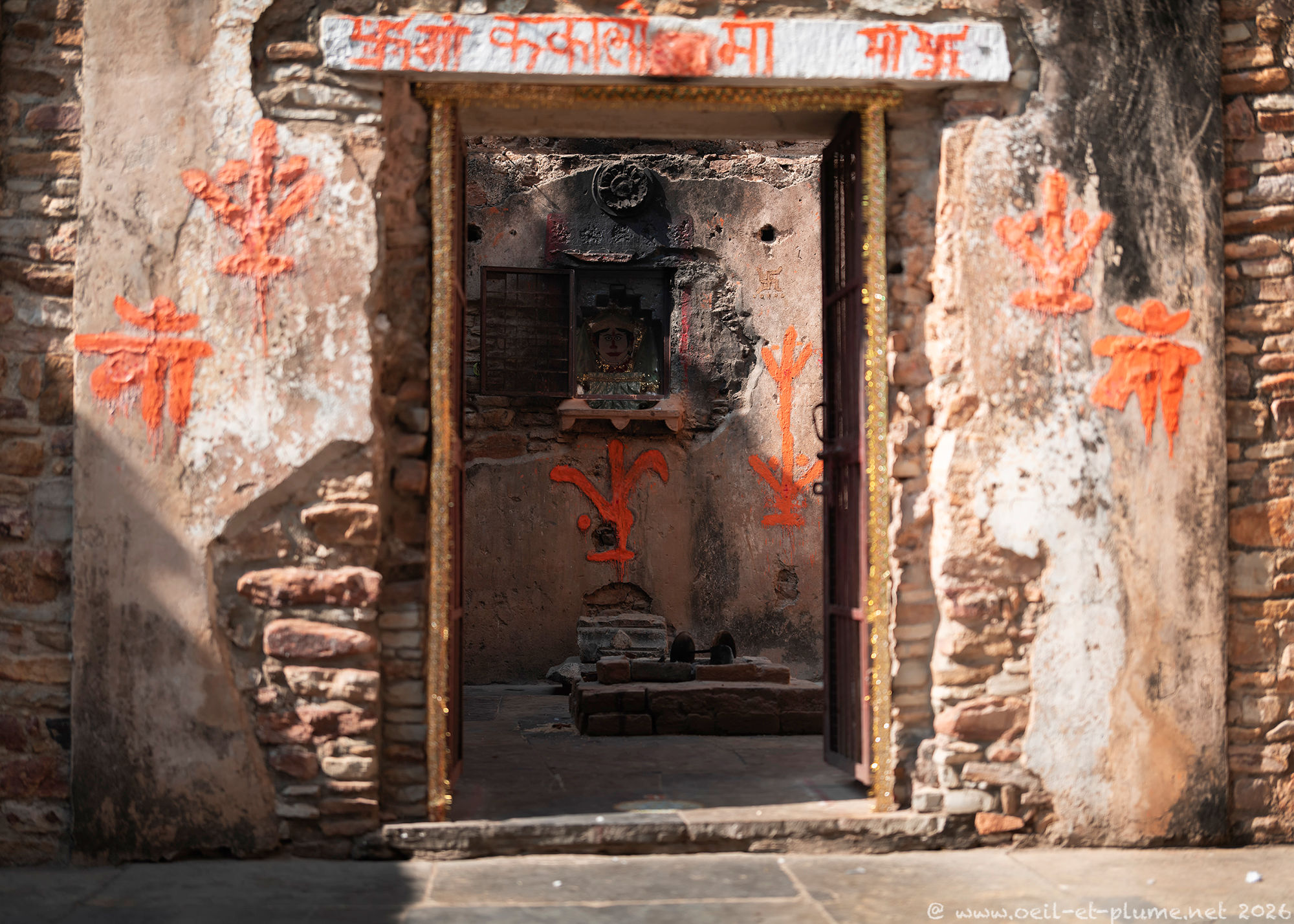
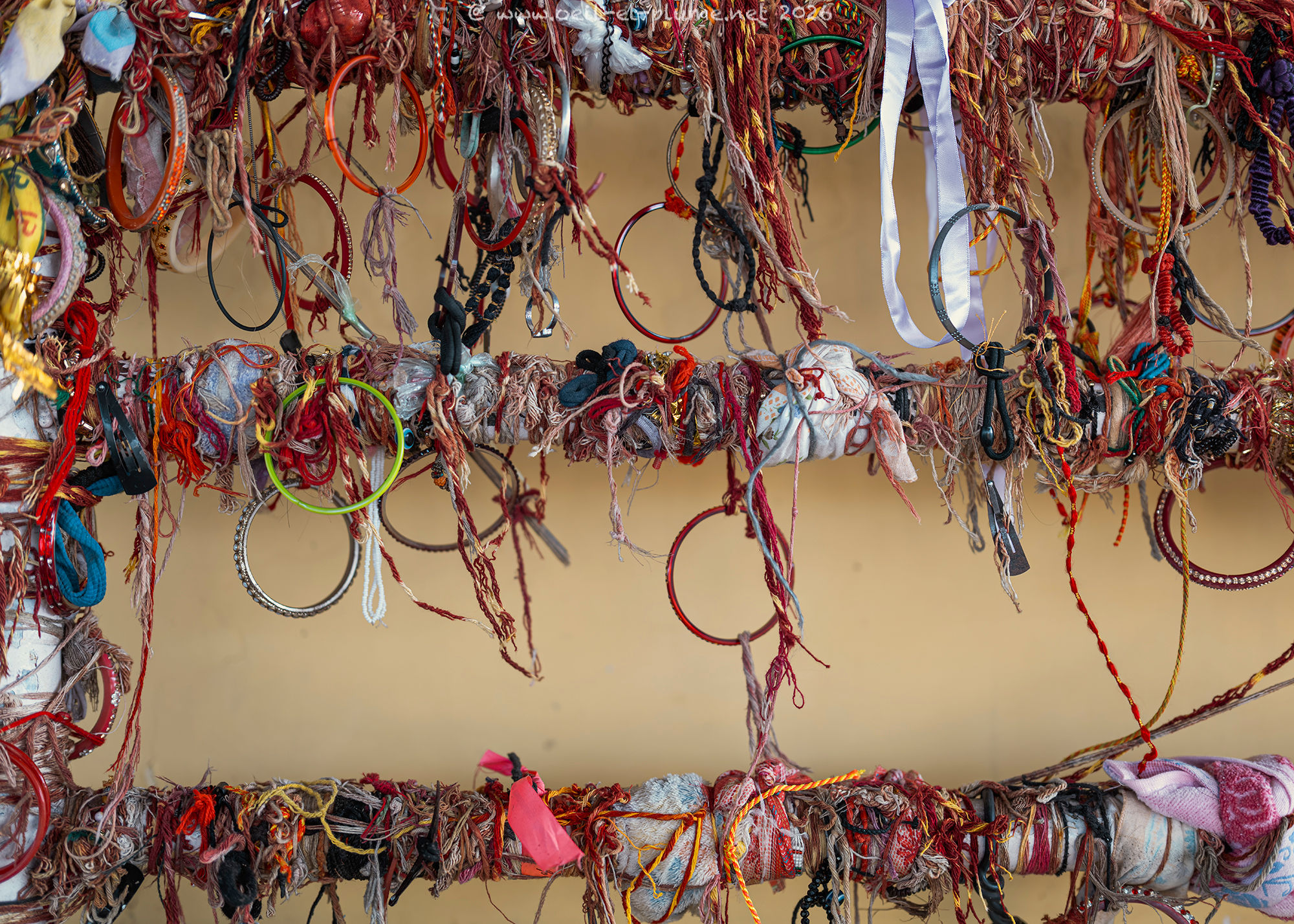
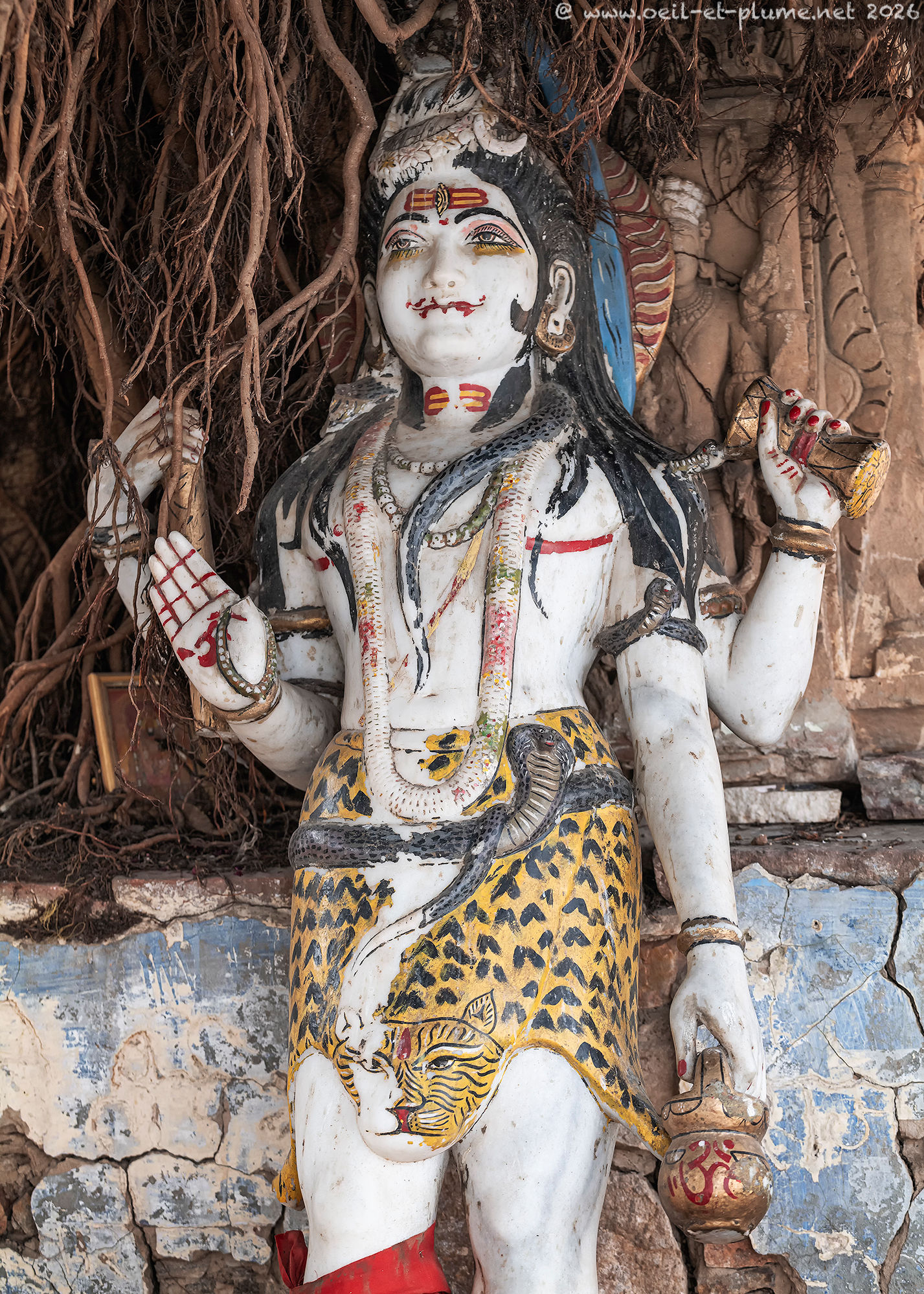
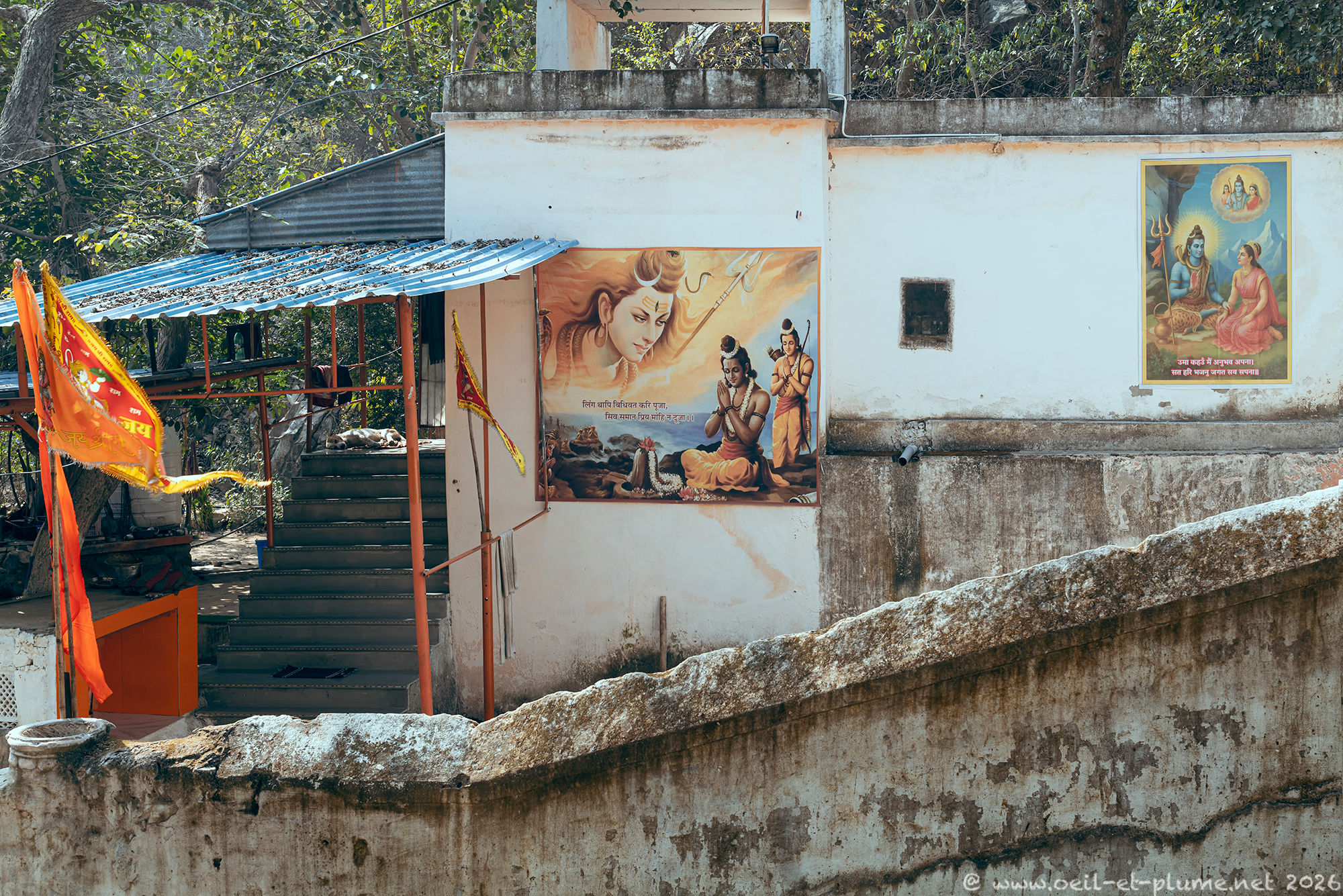
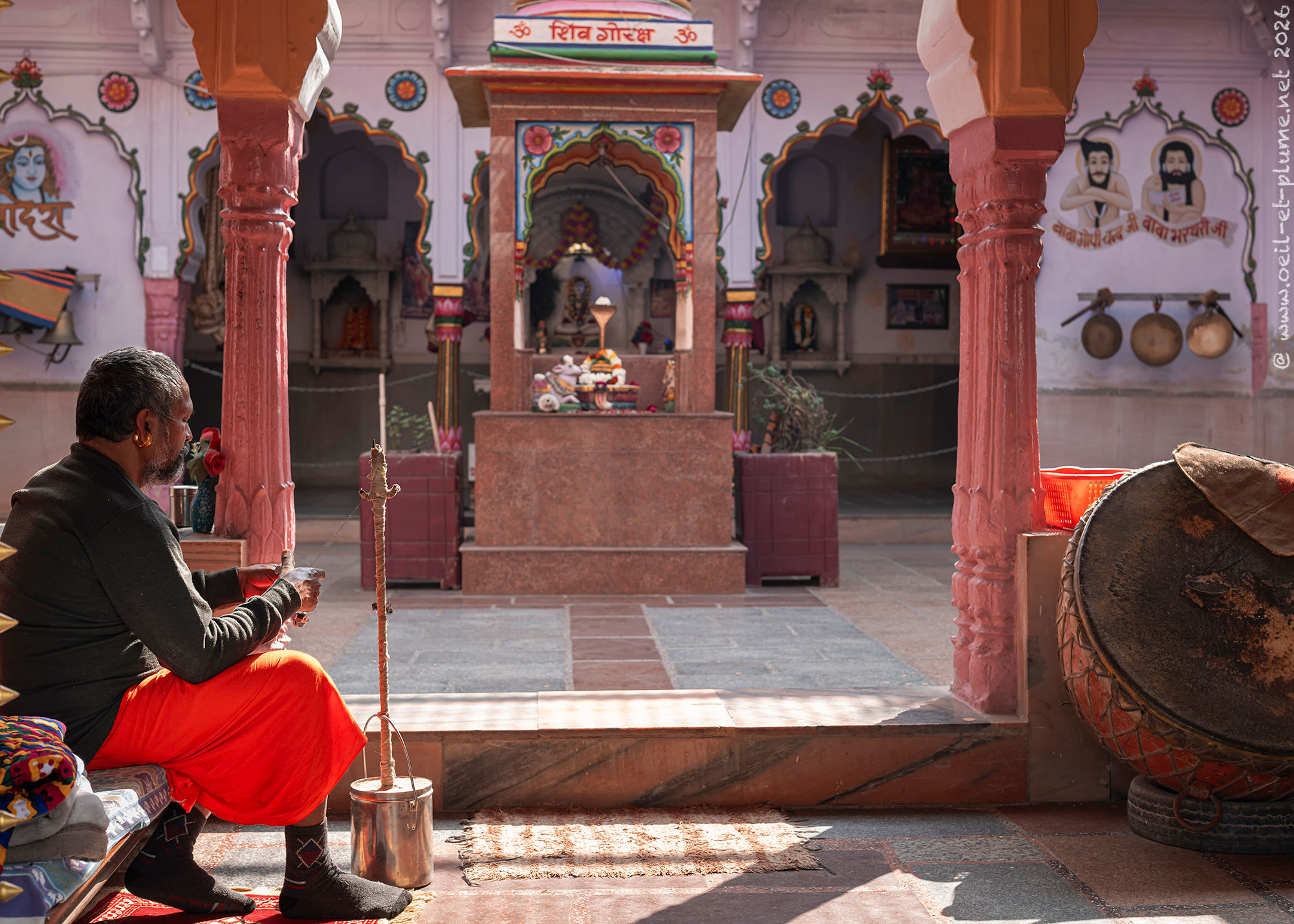
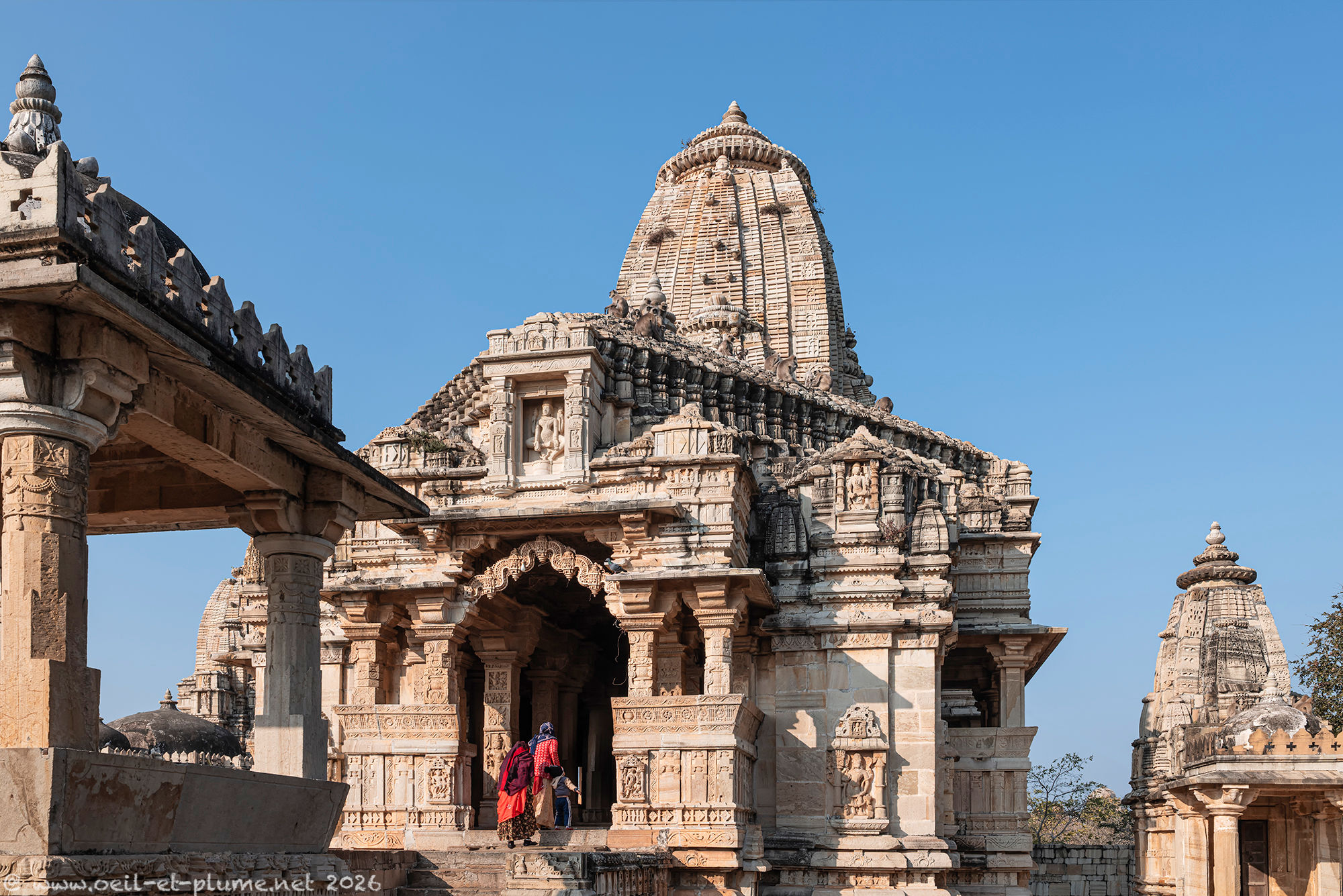
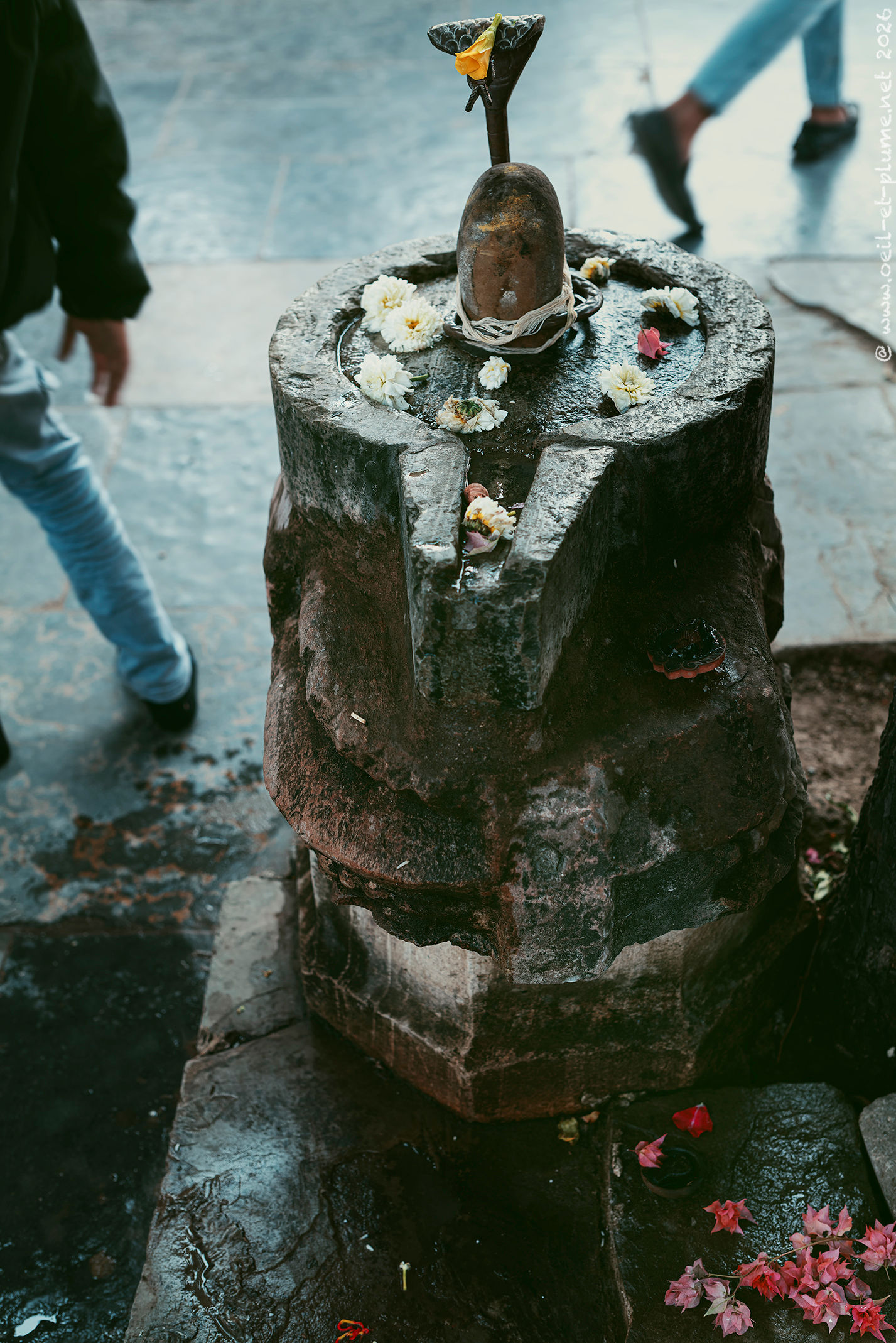
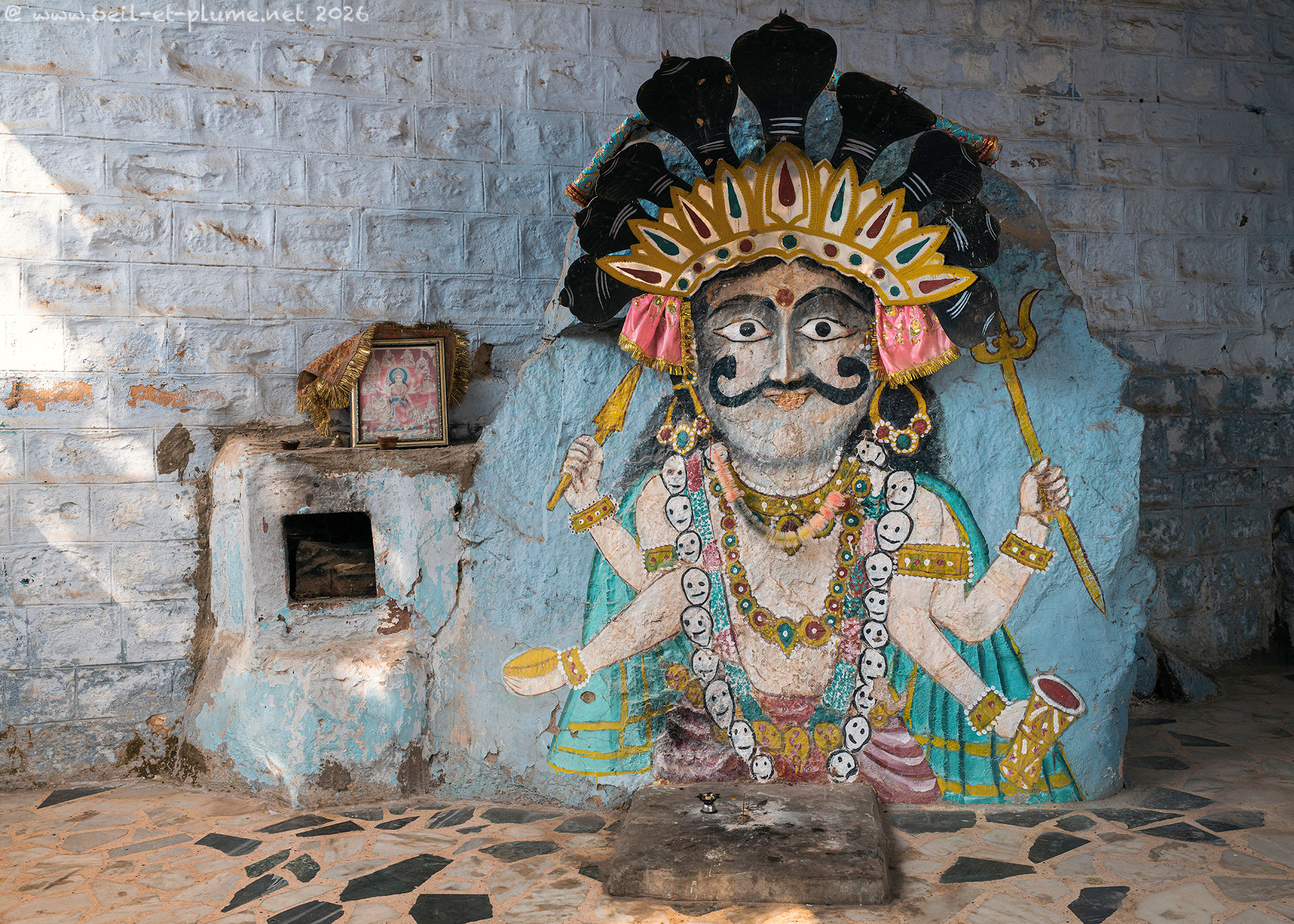
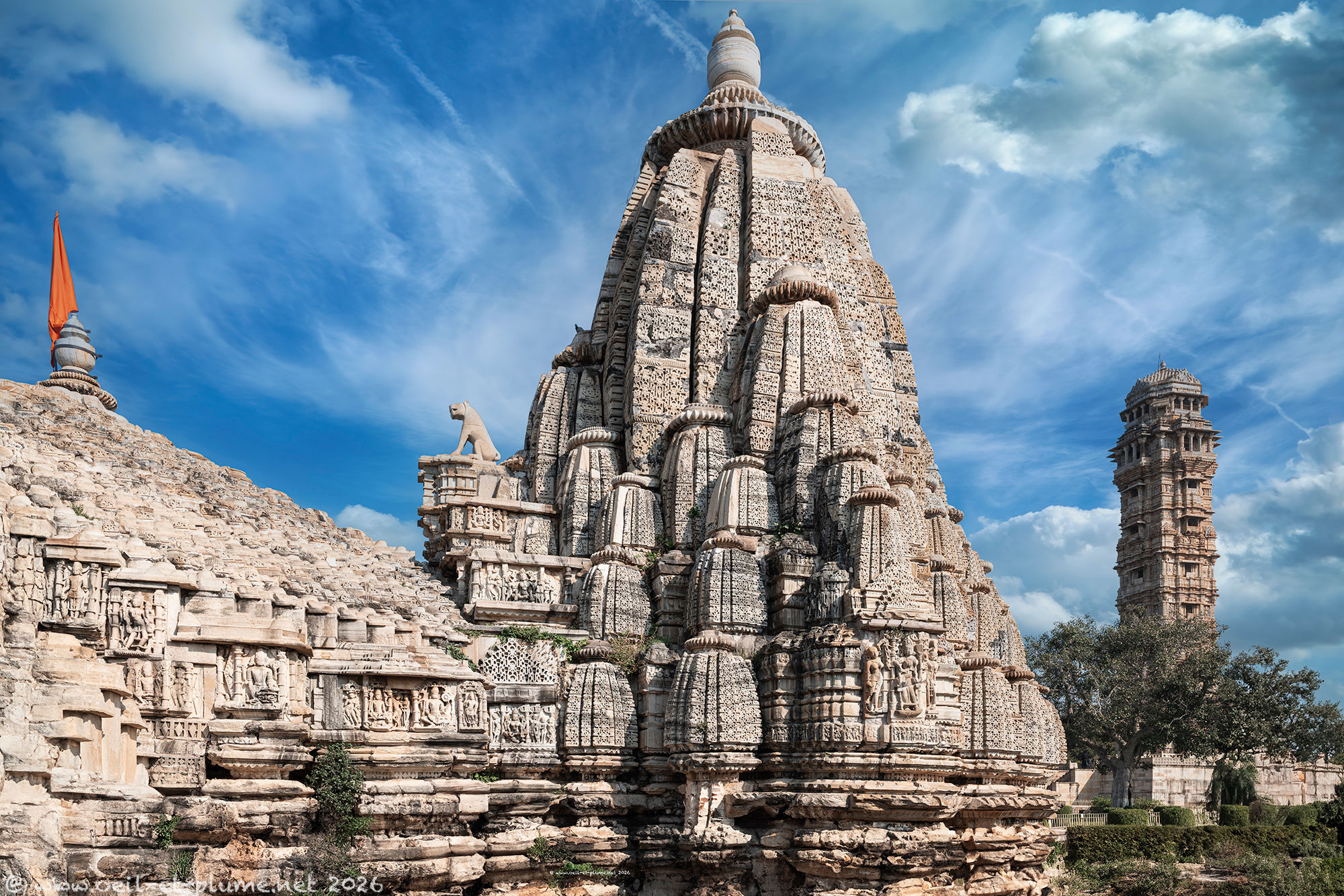
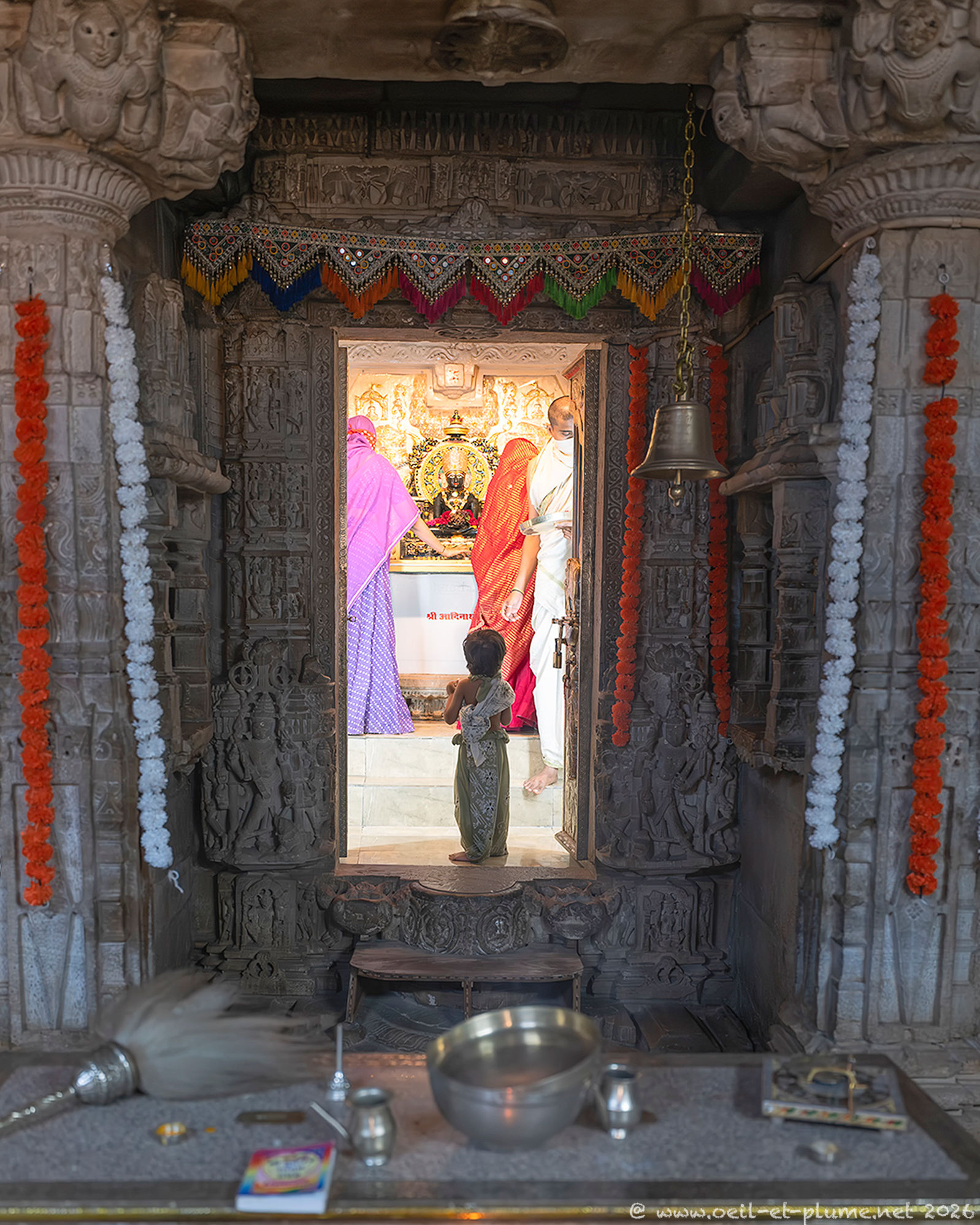
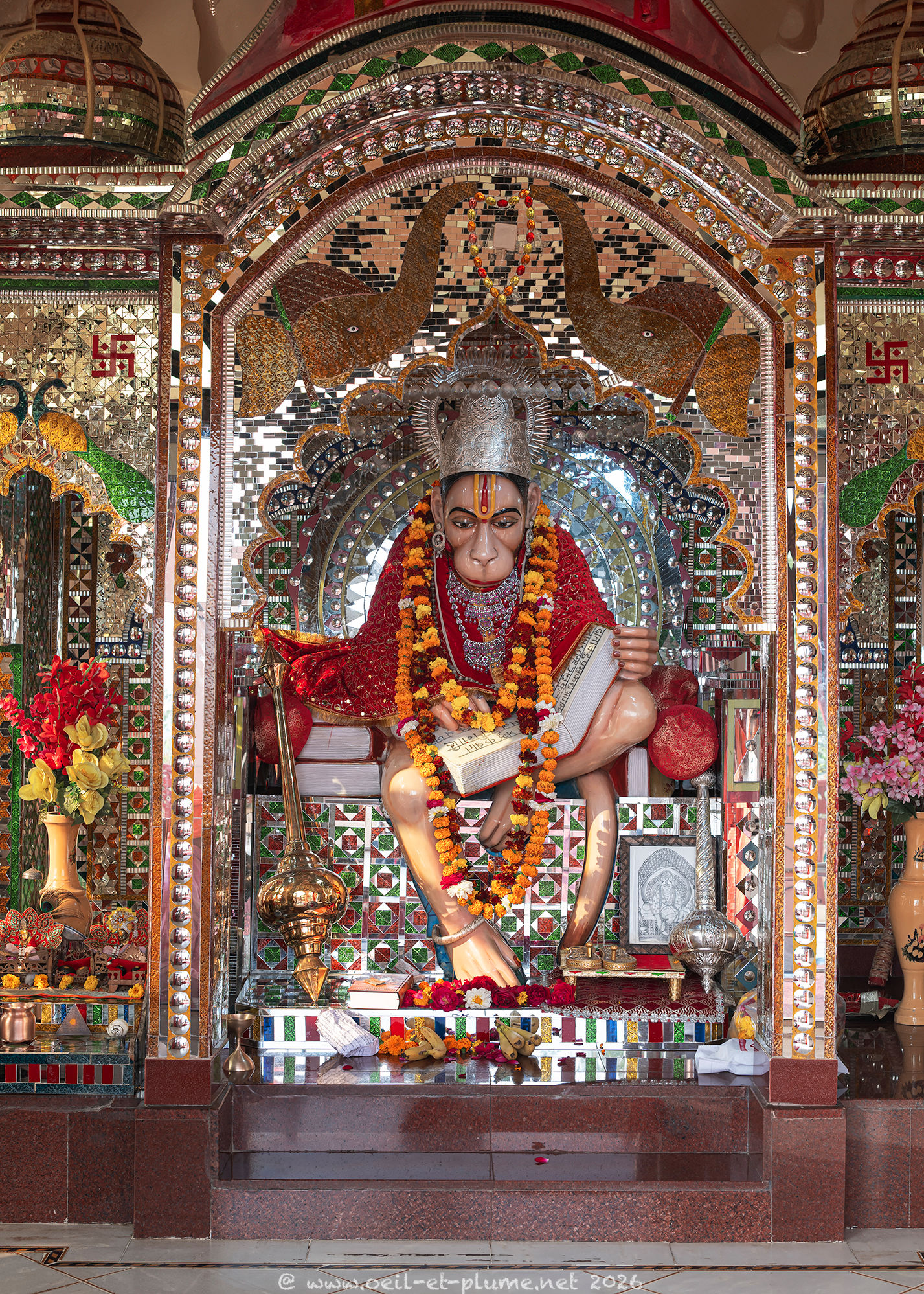
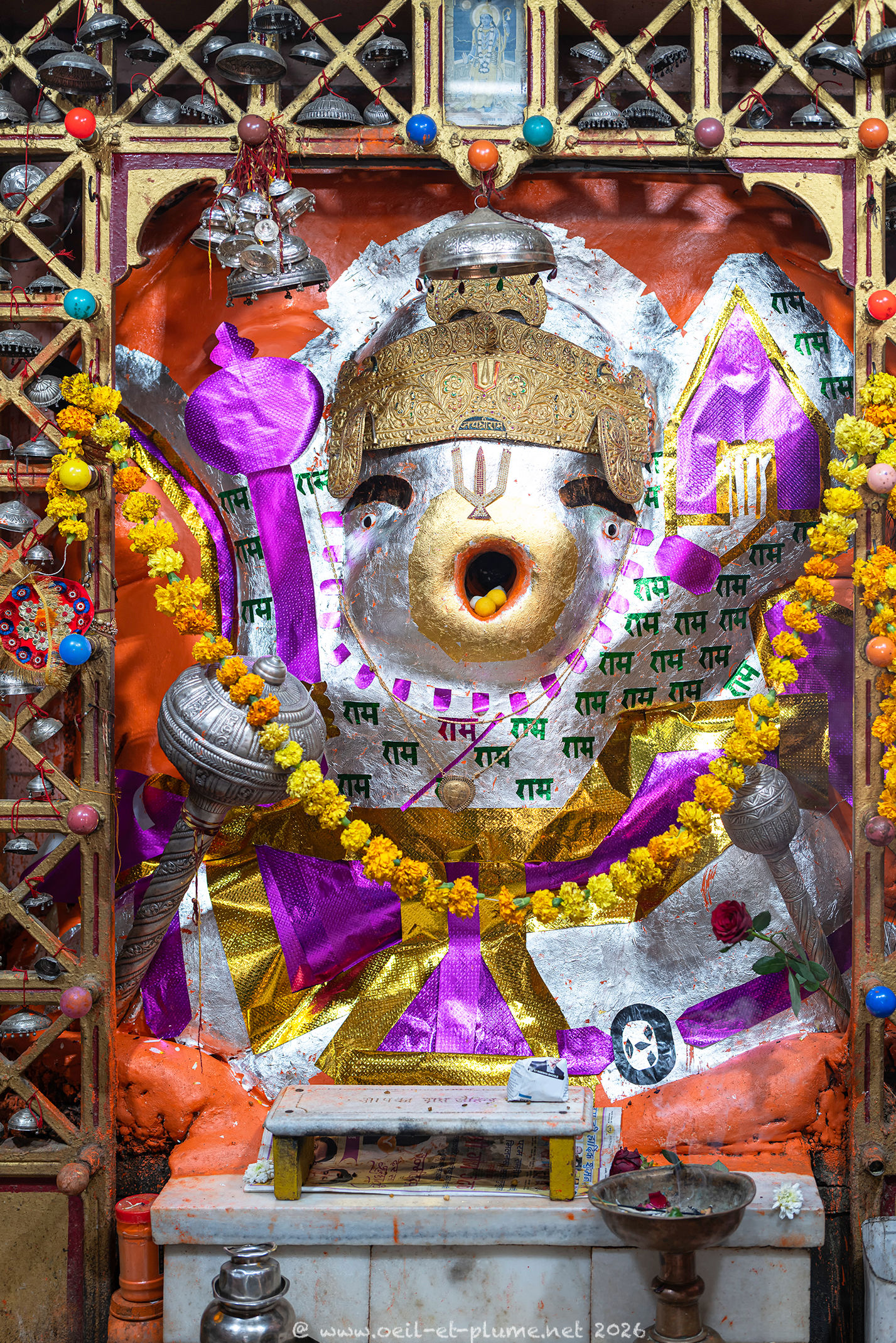
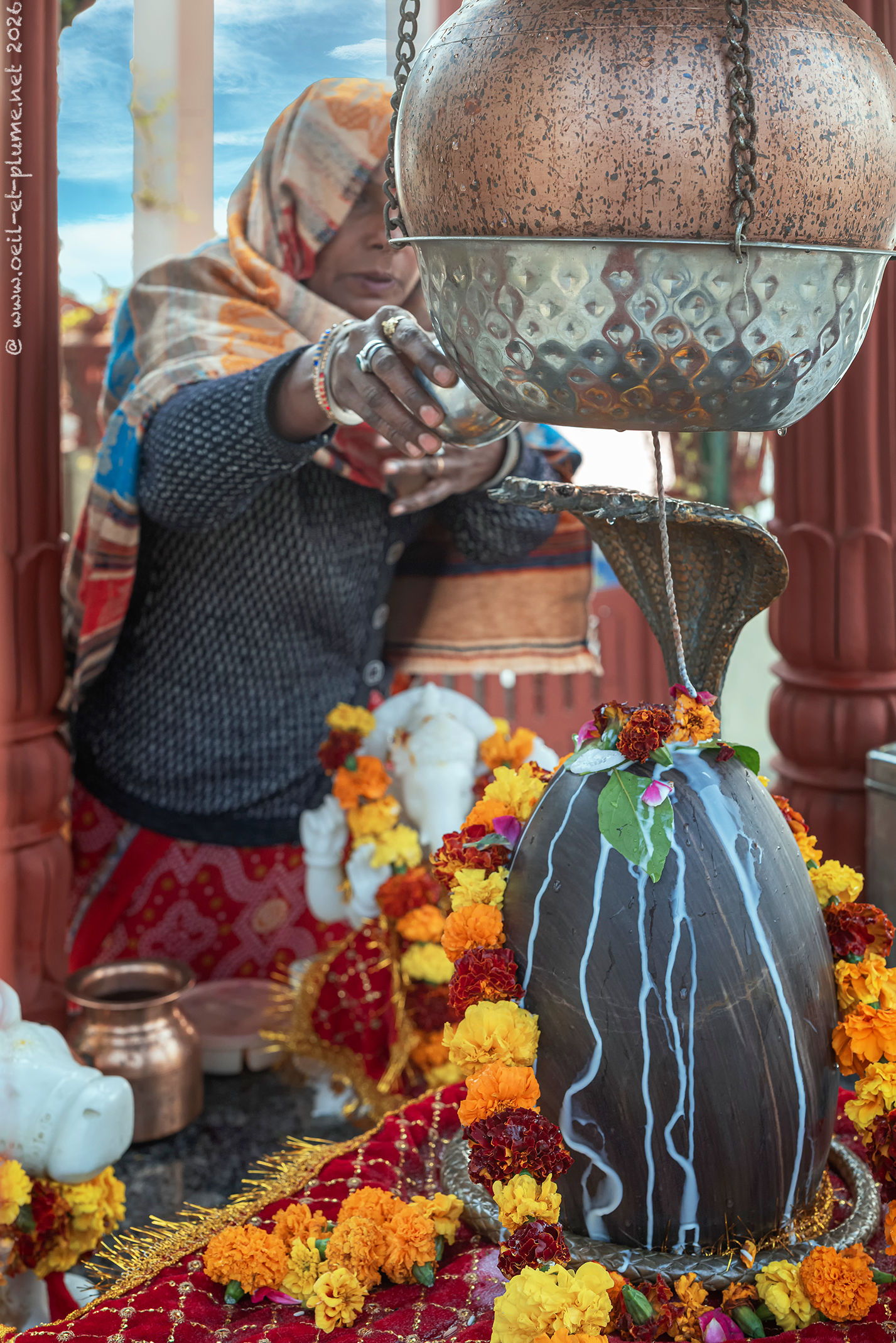
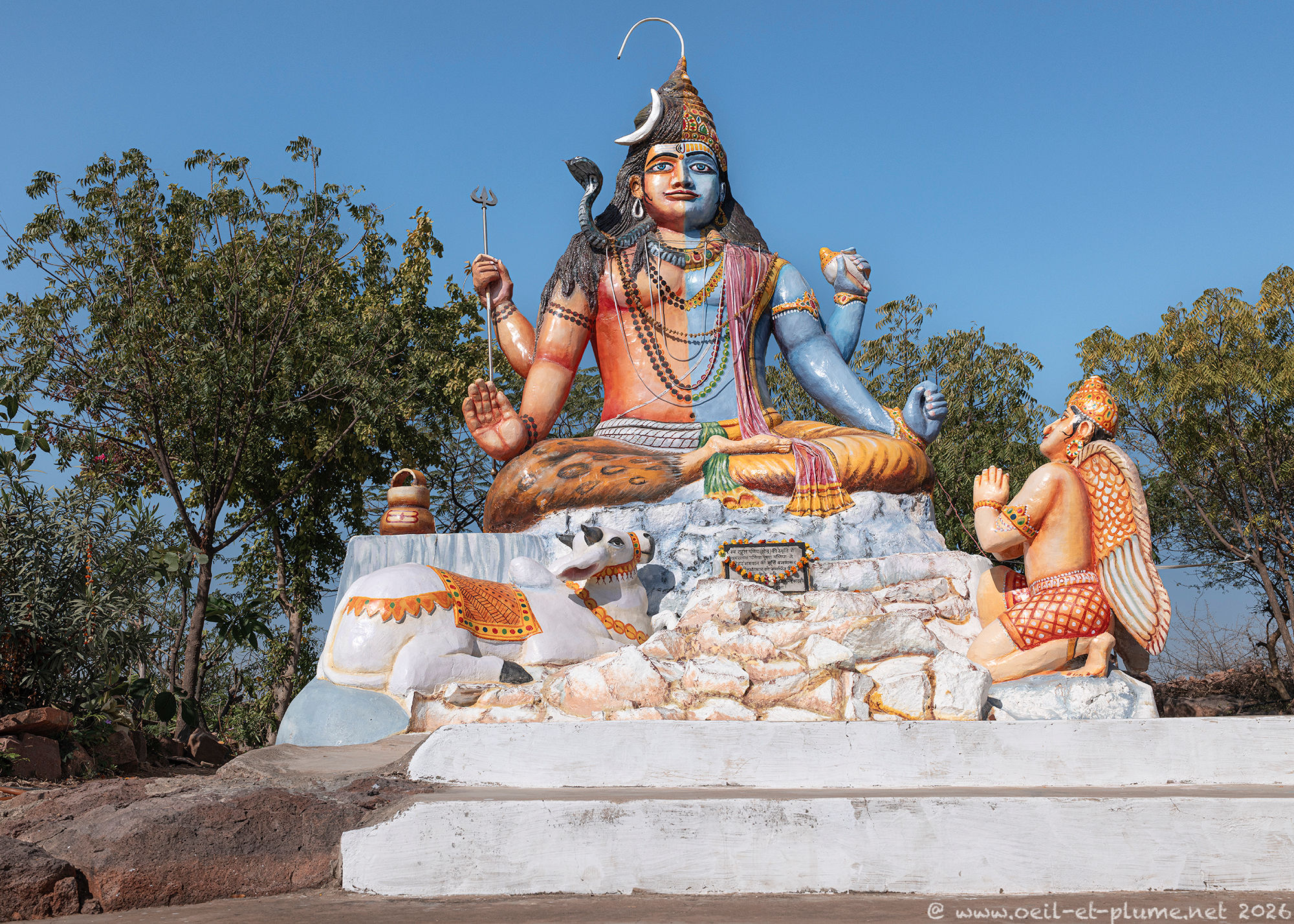
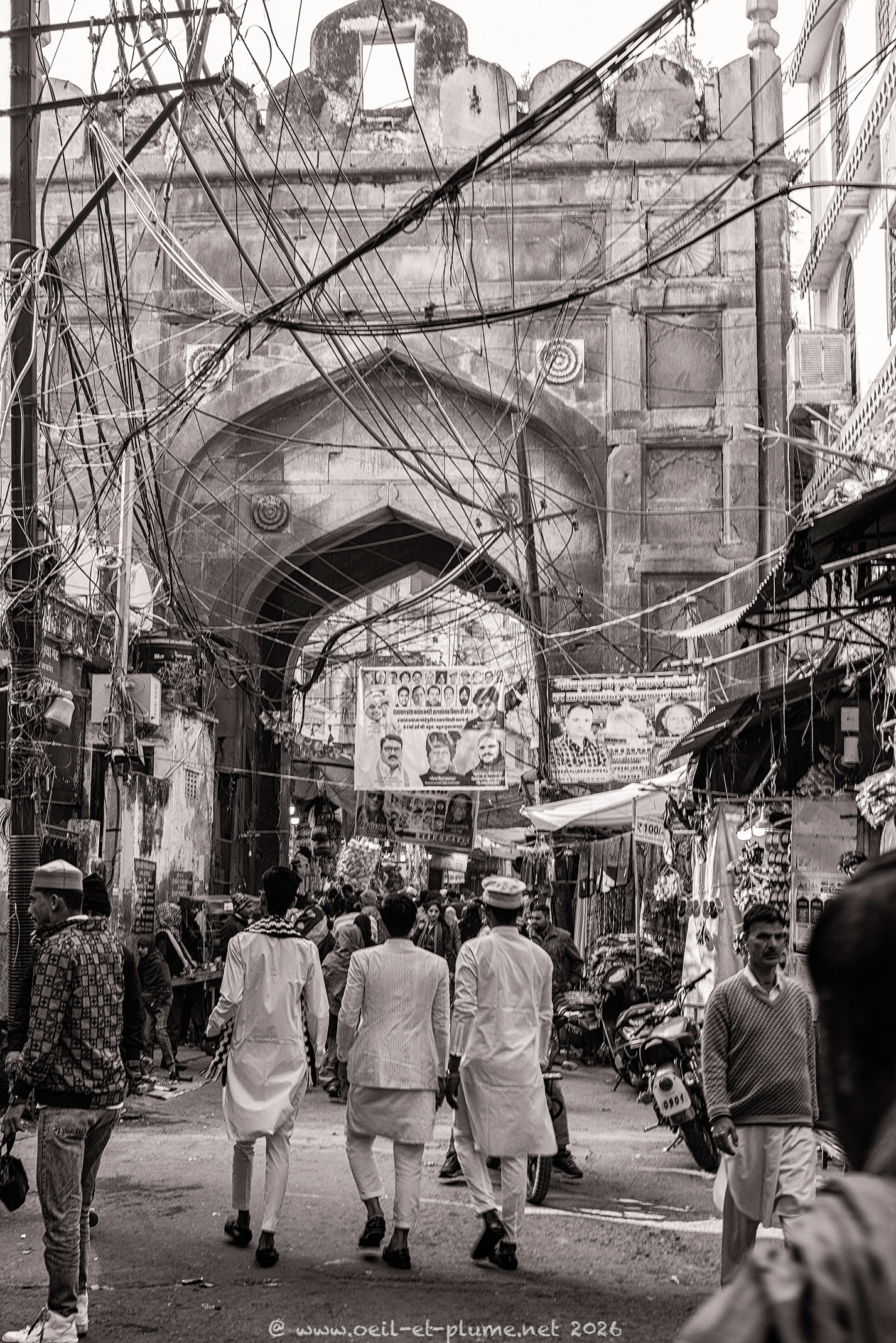
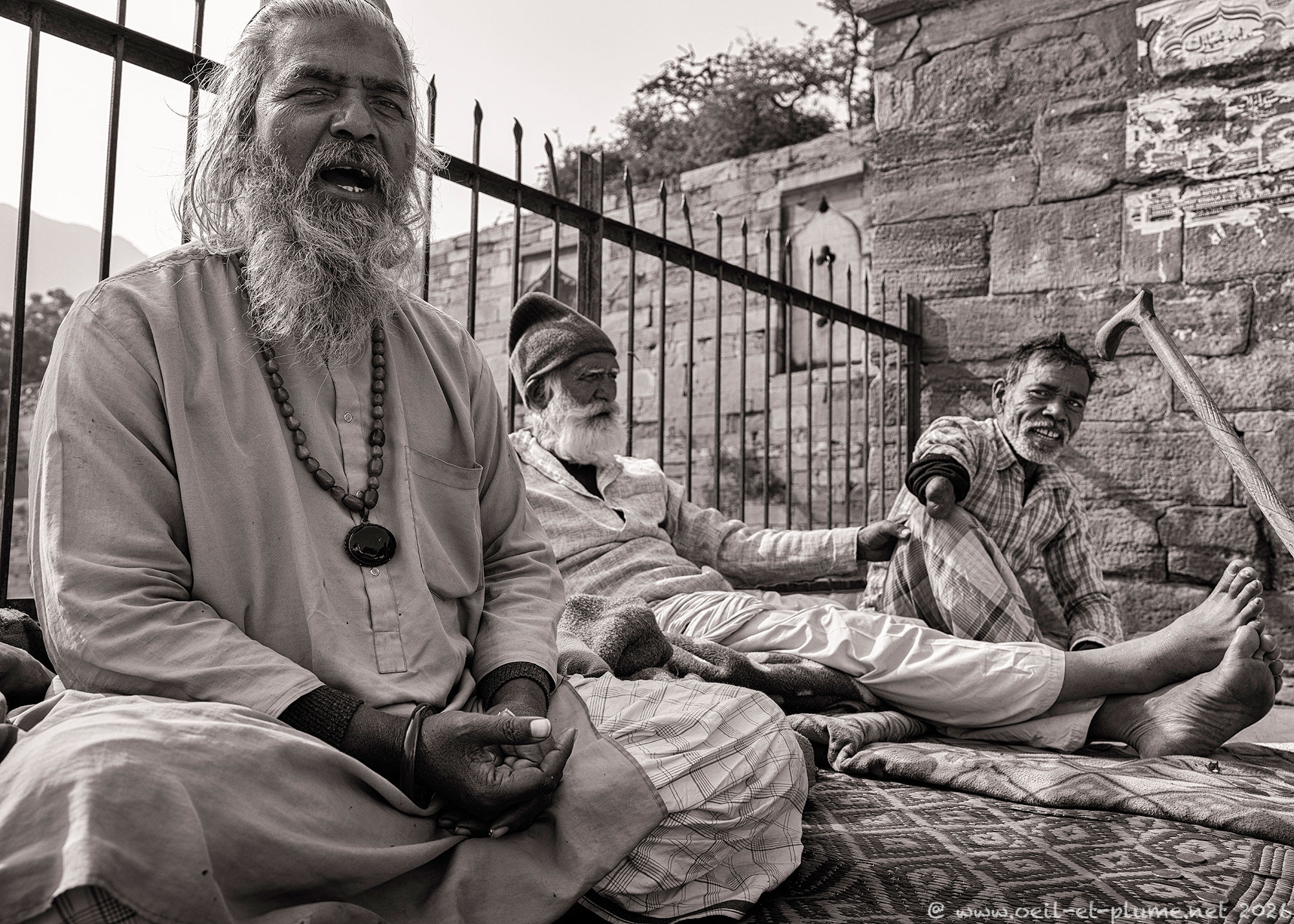
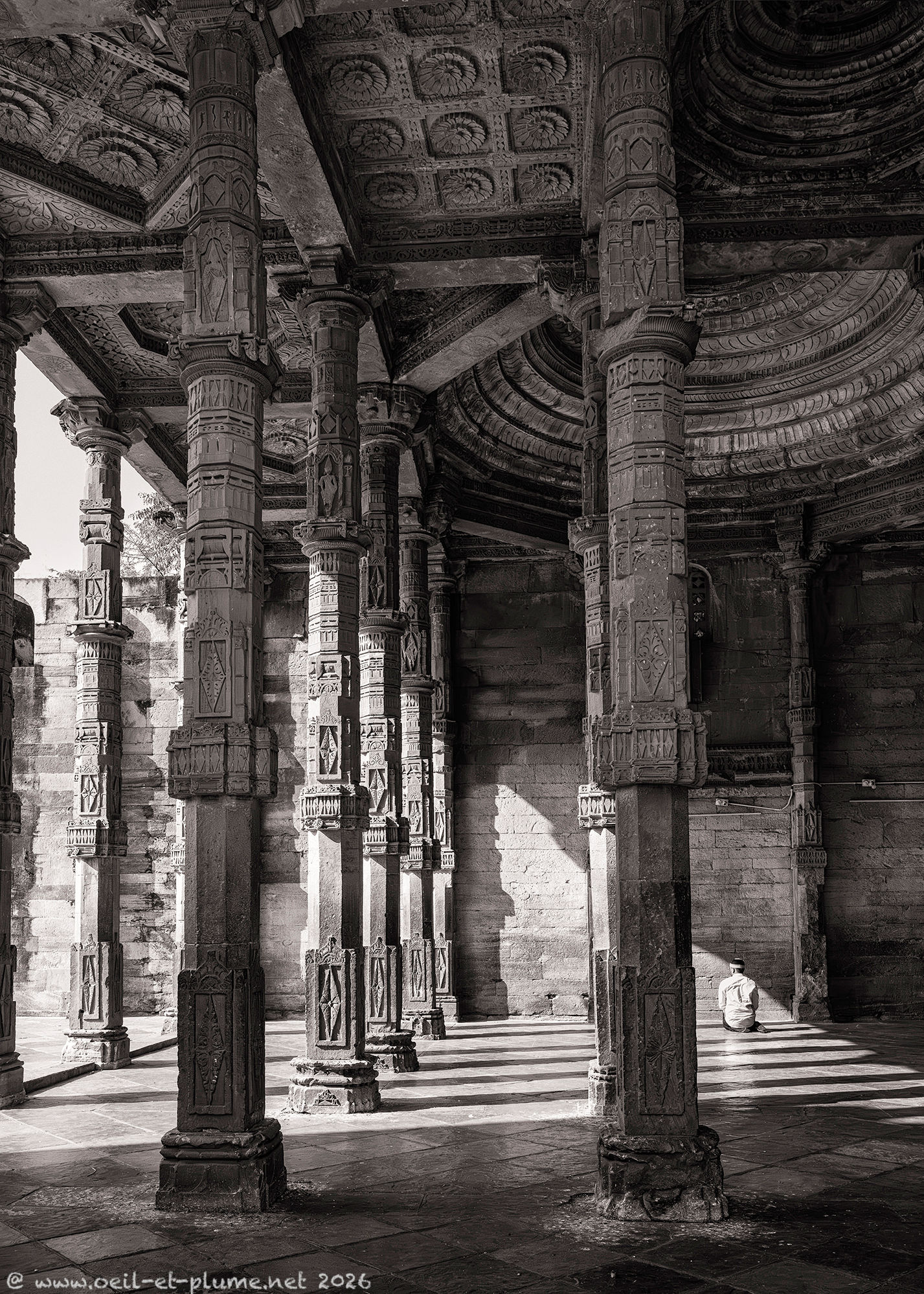
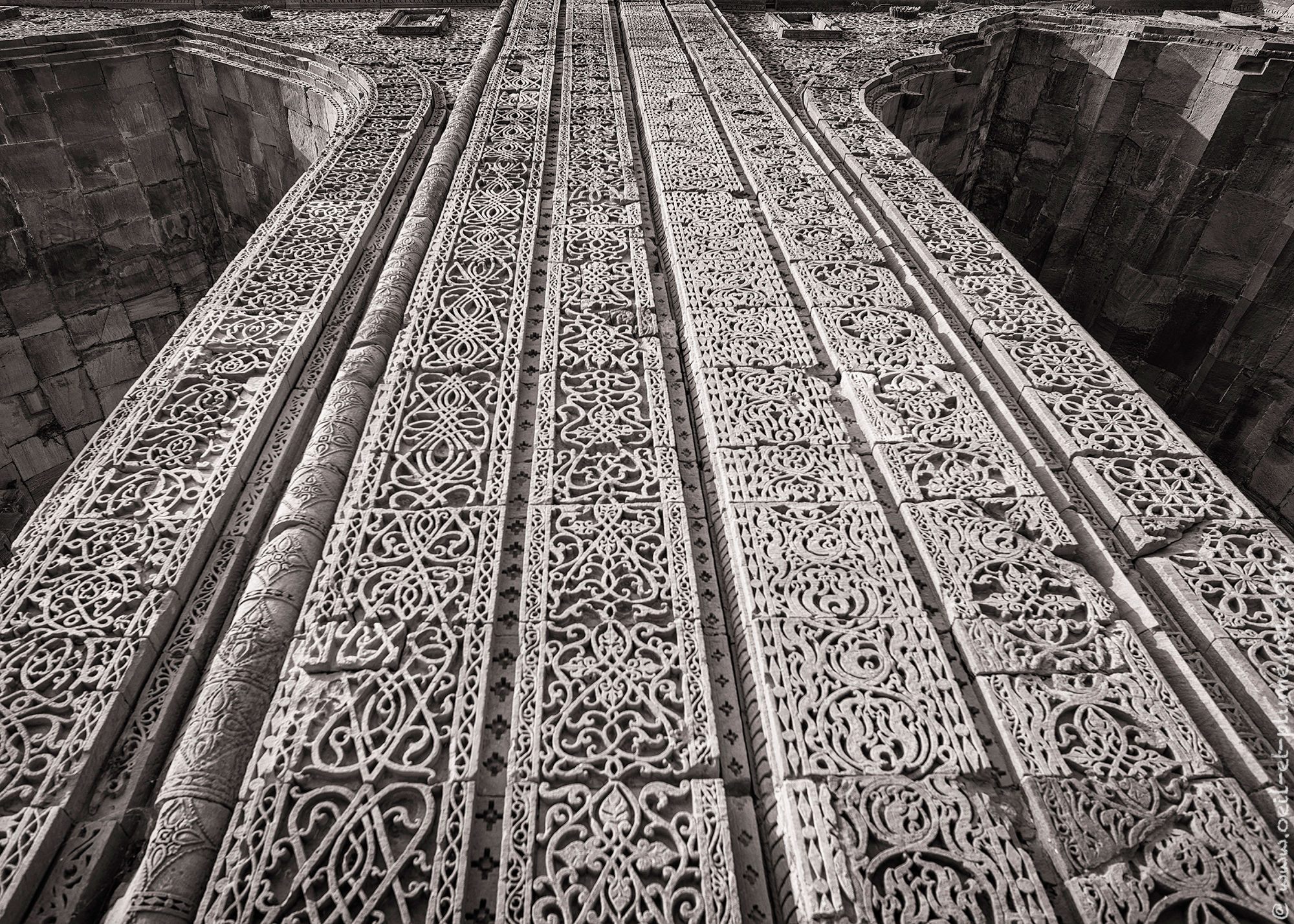
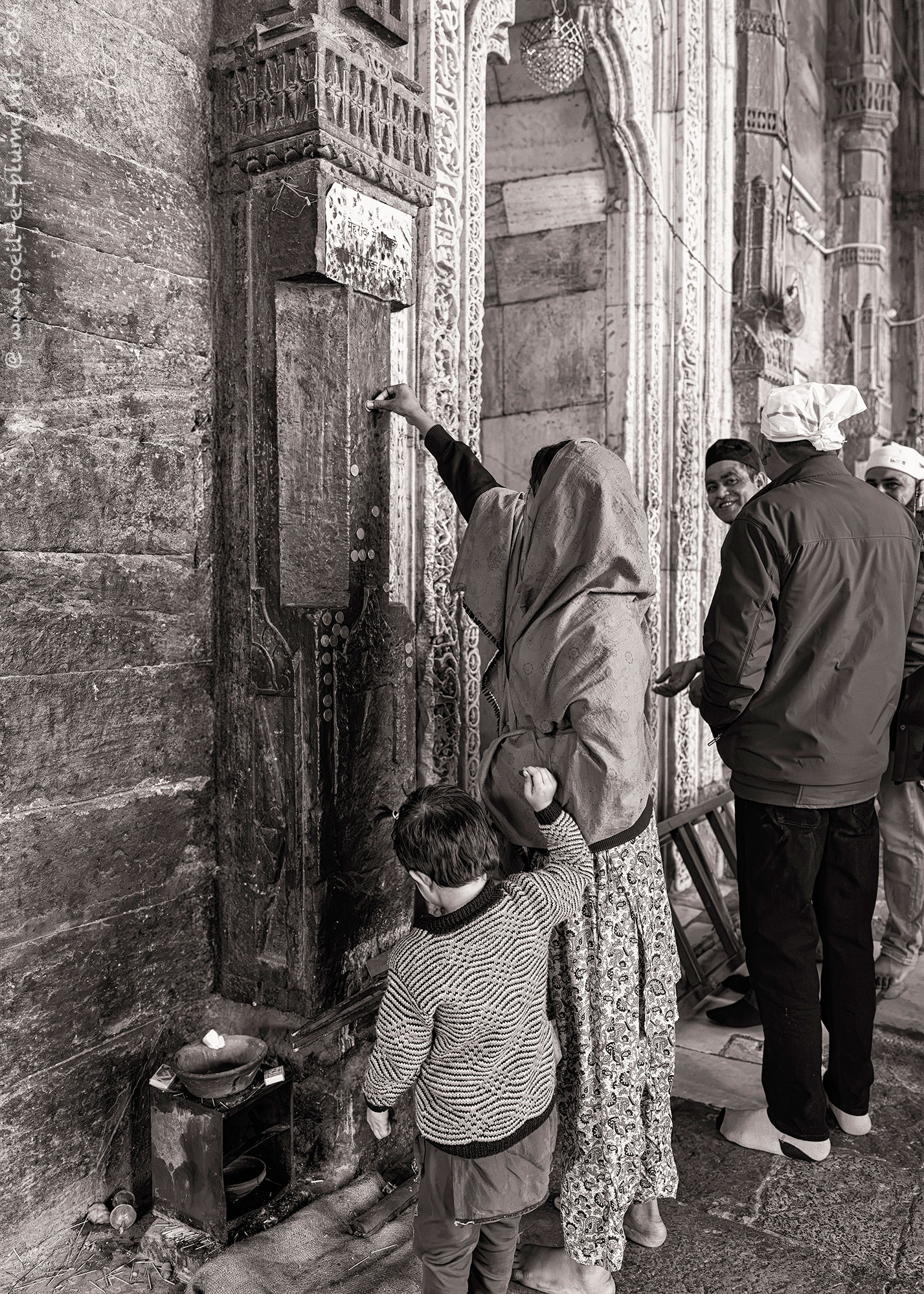
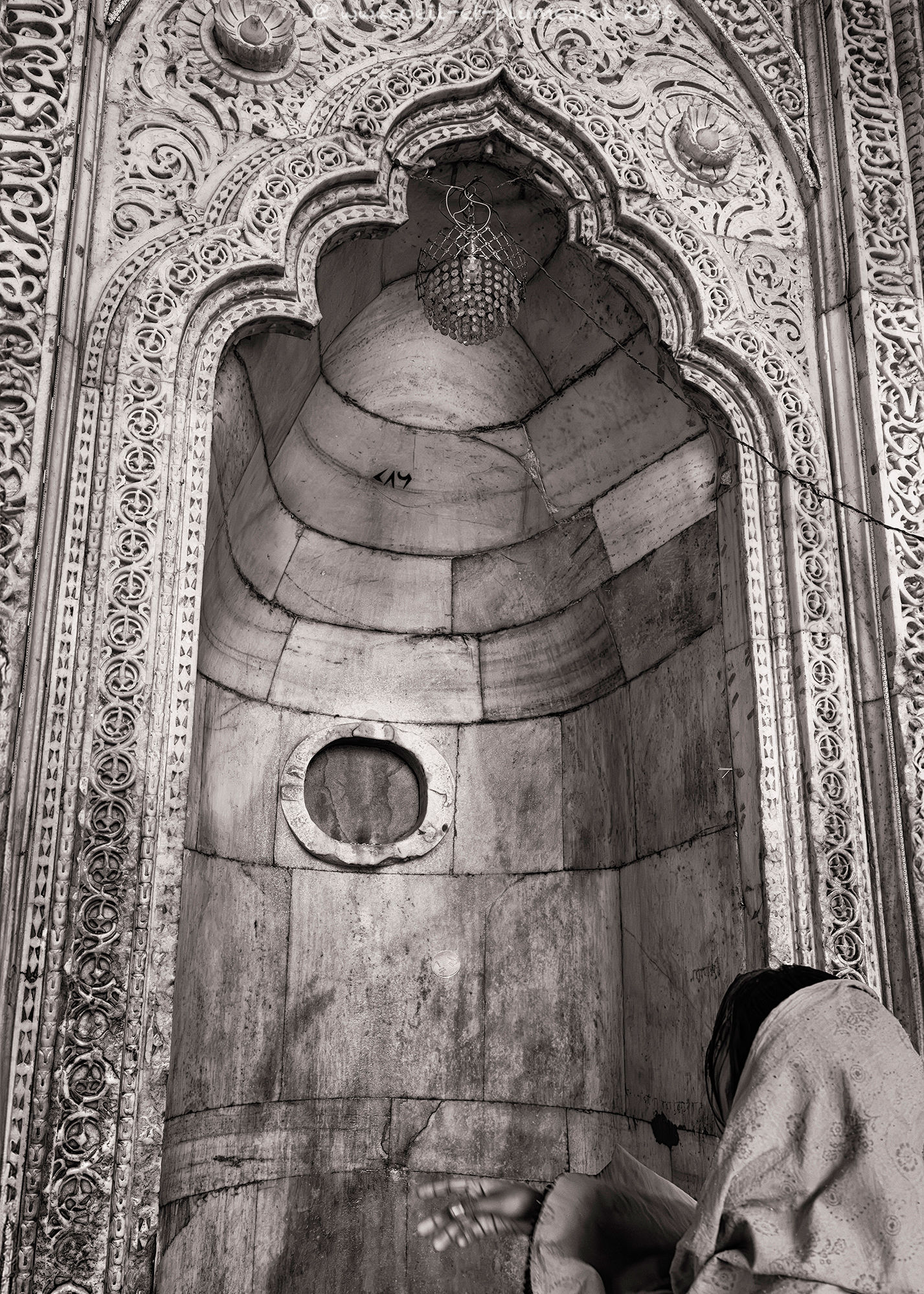
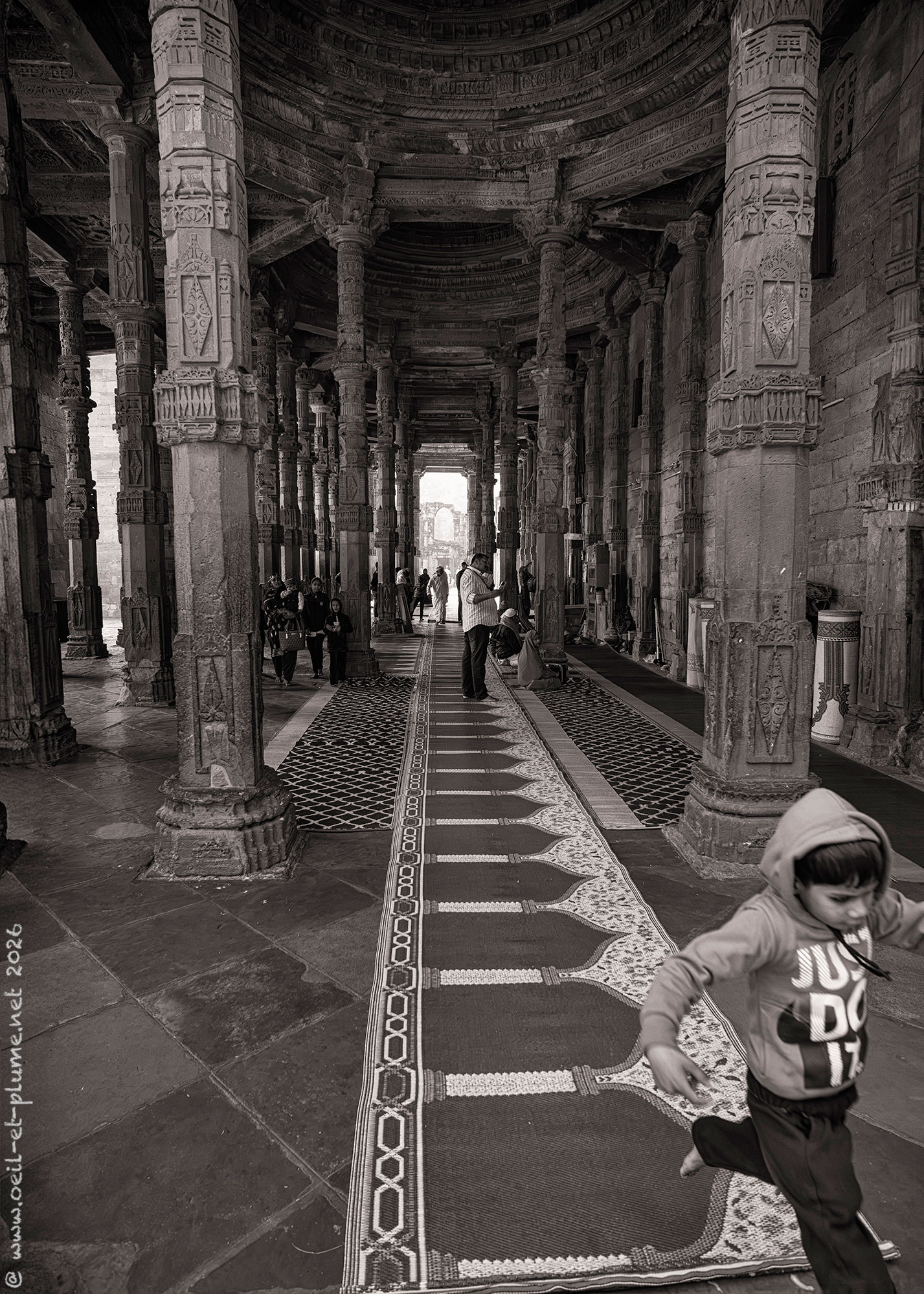
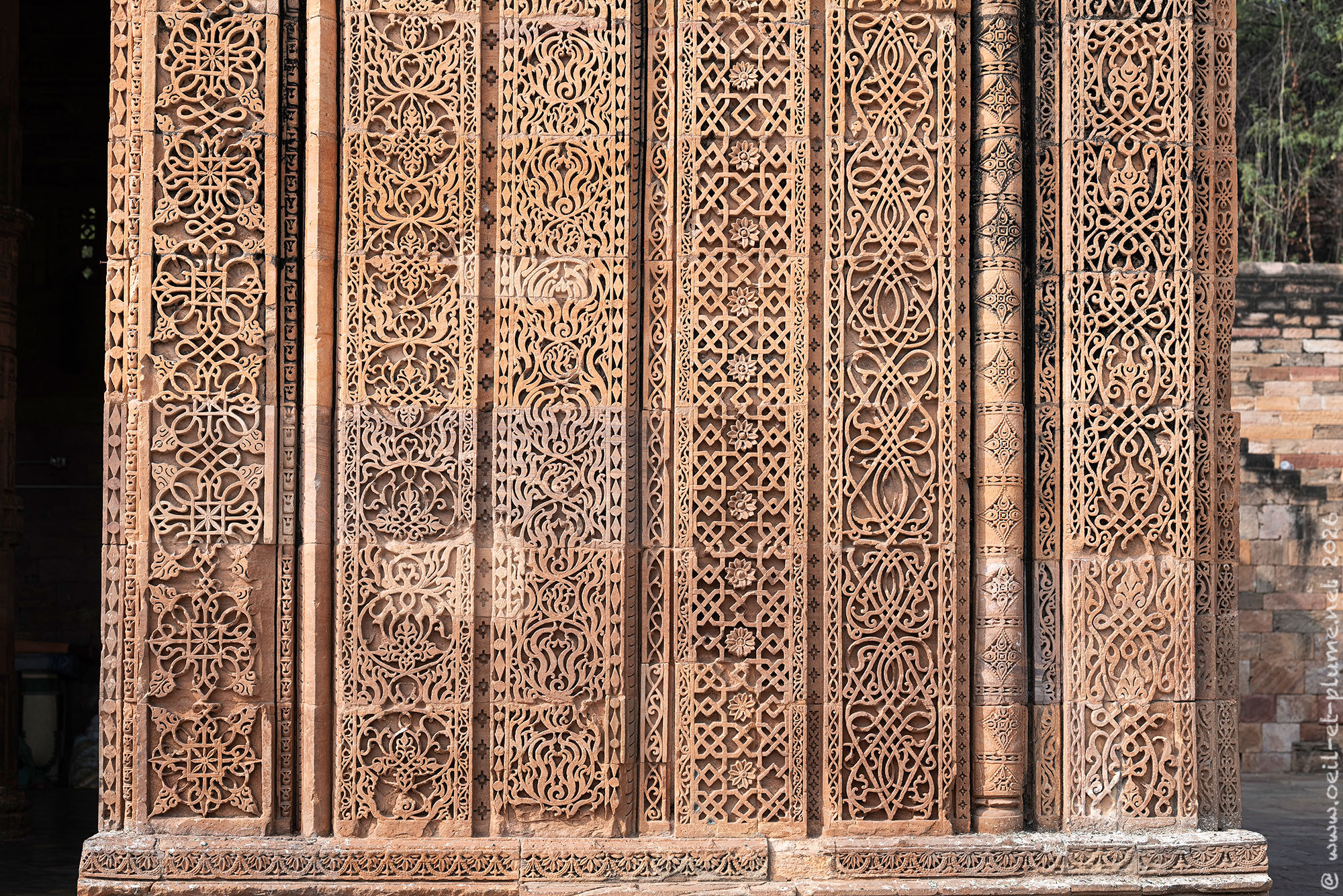
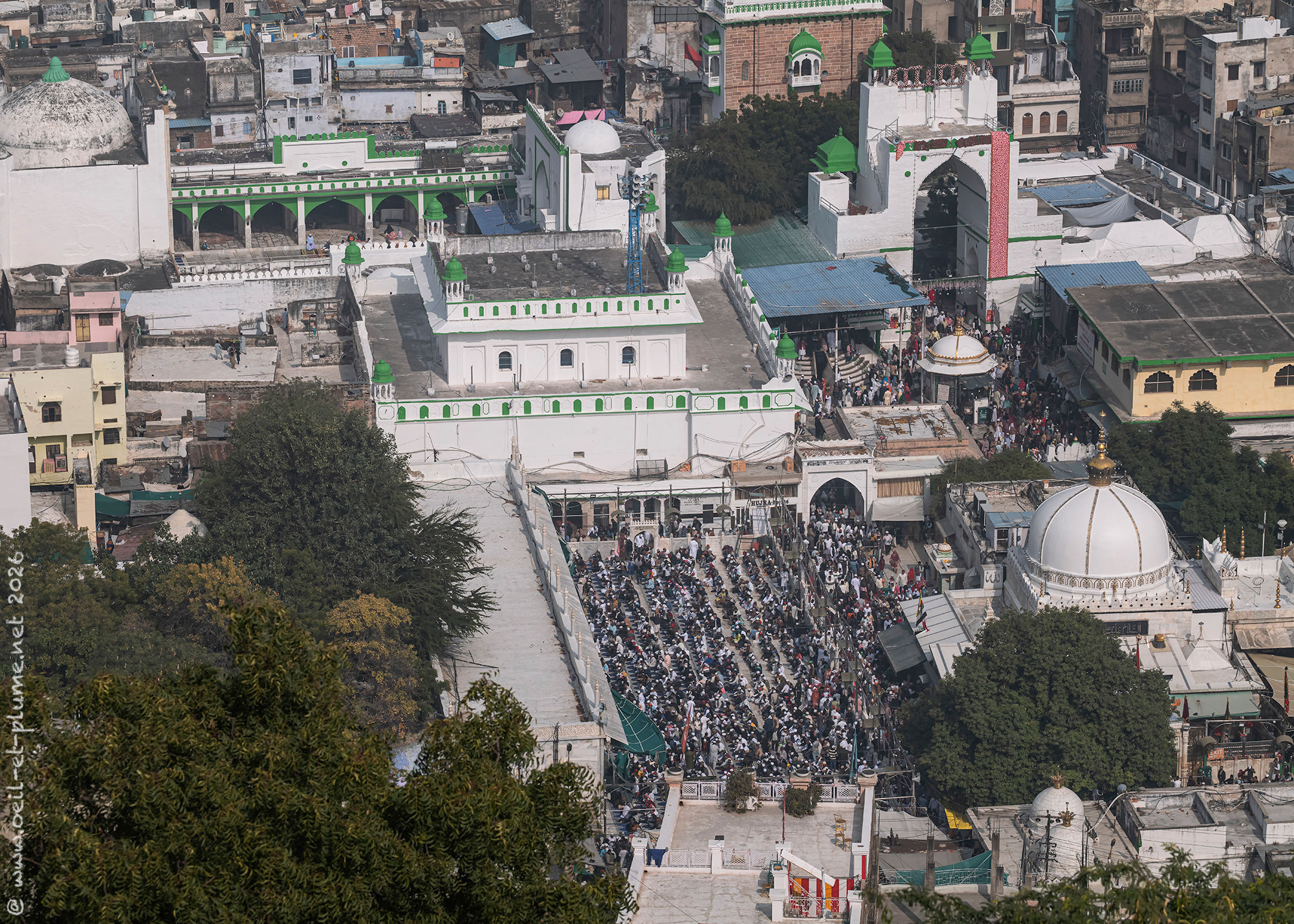
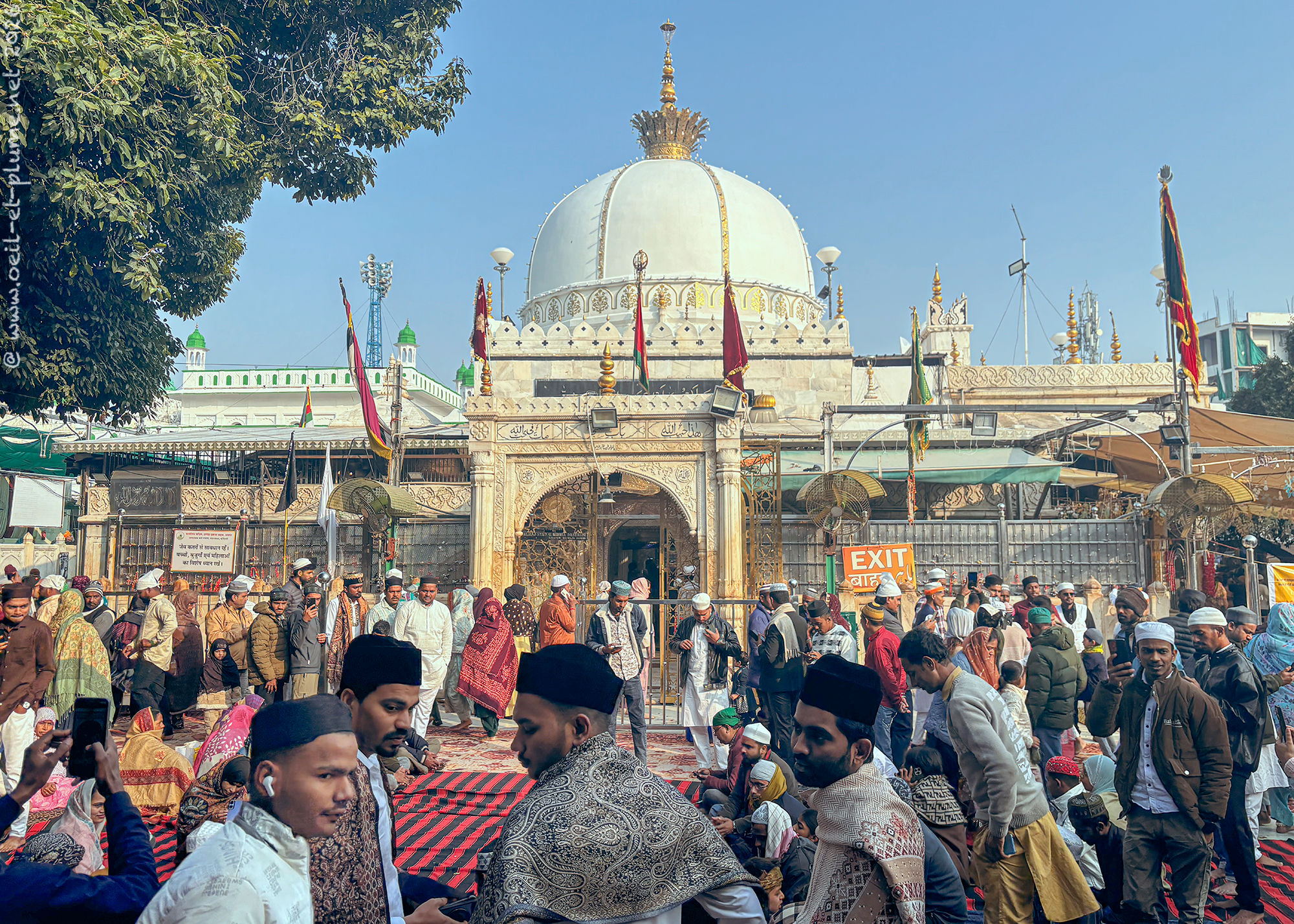
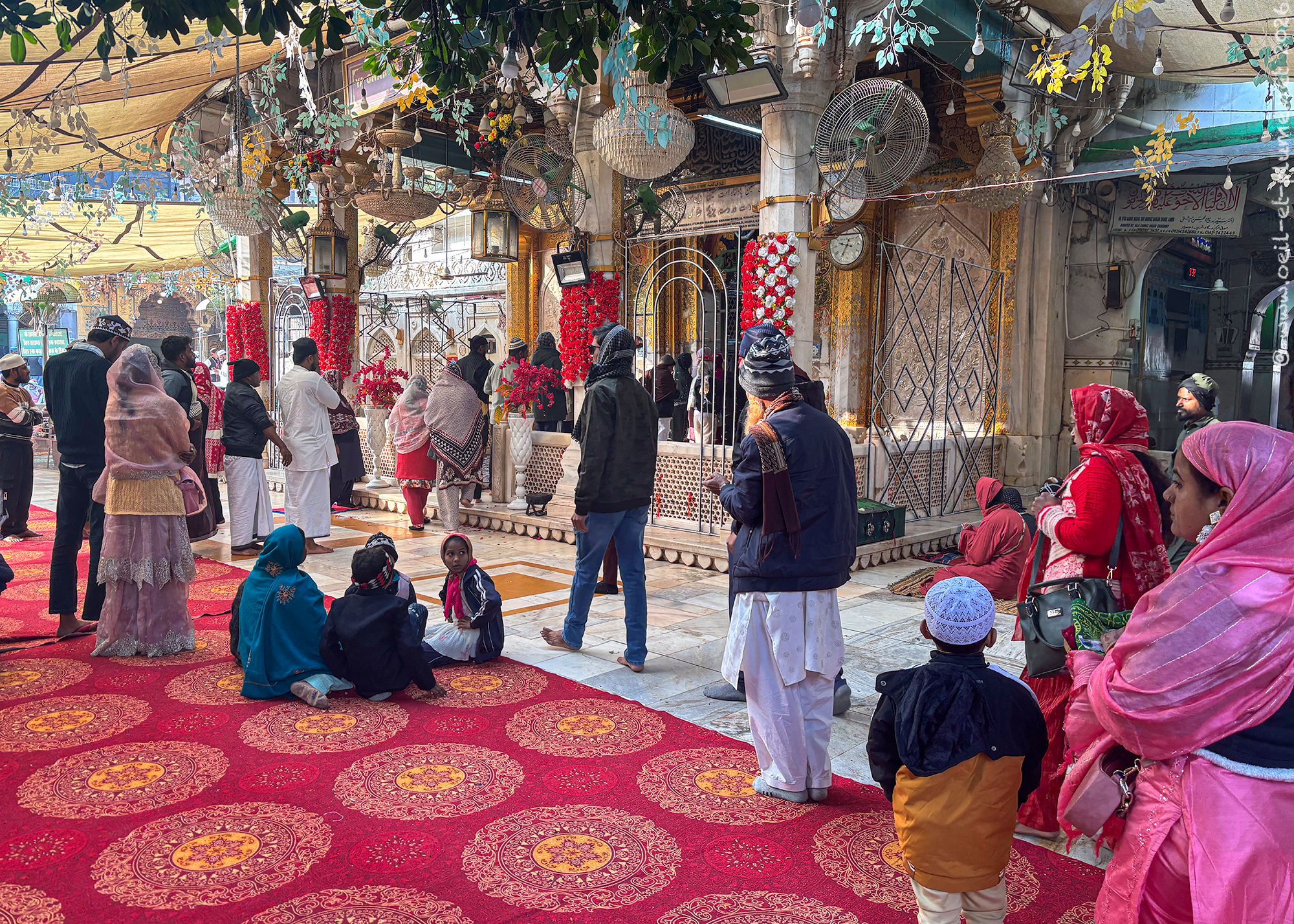
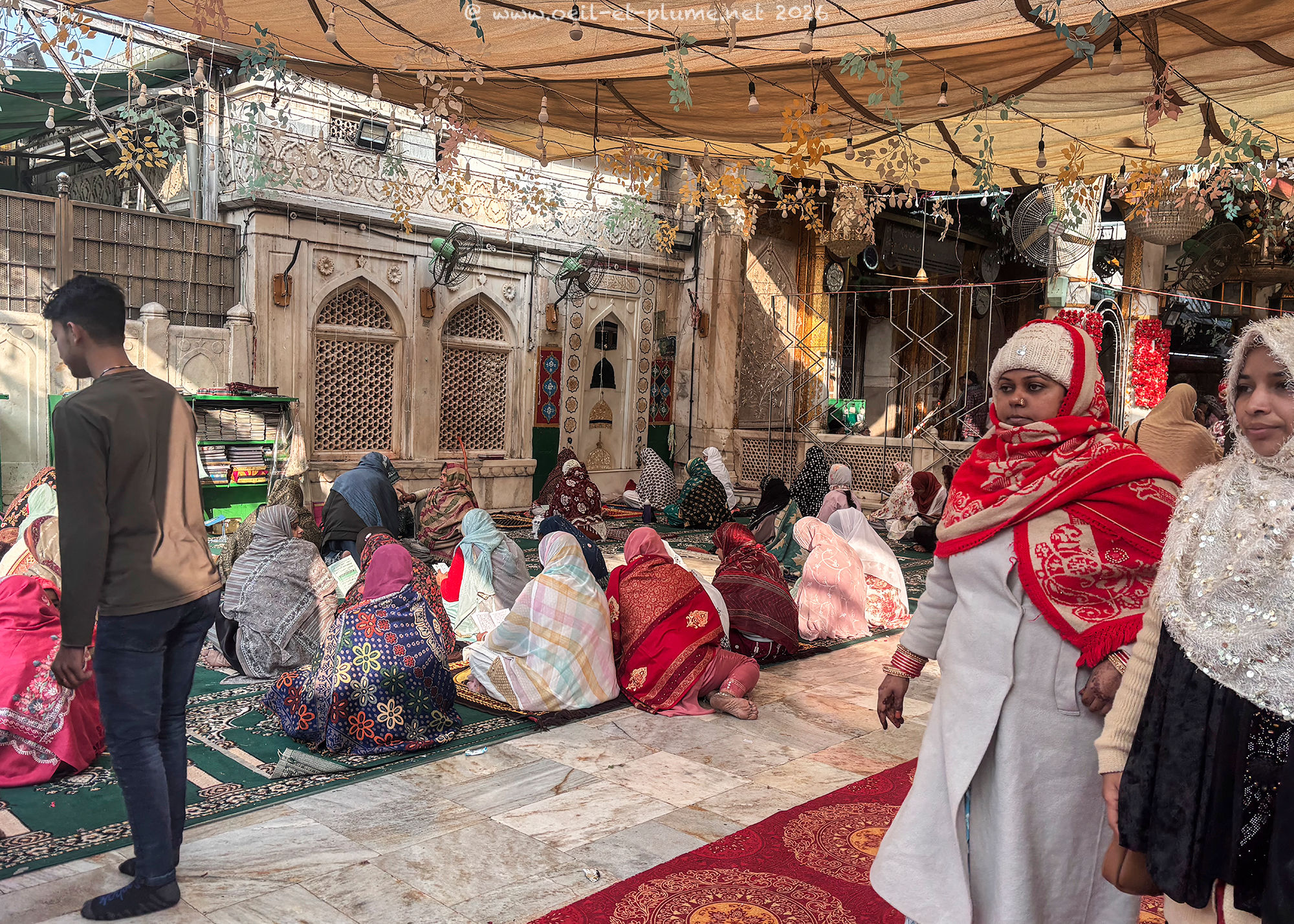
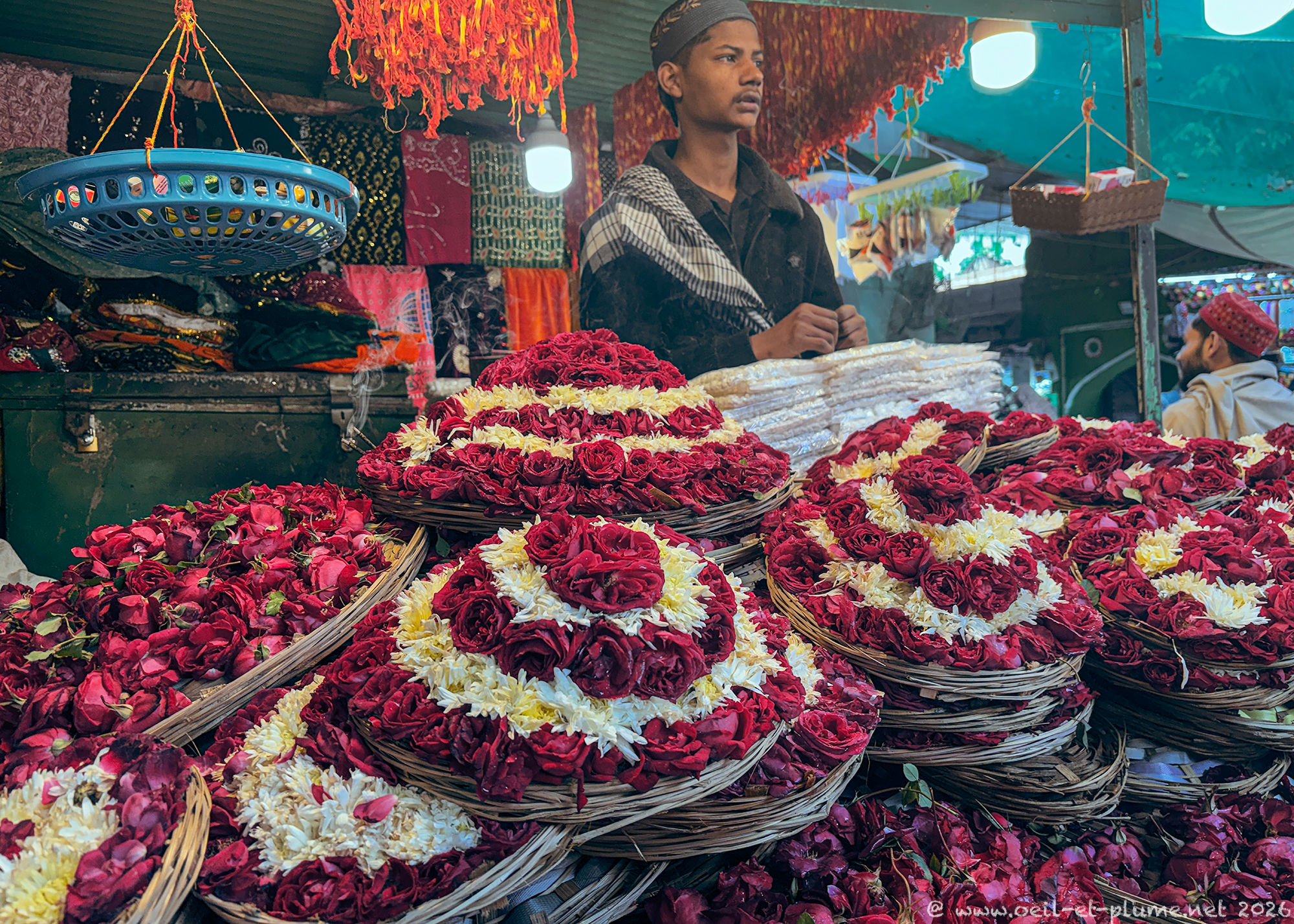
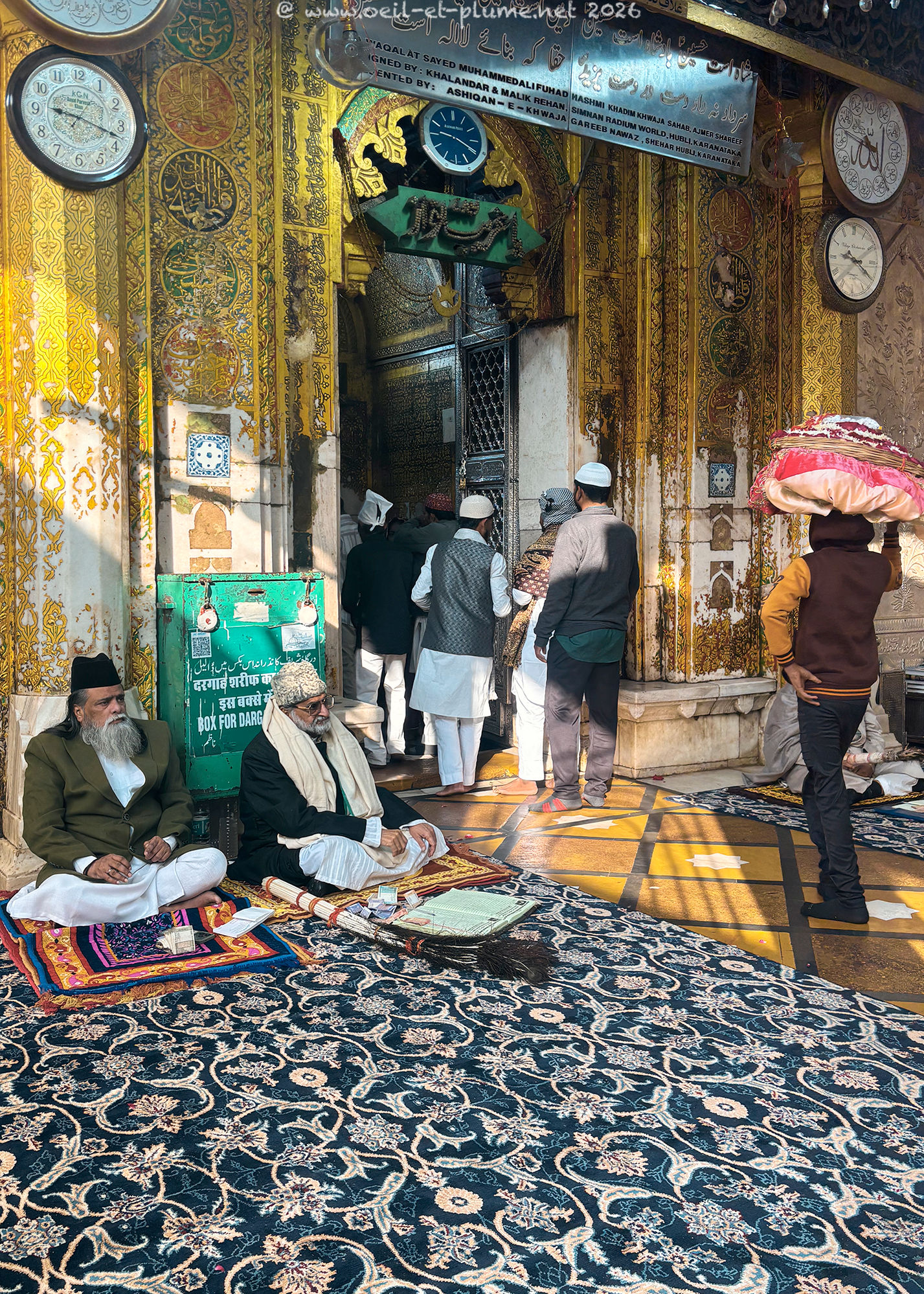
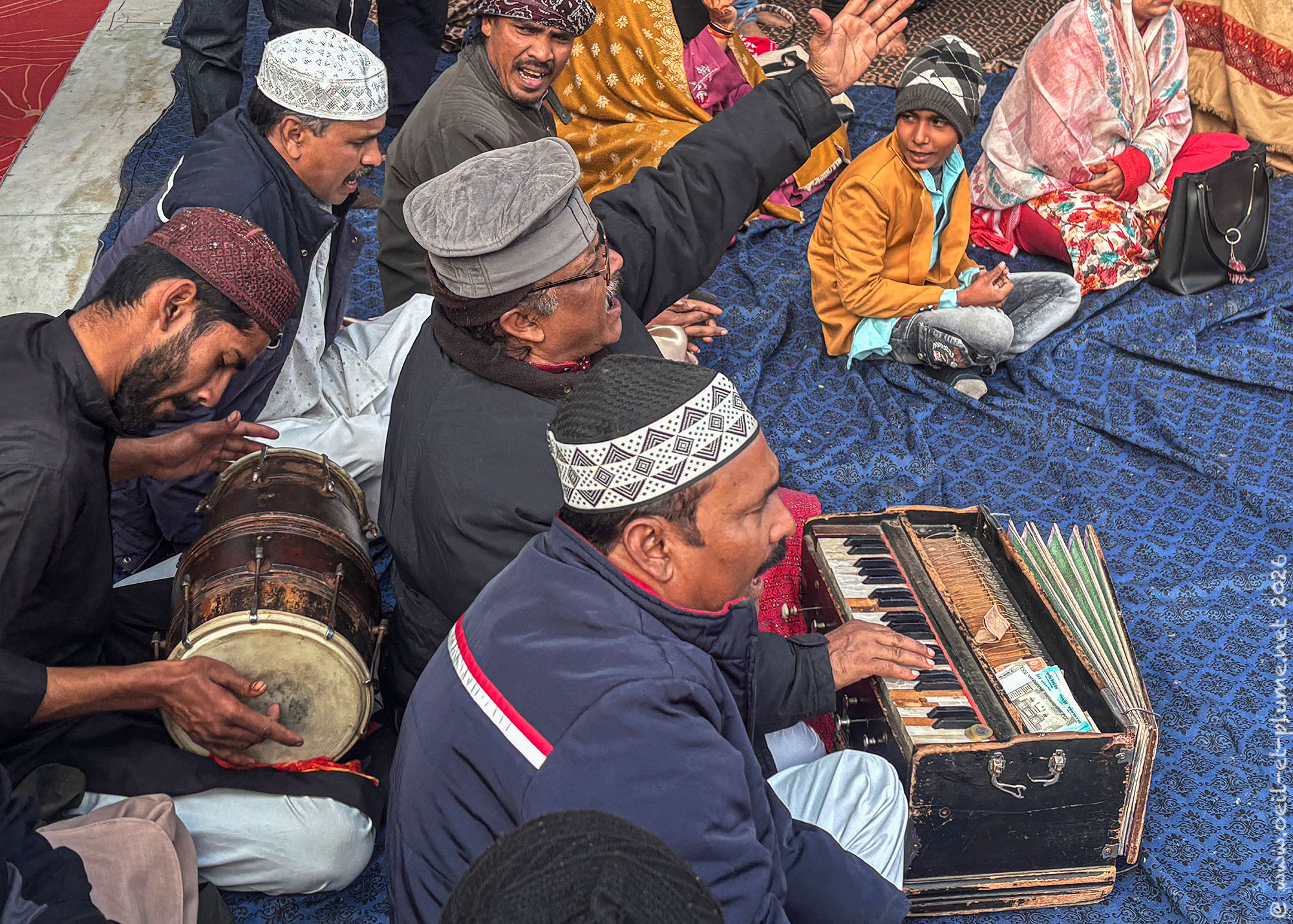
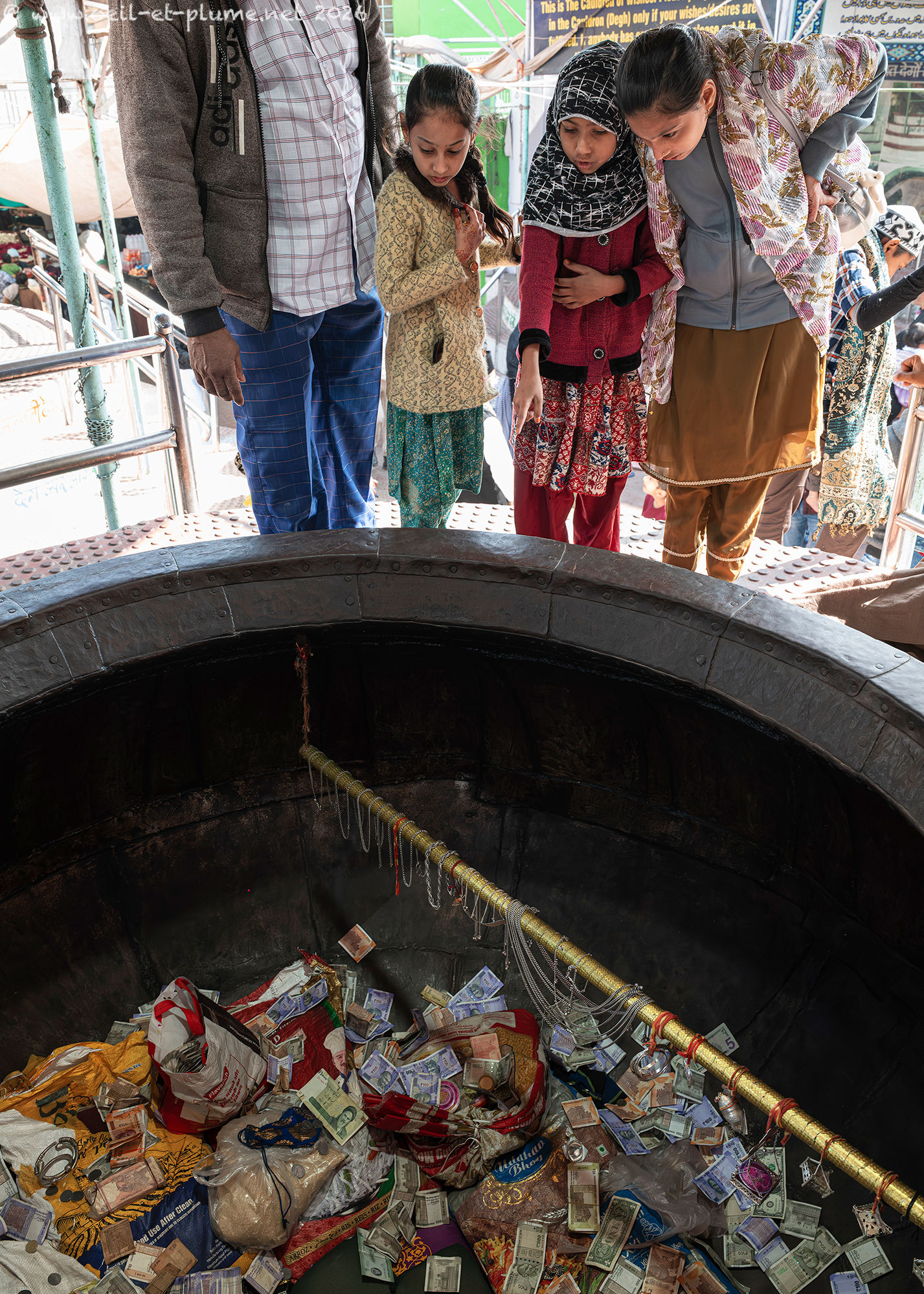
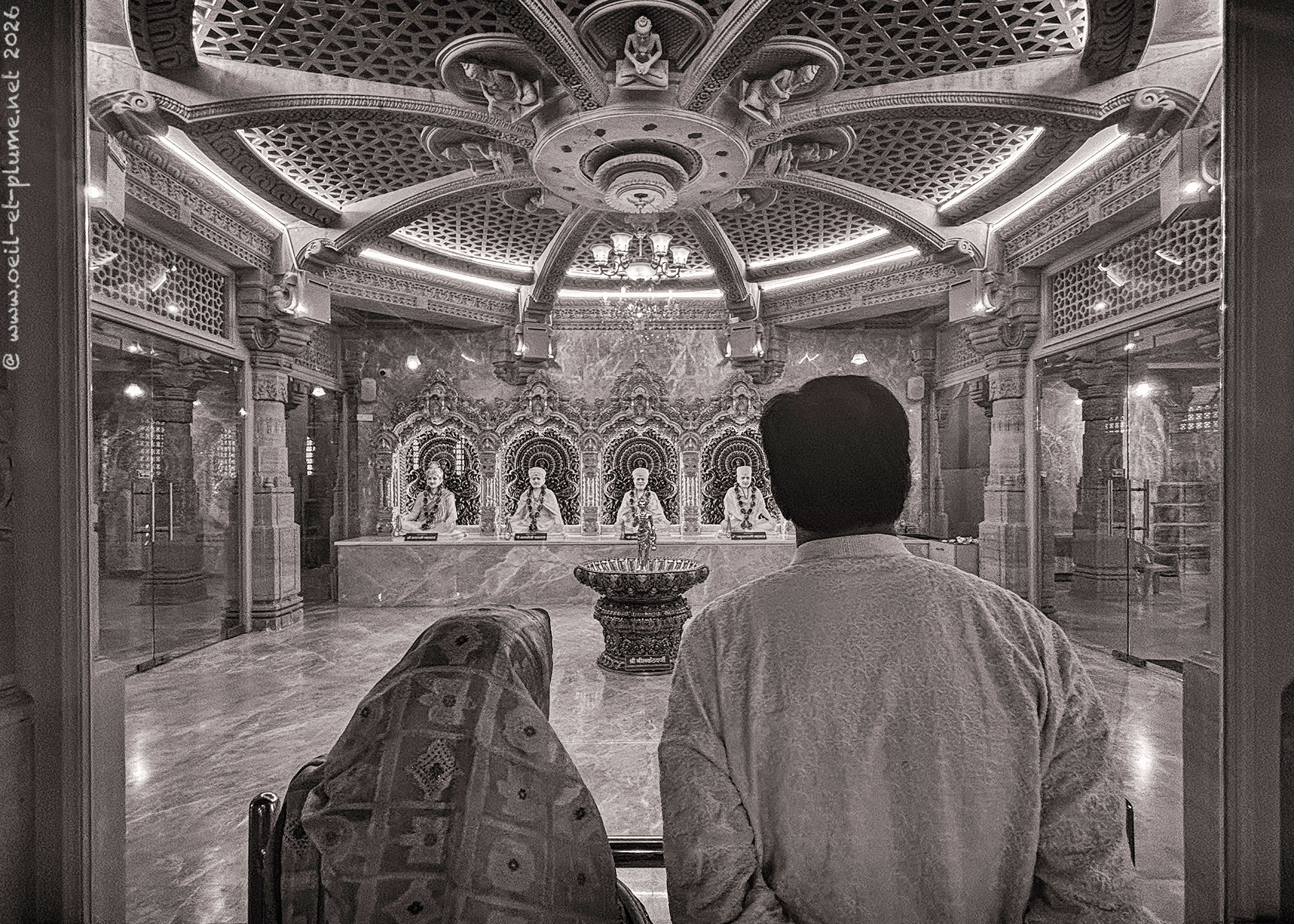
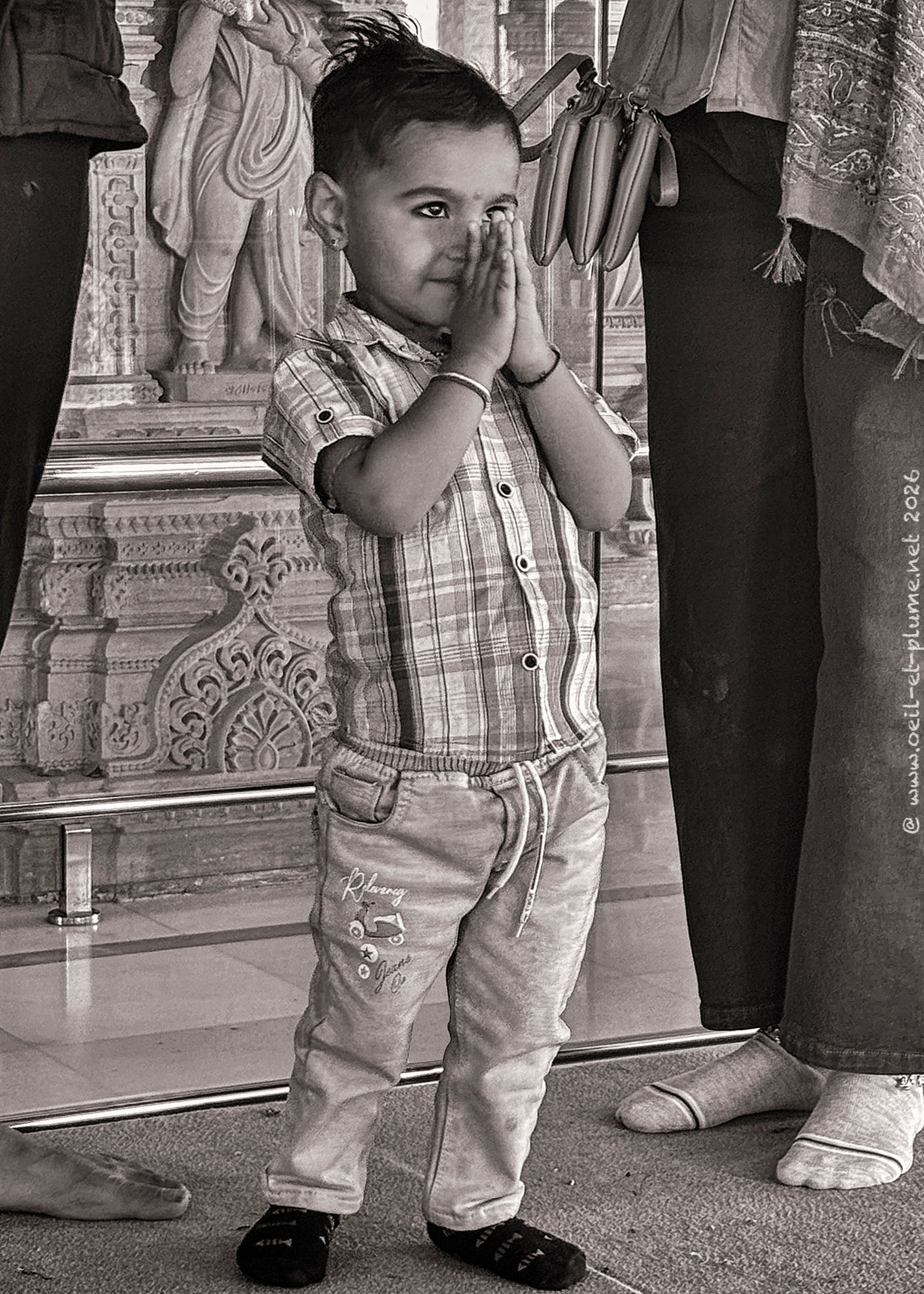
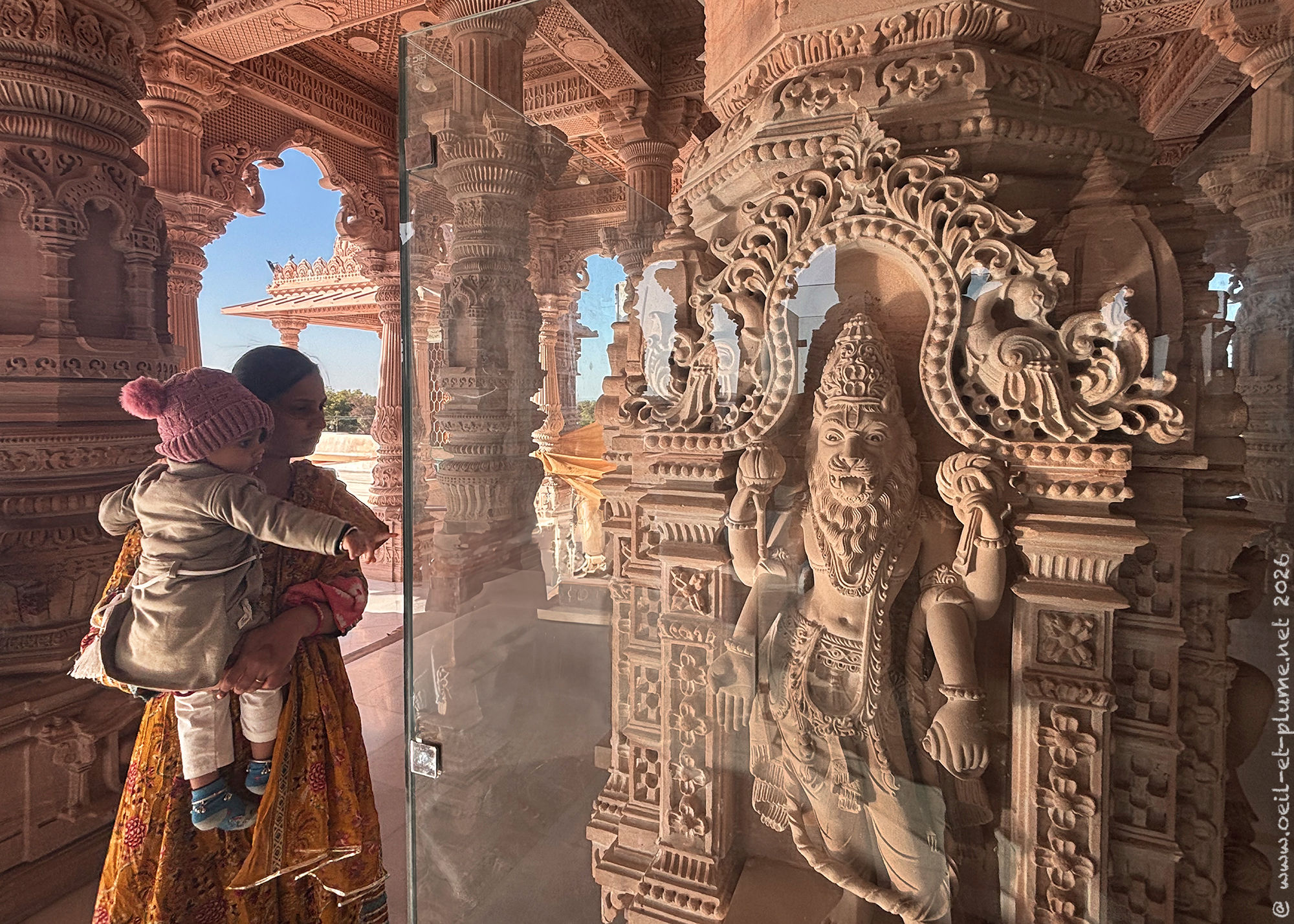
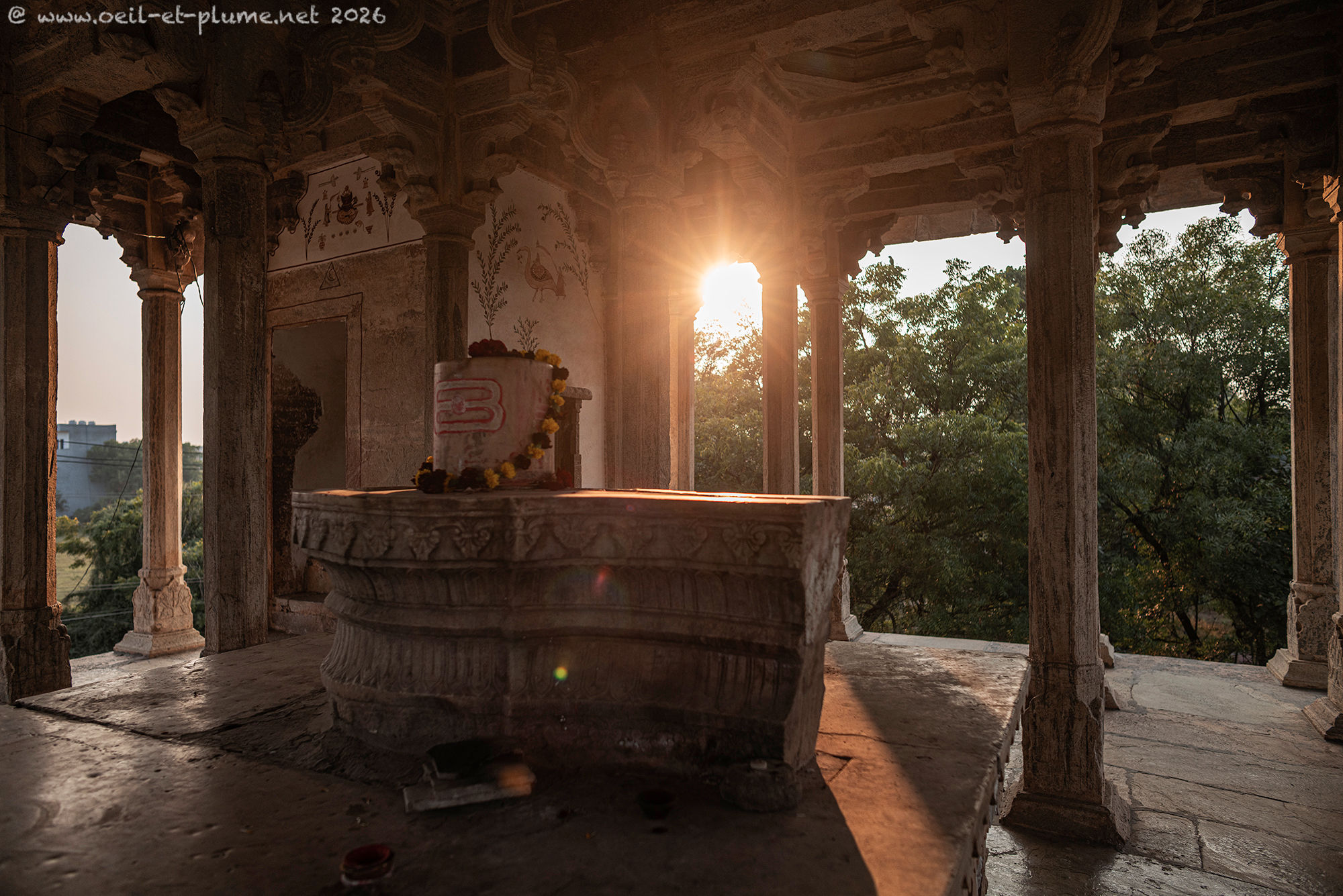
For many of those pictures, I would have a specific story to tell you about their context, my aim and my feelings. To avoid flooding you with words, I will evoke only one anecdote related to my visit to the tomb of India’s most famous Sufi saint in Ajmer.
To enter the sacred place as foreigner and non-Muslim and to create portrait photographs of devotees there is not straightforward. However, I managed. The only unpleasant incident of the visit occurred at the exit door. My slippers had gone during my visit, so that I walked barefoot back to my hotel across the town. According to local wisdom, one’s bad luck goes away with the looted shoes. Thus, I celebrated rather than deplored my loss.
I trust that you have enjoyed the visual, emotional and spiritual journey. My next posts will explore traditional architecture, handicraft and street life in Rajasthan.
Cheers,
