
Home, sweet home. After decades of globetrotting, I have recently settled more permanently in my home in Sion, in the Swiss Alps. I will certainly continue to travel, but no longer within the framework of extended professional assignments. Travelling on my own terms is deeply appealing. It does not necessarily mean going far; it can simply involve looking at one’s immediate surroundings with fresh eyes. That is precisely what I did upon returning home.
Iced fragrance
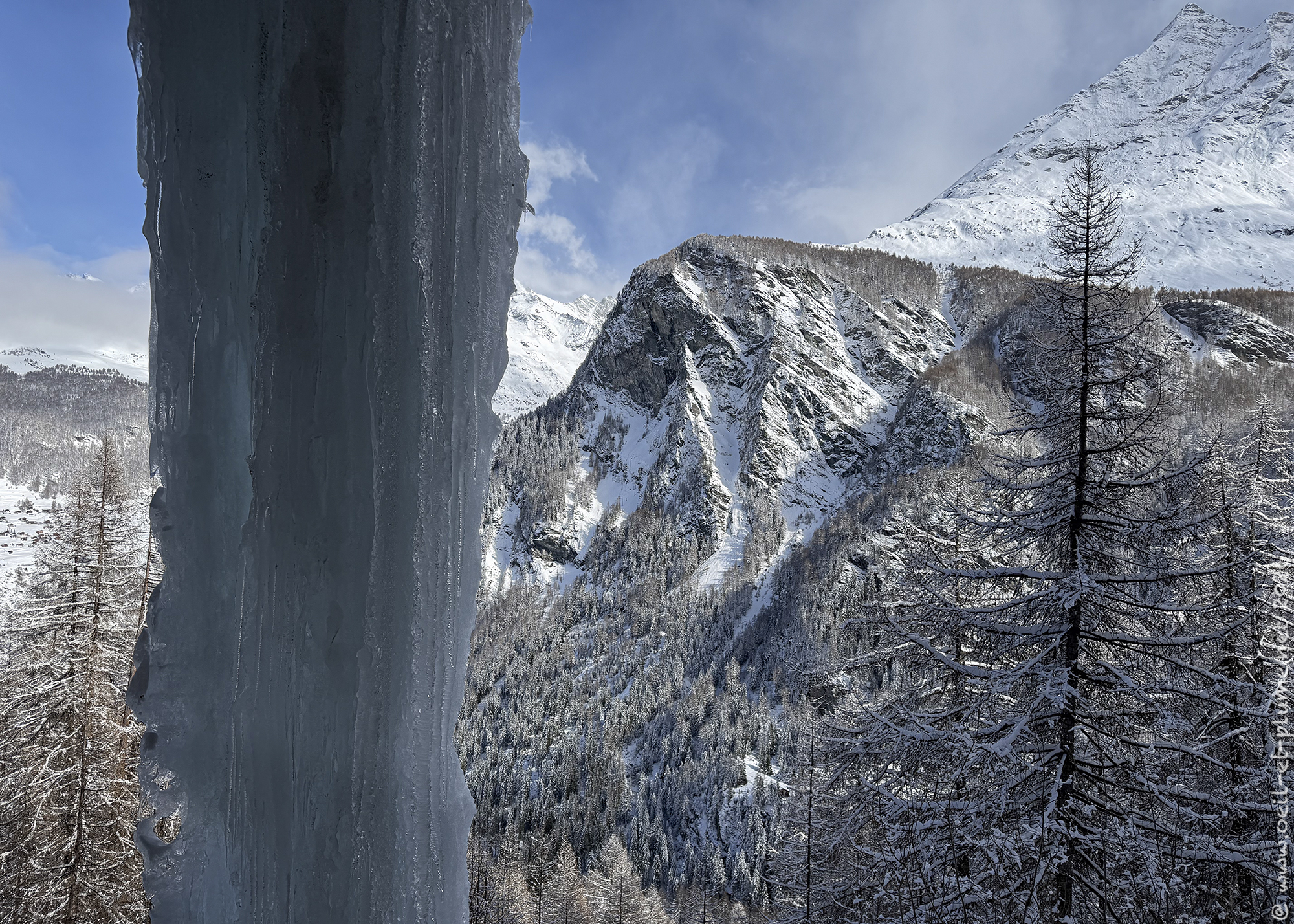
In mid-March, the Valais climate was in transition, hesitating between winter and spring. Climatic conditions varied widely depending on altitude and even from one day to the next. High in the mountains, winter still reigned, with snow powdering the landscape. The cold remained sharp enough to freeze waterfalls, transforming them into striking icy cascades.
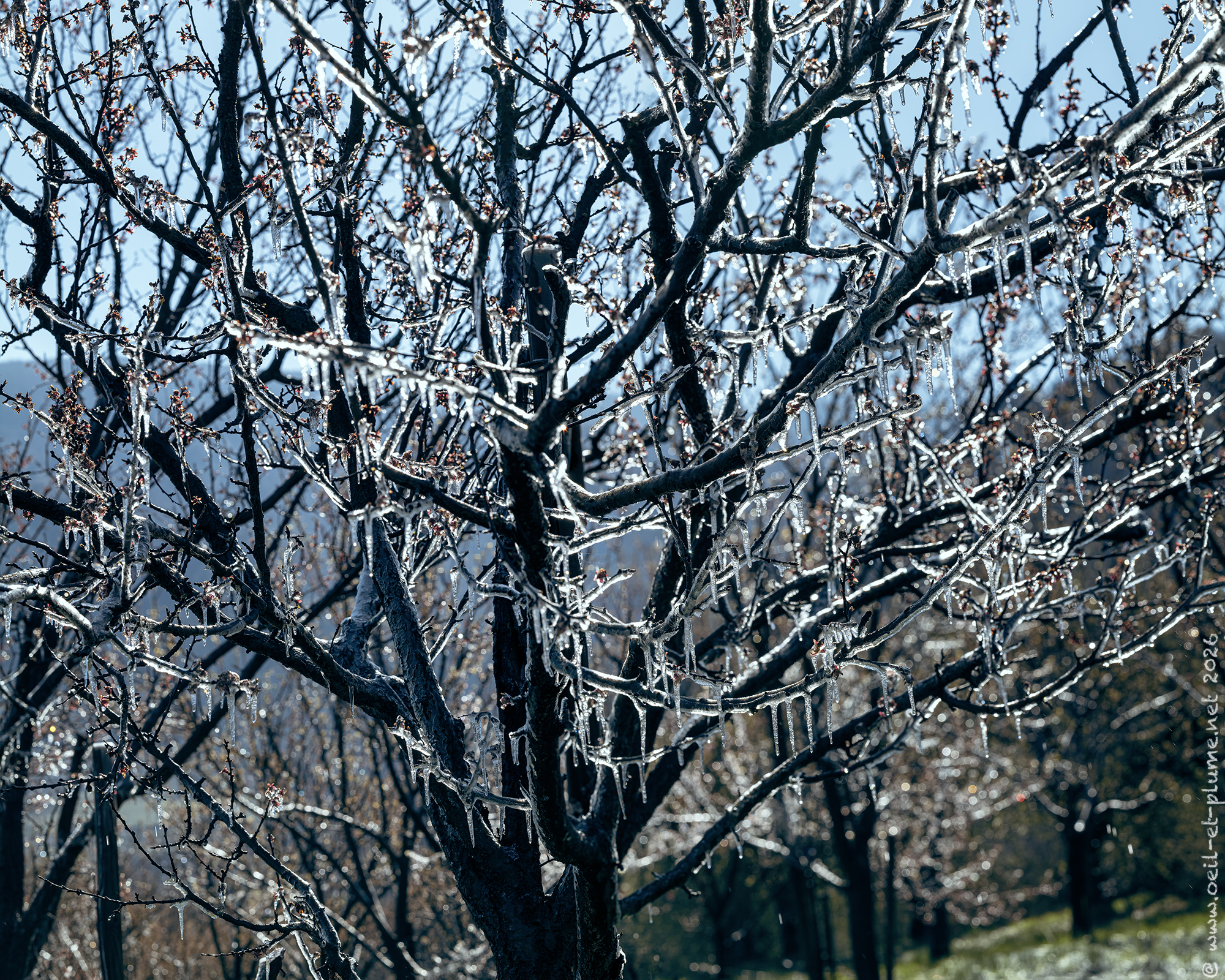
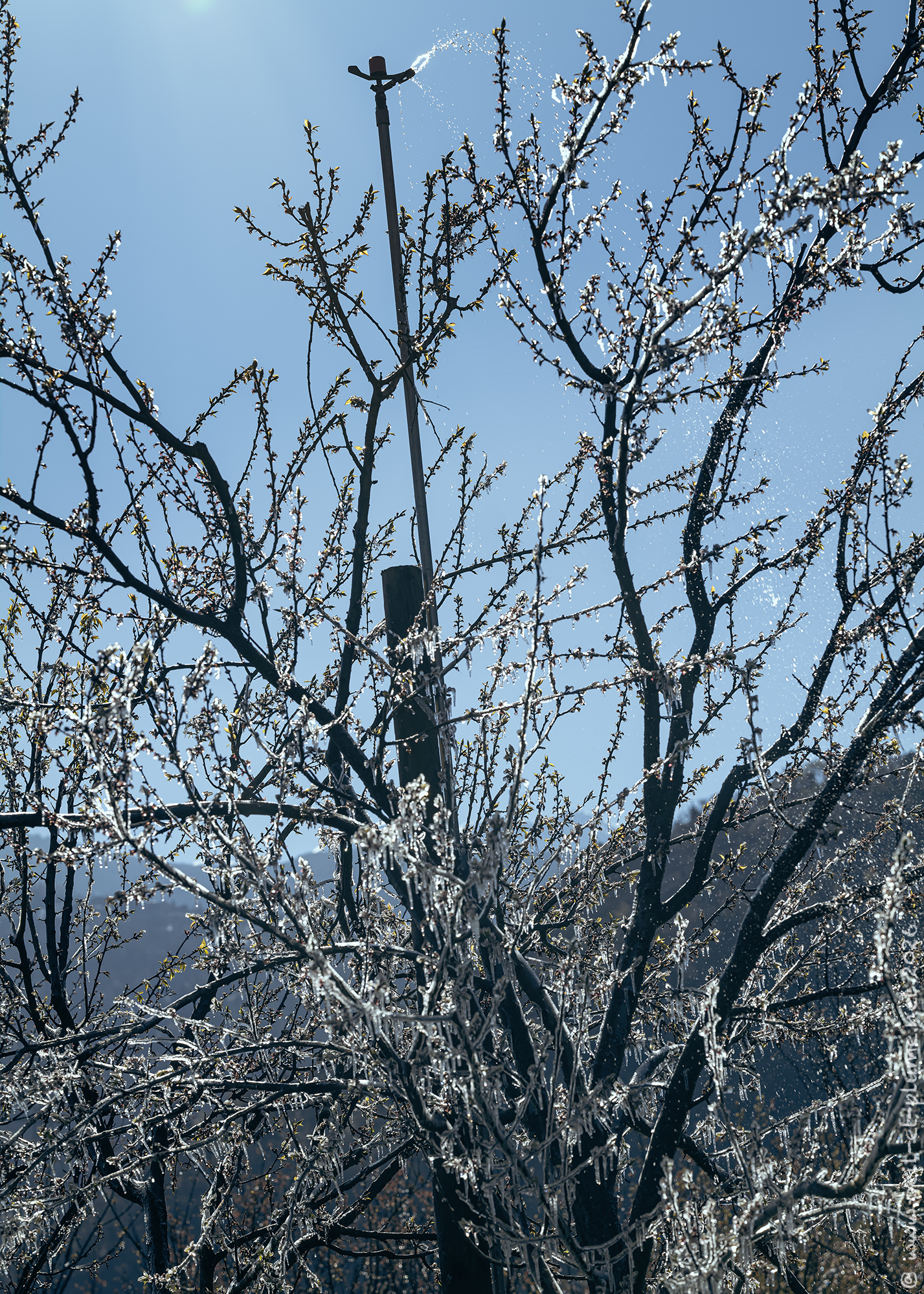
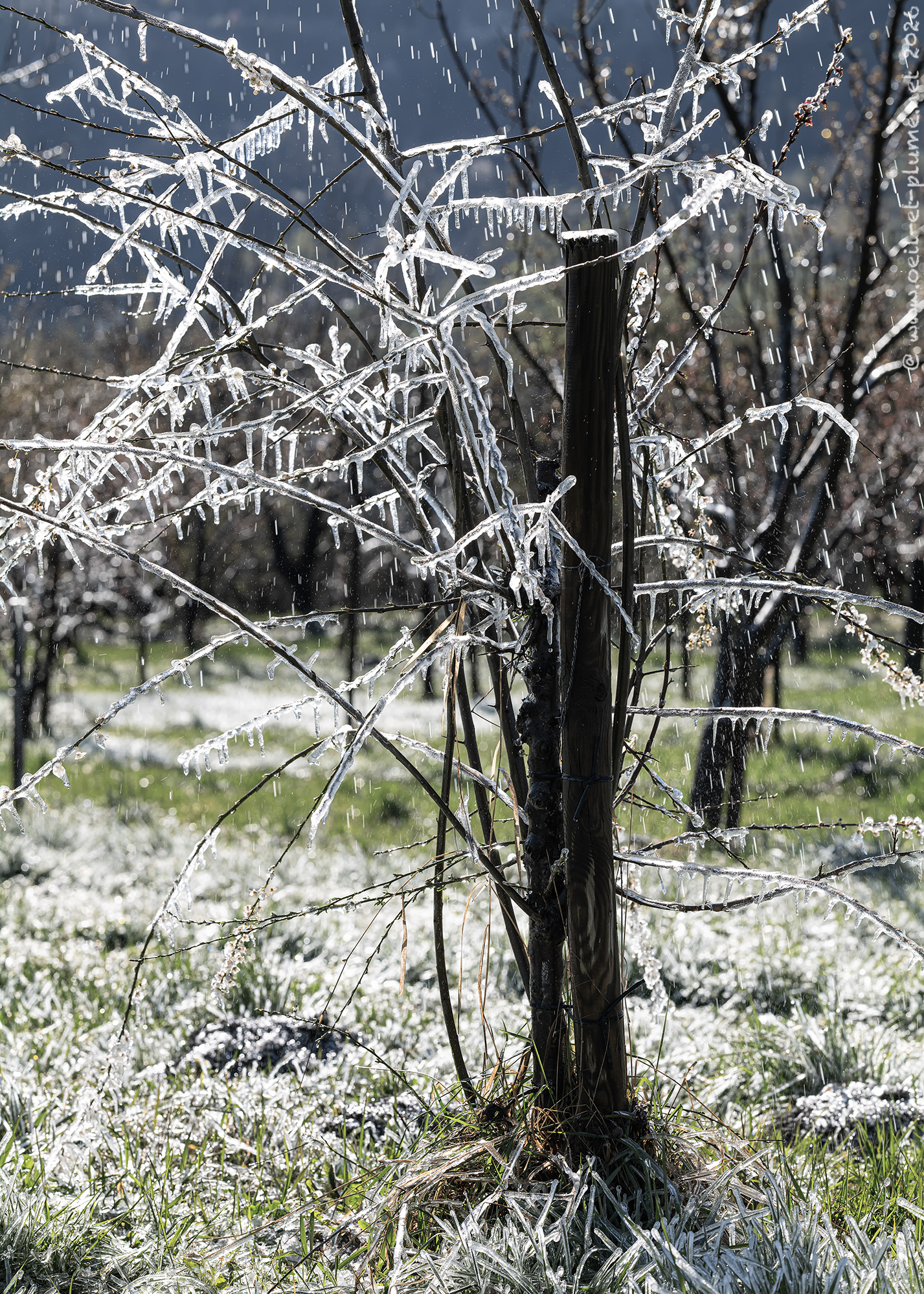
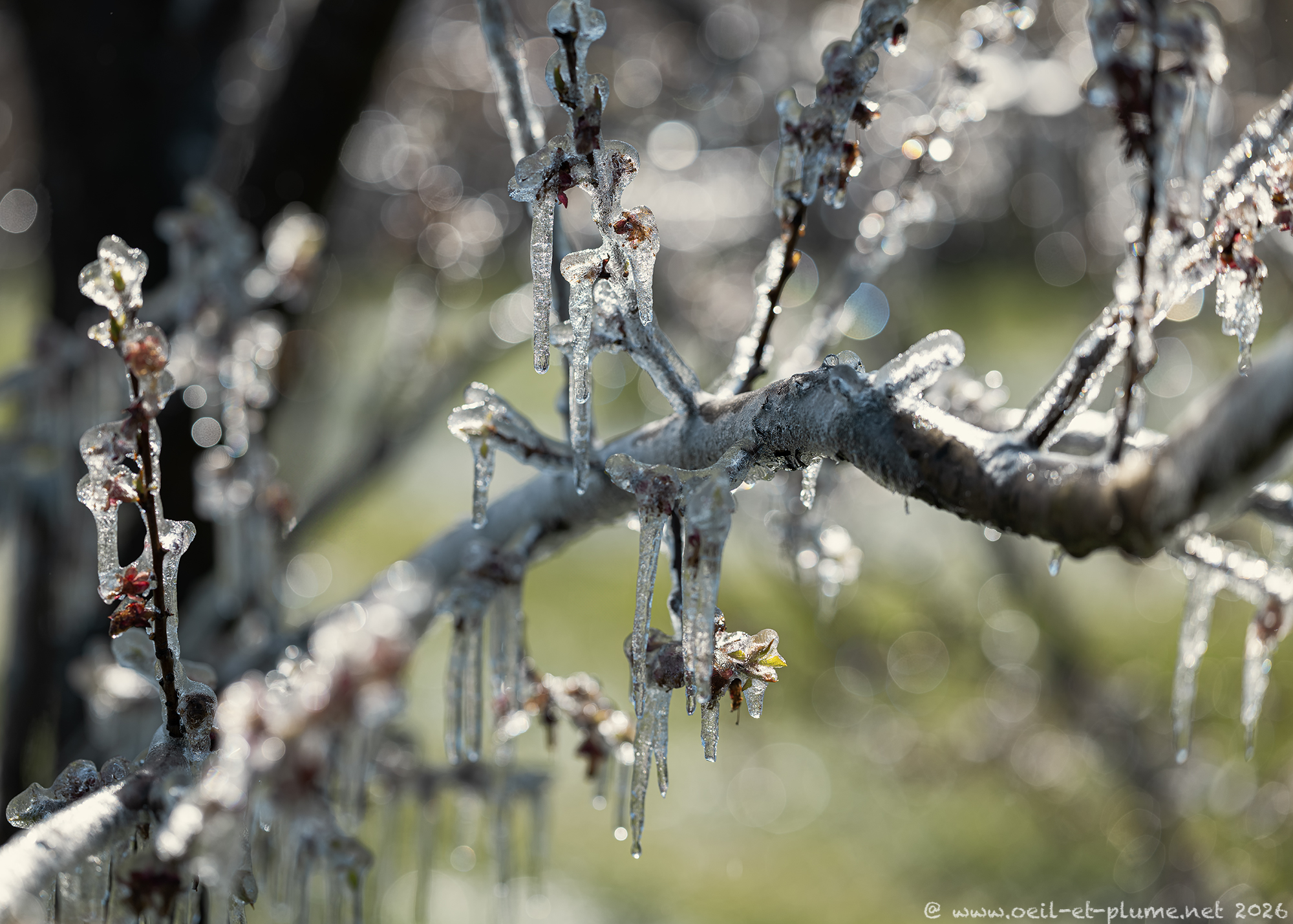
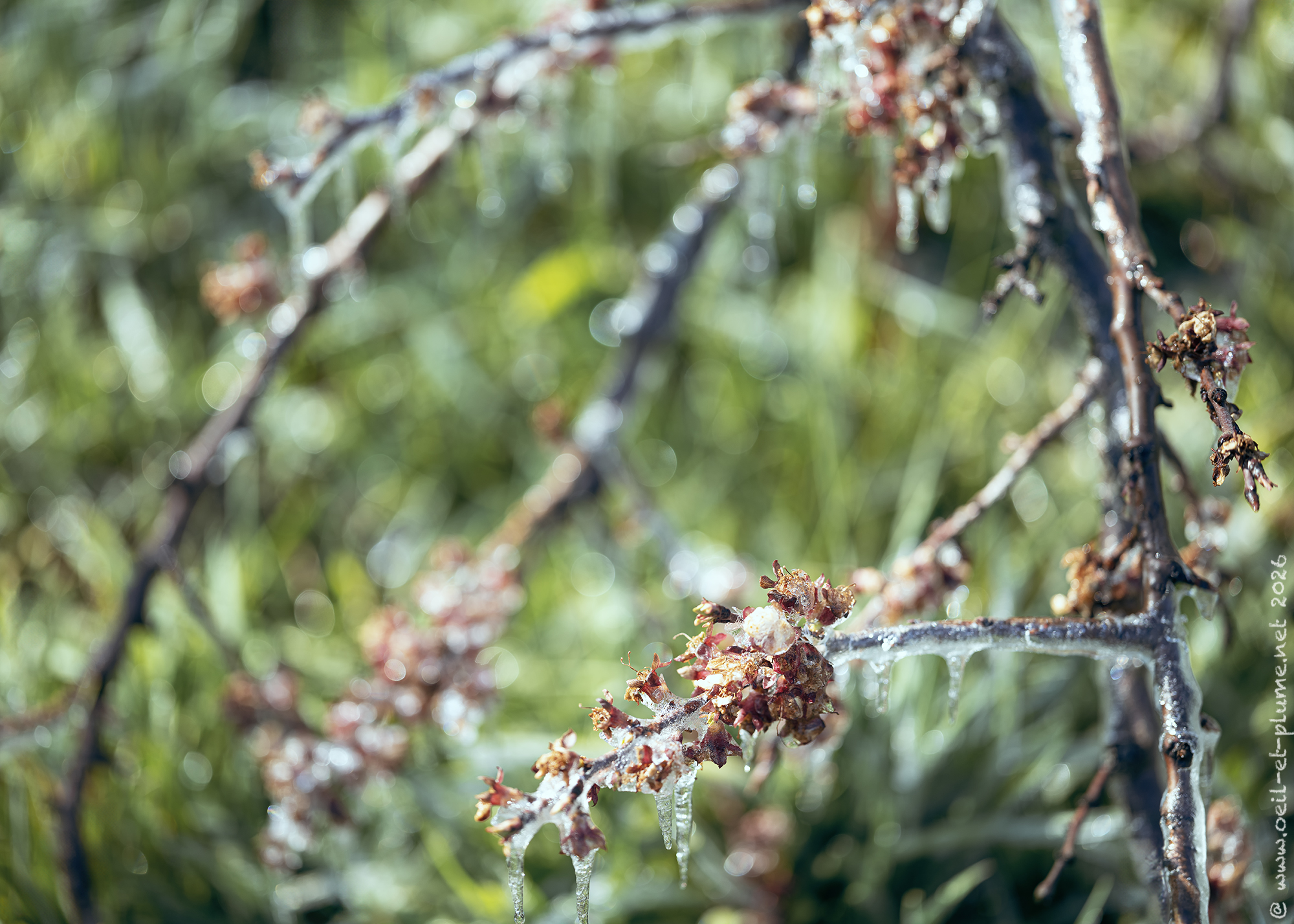
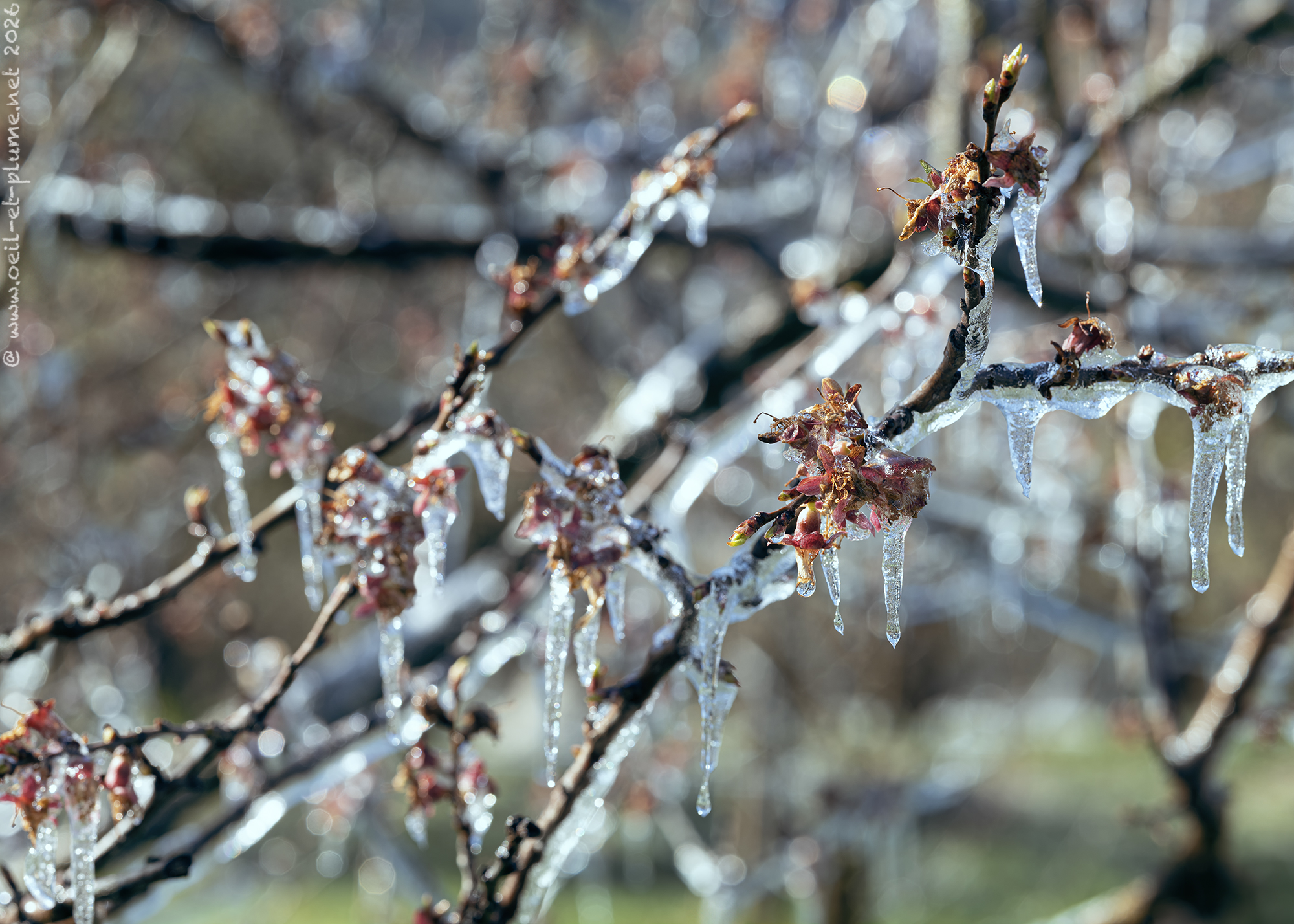
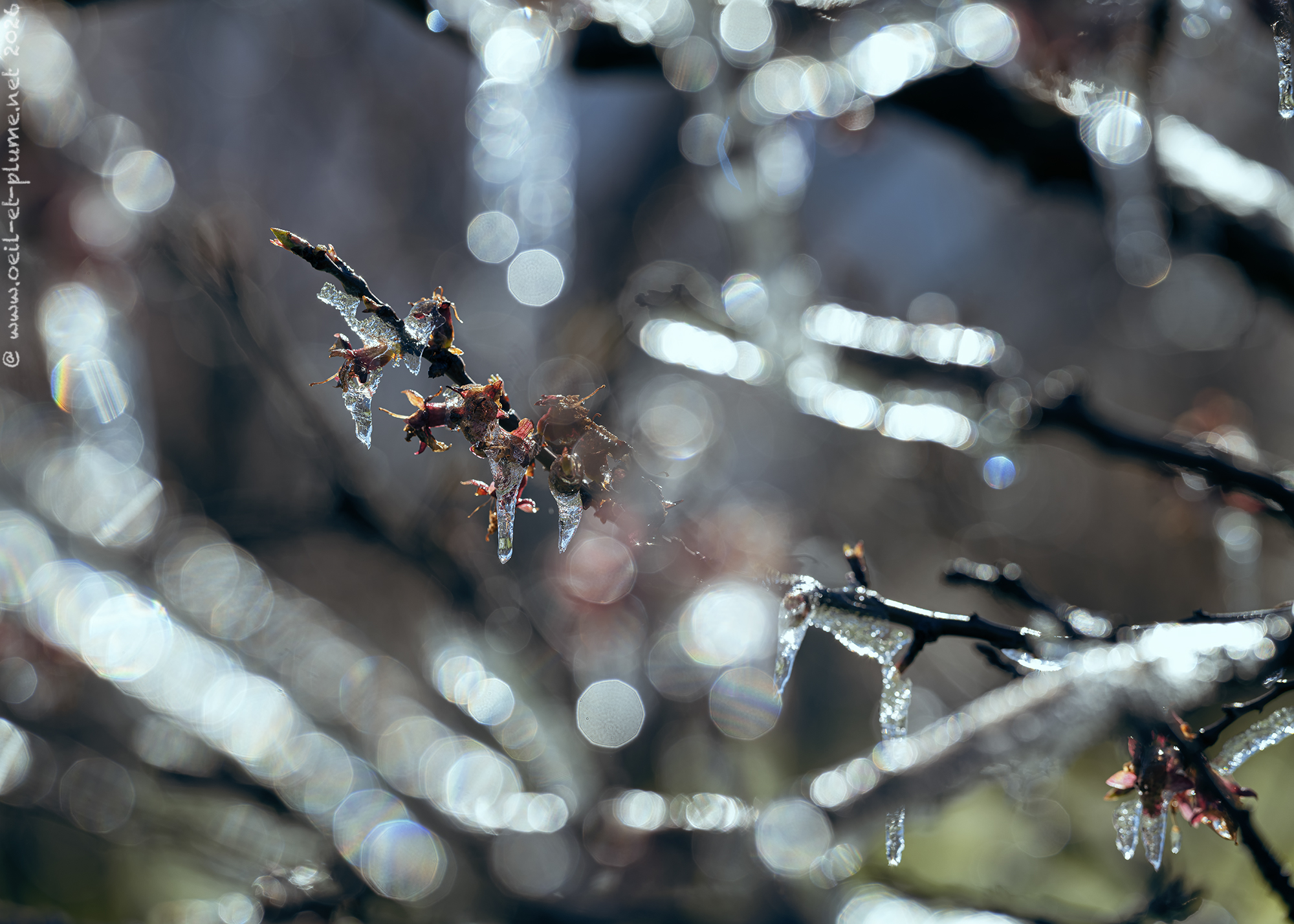
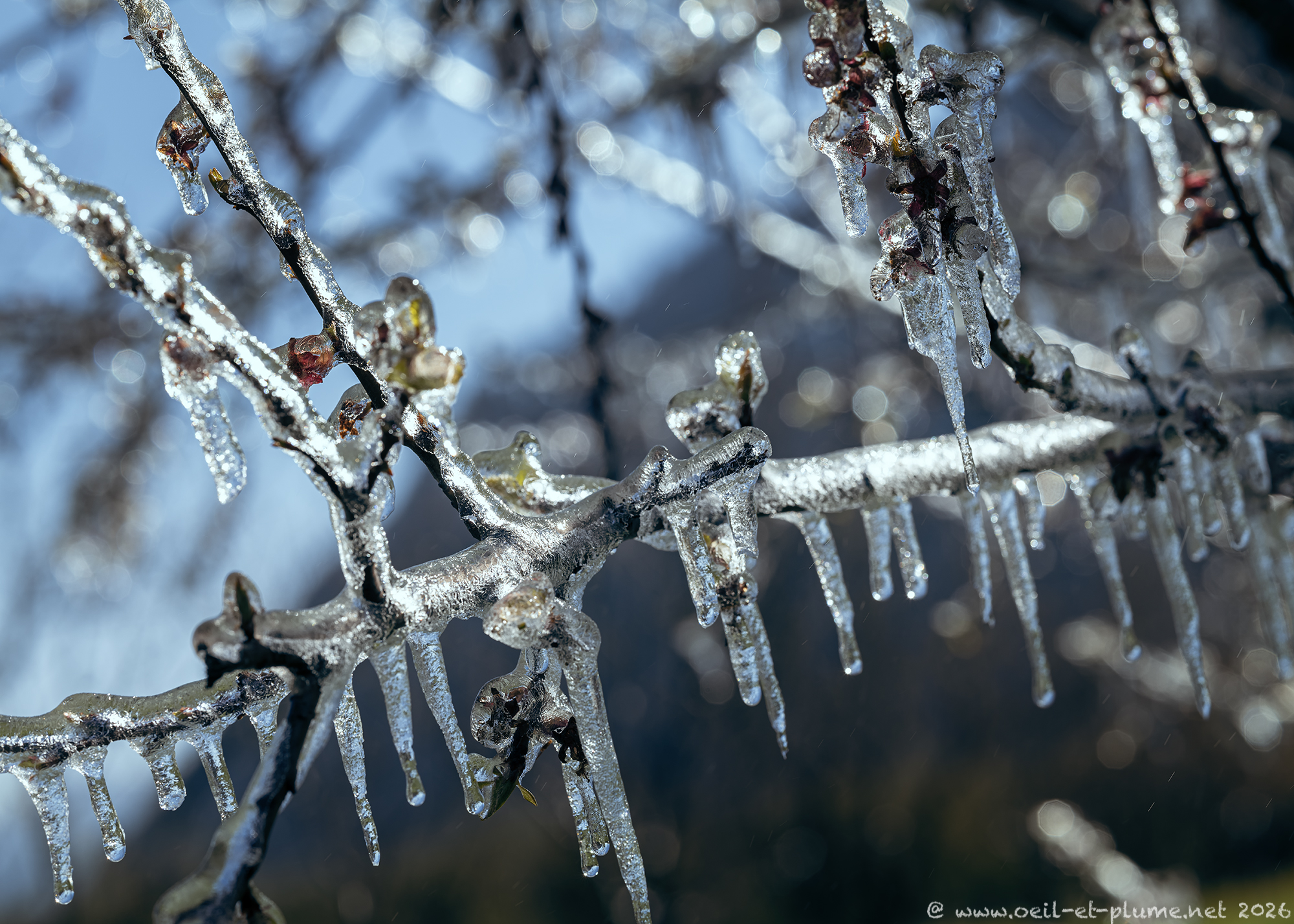
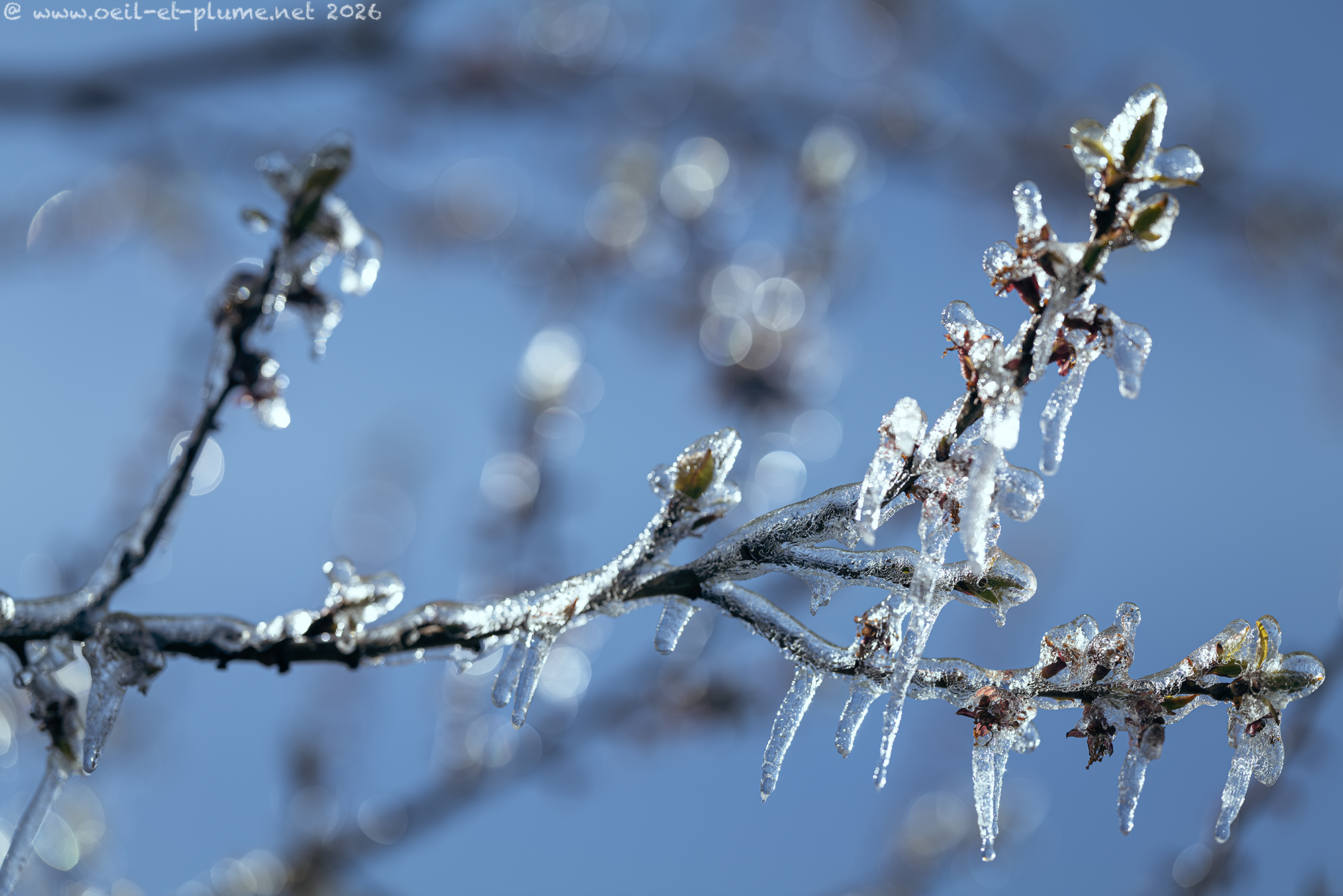
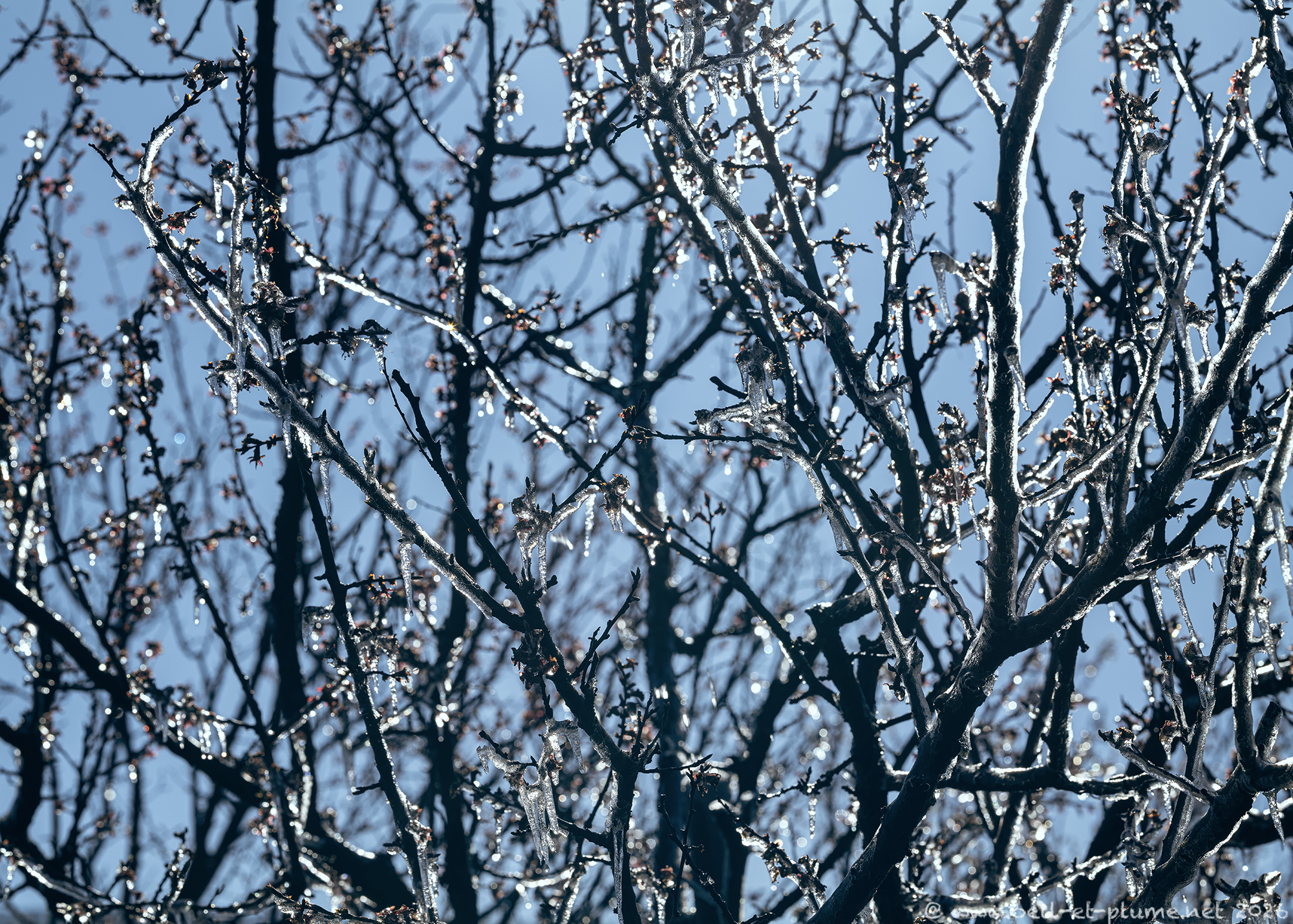
Much lower down, in the Rhône plain, ice could also be found—though for entirely different reasons. Paradoxically, ice can serve as protection against extreme cold. This is particularly true for the delicate buds of fruit trees such as apricot and apple.
When an unusually cold night follows a spell of mild weather, farmers deliberately spray water onto the vulnerable buds, encasing them in a thin layer of ice. Within this icy shell, the buds are shielded and can withstand lower air temperatures than they otherwise could. This technique is often used alongside other protective measures, such as lighting wax candles in the orchards, to help safeguard the upcoming harvest.
I visited an orchard of ice-laden apple trees, gleaming in the bright morning light. The buds, having narrowly survived the freezing night, seemed to celebrate in their crystalline dress—each one catching the sun as if in quiet triumph. Stunningly, they distilled a discrete but exquisite fragrance despite their shell. The scene felt surreal and deeply moving, poised between fragility and resilience, yet radiant with a delicate, almost otherworldly beauty.
Flower perfumes
Close to my home, cascading clusters of purple wisteria (glycine) draped themselves over a pergola spanning an underground pedestrian crossing. The dropping blossoms seemed to bloom and flourish in harmony with the street art that covered the tunnel walls. Their fragrance was so rich and pervasive that passersby would often pause there to breathe it in with quiet delight. So did I.

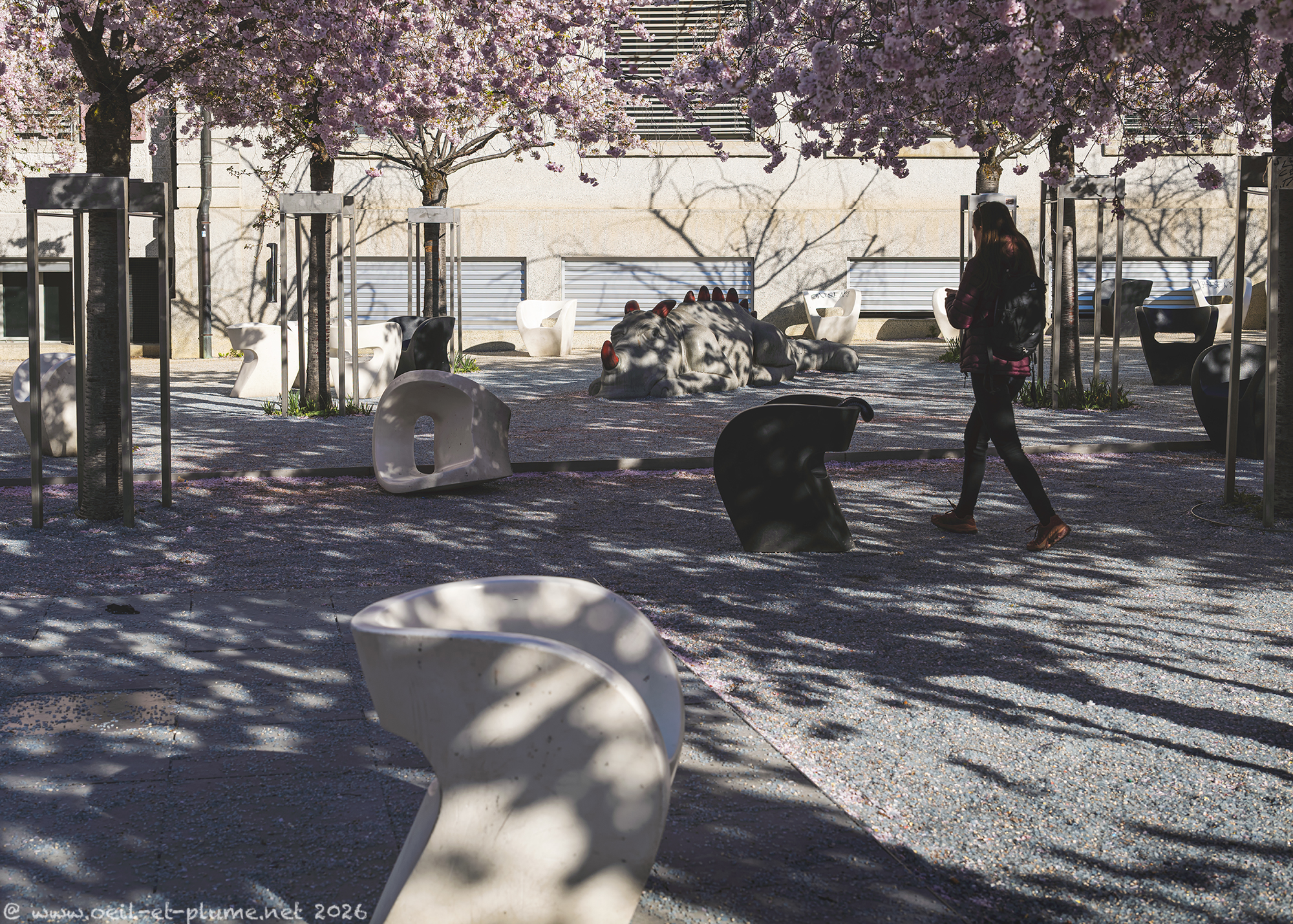
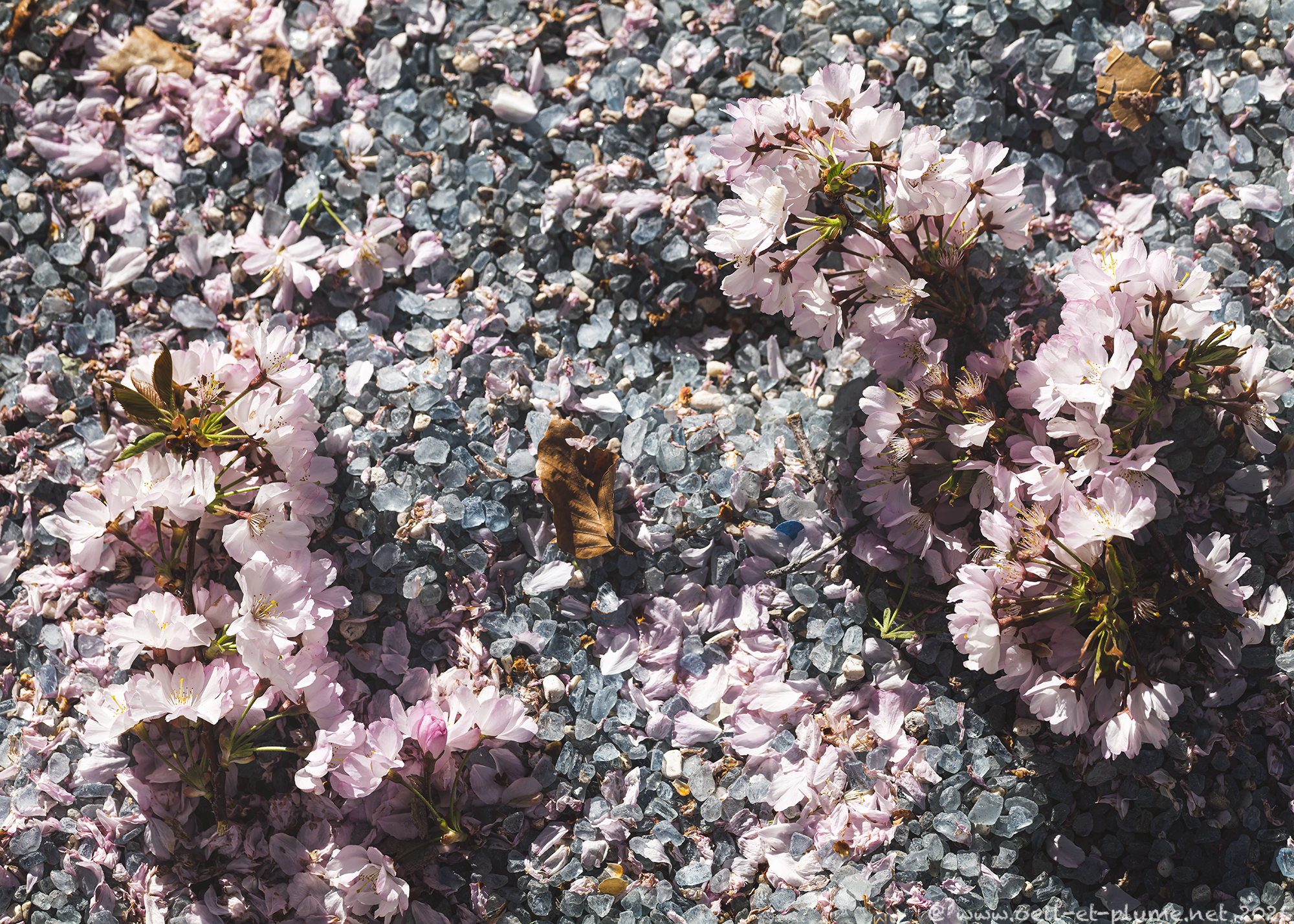
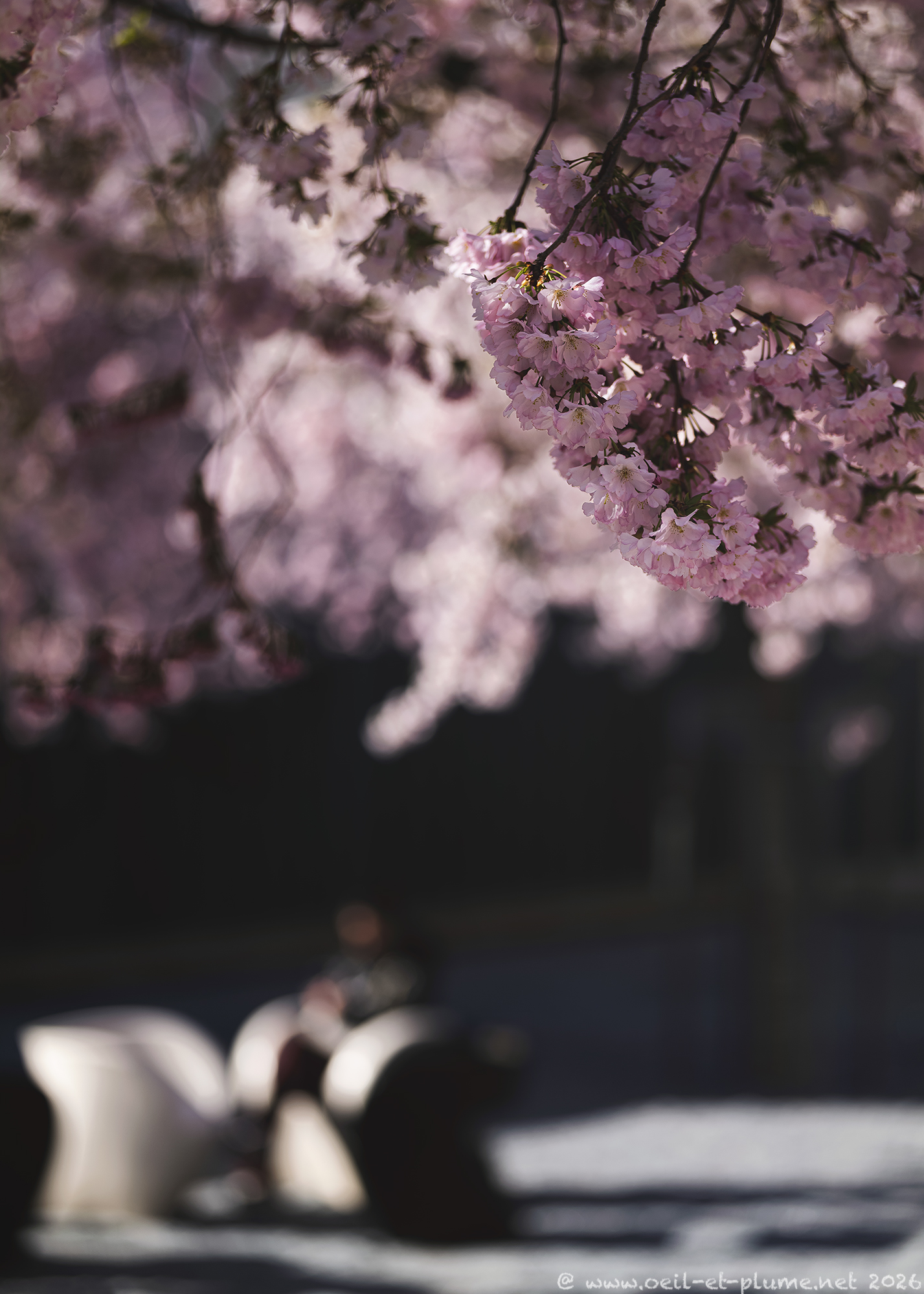
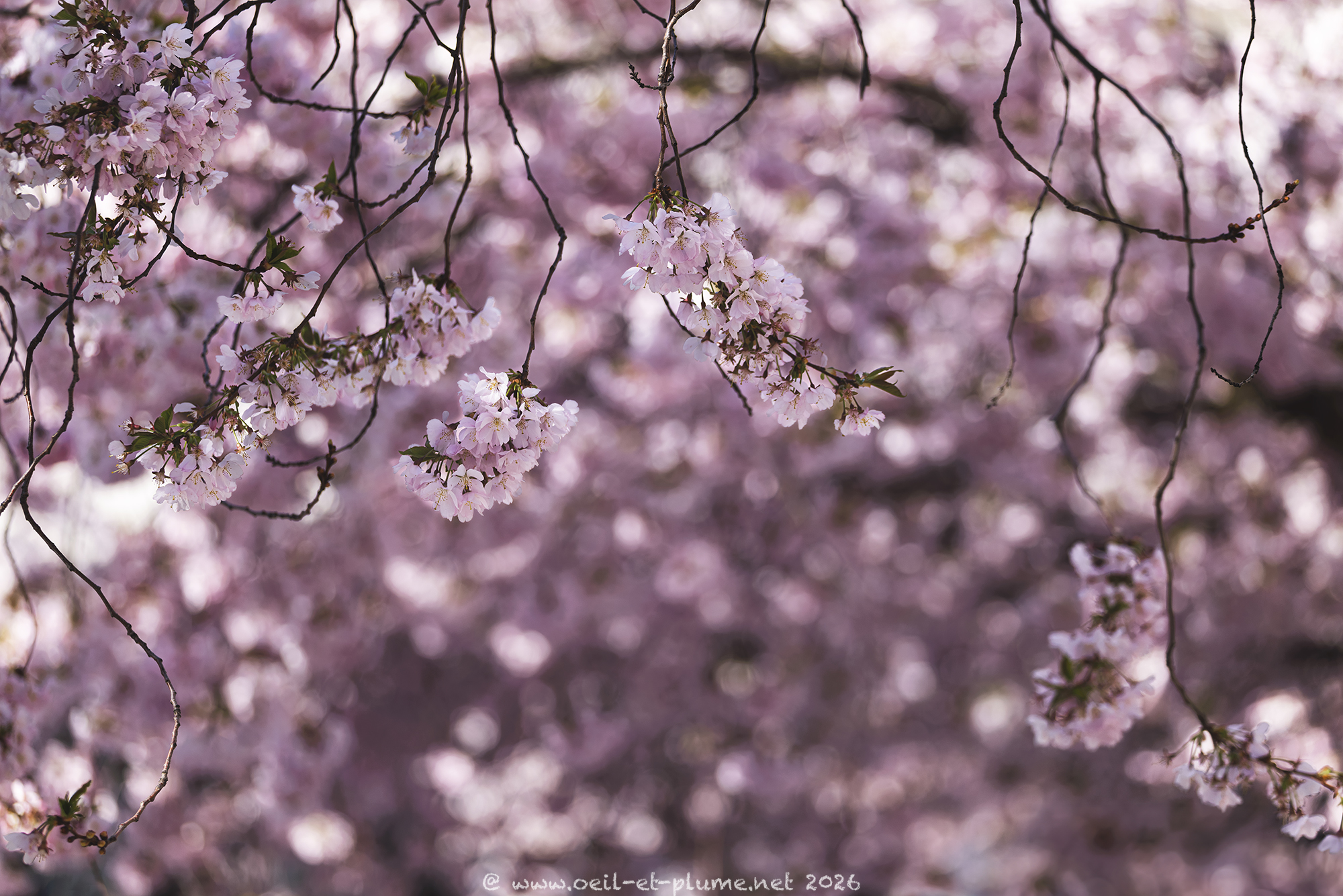
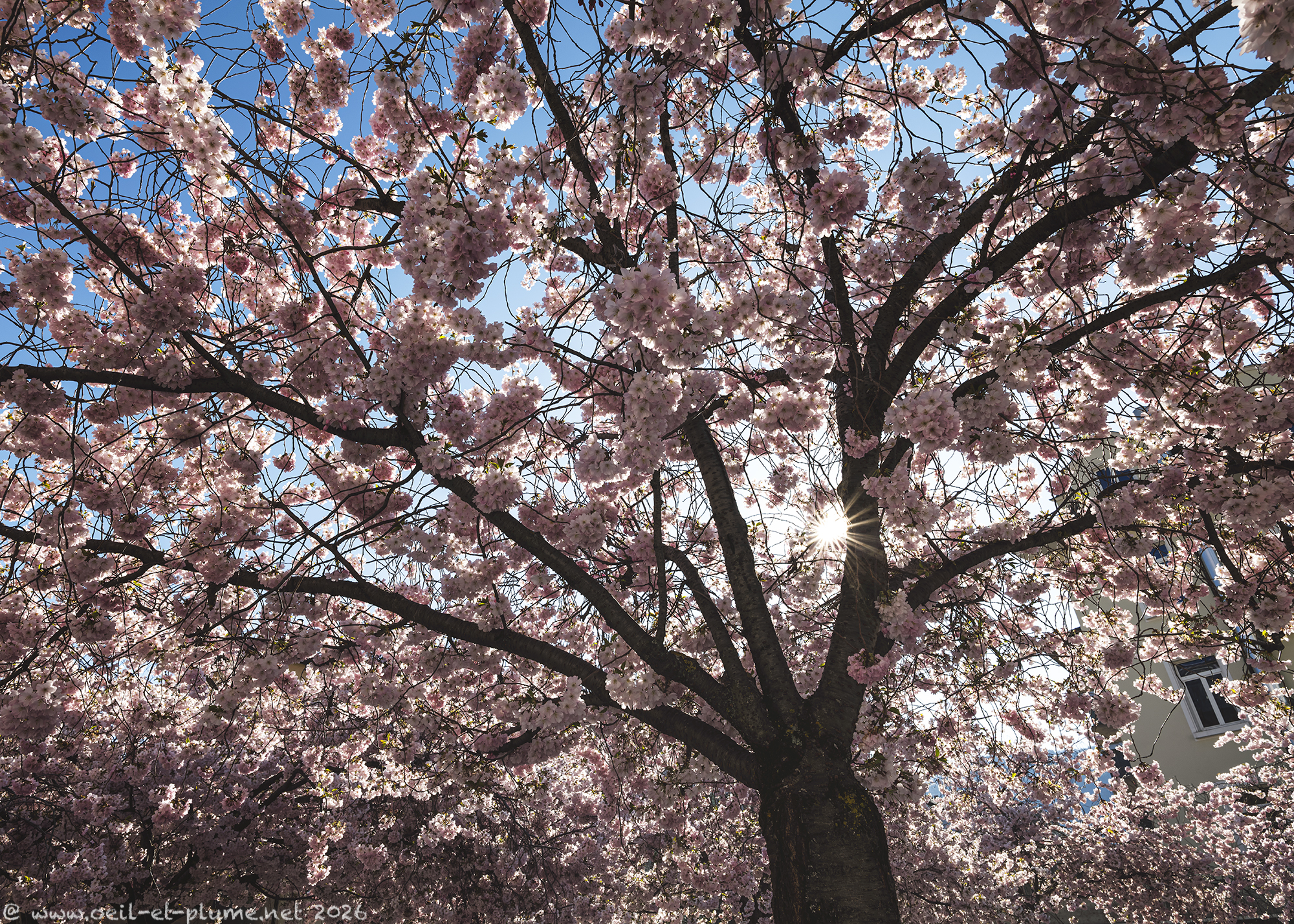
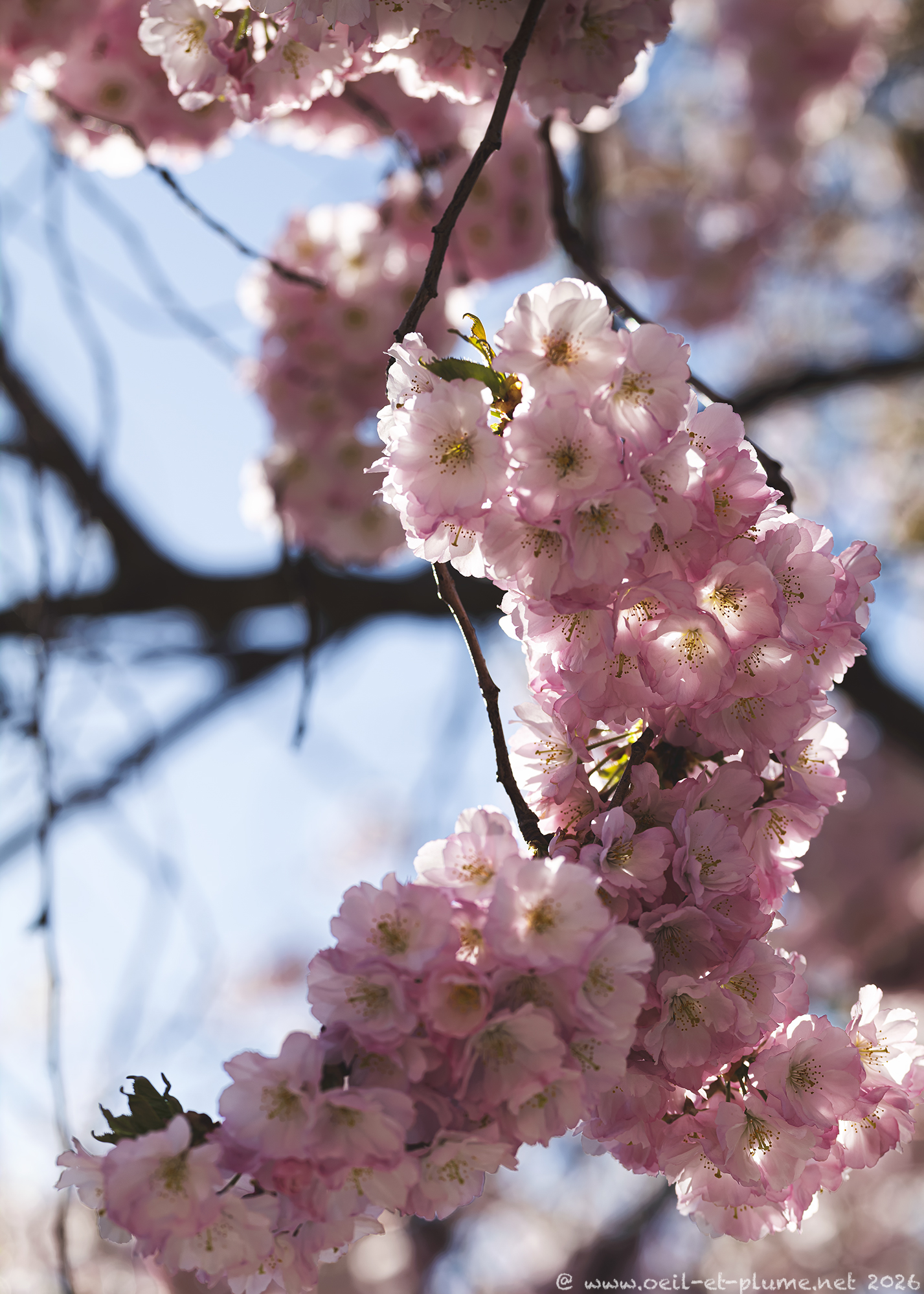
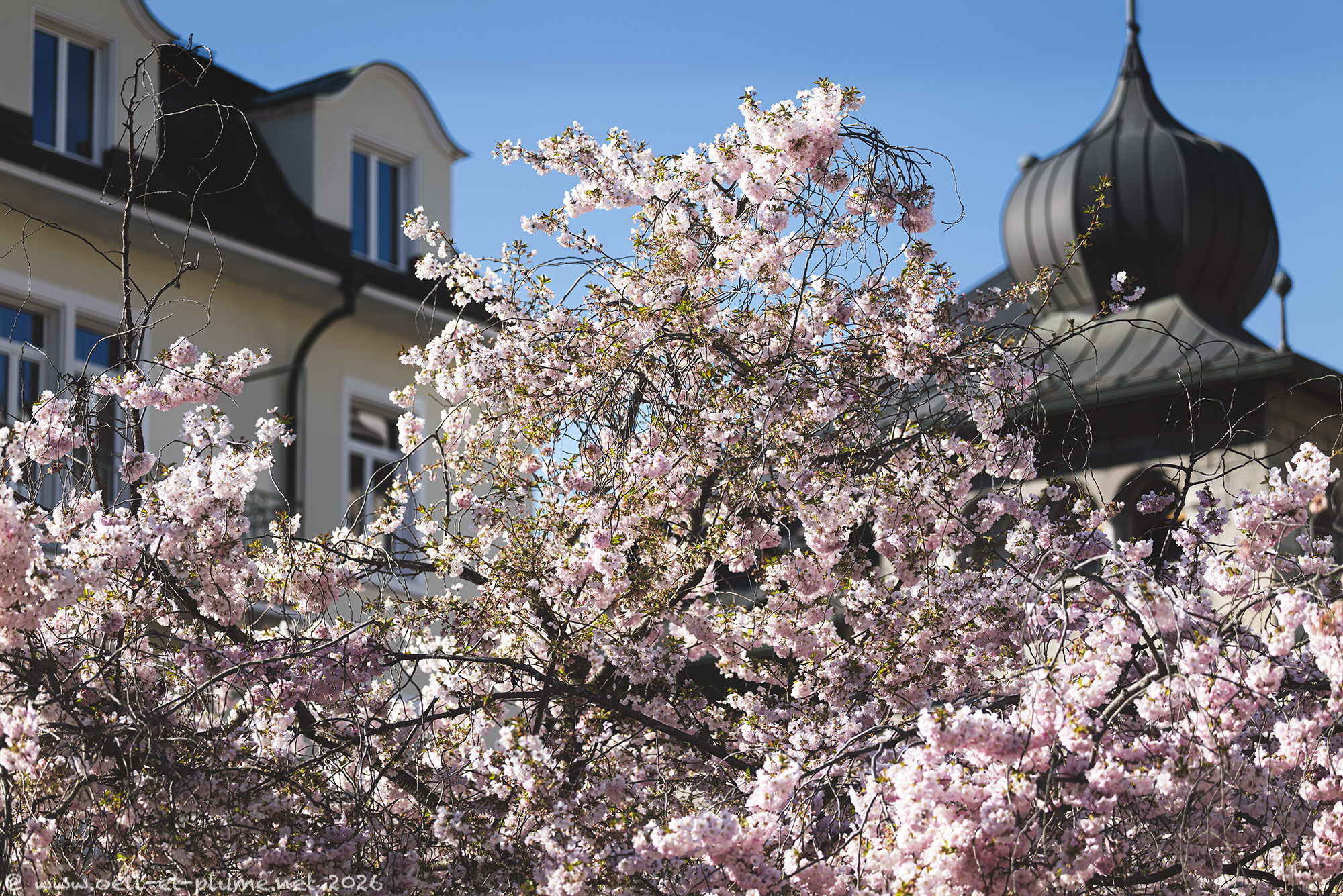
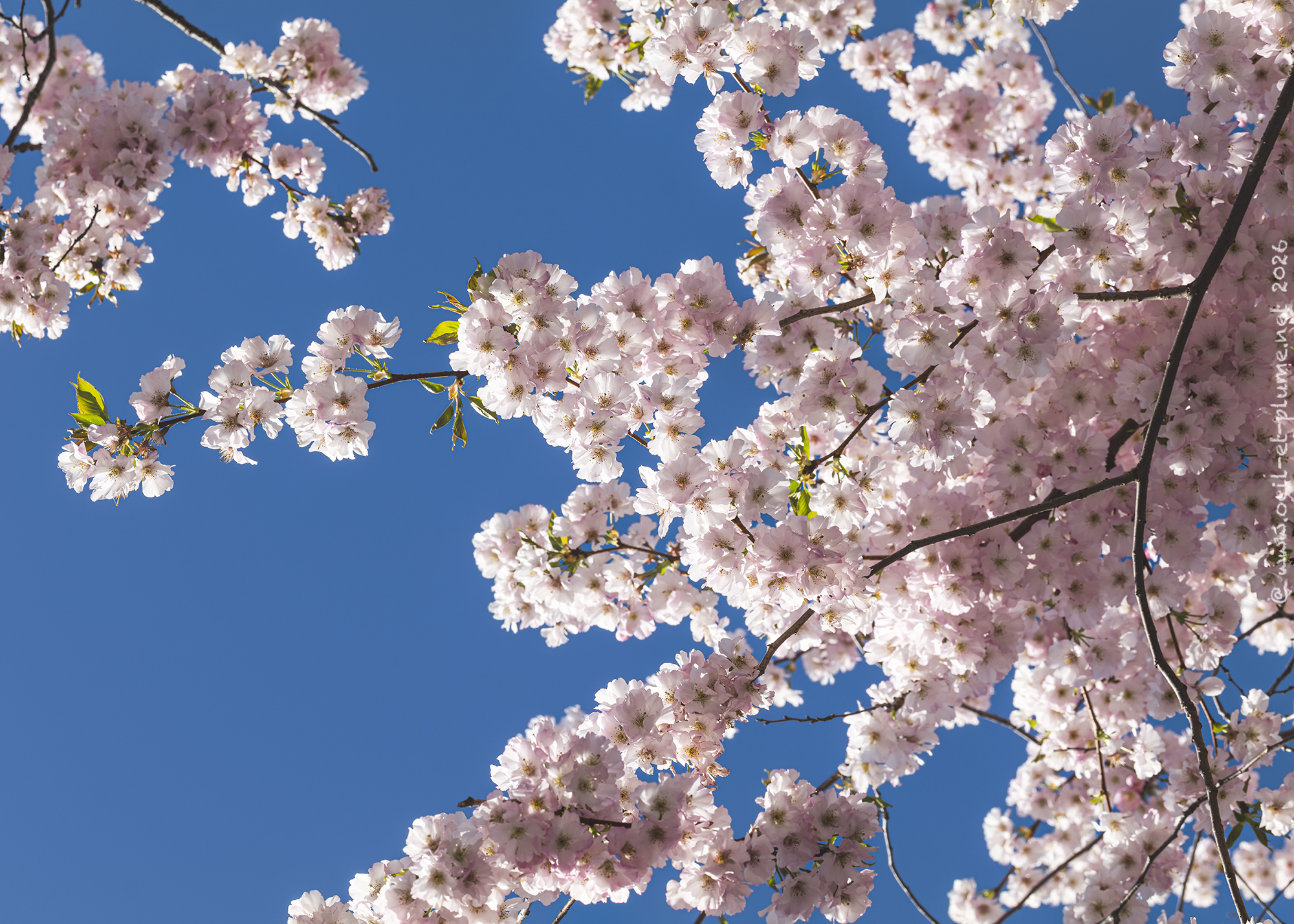
In the city centre, a small park was transformed by the blooming almond trees. Their blossoms ranged from delicate white to vivid rose. So abundant were the flowers drifting through the air that they seemed to filter and tint the sunlight as it fell across the space. Even the broken glass-strewn ground was softened into a pale pink carpet, one upon which you would scarcely dare to tread.
And their perfume …The scent of the almond tree in bloom is nothing like the heady intensity of wisteria. It’s light, slightly sweet, and carries a subtle softness, almost like warm honey diluted in fresh air. Almond tree flowers distill a subtle nutty undertone, a quiet reminder of the fruit to come. Unlike heavier floral perfumes, almond blossoms feel light and airy. Their fragrance giving the impression of early spring itself—fresh, pale, and just beginning to wake.
Wild scents
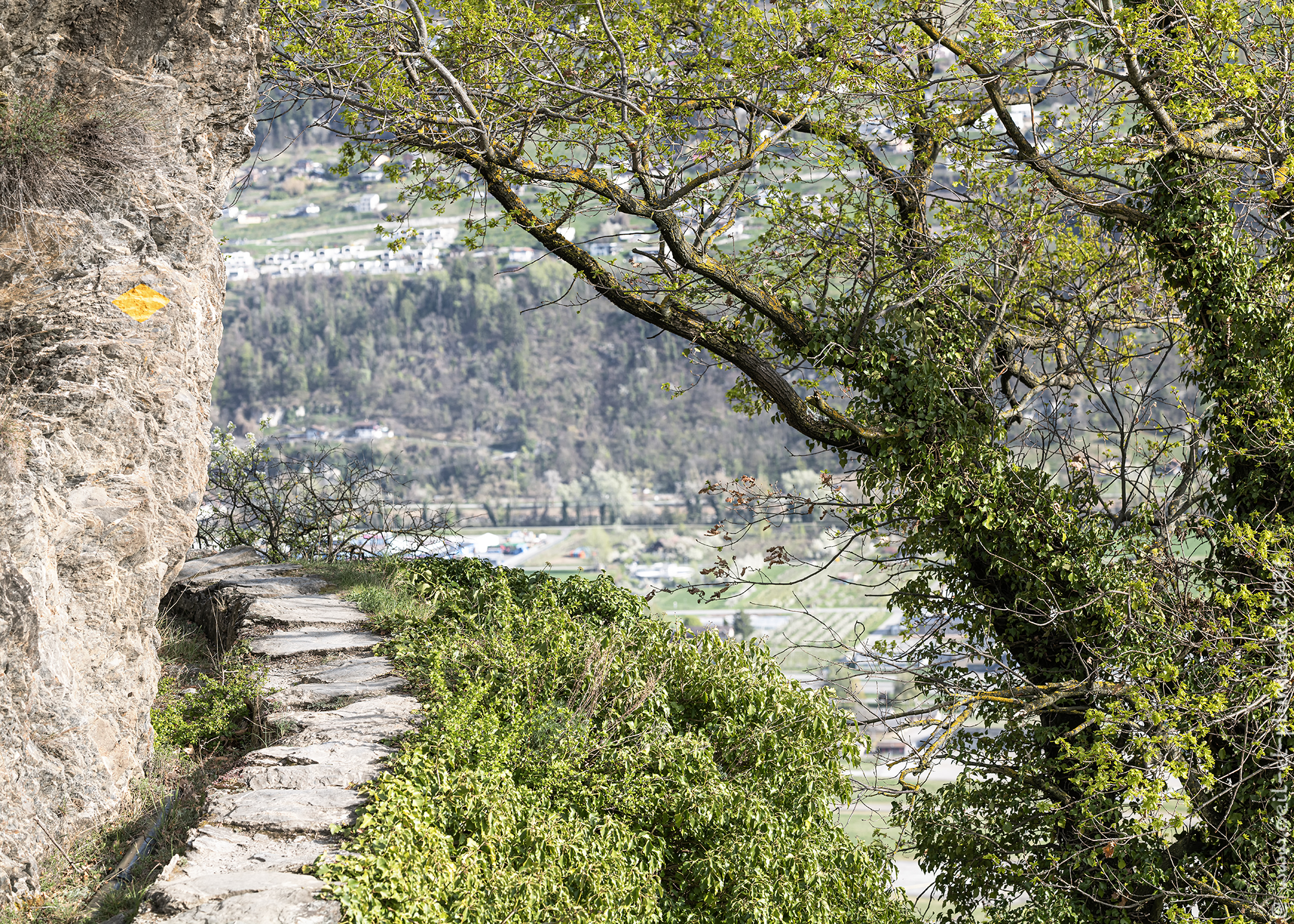
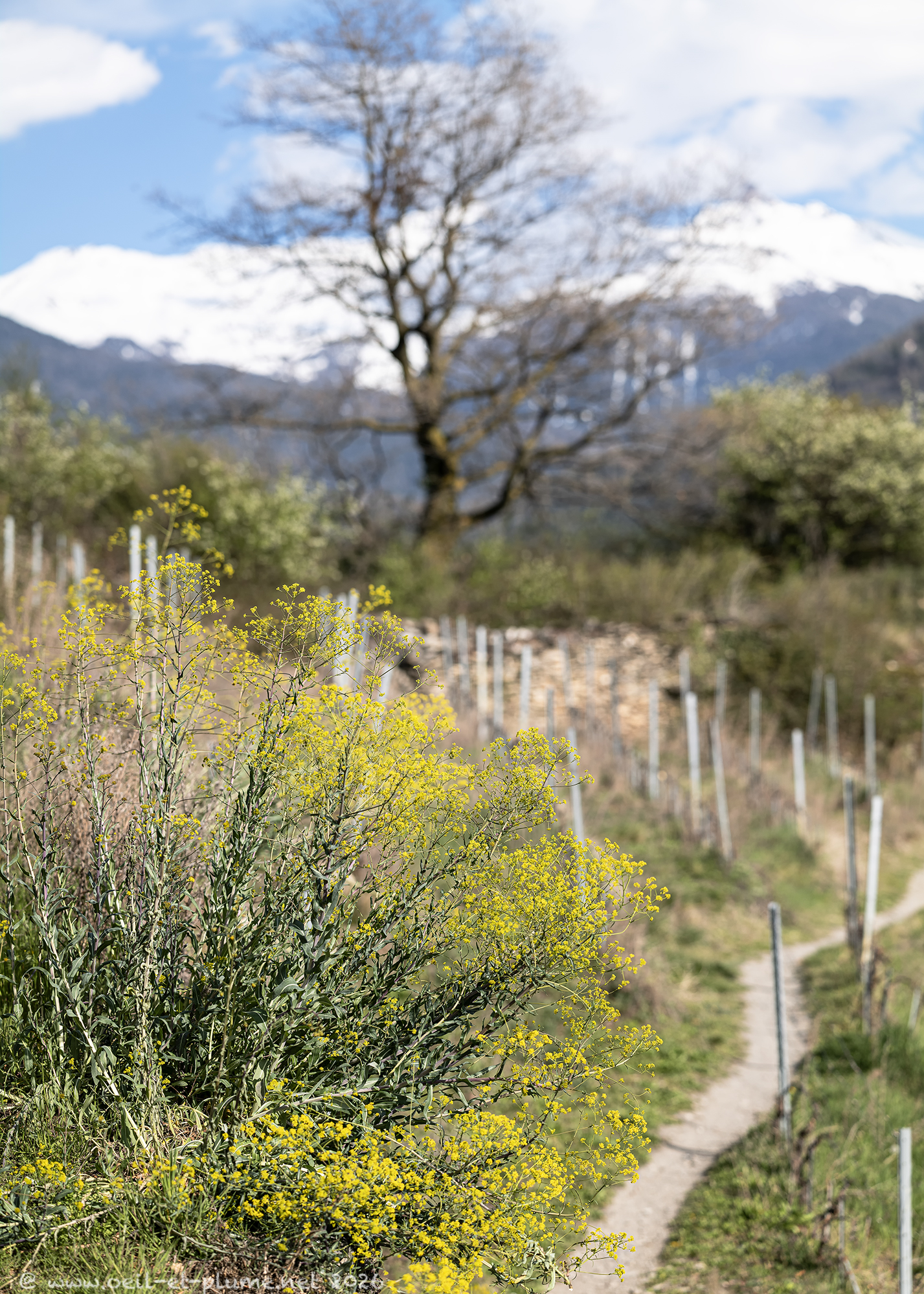
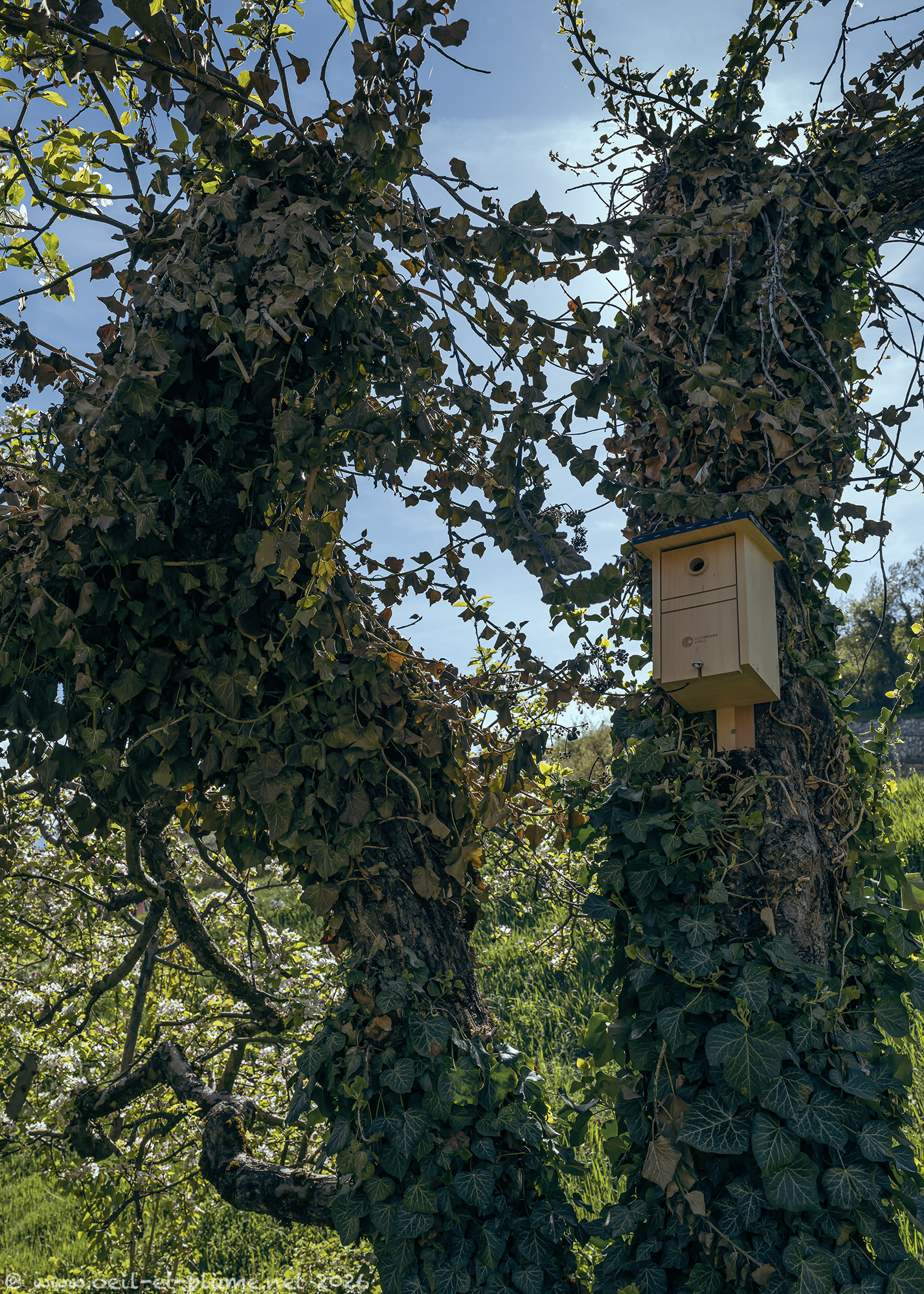
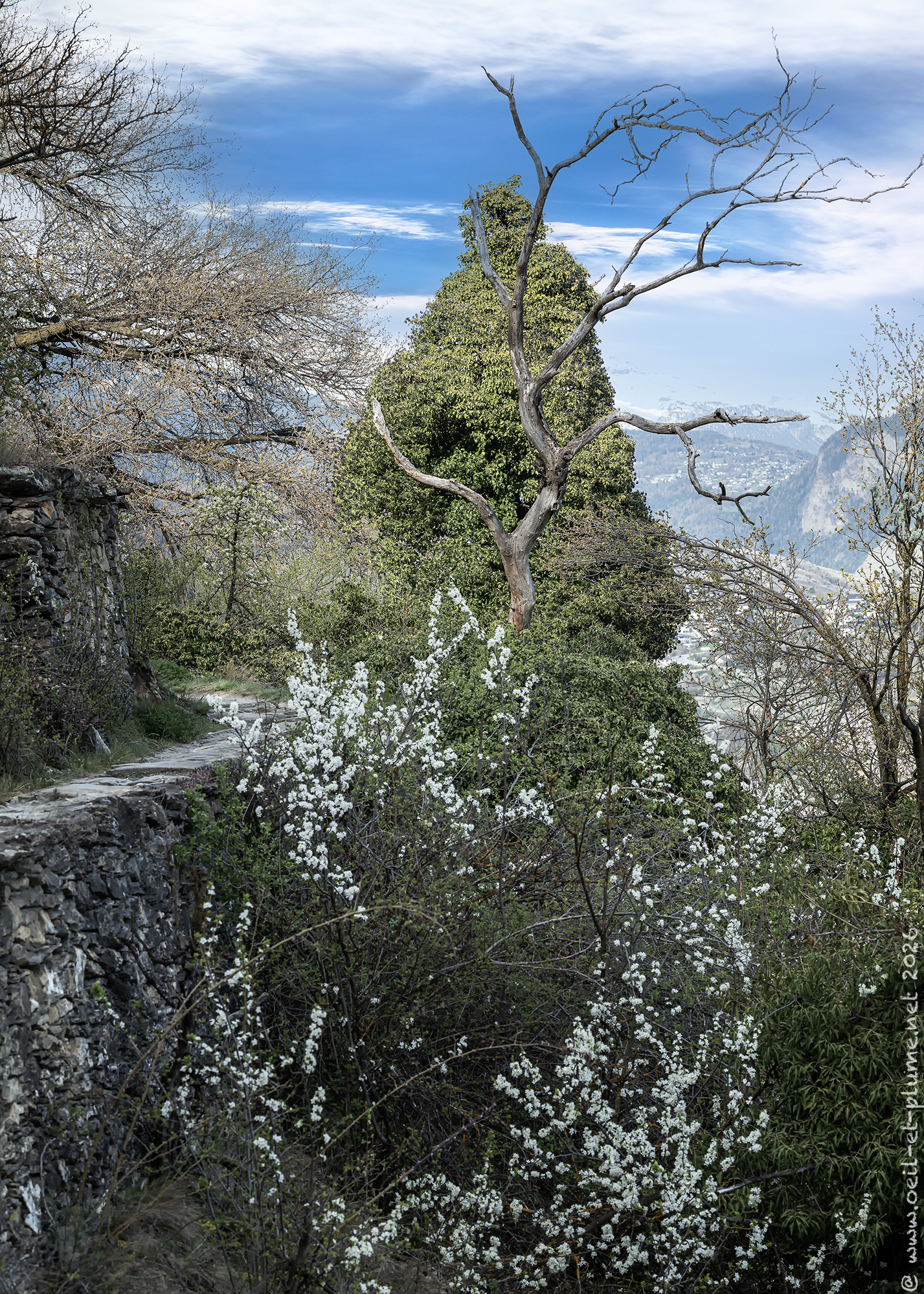
Wilder scents inhabited the trekking paths crisscrossing the surroundings of the town. Amongst them, solid bouquets of hazel trees and oaks provide a welcome shade all along the bisses (traditional irrigation canals). The ivy (lierre) and its lobed, dark green leaves prospers as well, banking on high walls or large trees. The woad plant (guède), whose bright flowers create cloud-like hazes of yellow colour, as well as the spirea (spirée), with its tiny white flowers covering a woody shrub, illuminate the dark green-grey vegetal and mineral background. While they did not exhale heavy or sophisticated scents like urban flowers, all those plants added a distinct, wild character to the air.
Vineyard aromas
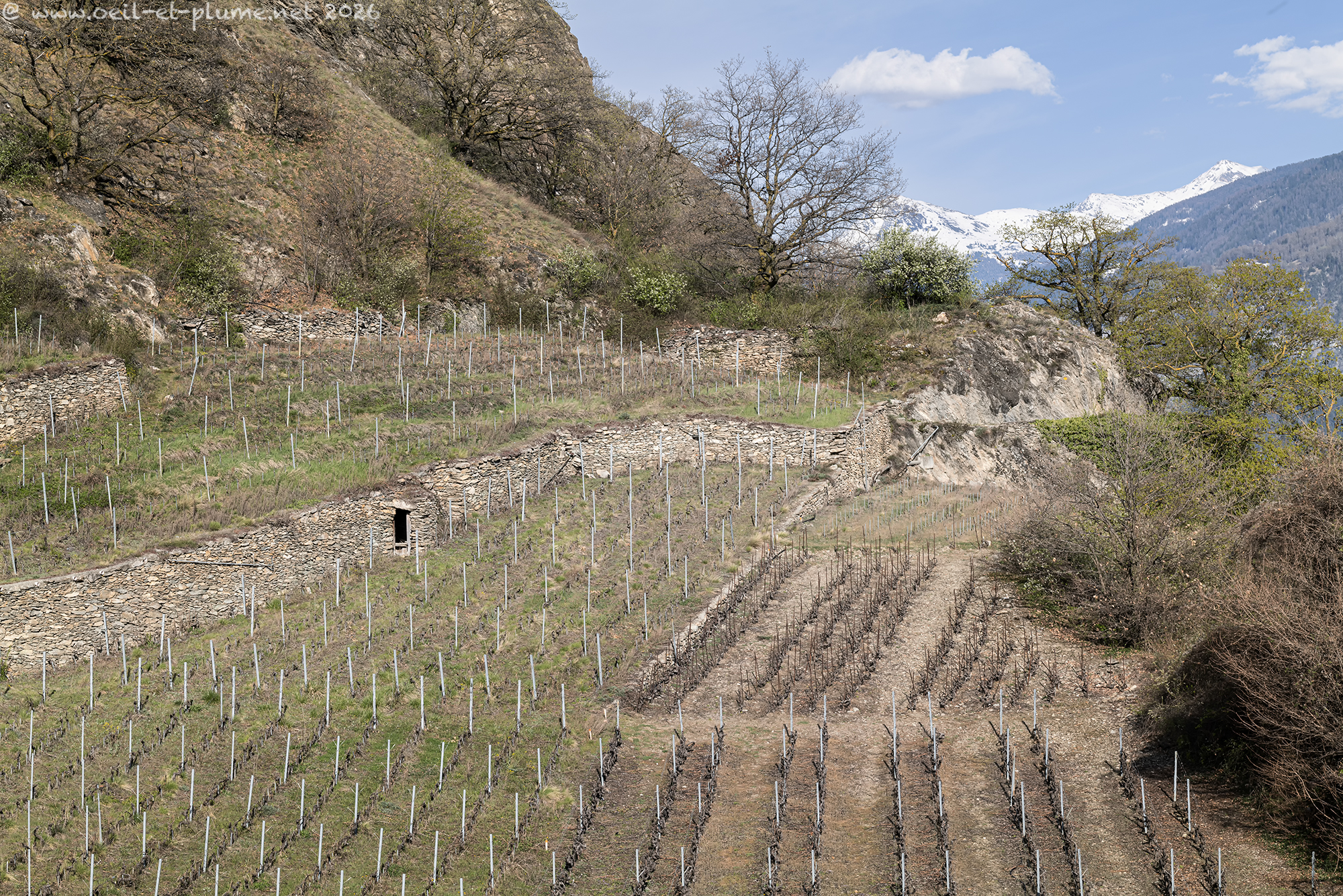
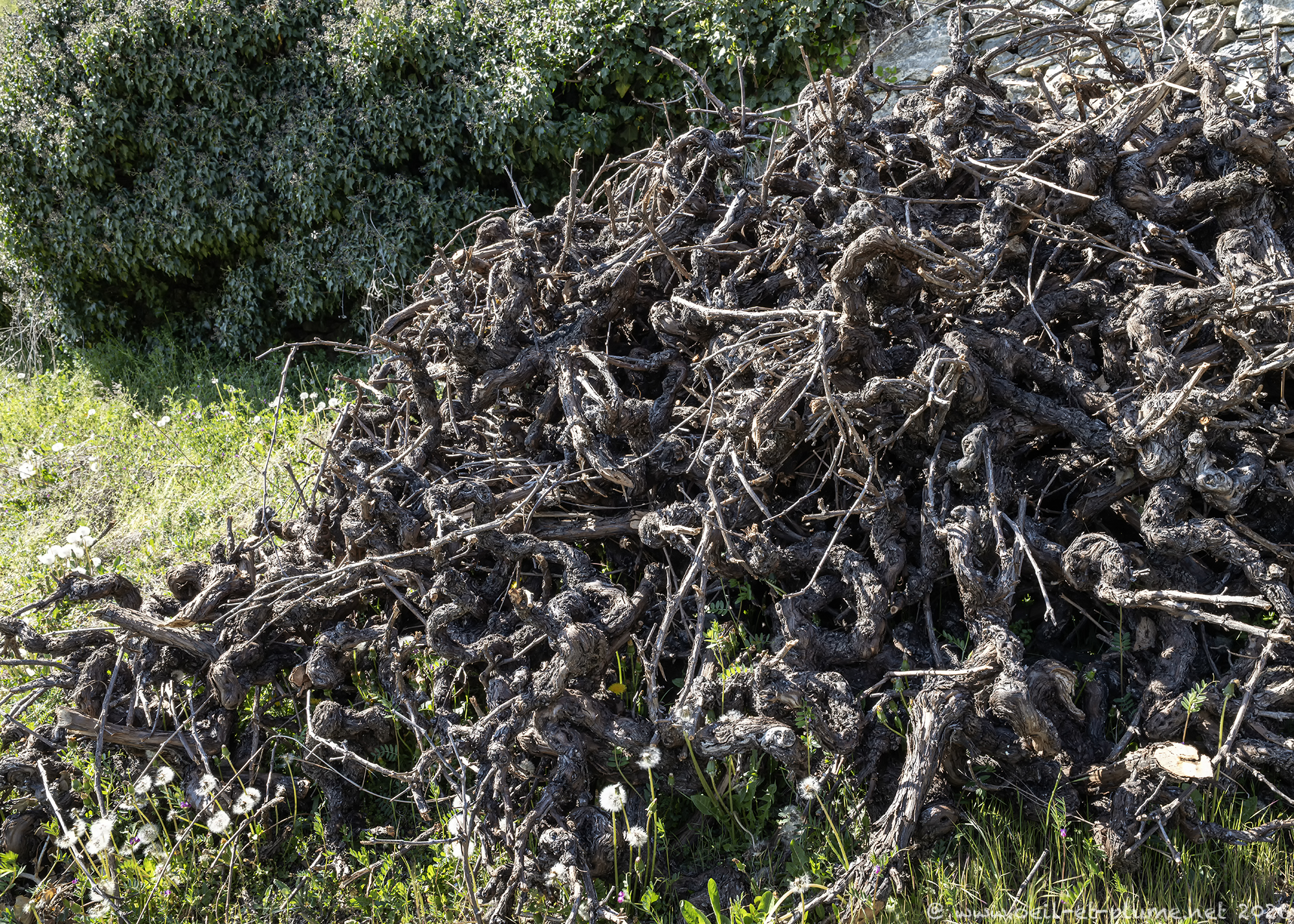
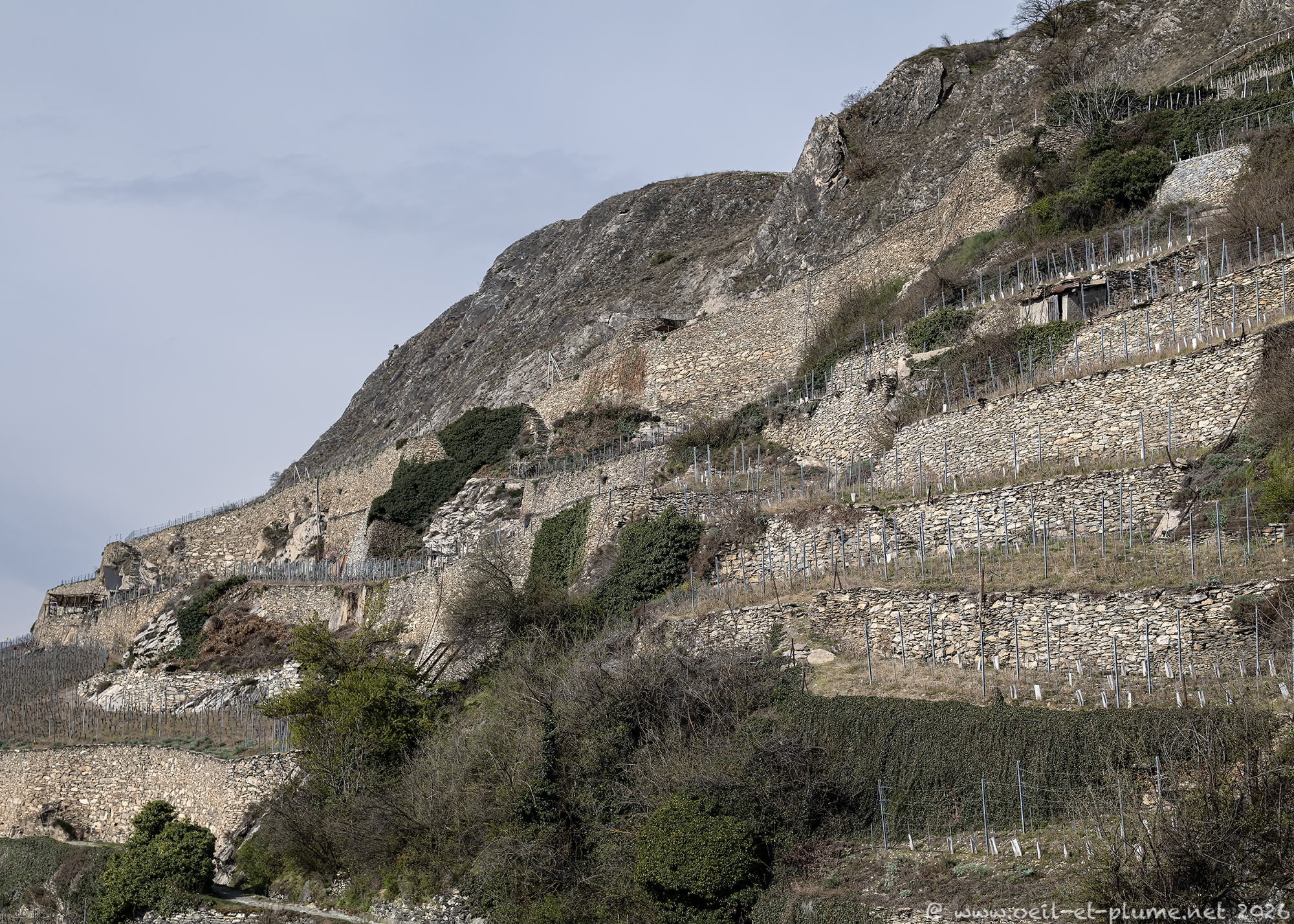
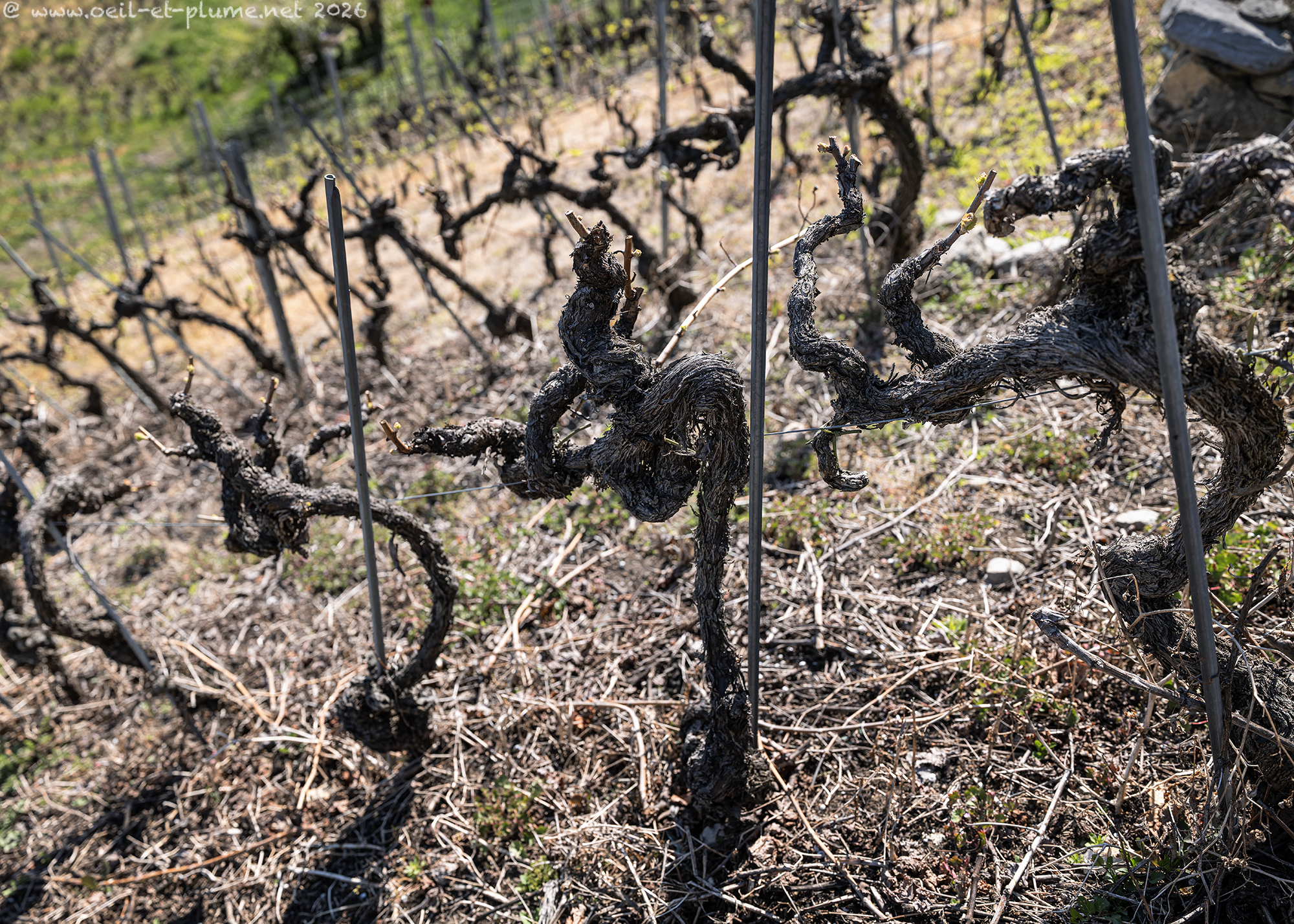
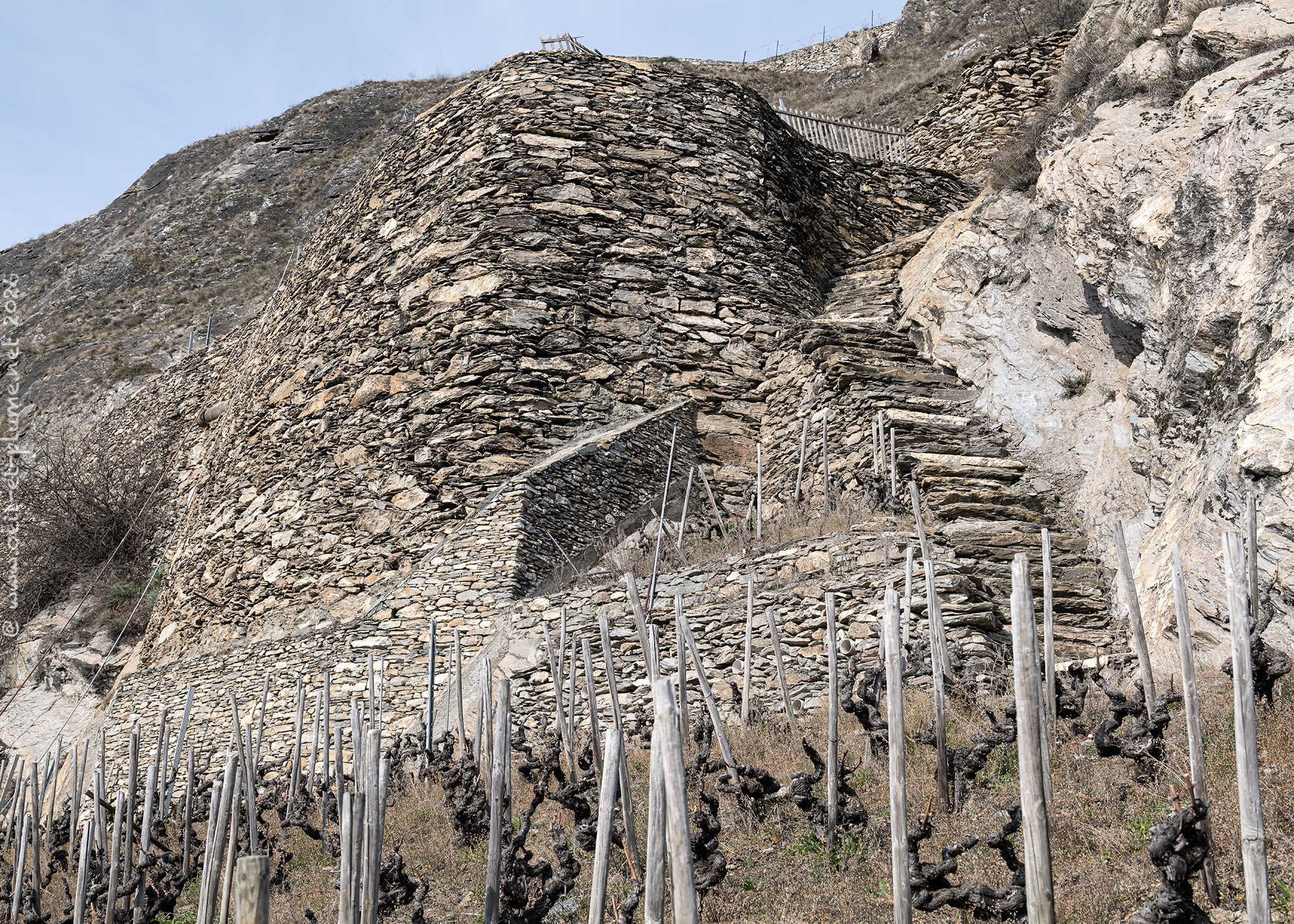
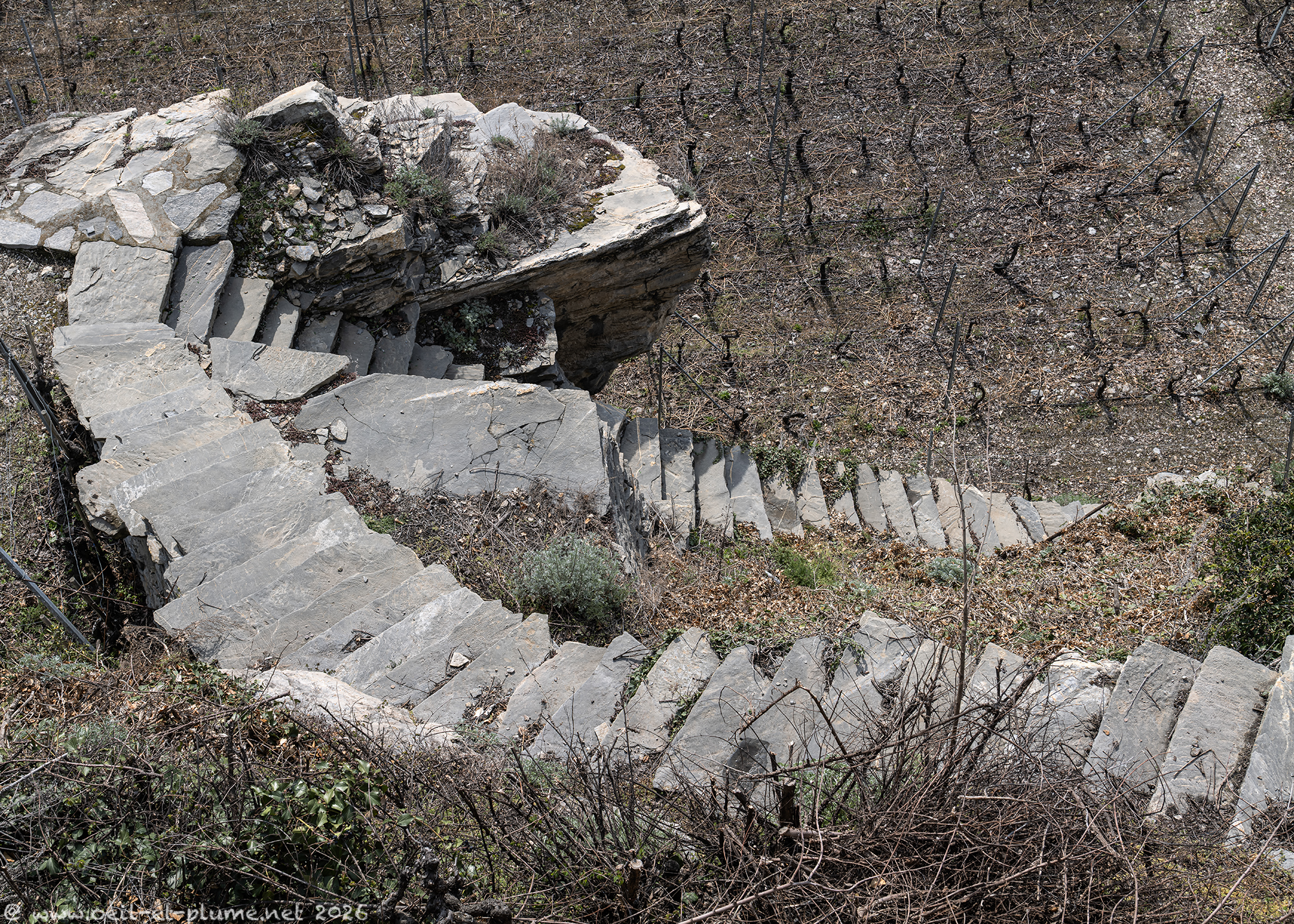
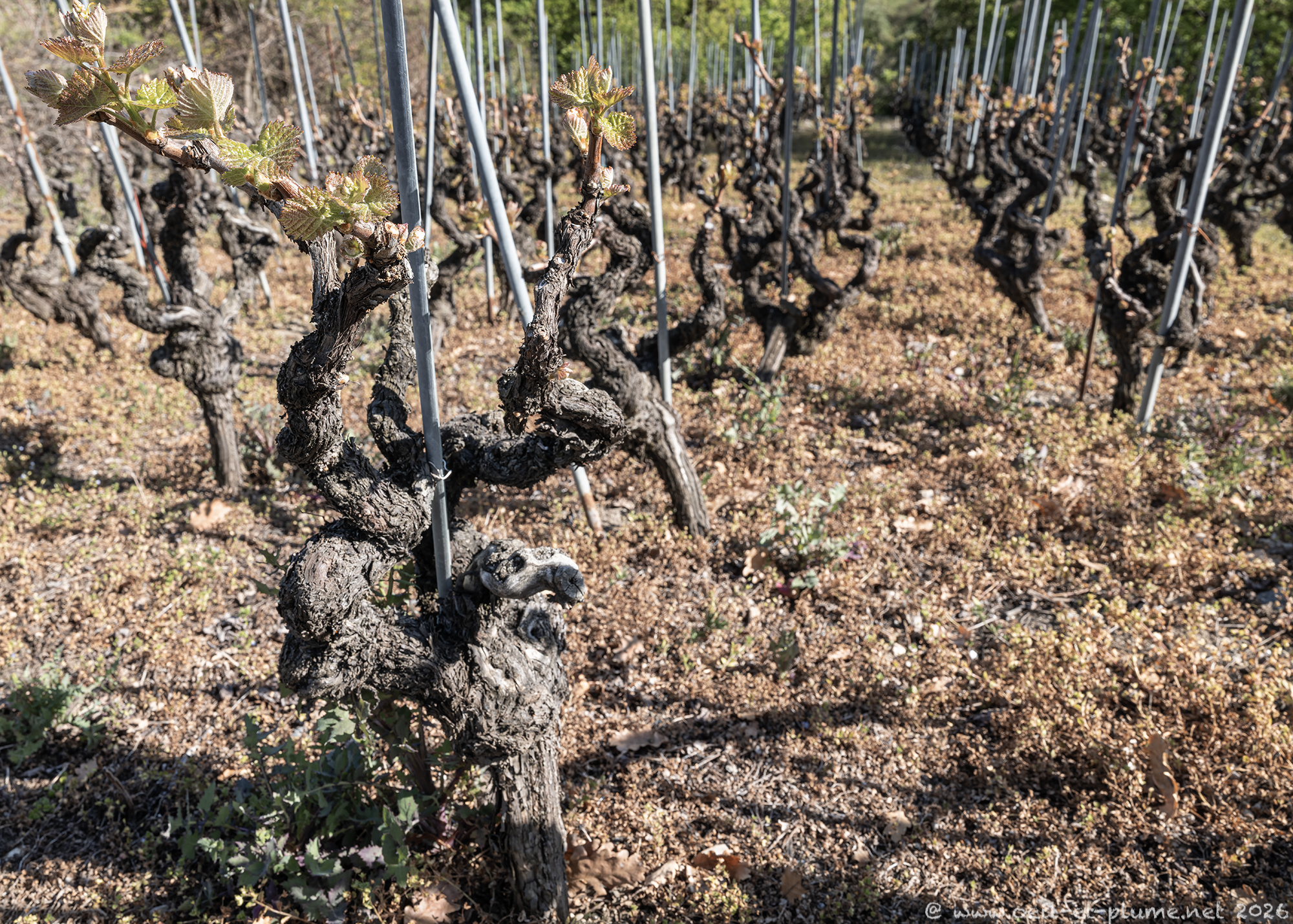
Innumerable vineyards surround Sion. Some cling to impossible slopes, structured by cascades of beautiful man-made terraces held aloft by high stone walls. Slate stairs, fortress-like in their sturdiness, bridge the gaps between levels. Here, venerable wine stocks stand, their tormented shapes whispering life stories. Visiting vineyards in early spring reveals much about their steward.
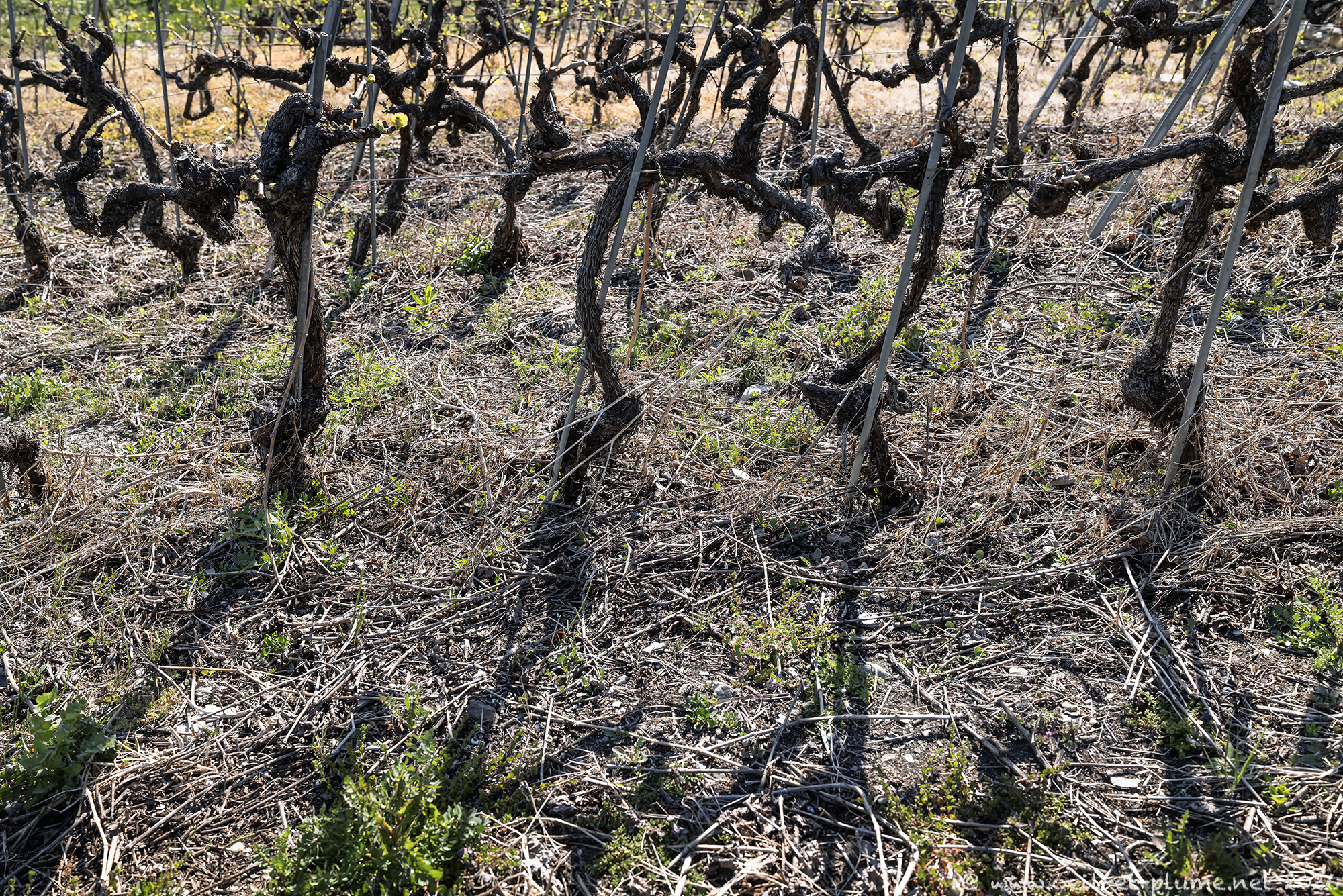
Most rows lied freshly cut, cleared of dead wood and ready for the season. The pruned stocks stood in proud, military-like parade formations. They flexed neat, wood muscles, extending their arms to display delicate, new-born buds.
In contrast, others rows retained the long shoots of the previous season, left unattended since the last harvest. These untidy wine stocks had many tales to tell to my lens – not of neglect, but of resilience and raw character. None seemed weary of life and struggle; instead, they were waiting with eager patience for their caretaker’s hand to start their annual cycle anew.
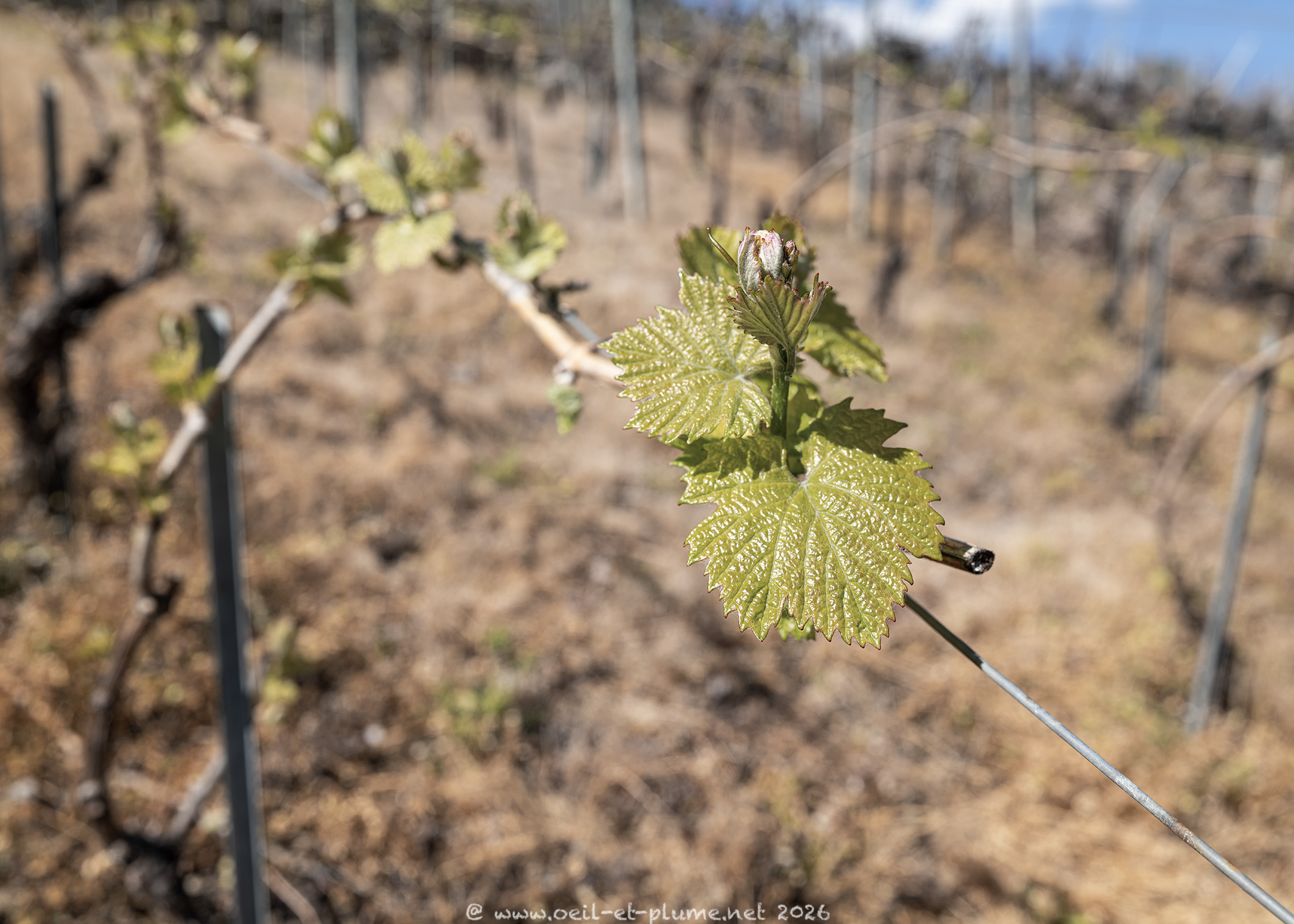
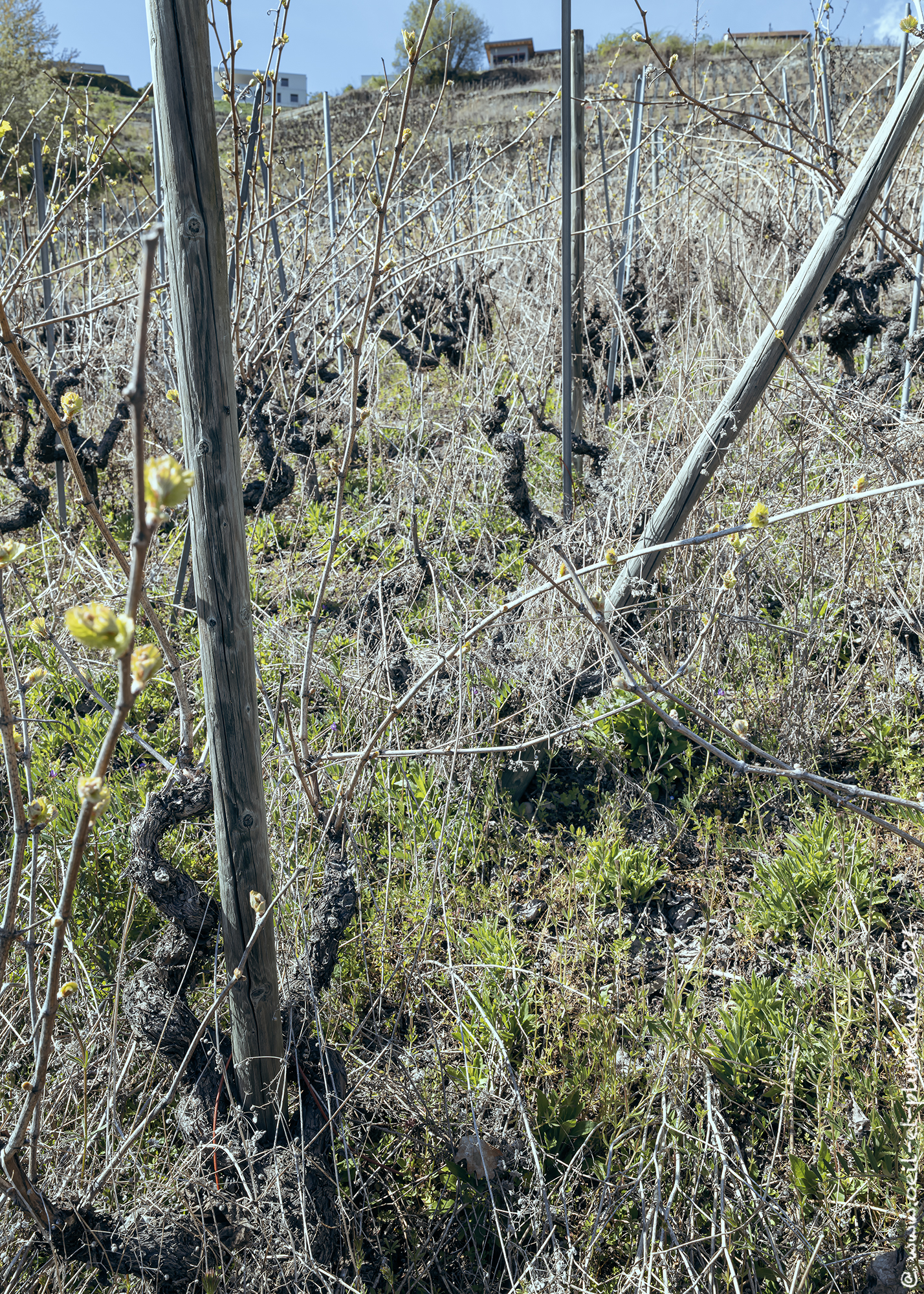
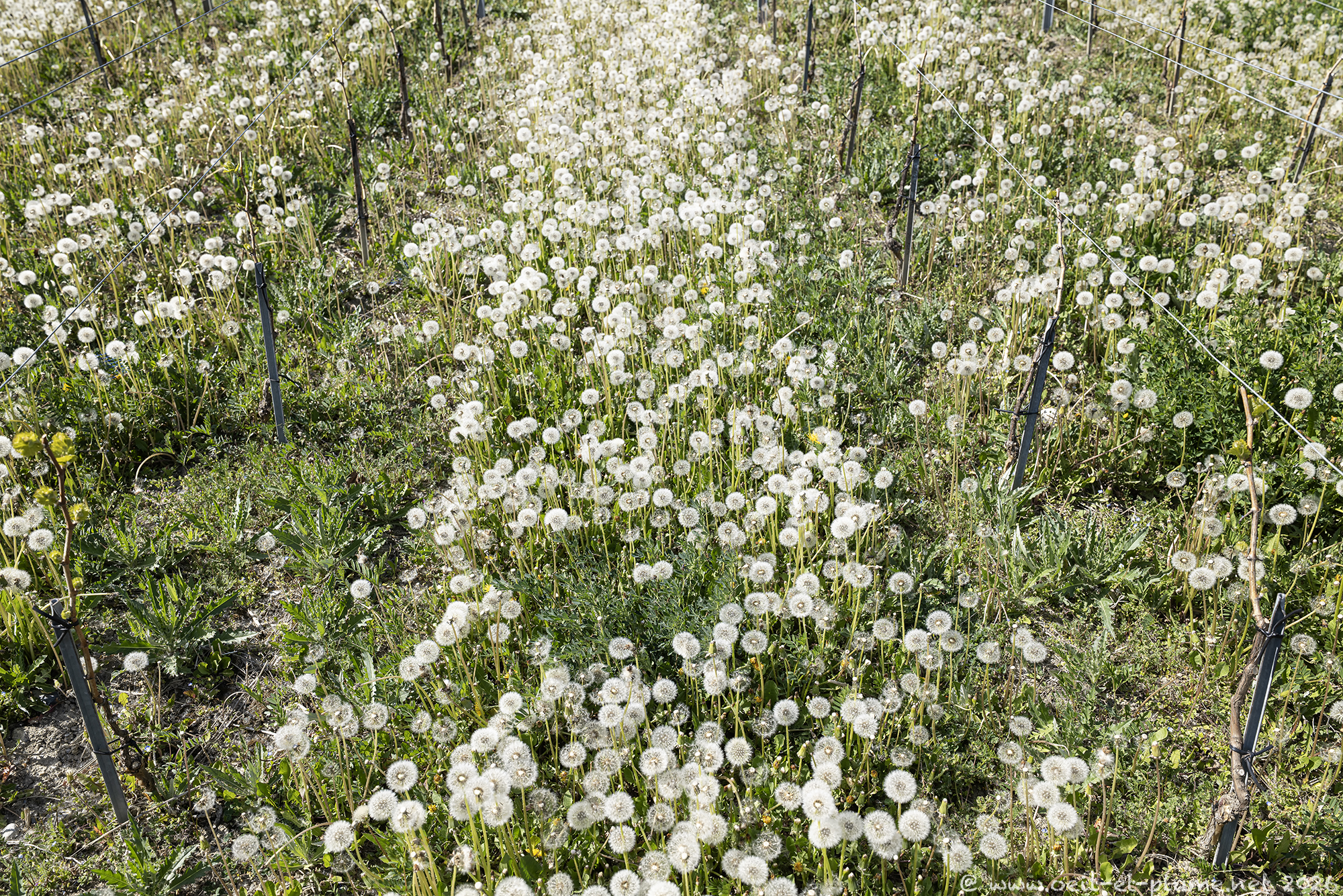
I was inclined to sit among the wine stocks, especially where a carpet of wild greens offered a seat. At times, I would pluck a delicate dandelion (pissenlit) to anchor my attention, lending empathy to my storytellers. This is how one truly savours the elusive bouquet of the vineyard aromas: to experience it, and to love it.
Cheers,