
Continues from here.
Today marks the culmination of the tournament: the final round to crown the 2026 Queen of Queens. As the competition enter its final stage, the tension within and around the fighting circle has become palpable to transcend the limits of written language. Words fail to capture the visceral surge of adrenaline, the poetry of combat, and the raw emotional intensity of this moment.
Therefore, this essay abandons the written words to translate action and passion, motion and emotion, purely through imagery. By weaving together colour and black-and-white frames, the essay sustains a high-paced, dynamic narrative that mirrors the rhythm of the battle itself. Here, some technical “mistakes” of classical photography—motion blur and focus blur—are reclaimed as essential expressive tools. They help focussing on the essential. Rather than obscuring the action, they reveal its speed, its force, and its unspeakable truth.
Final battle
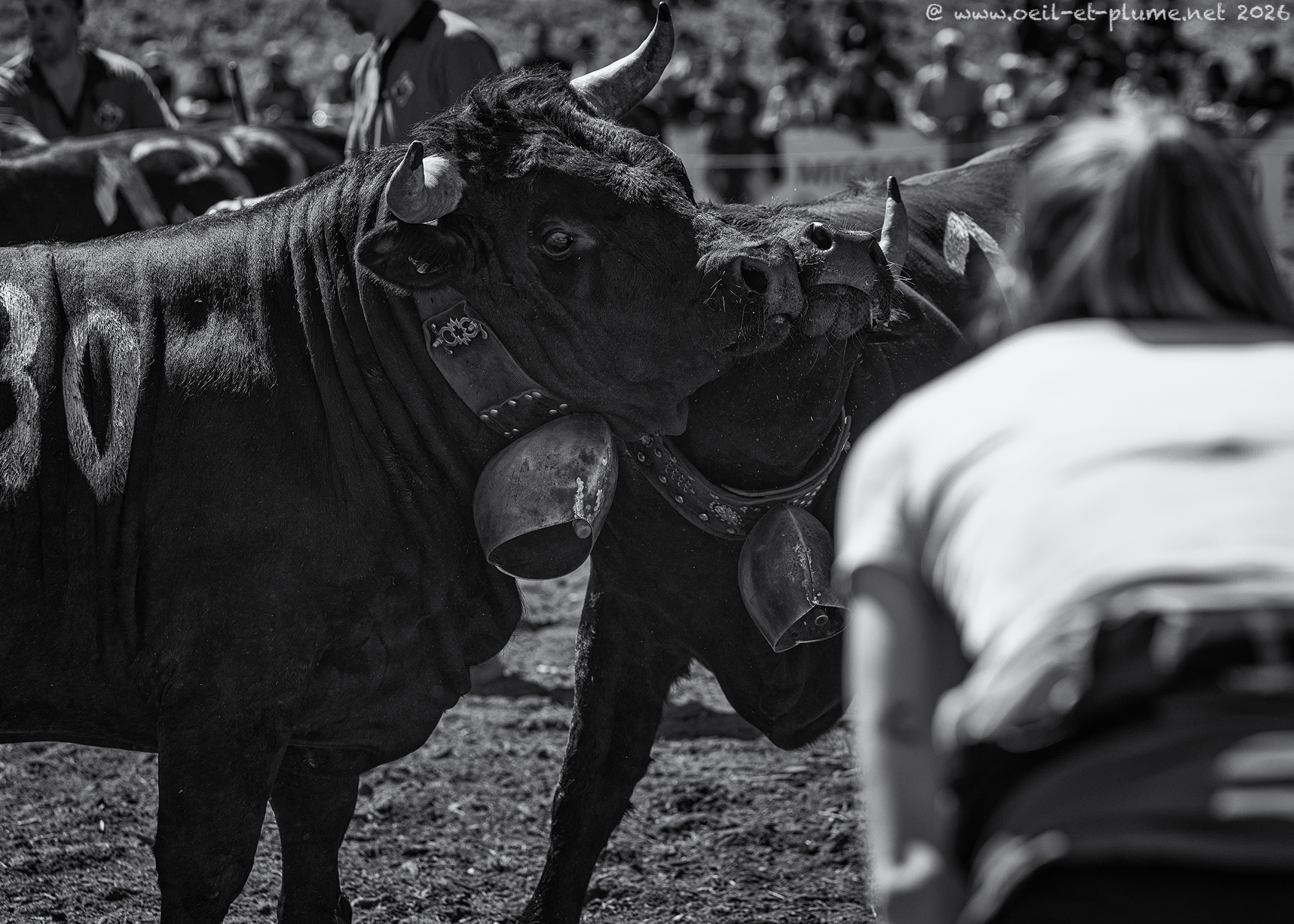
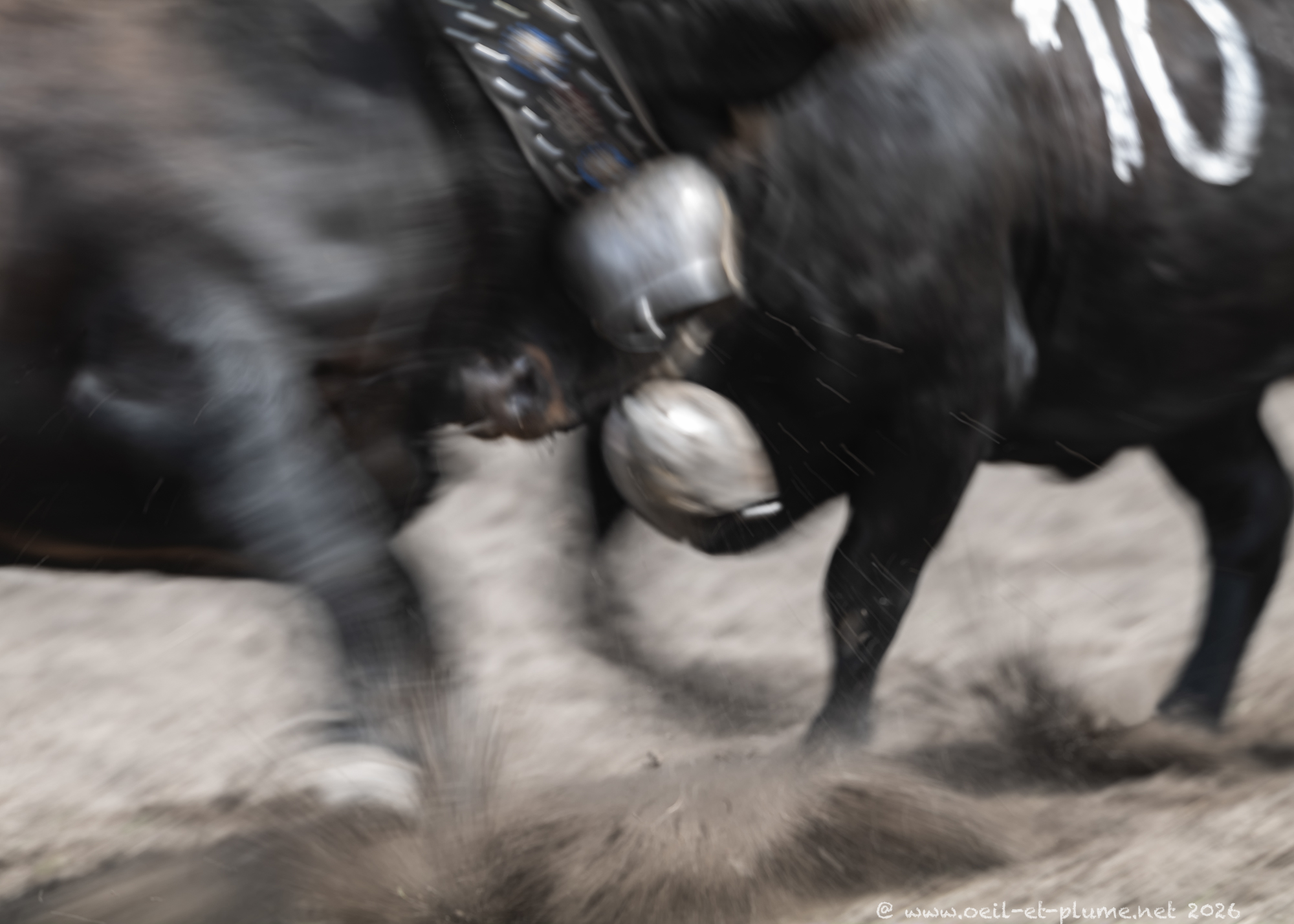
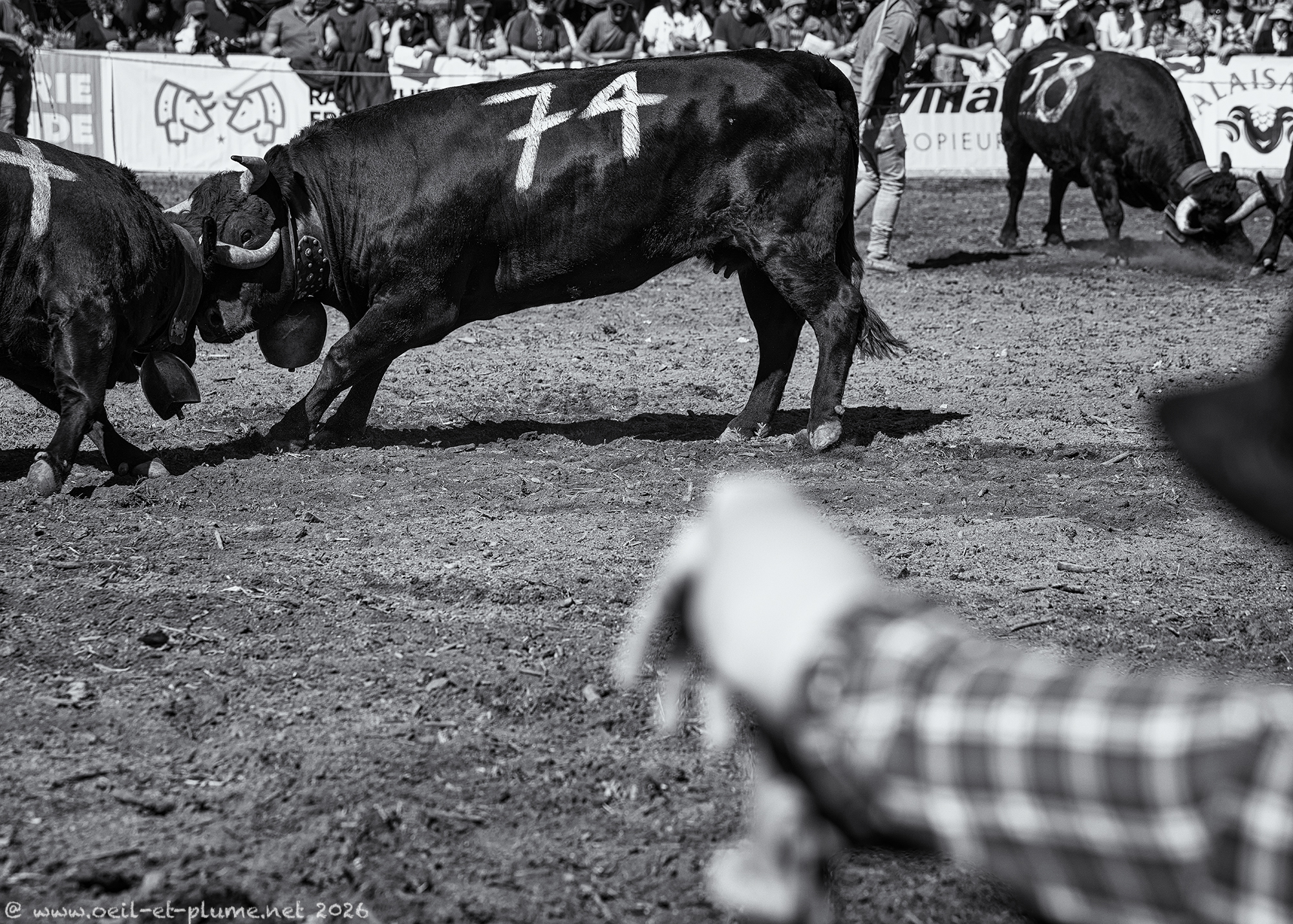
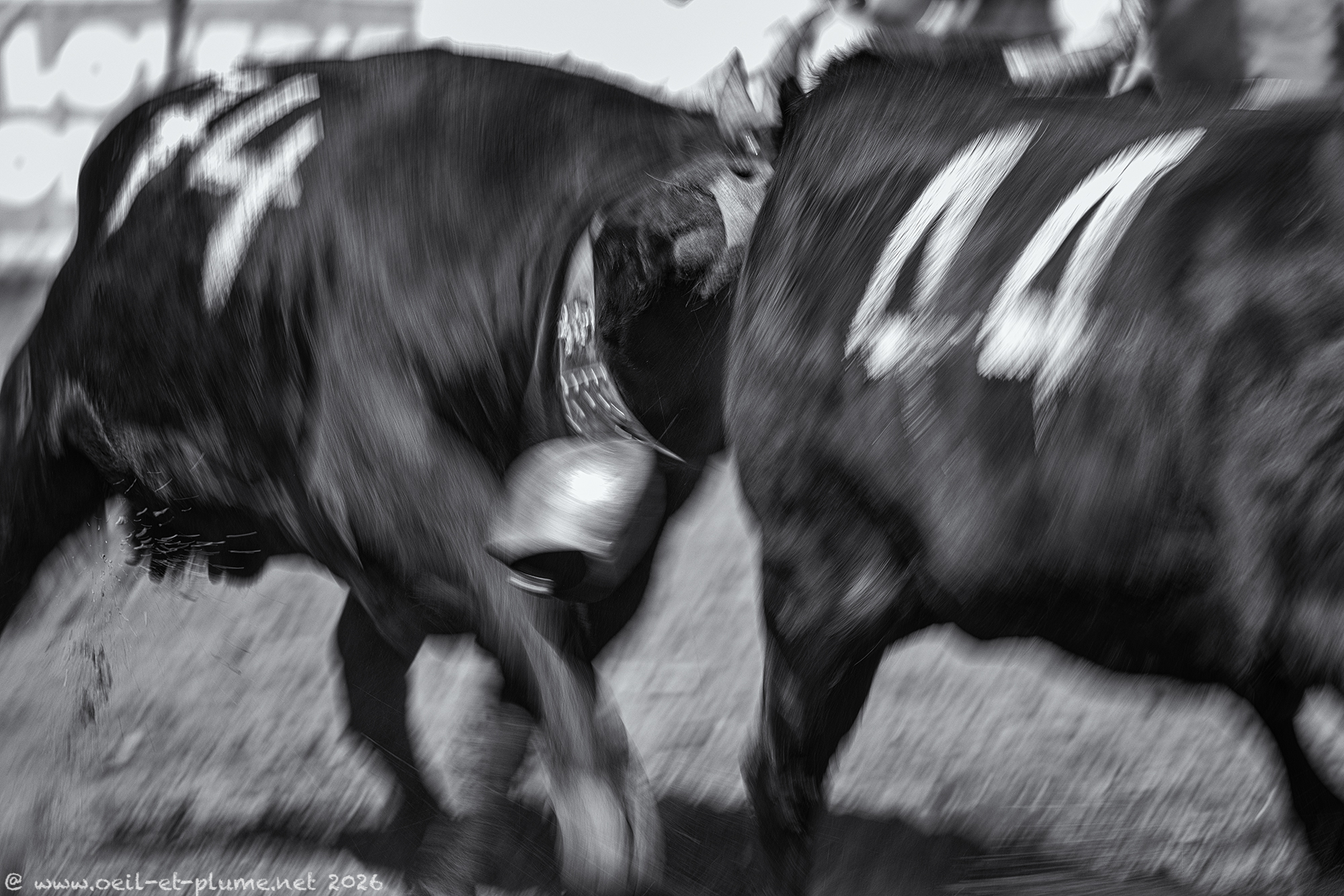
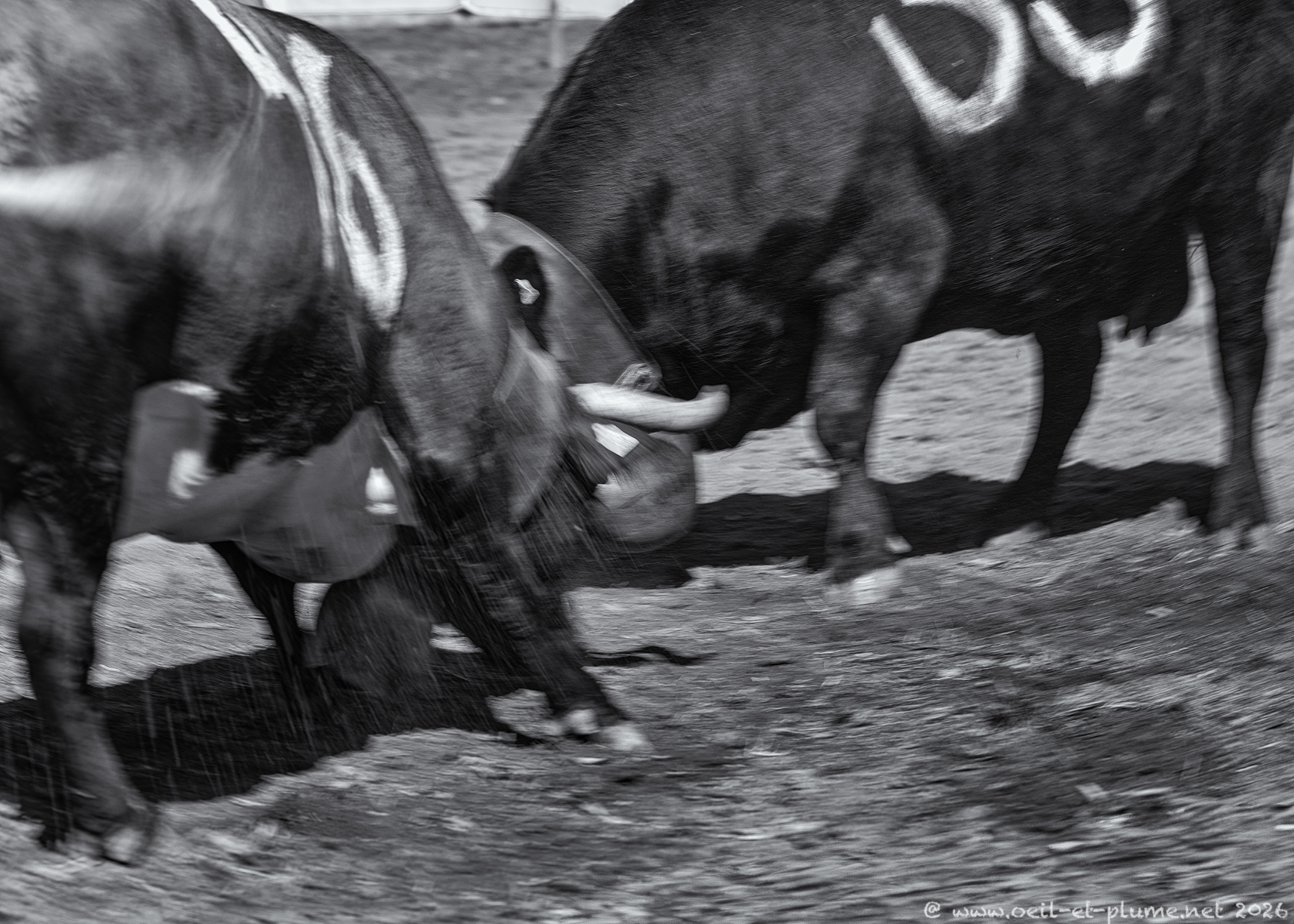
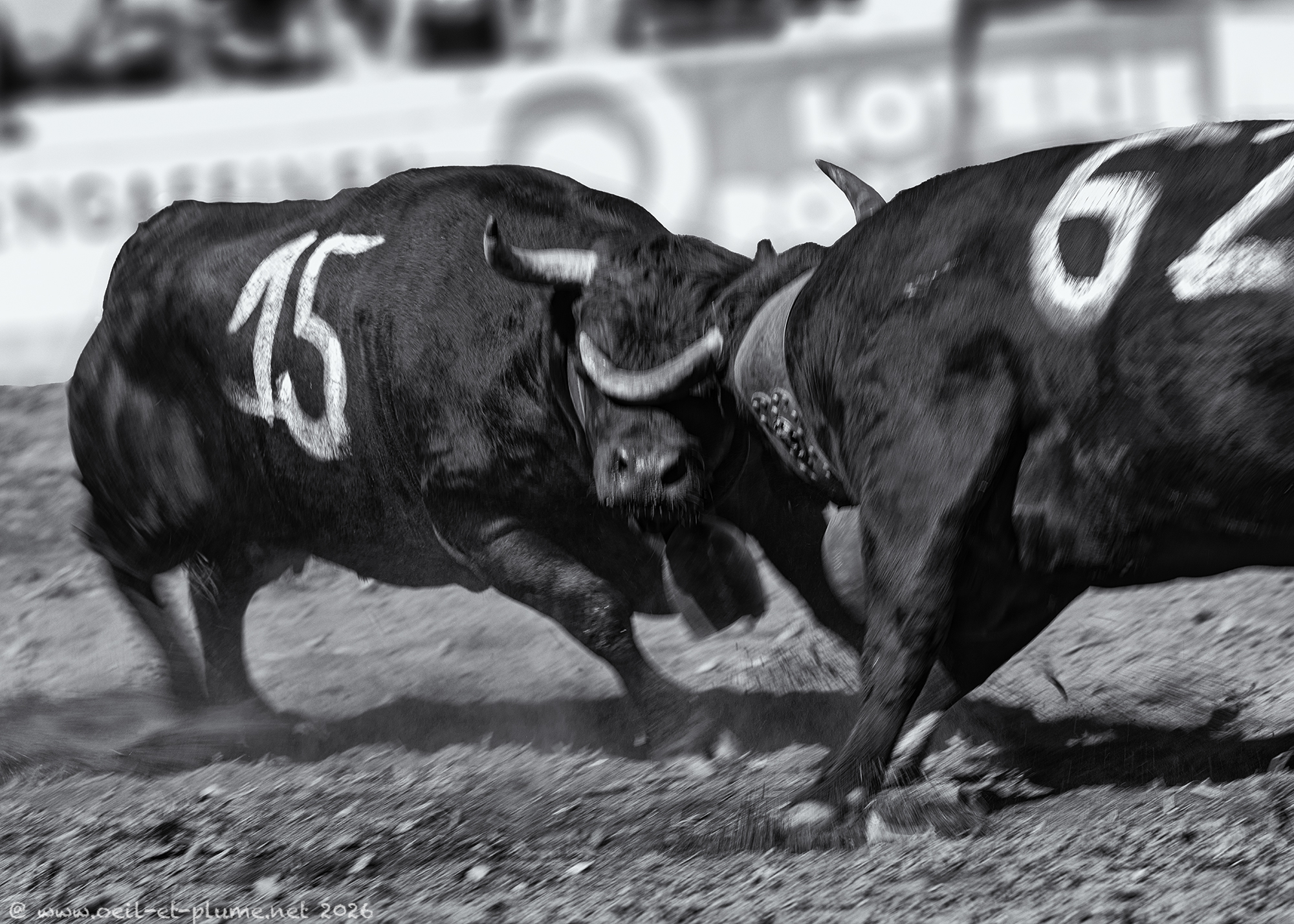
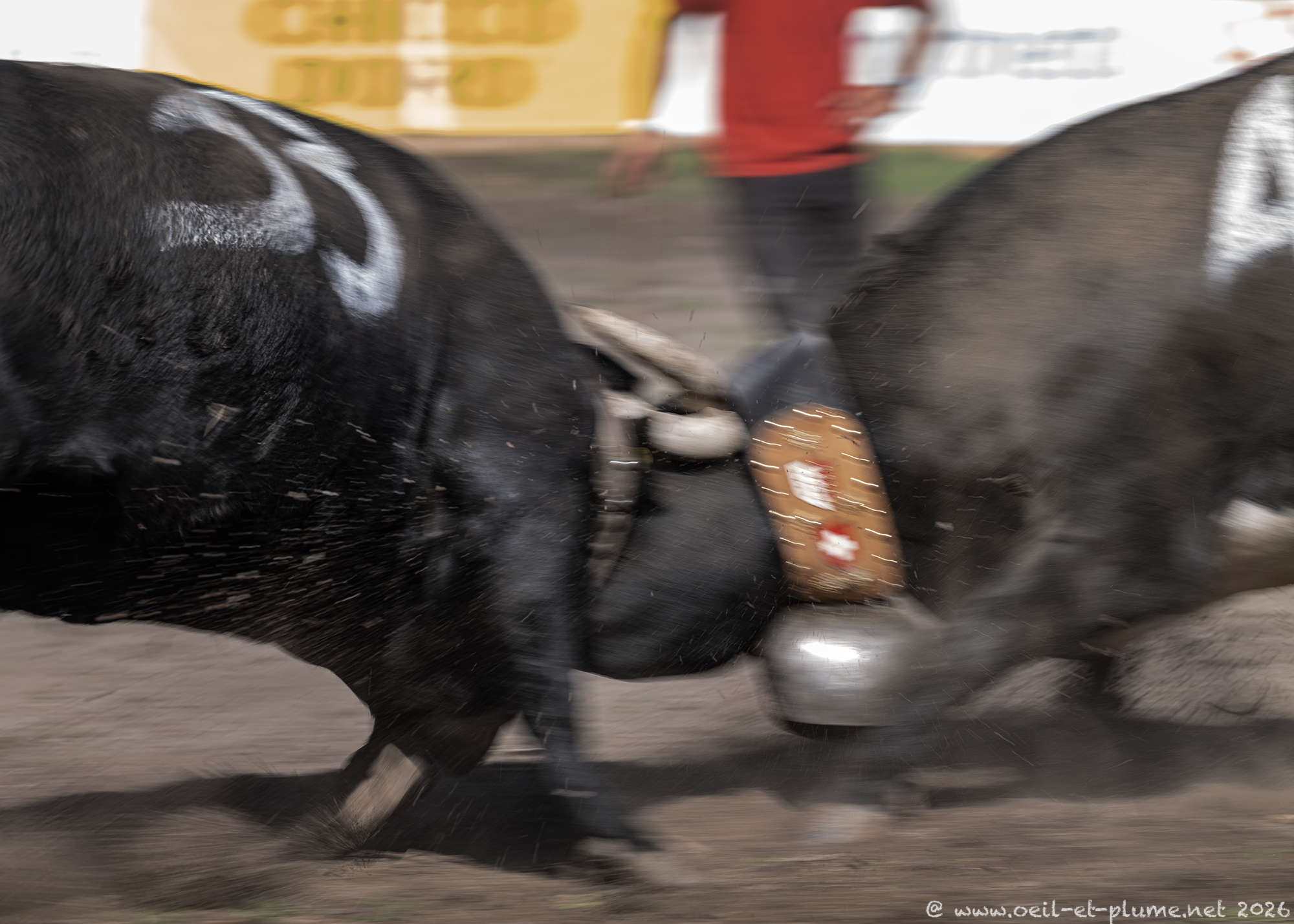
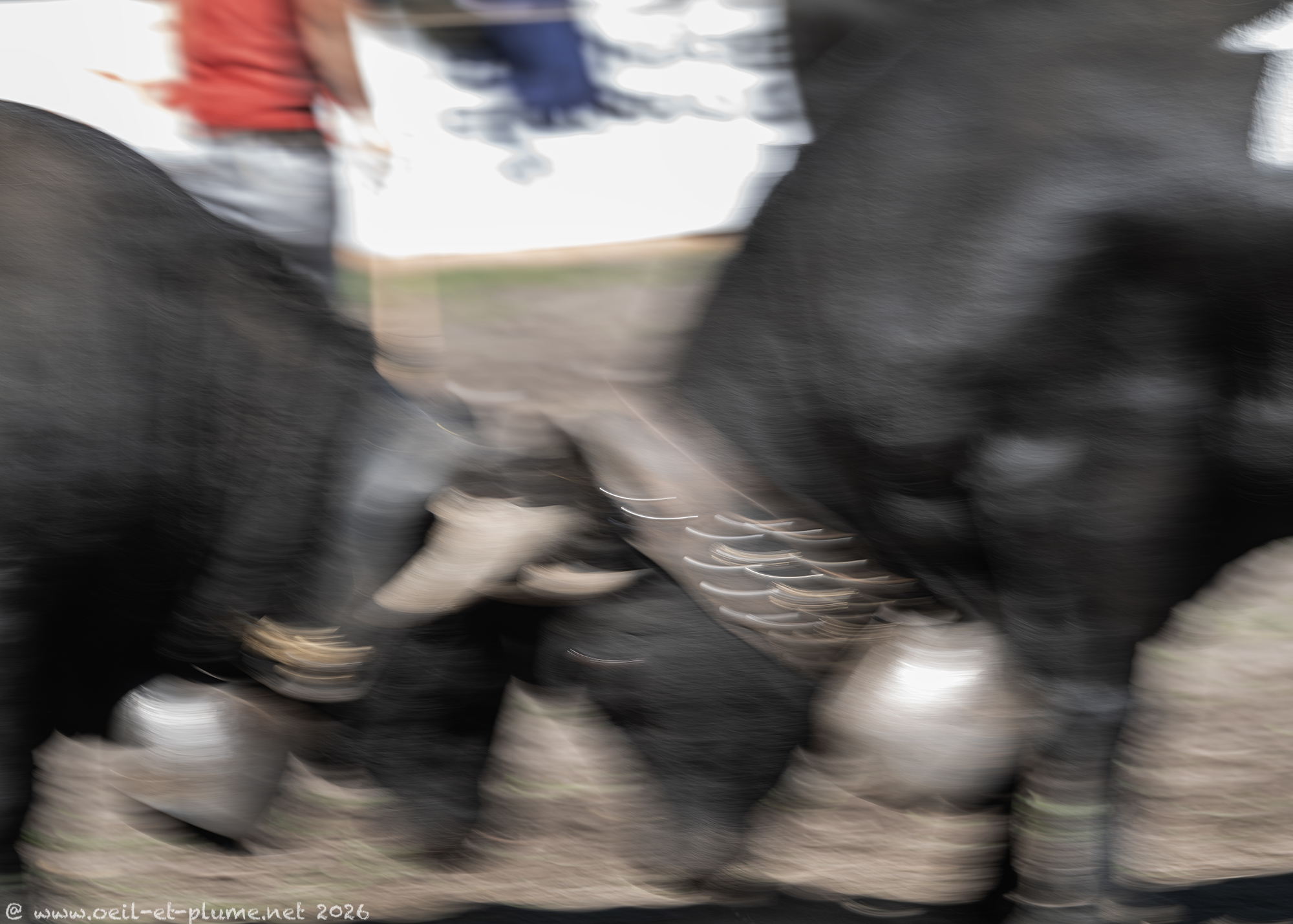
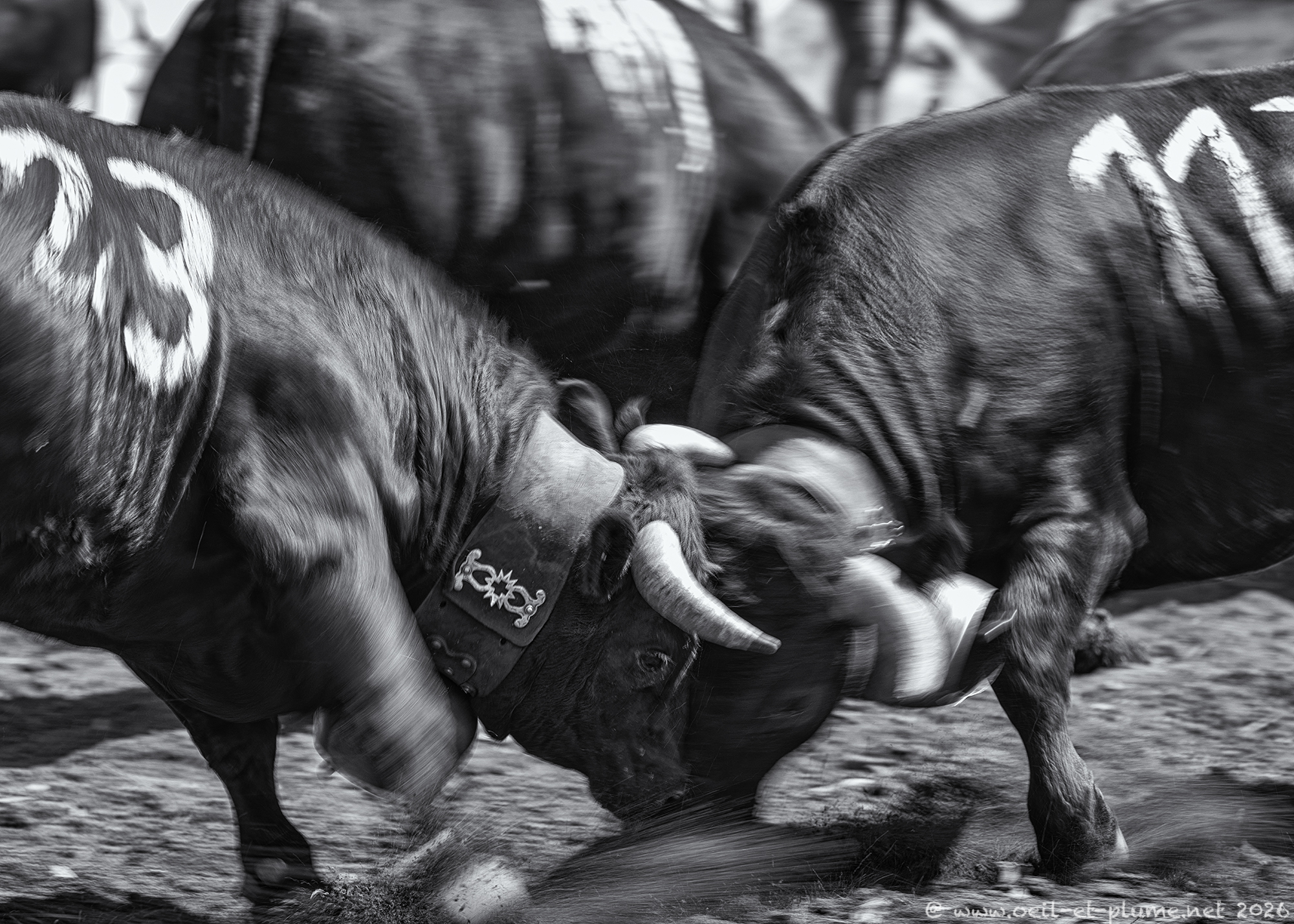
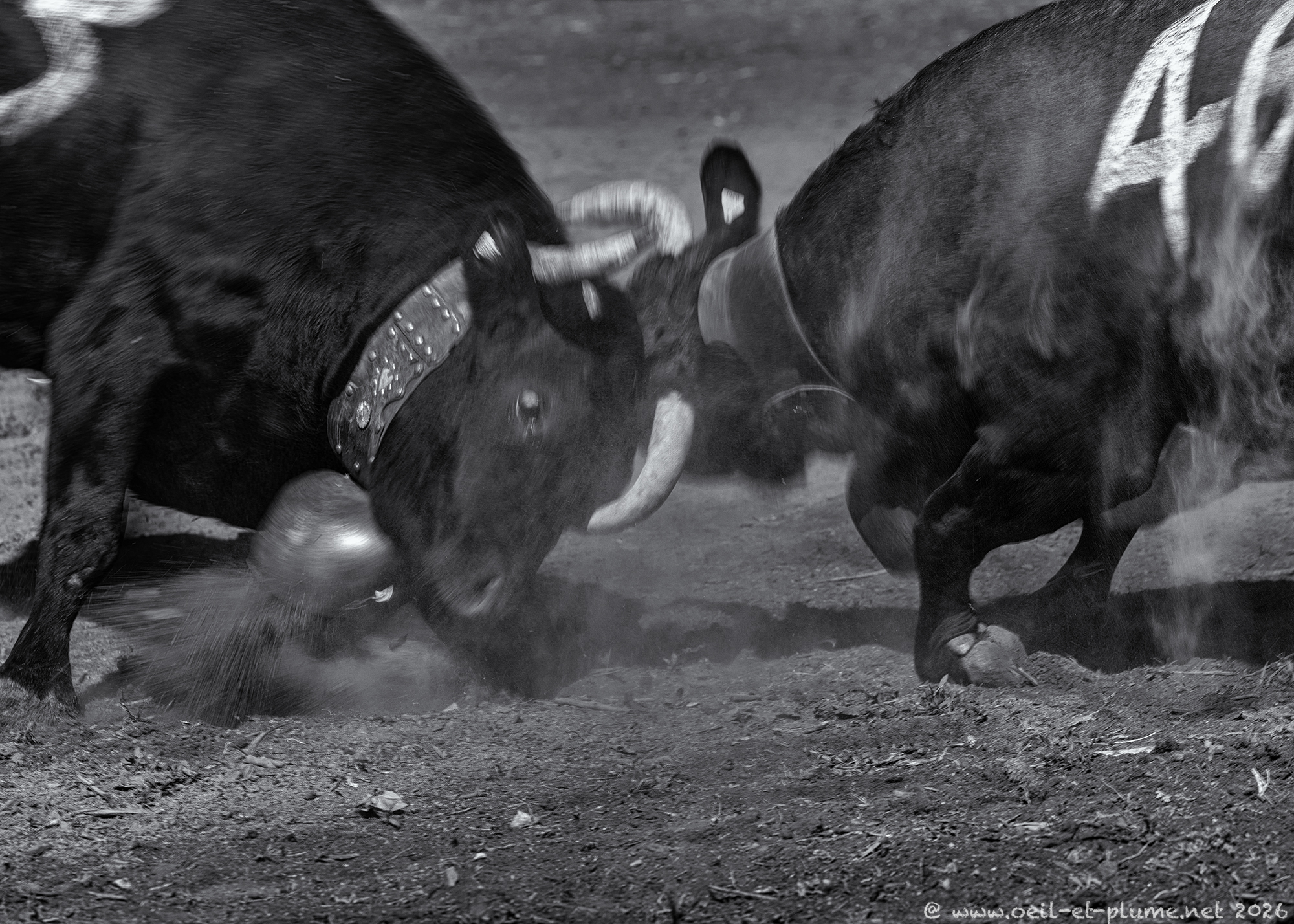
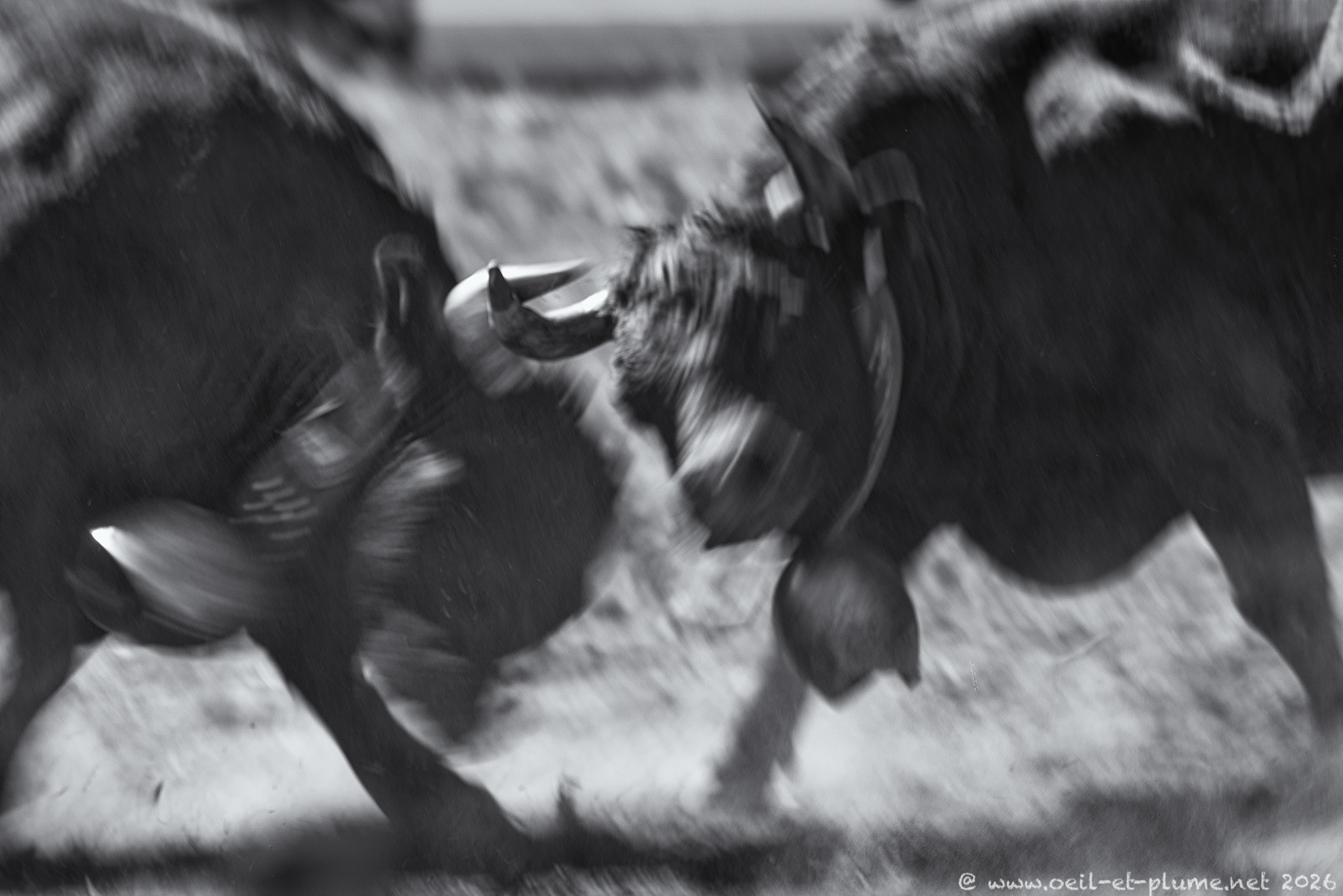
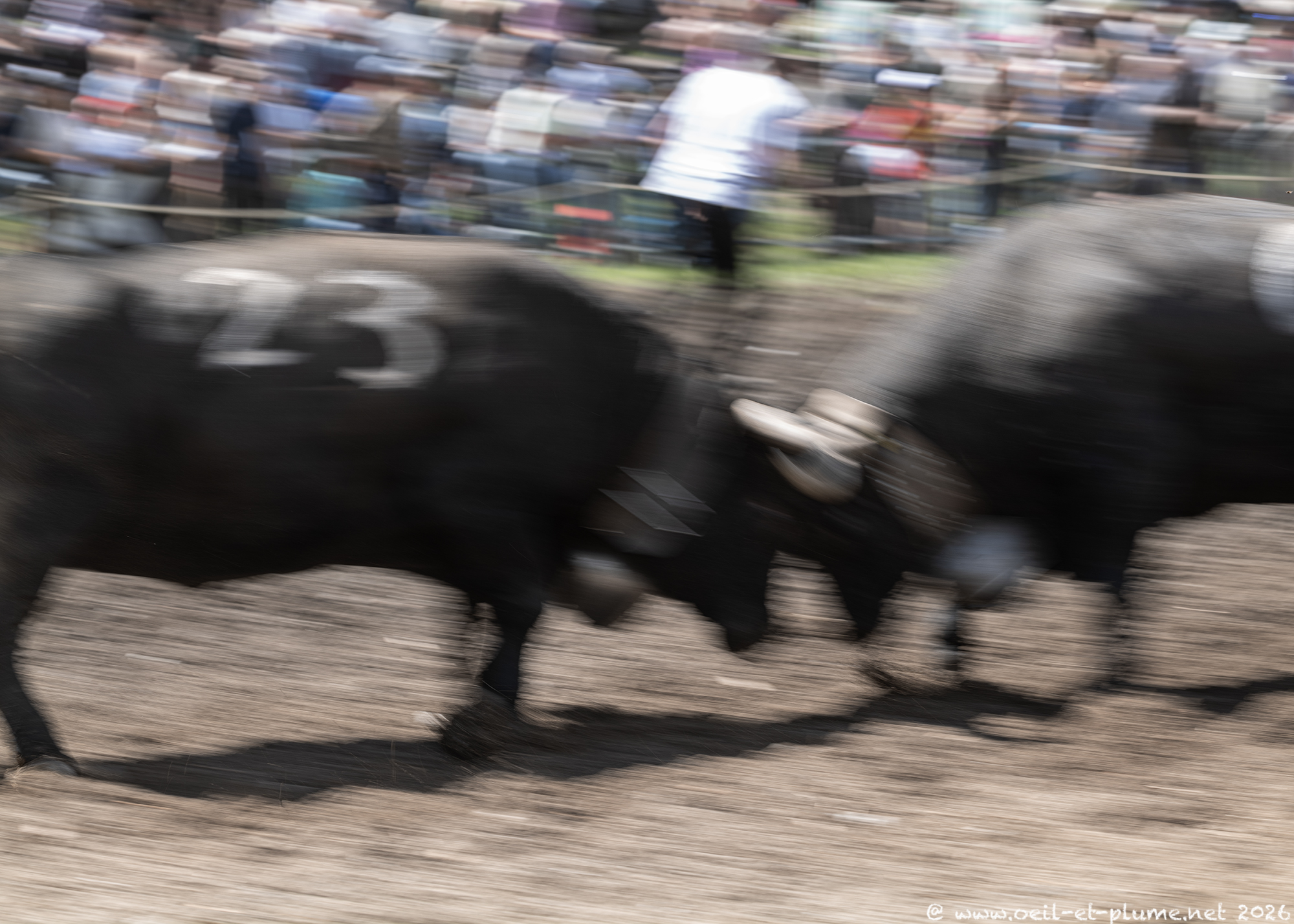
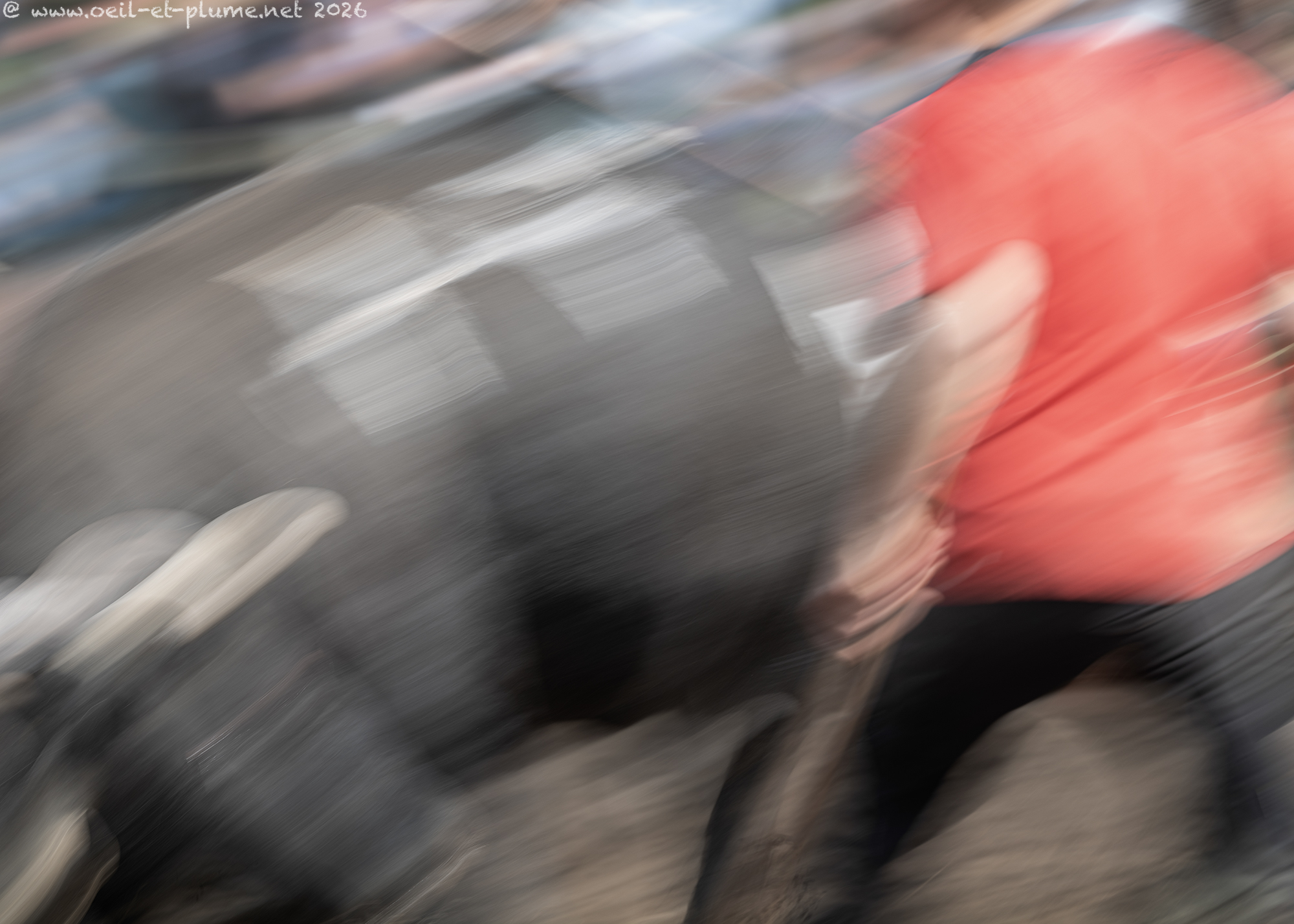
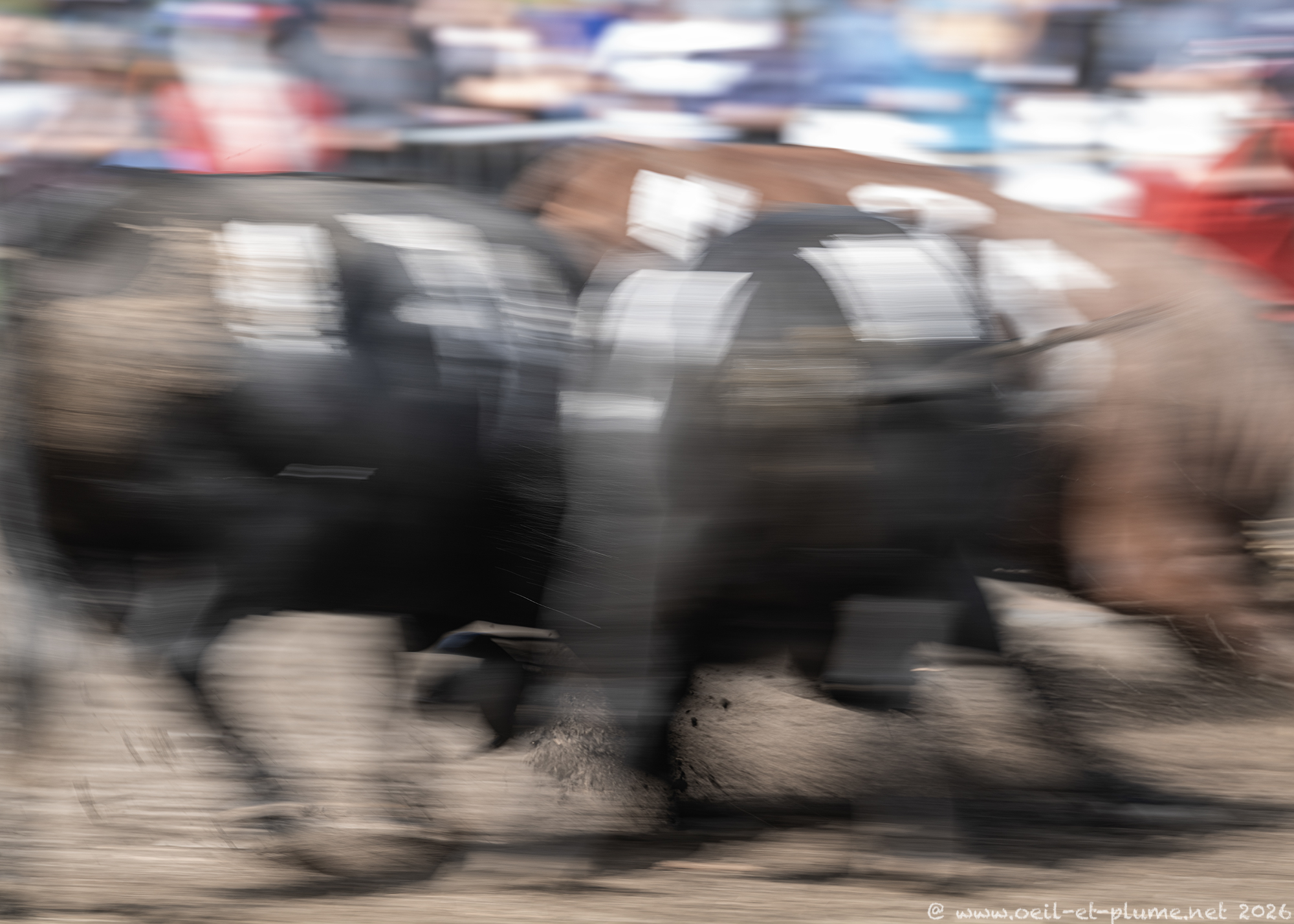
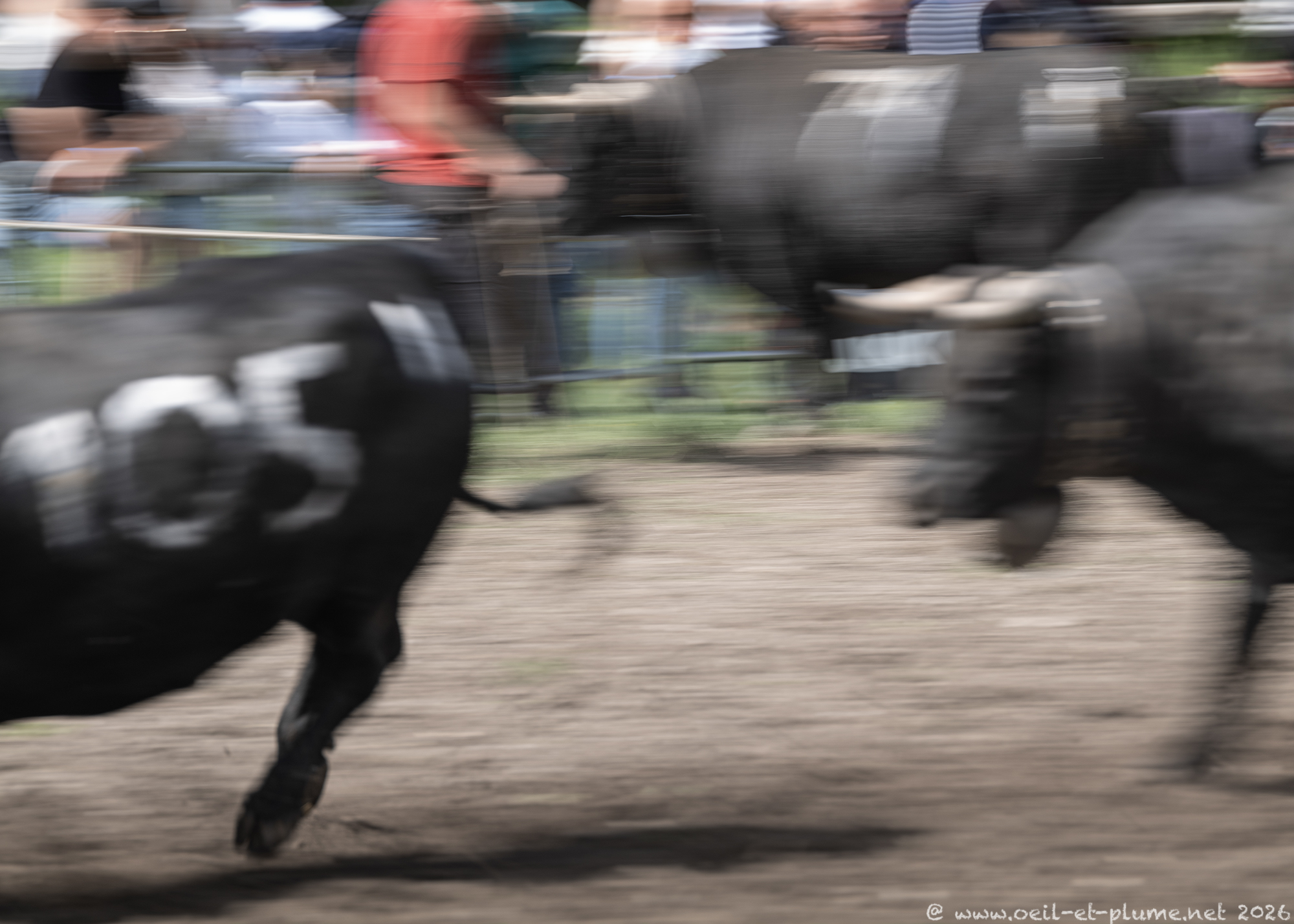
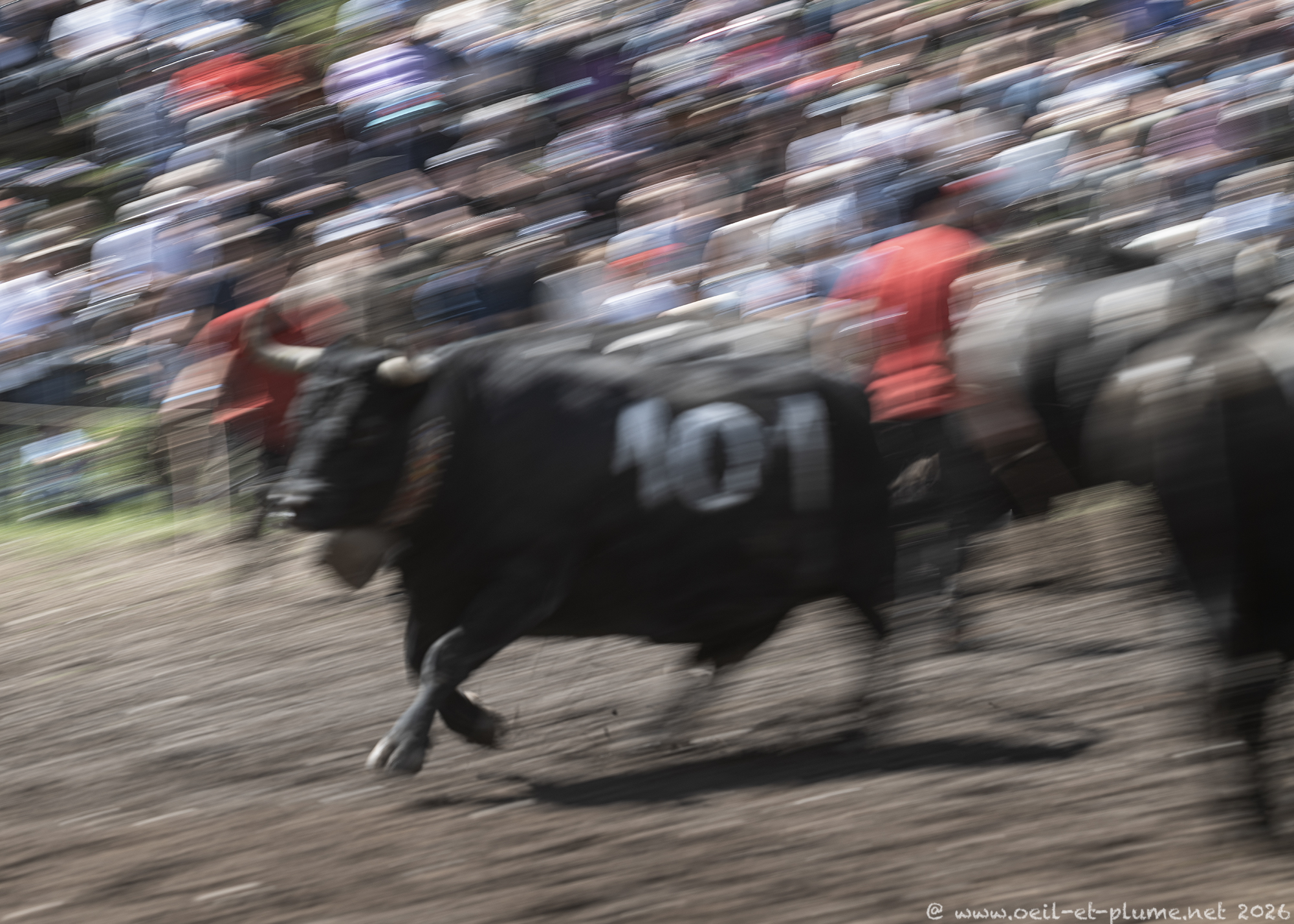
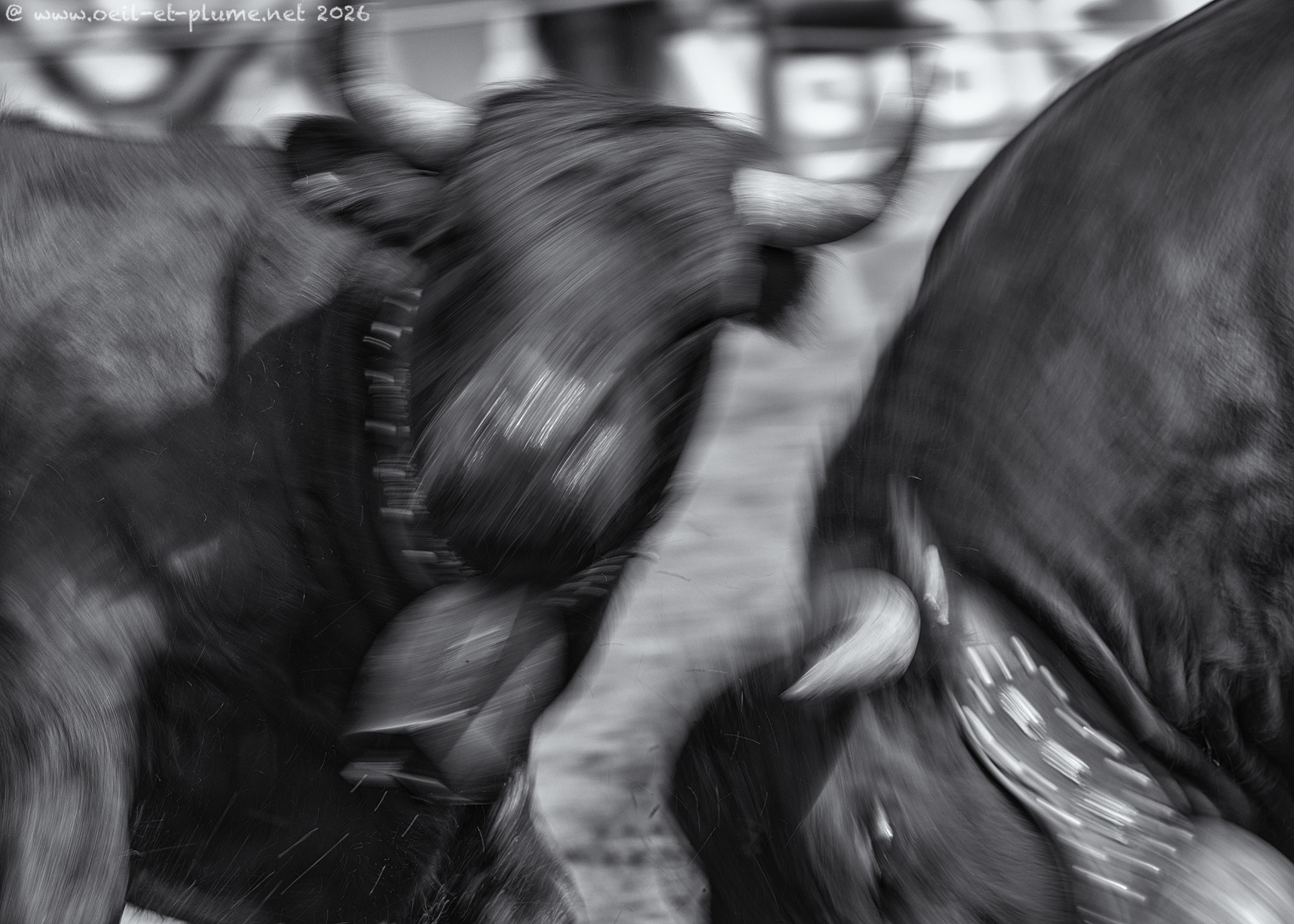
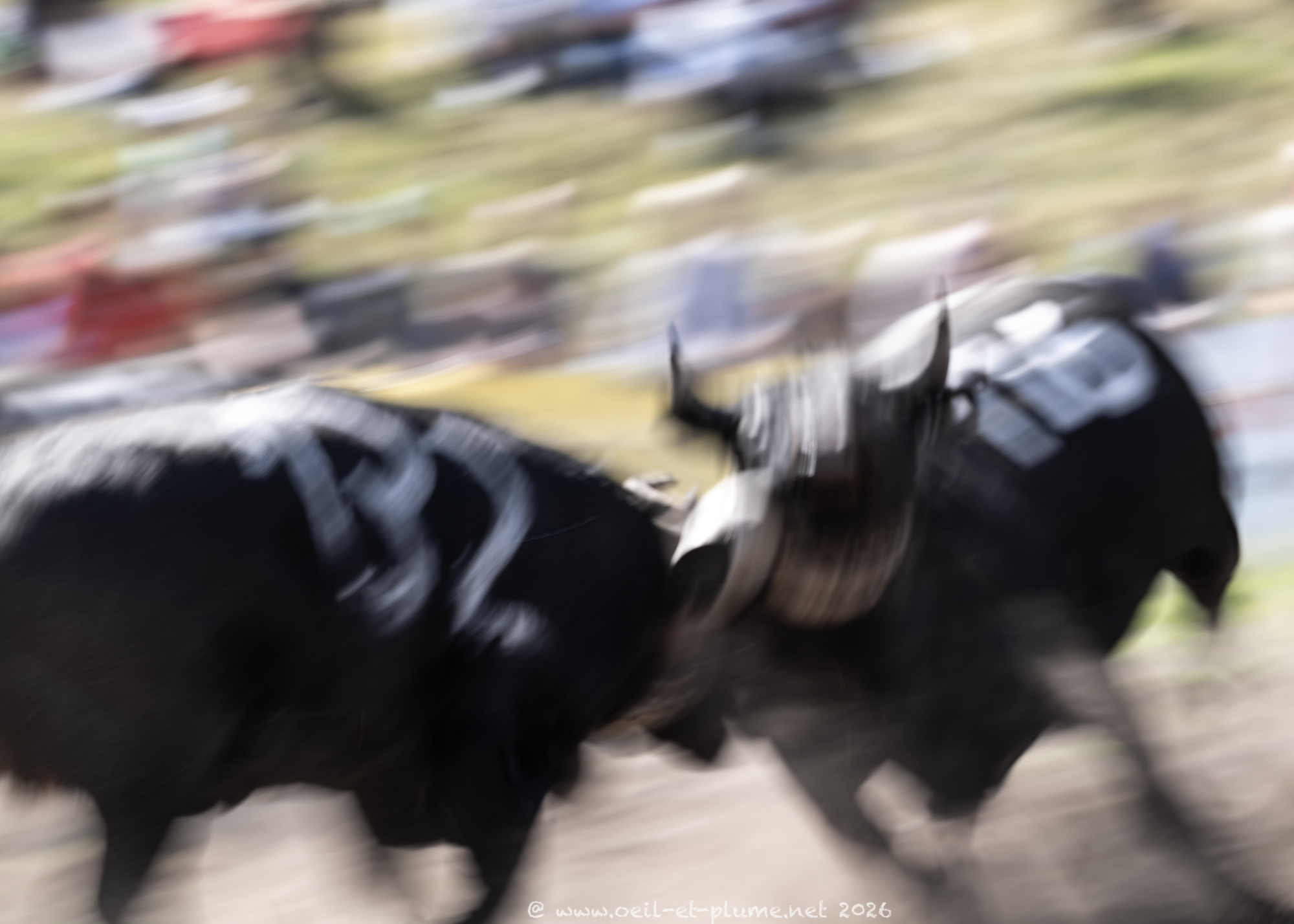
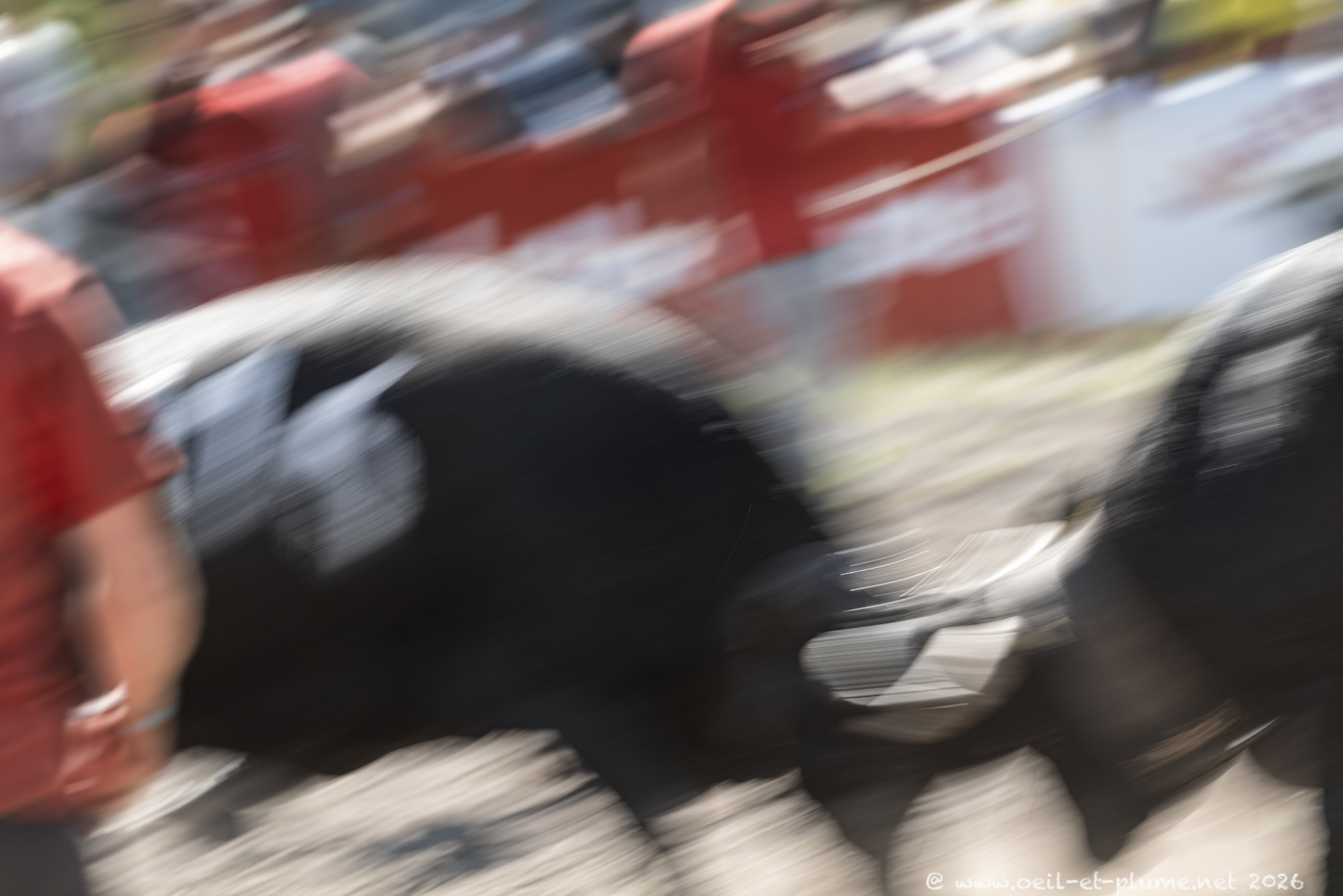
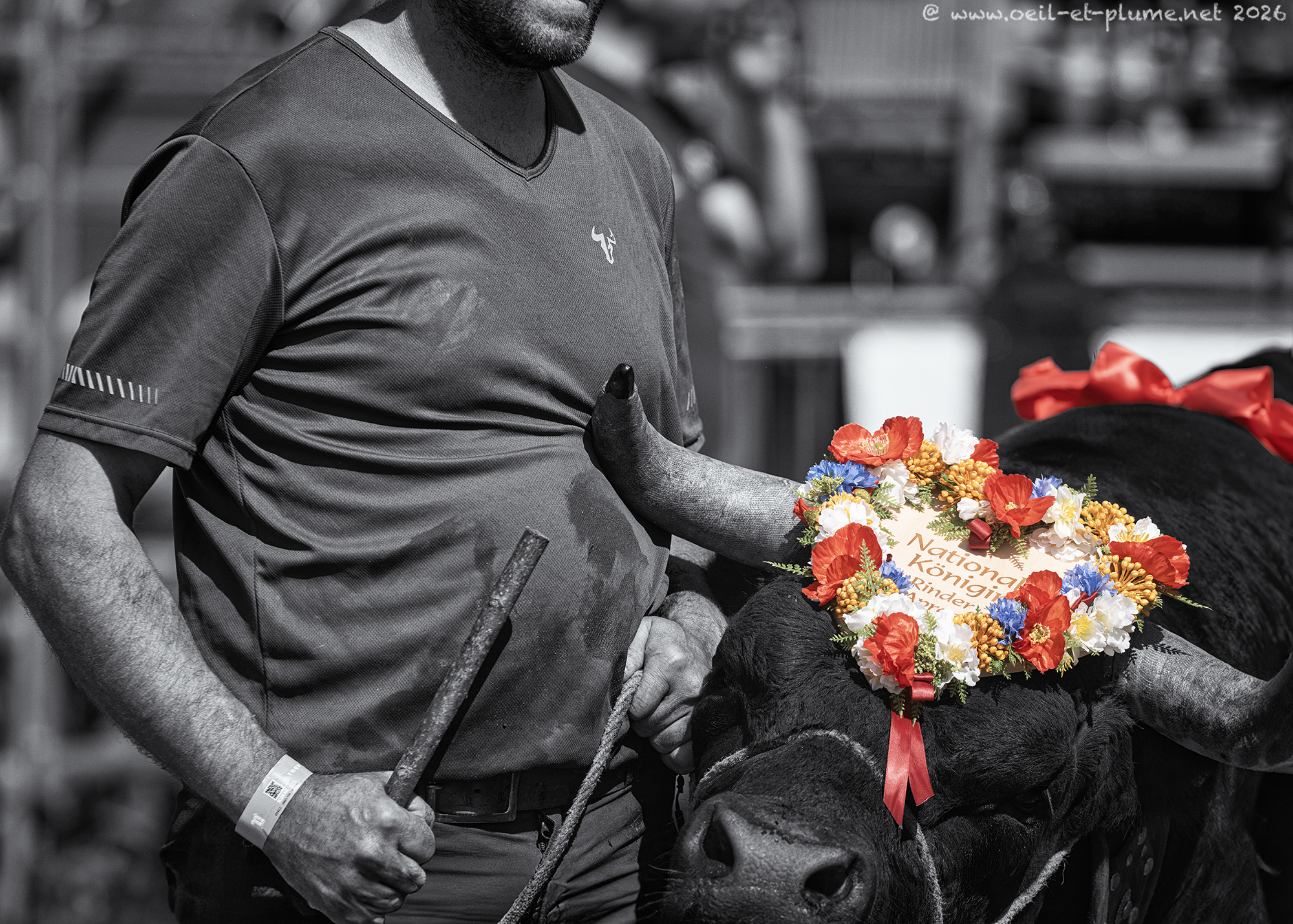
And the 2026 Queen of Queens is… Other sources will inform you on the matter. Worth recalling here that the Hérens breed counts already an iconic figure: Souris. Having already won other major competitions in previous years, the famous Hérens fighting cow secured a historic third consecutive victory in the 1998 final contest – an unparalleled achievement in the history of the Battles of Queens. Observers noted that Souris’ success stemmed not only from her exceptional physical strength but also from a rare tactical intelligence. Following her death in 2006, her body was taxidermied and is now on display at the Natural History Museum of the canton of Valais. Remarkably, Souris is distinguished enough to count on her own dedicated Wikipedia page.
Epilogue
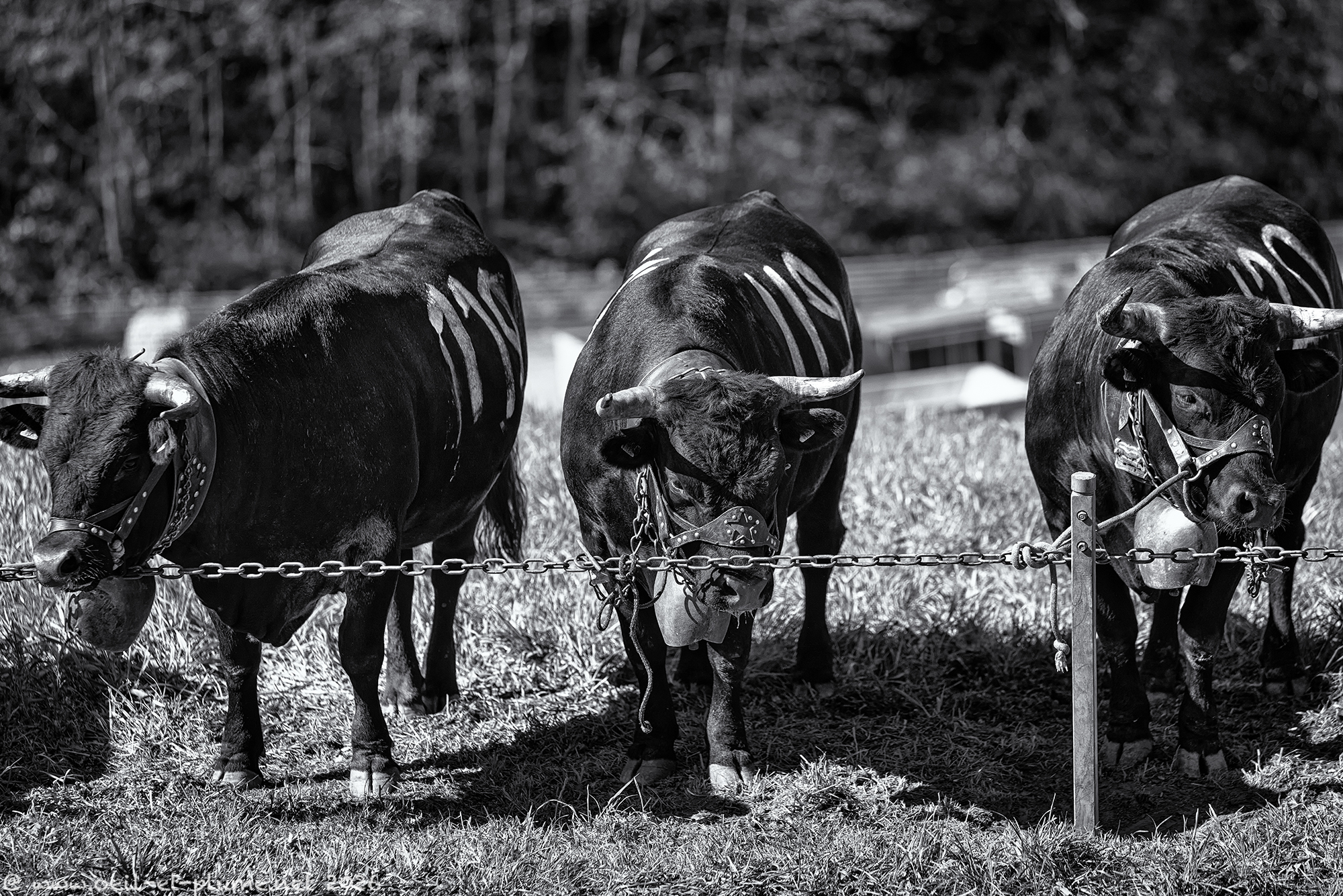
Once widespread in Valais, the Hérens cattle population declined sharply in the mid-20th century, driven largely by the rural exodus of local farmers. The breed has nevertheless survived thanks to the determination of farmers, supported by public policies aimed at preserving local agriculture. Traditional fighting tournaments such as the Battles of Queens have also played a crucial role in the breed’s survival, gaining resonance at both national and international levels.
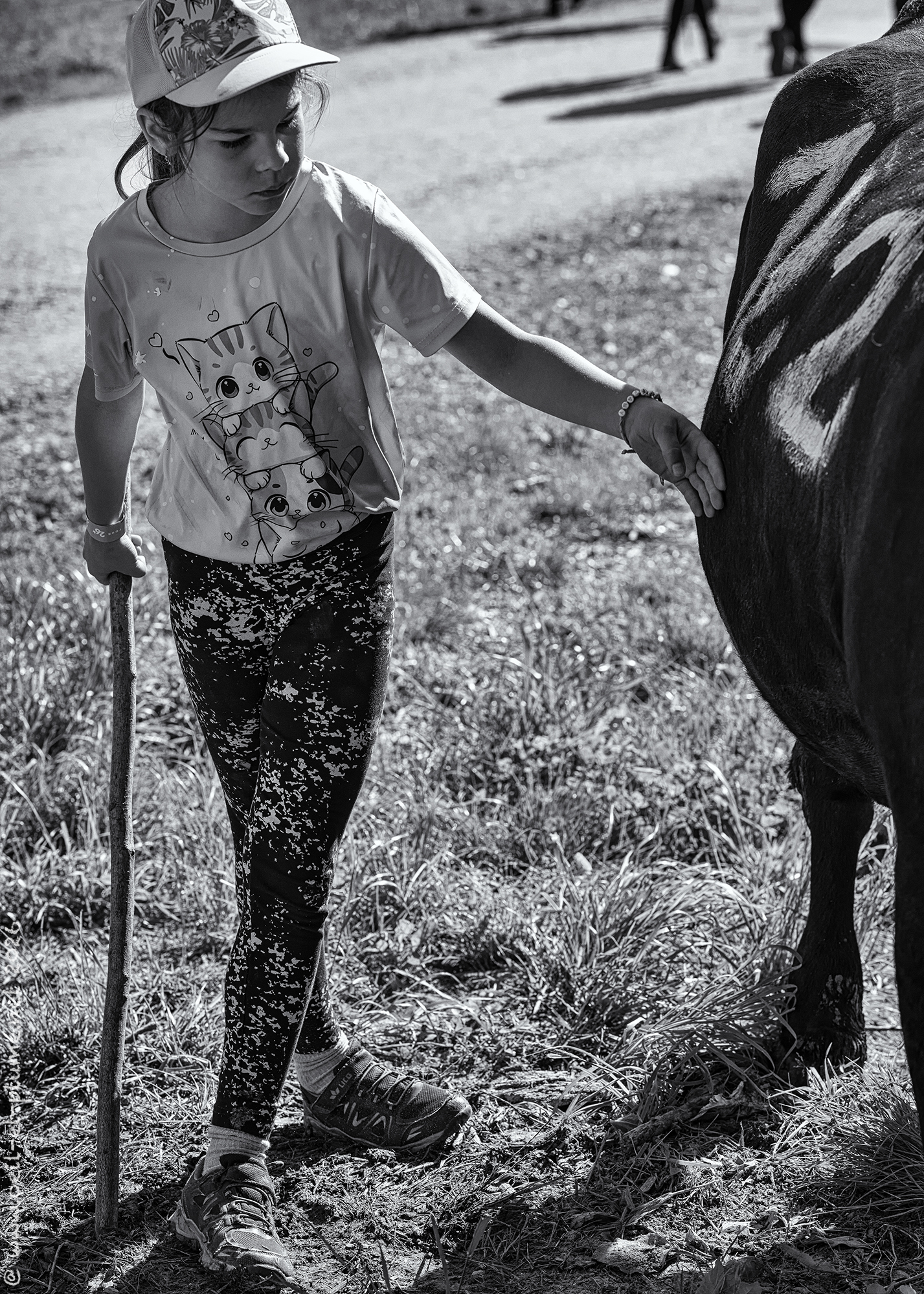
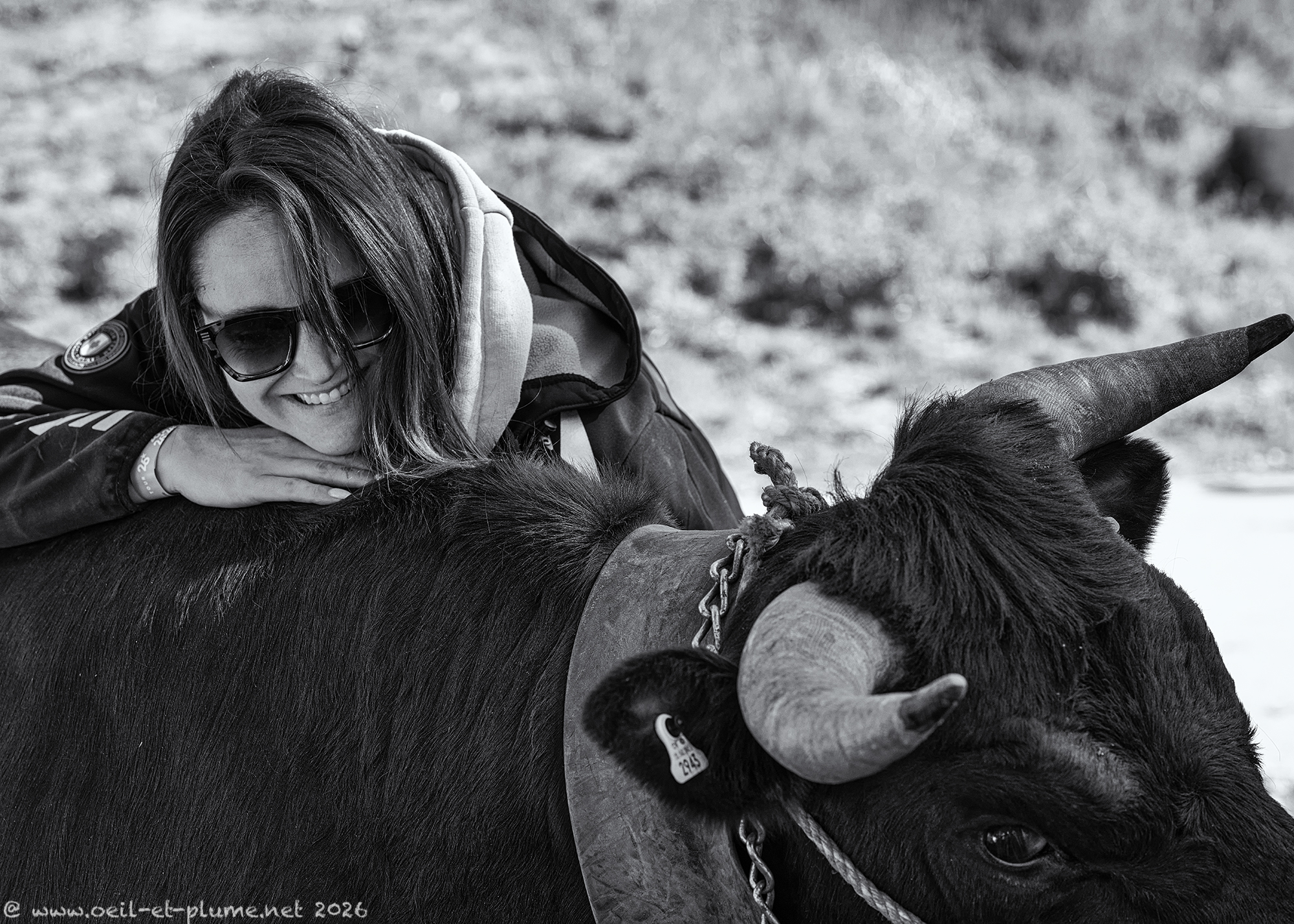
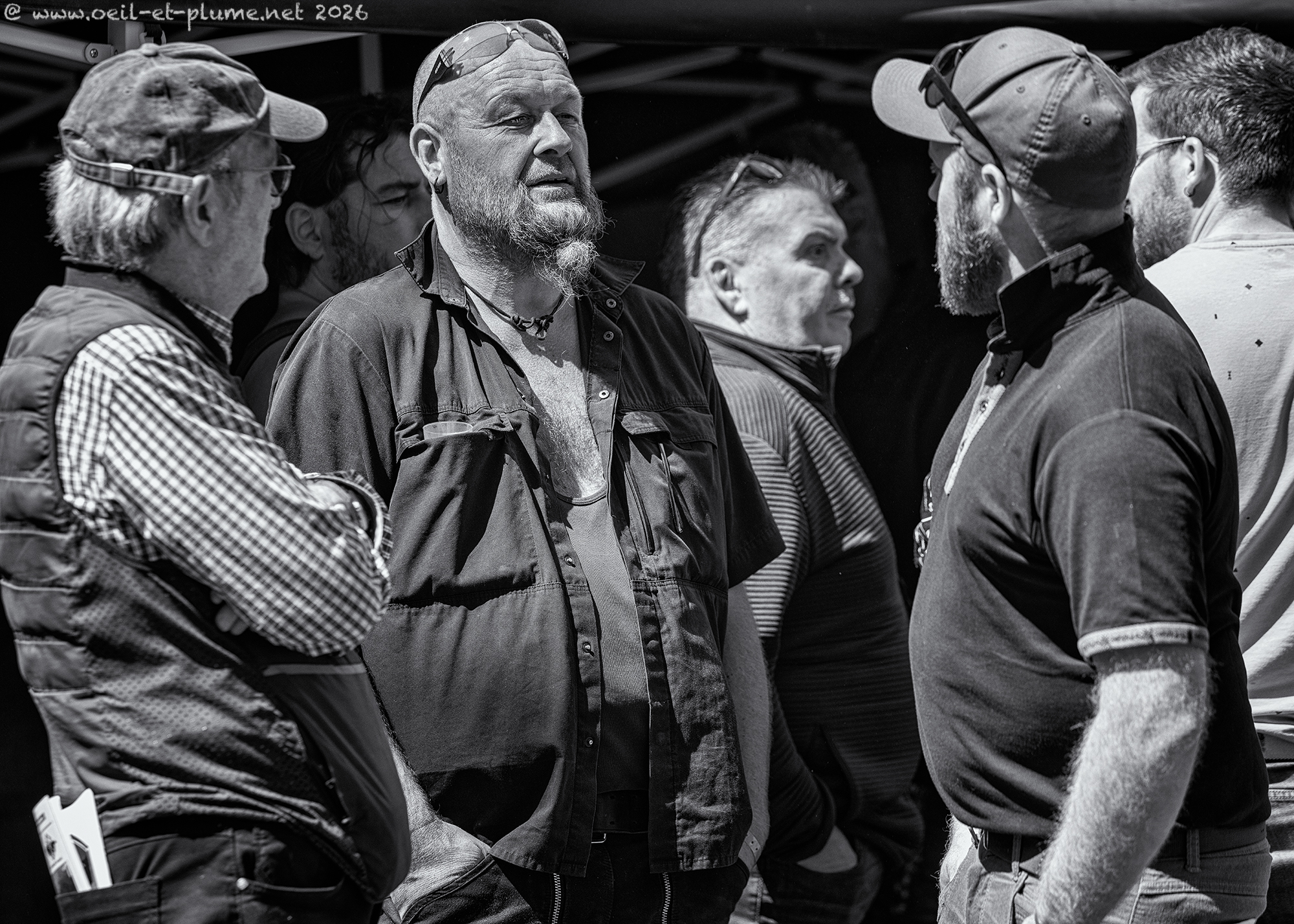
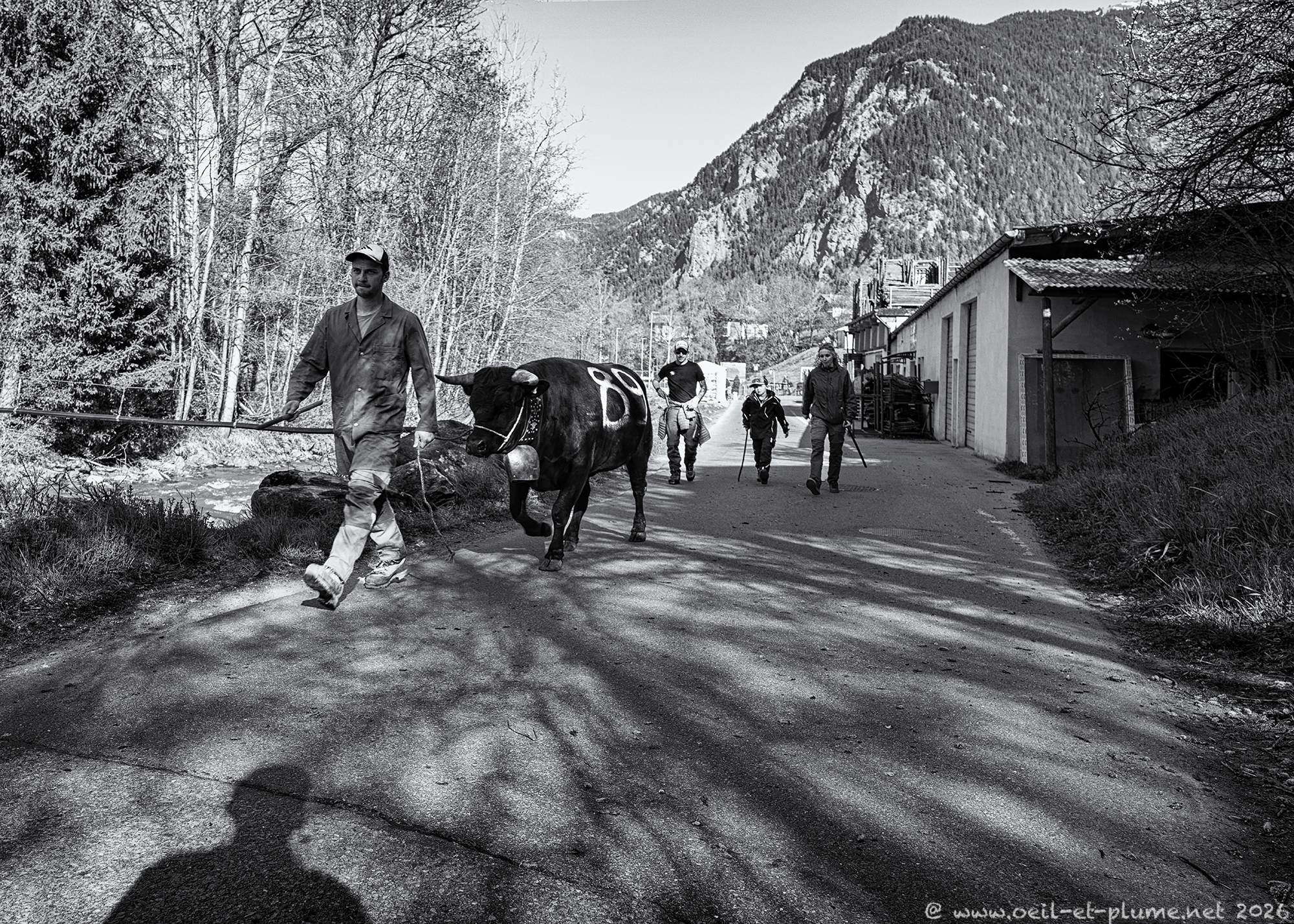
The long-term survival of the Hérens breed hinges critically on the economic viability of the farms that raise them. While passion for these unique animals is the heart of the tradition, it cannot sustain the breed on its own. Farmers must be able to run profitable and sustainable businesses, ensuring that raising Hérens cattle remains a practical livelihood rather than just a labour of love. The hope is that market conditions and support systems will align to make this possible.
I will keep attending Battles of Queens. These events are far more than mere spectacles; they are a vivid and vital celebration that reinforces the intrinsic link between local agriculture, the distinctive Hérens breed, and the enduring cultural heritage of the Swiss Alps. By witnessing these gatherings, we support the ecosystem that keeps this tradition alive.
Cheers,