
The Binntal Valley (Valley of Binn) is one of the most remote, wild, and unspoilt regions of the Upper Valais. Designated a nature park of national importance, this long, secluded valley stretches from the Rhône Valley plains to the Italian border.
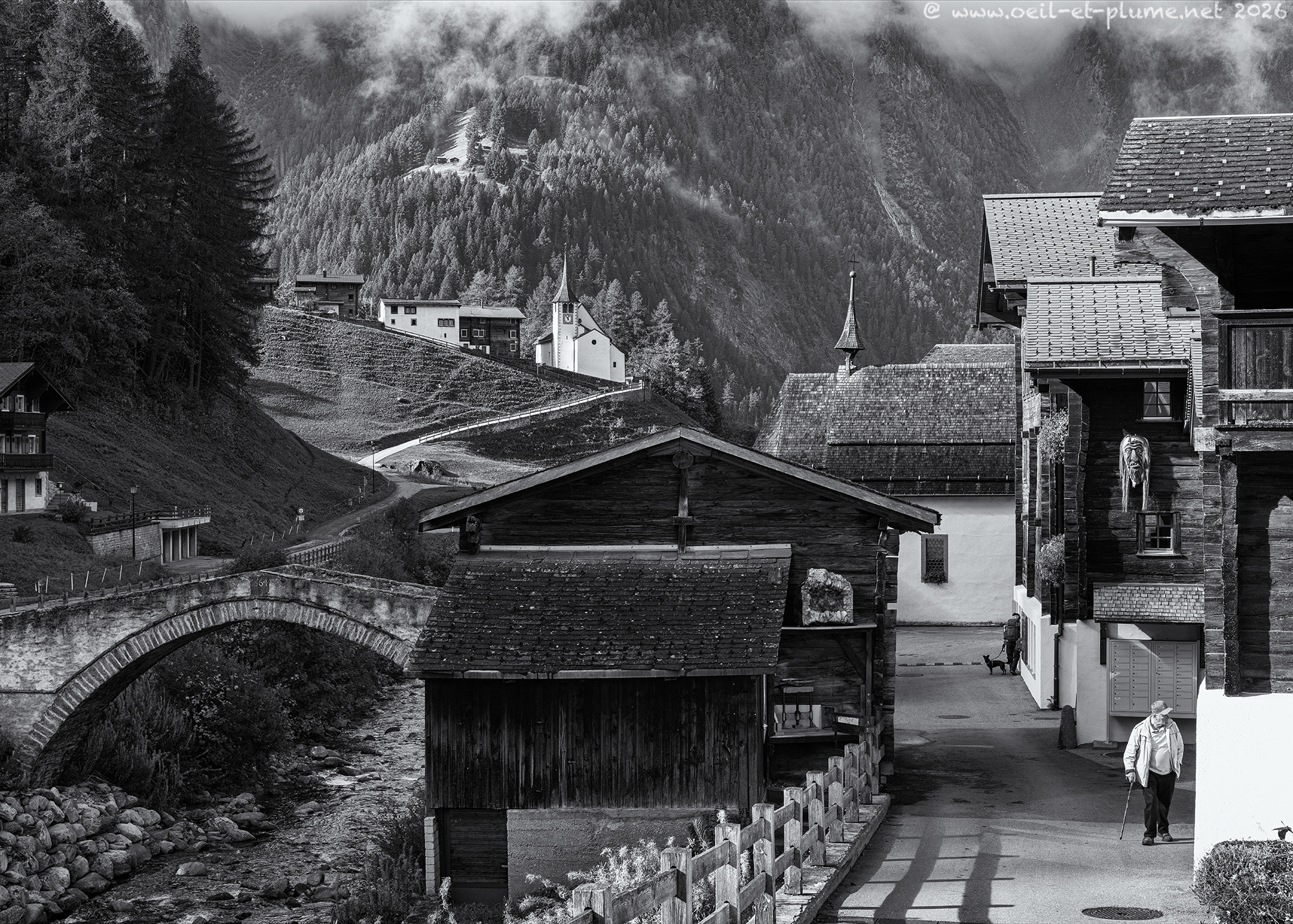
Known as the “Valley of Hidden Treasures,” Binntal owes its nickname to its extraordinary geological richness. More than 250 mineral species have been discovered here, including 23 found nowhere else in the world. This remarkable mineral diversity is unique in the Alps. The valley’s traditional heritage is equally impressive. For instance, the village of Ernen is renowned for its wealth of historic architecture, while the village of Binn takes pride in its 17th-century stone bridge.
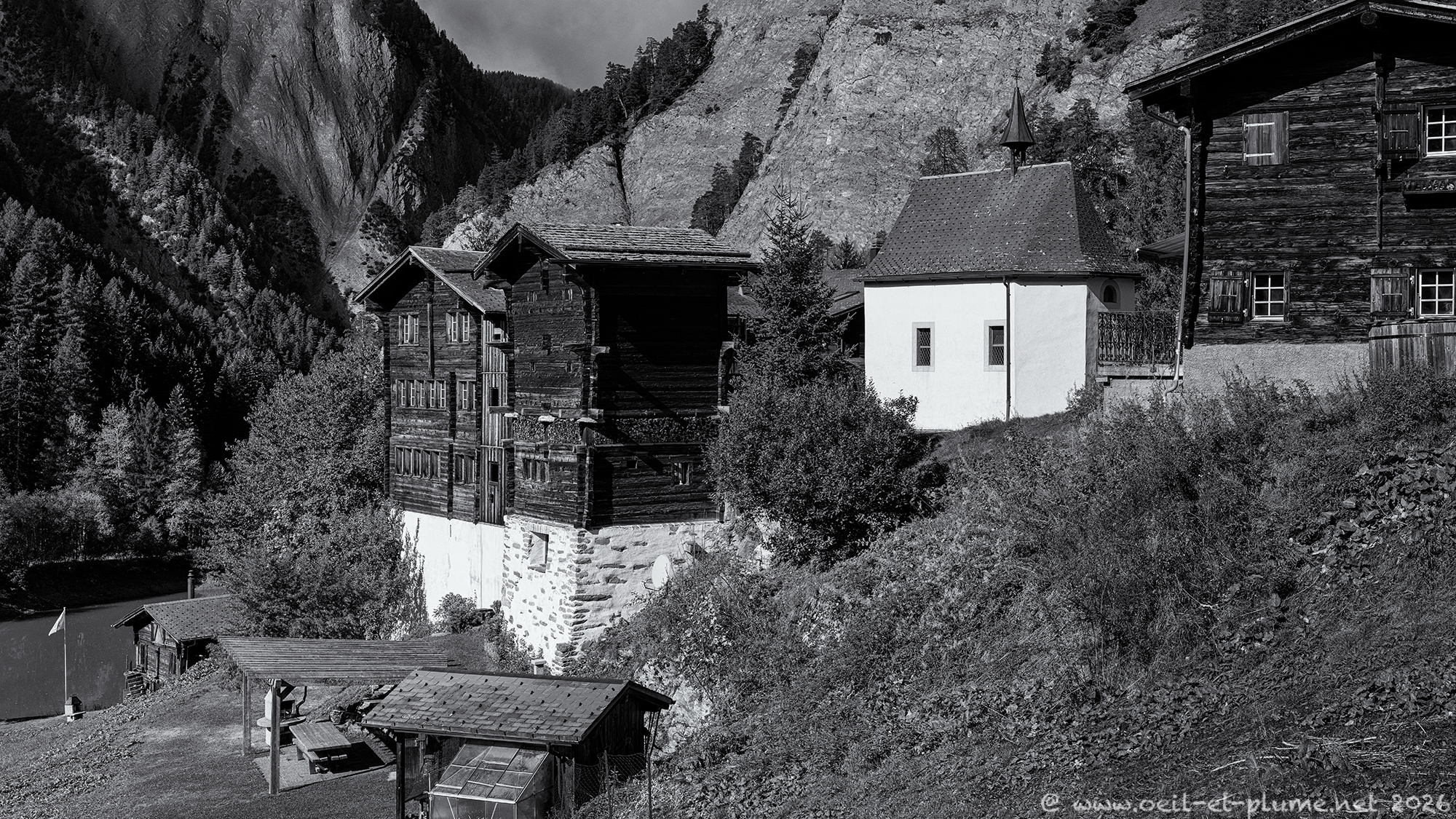
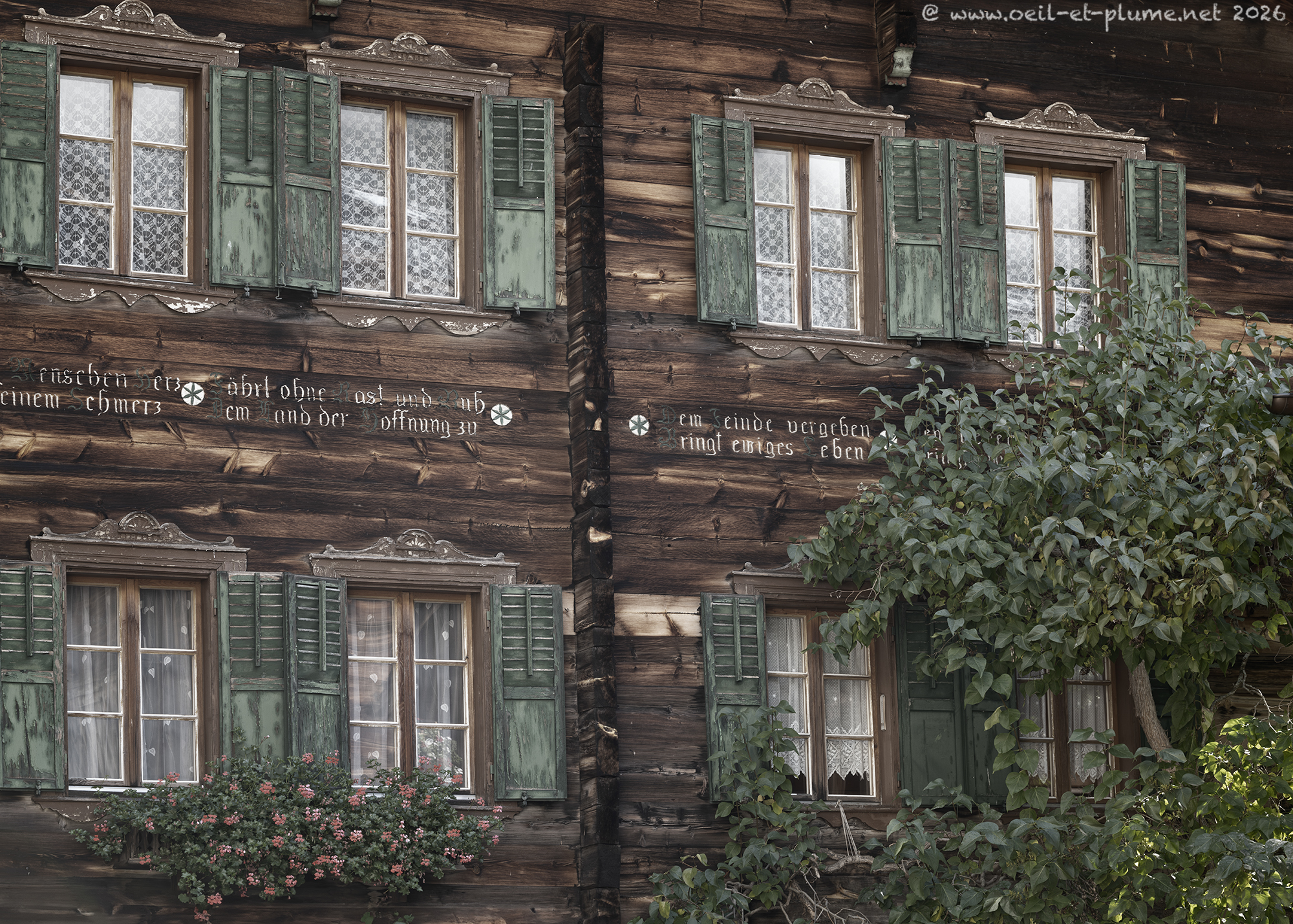
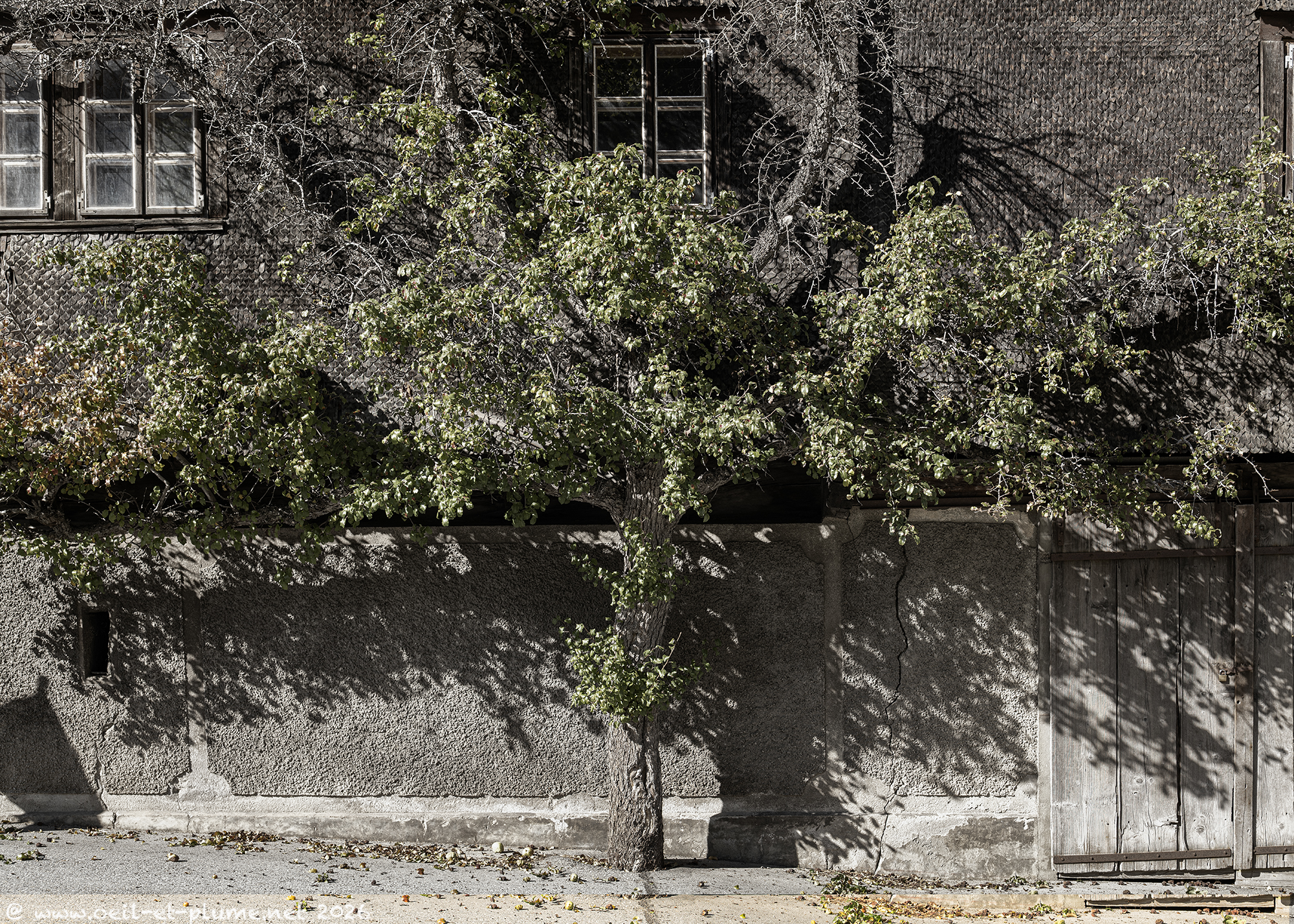
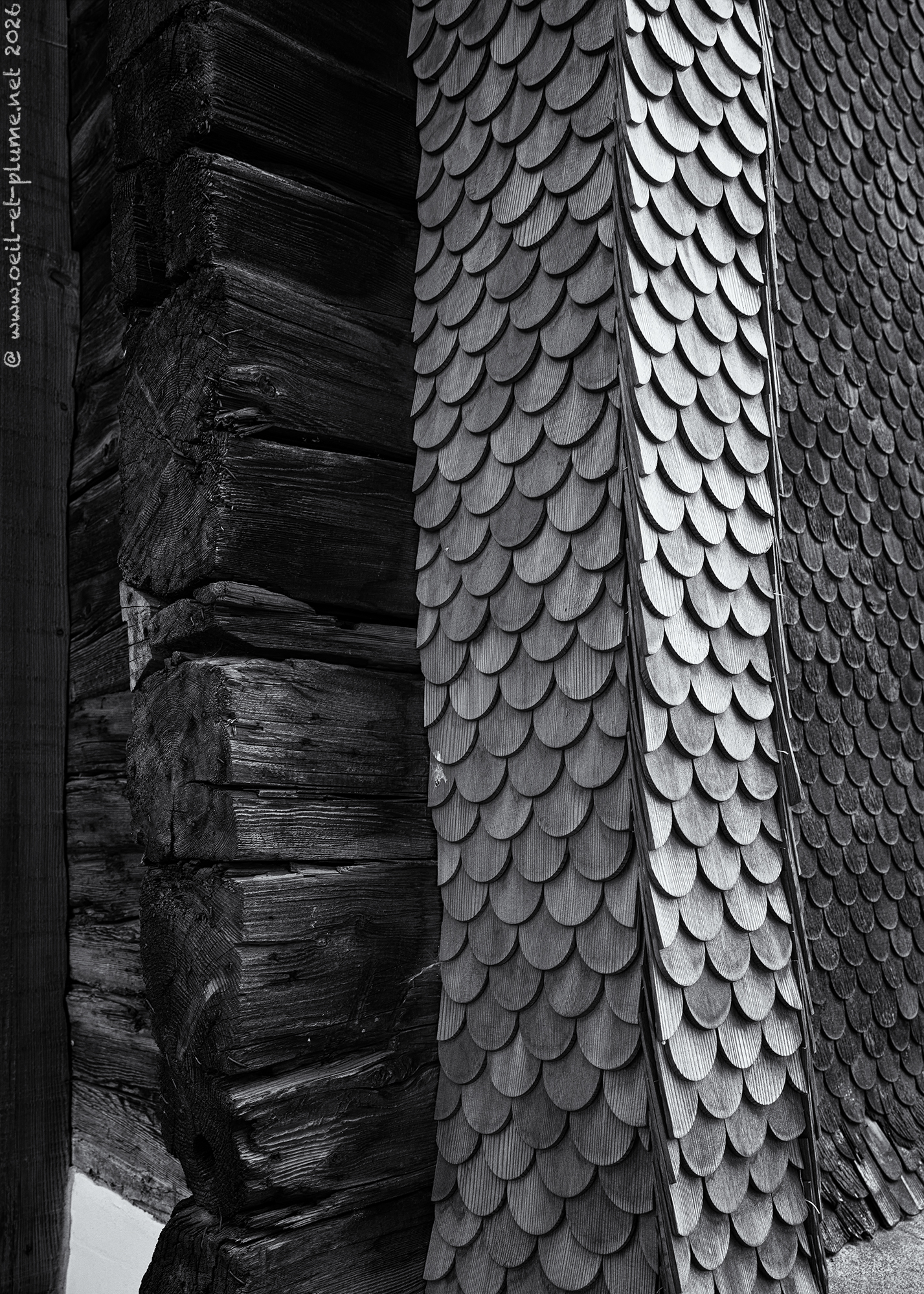
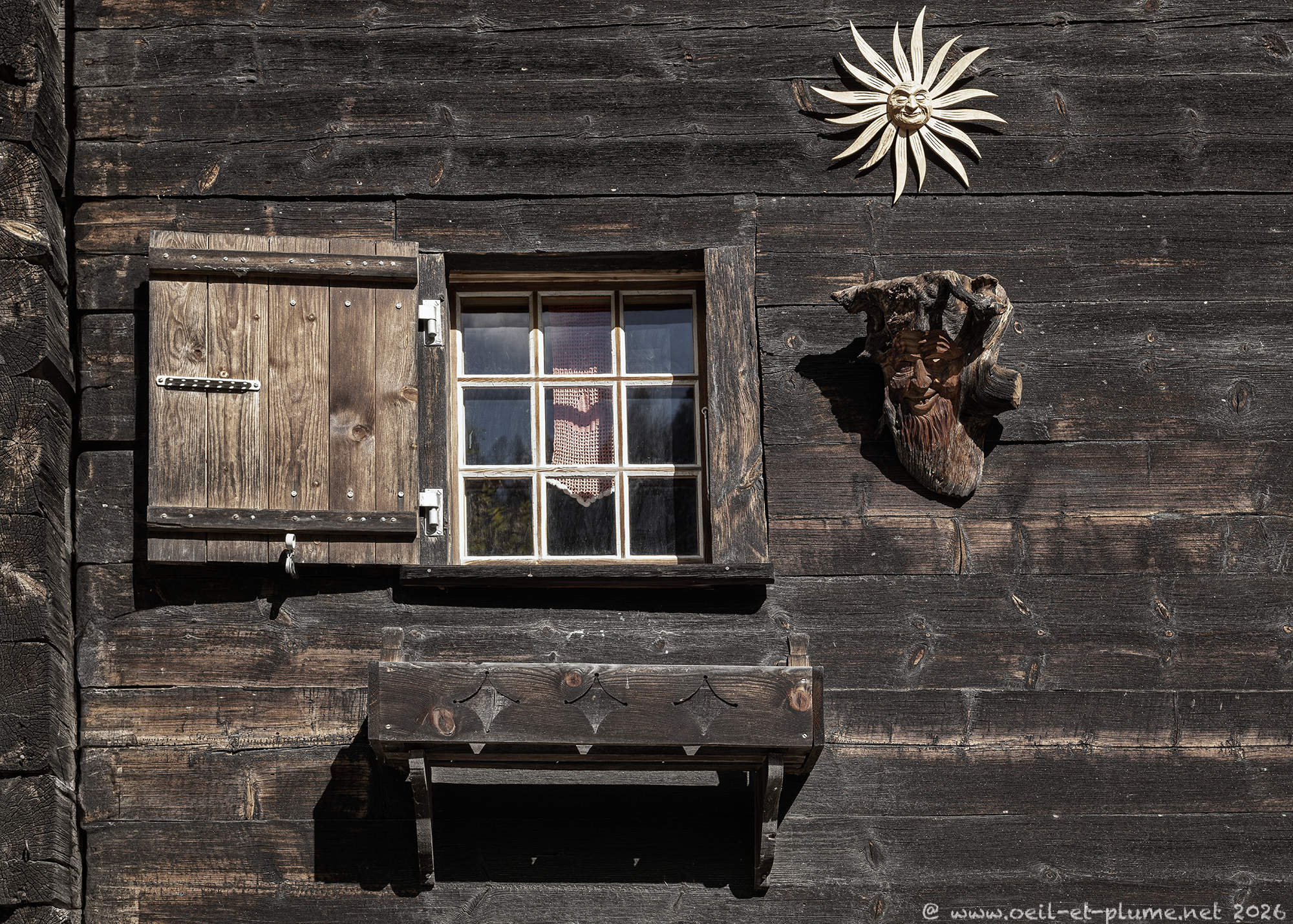
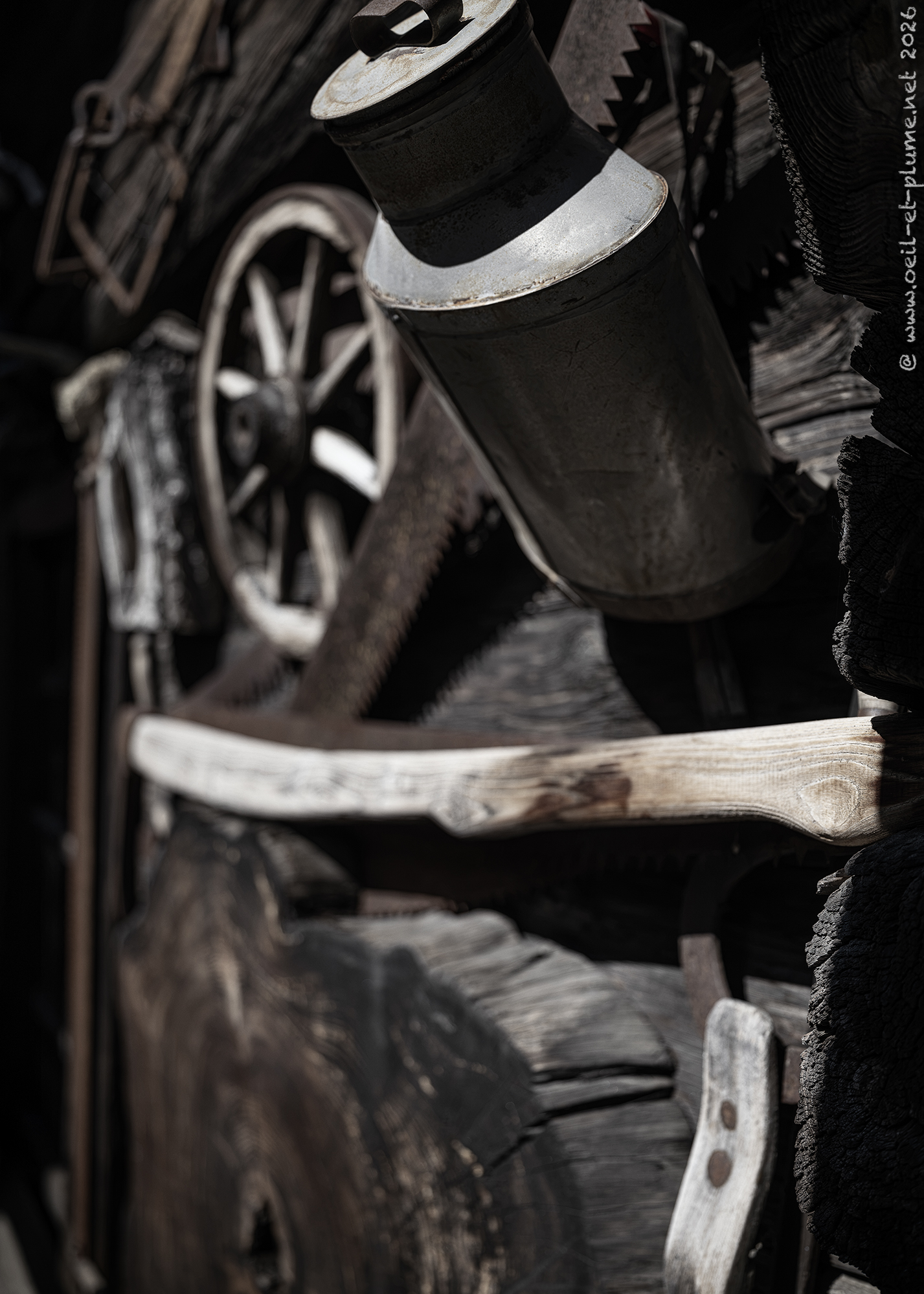
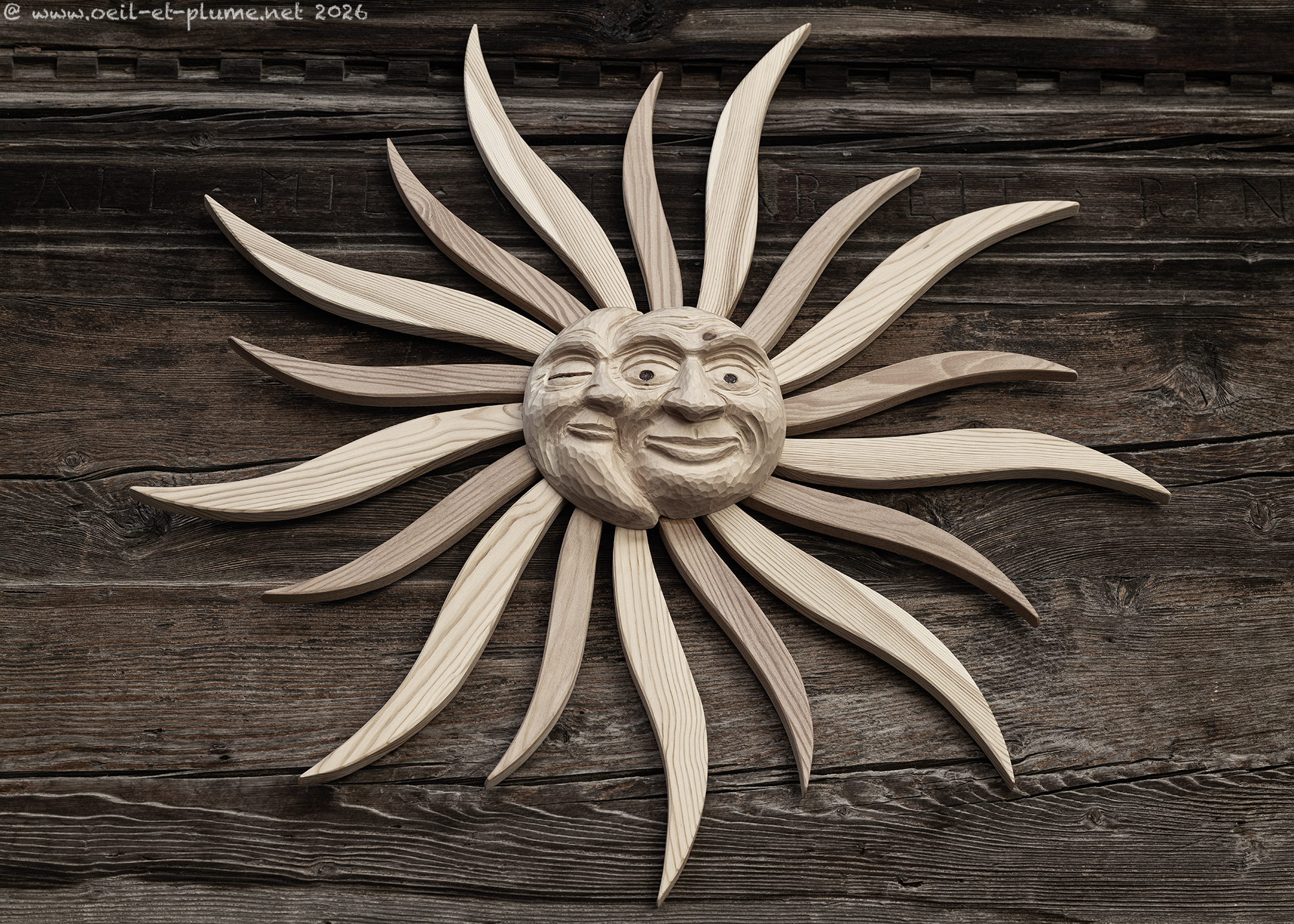
Until the 1960s, the only road connecting Binntal with the Rhône Valley wound precariously through the Twingi Gorge, becoming impassable during the winter months. Since then, a modest tunnel carved through the mountain has improved road access to the valley throughout the year.
The Binntal dwarves’ challenge
It all started here. I was visiting Binn village, when I met with an old local resident walking with difficulty but very talkative. Stimulated by my curiosity, he explained how much the geographical isolation of the Binn valley fed local beliefs, tales and legends across centuries to keep some popular credit until today. He told me first about the Bozen, those spirits living in rocky rifts and protecting precious minerals of the valley against human pillage. He went on to elaborate on the Gogwärgini.
In the mystical folklore of the Upper Valais, the Gogwärgini are tiny, skilled, hardworking, and benevolent dwarves, much like gnomes or mountain sprites. Warm and welcoming, they made life easier for the people of the Binntal, sharing for instance with the shepherds the secrets of medicinal herbs and the art of cheesemaking.
In return for their help, the Gogwärgini asked only that humans respect the mountains and the dwarves’ own community. But over time, humans grew too curious, too noisy, and too greedy. Deeply hurt by their behaviour, the little spirits disappeared suddenly, taking their secrets with them and hiding the finest crystals deep within the rocks.
Ever since, the people of the Binntal Valley have been left to fend for themselves. Many still long for the good old days, when humans and the Gogwärgini lived together in mutual respect and harmony. “Could you identify the Binntal dwarves’ current whereabouts and convince them to reconnect with us”? This was the challenge the old man had set before me. I foolishly accepted.
Binntal dwarves’ tales
I first gathered additional information about the former interaction between the Binntal dwarves and local people, as well as on the circumstances of the dwarves’ disappearance from the valley.
According to traditional accounts, the Gogwärgini were known for secretly helping local farmers, thanks to their magical knowledge and extraordinary agility. Amongst their many good deeds, they would emerge from their hiding places in the mountains to milk the cattle, clean alpine chalets, and tend the fields while their human neighbours were away.
Bred and cheese sharing
One Binn tale tells of a Gogwärgji who managed an entire alpine pasture on his own. In return for his work, he asked the human owner for nothing more than a loaf of bread and a piece of cheese from time to time. The benefactor explained to the farmer that, as long as the latter would not consume more than half of his supplies of bread and cheese, the dwarf could take his share while the provisions magically replenished themselves each night.
The enchantment remained unbroken until the day the farmer, drunk, shared his entire store of food with his friends. With that single act, the spell was broken, and the miraculous provisions were lost forever.
Milk processing secrets
Long ago, the people of Binntal had no idea how to make the most of their cows’ milk. The Gogwärgjini taught the villagers how to preserve and transform milk: how to churn milk into butter, how to curdle and press it to make cheese, and how to extract whey to produce sérac, a traditional whey cheese.
The dwarves were on the verge of revealing their most precious secret: how to turn whey into candle wax, an invaluable resource in those days for lighting homes during Binntal’s long winter nights.
But instead of expressing their gratitude, some villagers began to mock the dwarves for their small stature, their sometimes webbed feet, and their strange clothing. They even played tricks on them.
Deeply wounded by such disrespect and ingratitude, the dwarves’ leader abruptly stopped the knowledge-sharing and shouted out: “Thanks to us, you learned how to make butter, cheese and sérac. But the secret of candle wax shall forever remain beyond your reach!”
After this affront, the Gogwärgjini gathered their few belongings and departed. According to legend, they crossed the mountain passes in long, sorrowful processions, never to return.
From that day on, the Binntal farmers were on their own, regretting their spite that had driven their little benefactors away. They indeed were forced to continue making their candles from smelly animal tallow until they gained access to modern sources of light.
Search for dwarves
The time has come for me to search for the Binntal dwarves in earnest. I set off toward the most remote reaches of the valley.
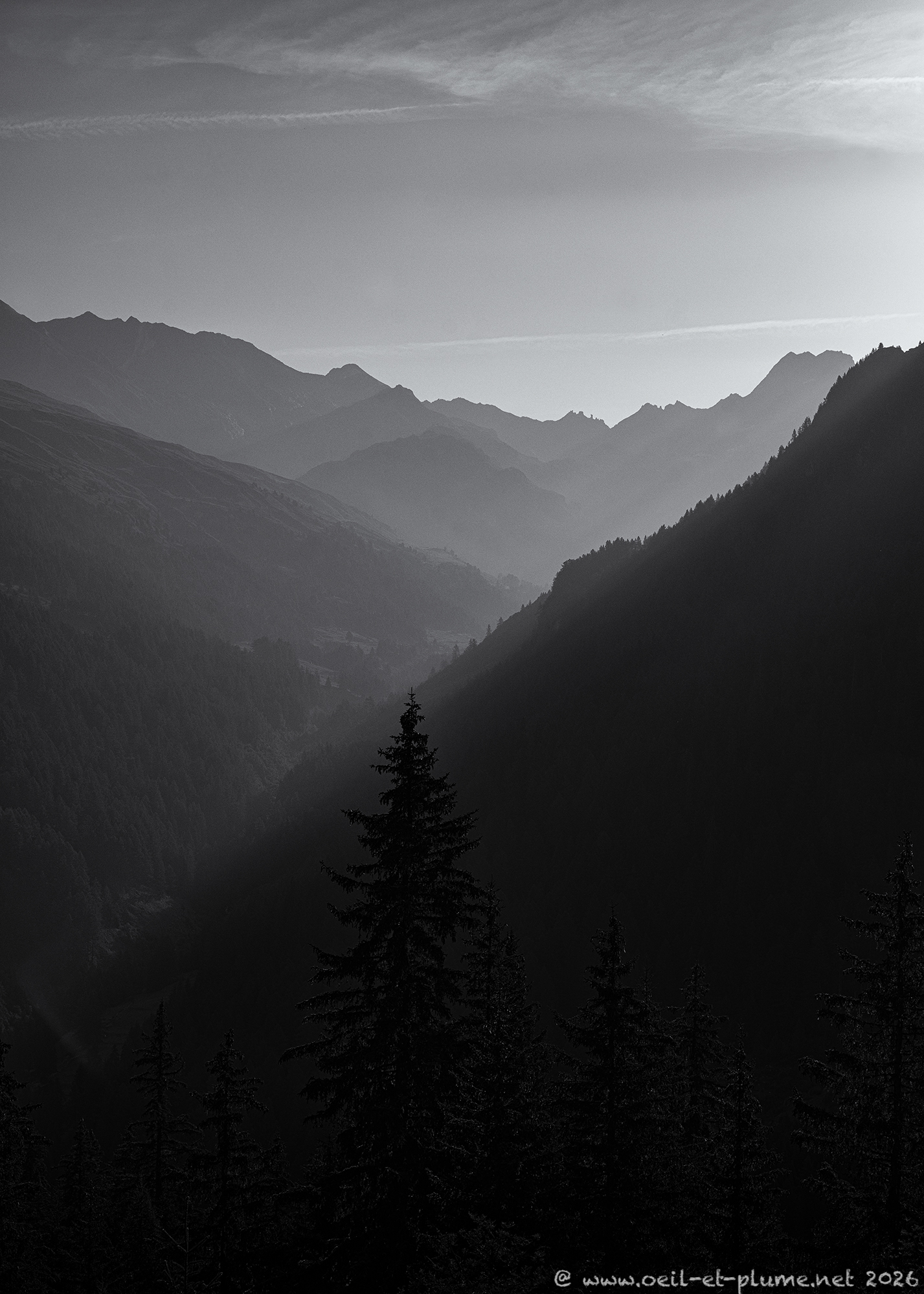
Knowing how fond the dwarves are of water, I plan to explore the lakes and ponds in the upper Binntal, particularly those near the border with Italy’s Piedmont region. But first, I must make my way through an impenetrable mountain forest.
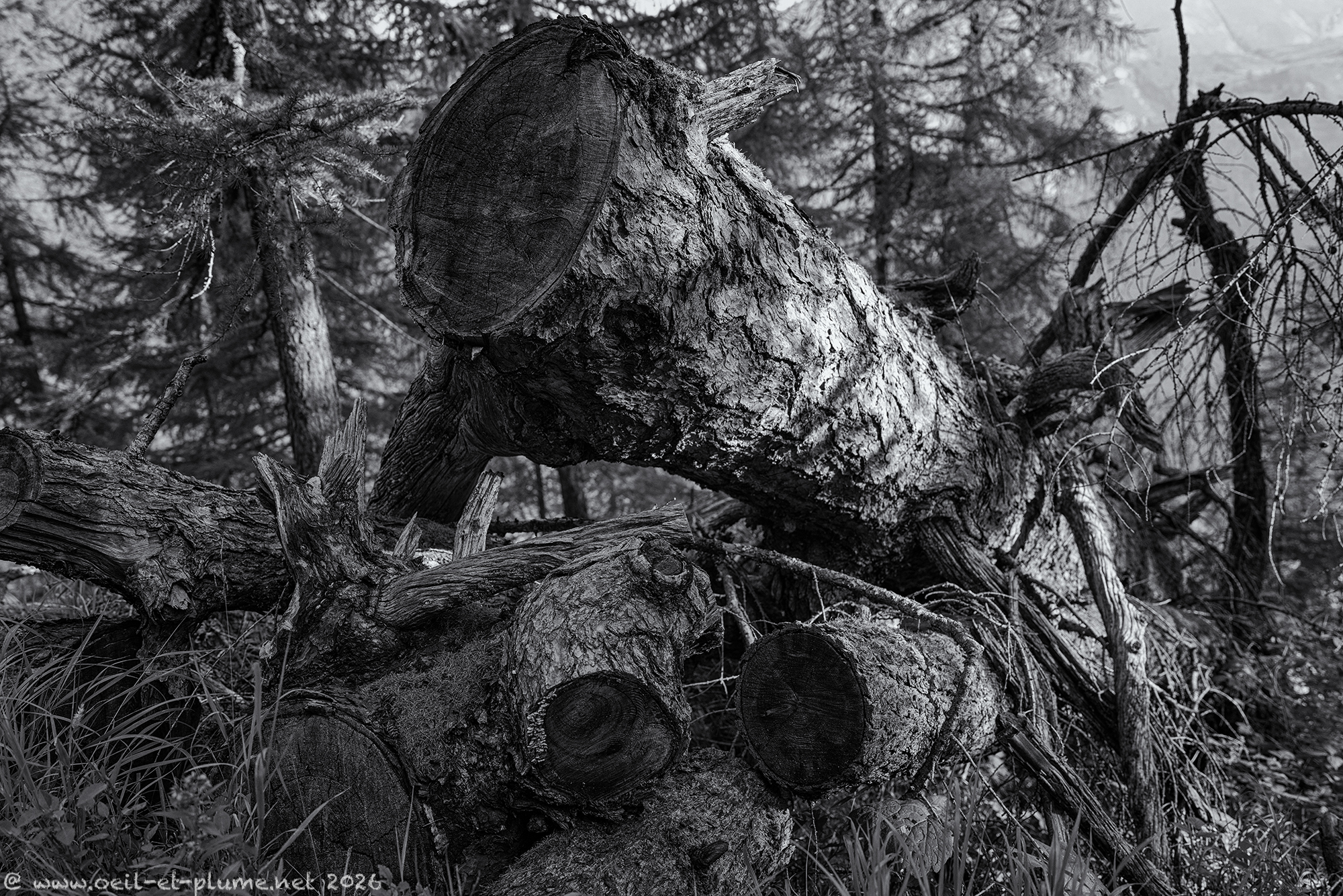
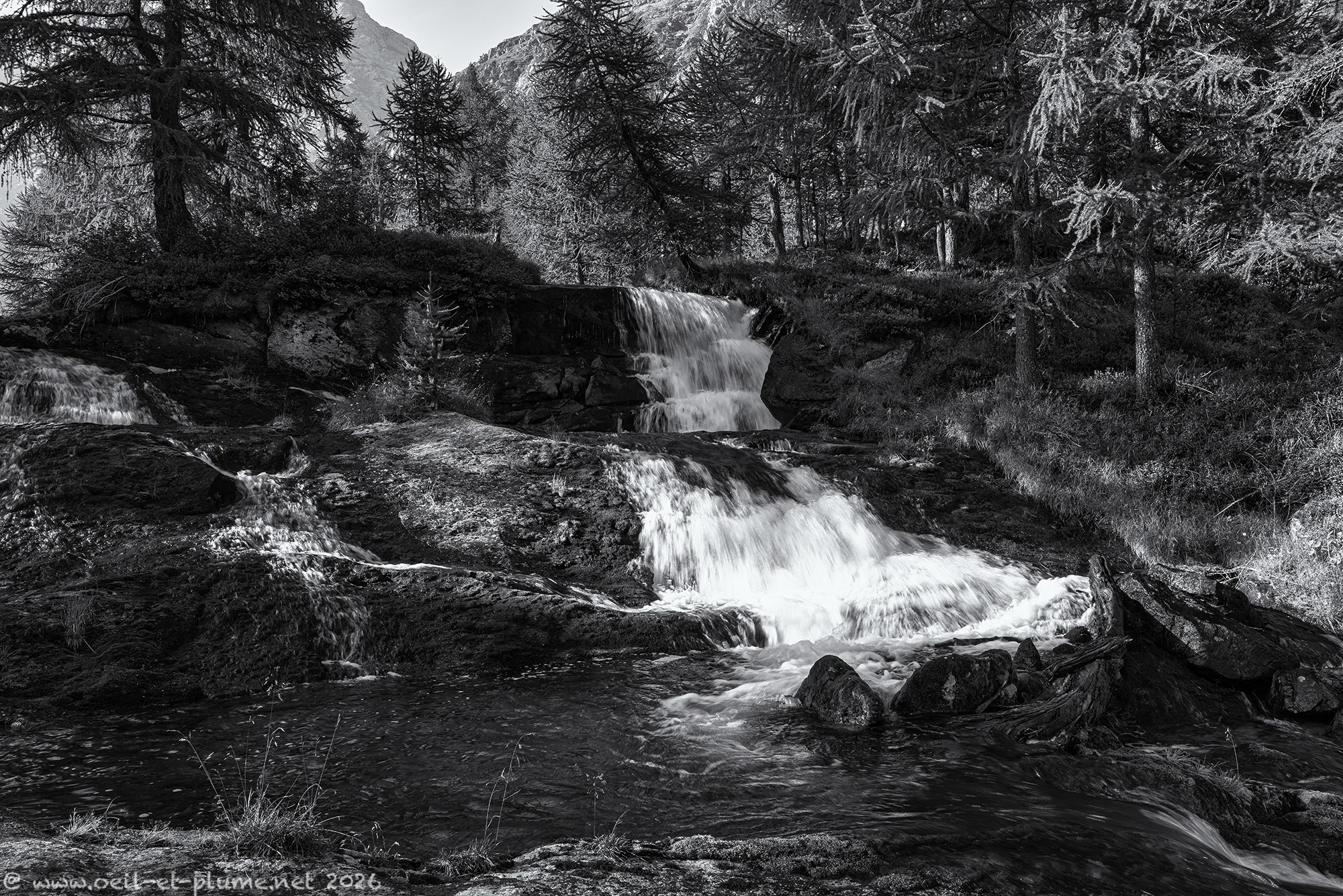
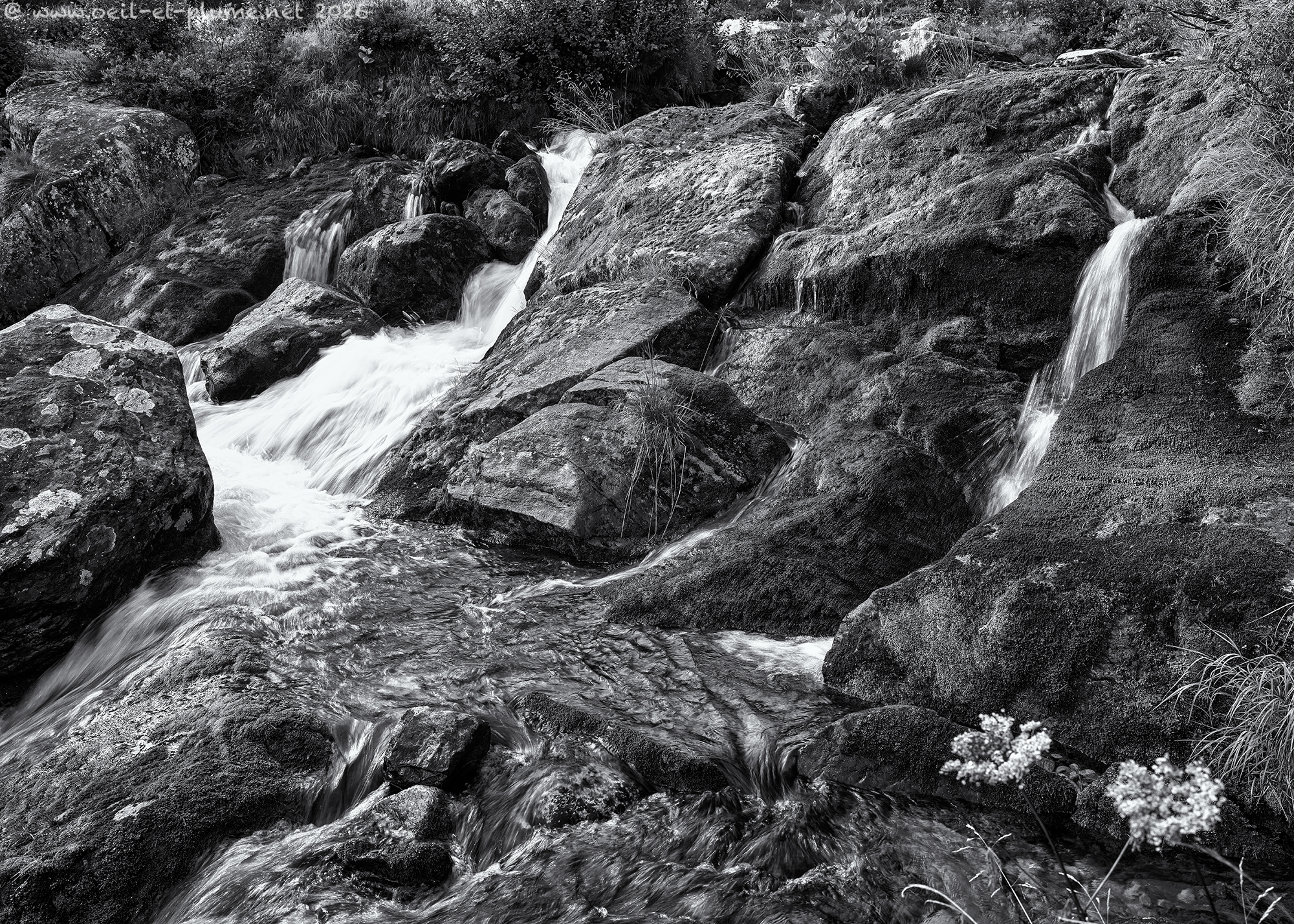
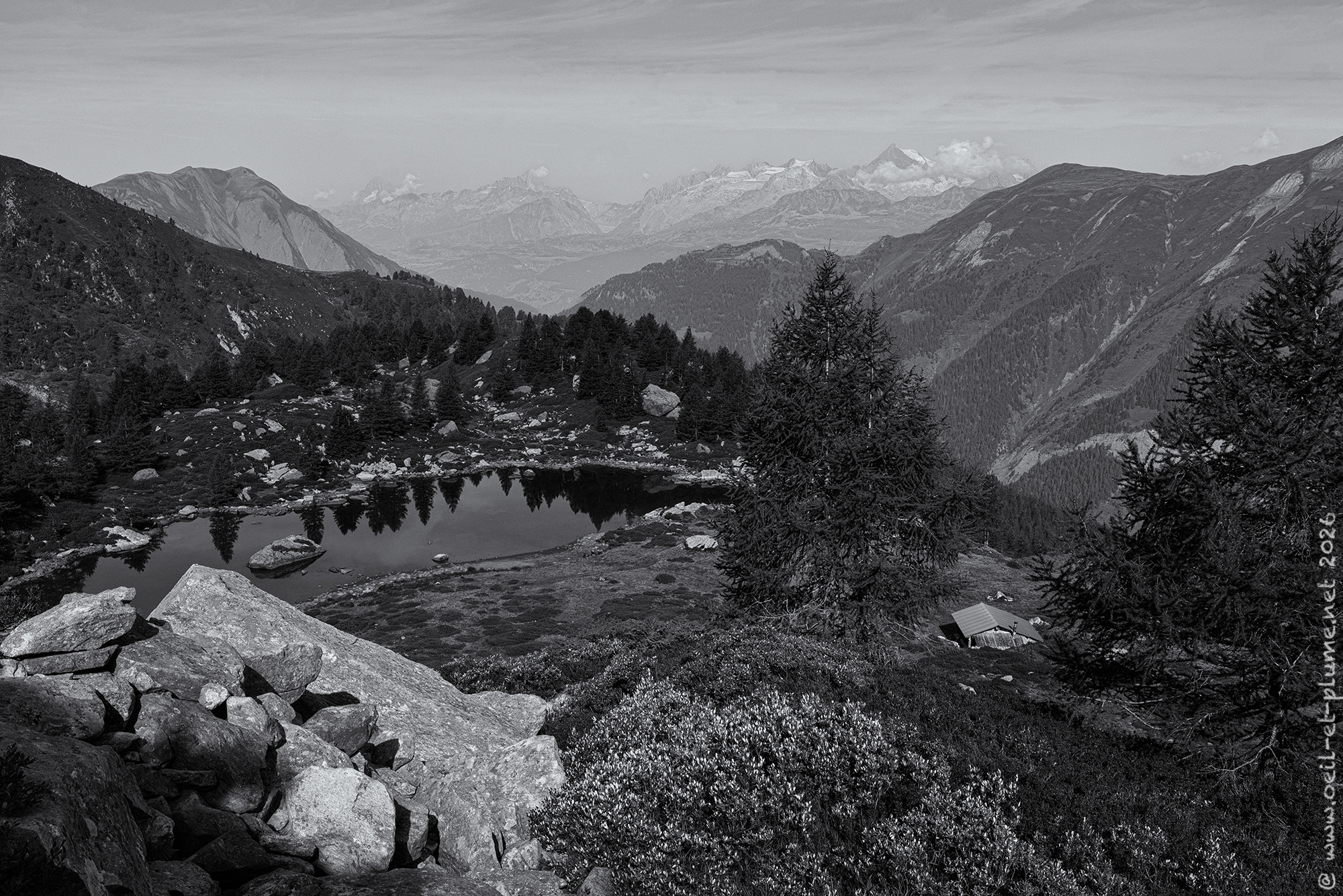
At times, I come across visible signs of human activity, but nothing that offers a tangible clue to the dwarves’ whereabouts. The fairies I encounter along the way, near rivers, waterfalls and ponds, confirm that the Binn Gogwärgjini have not been seen in the valley since their migration.
The first encouraging sign encountered is a large field of cotton grass (eriophorum), a beautiful alpine plant with distinctive silky-white, cotton-like tufts made up of fine bristles attached to the fruits. It typically grows in wet alpine habitats, such as marshes and the shores of mountain lakes.
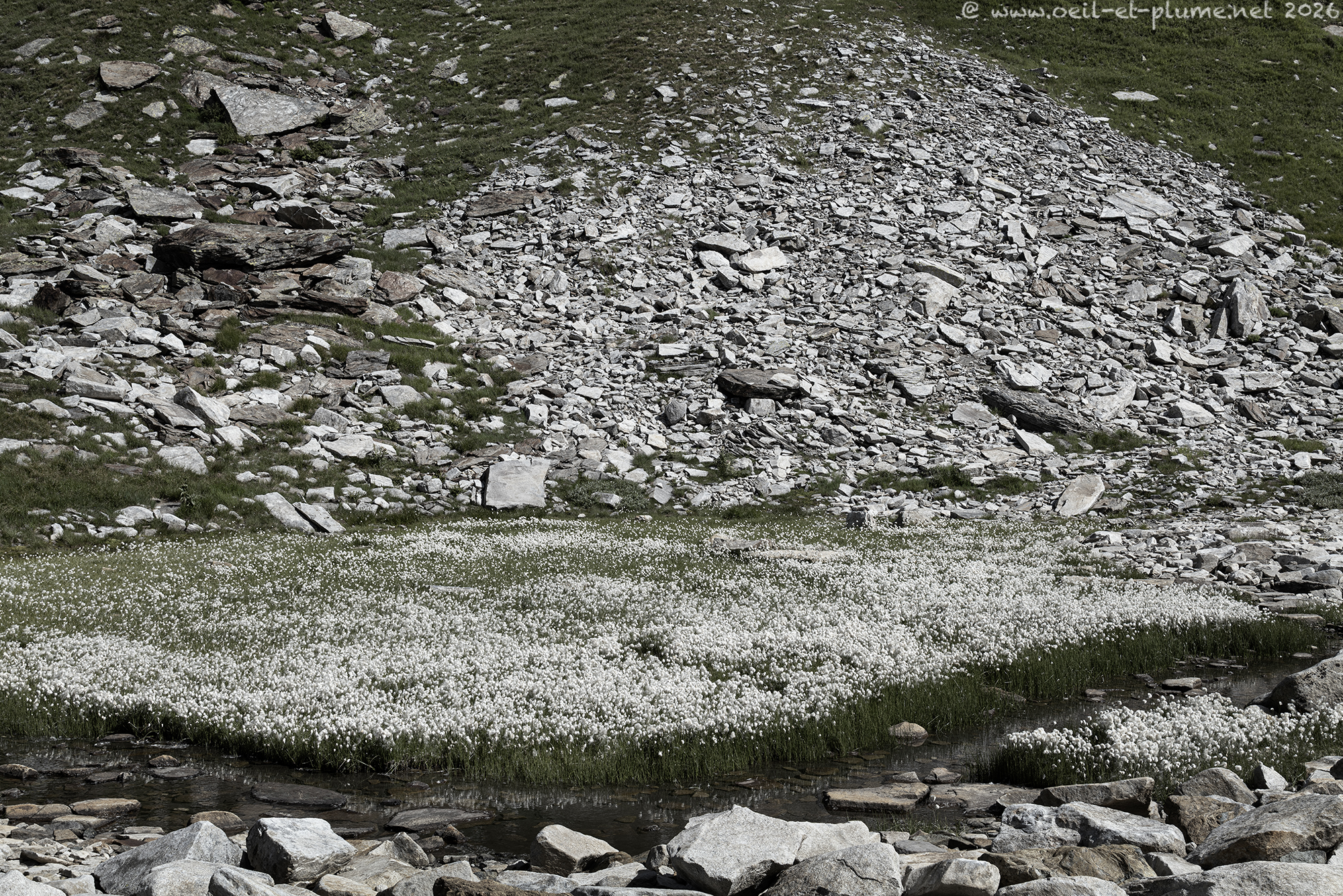
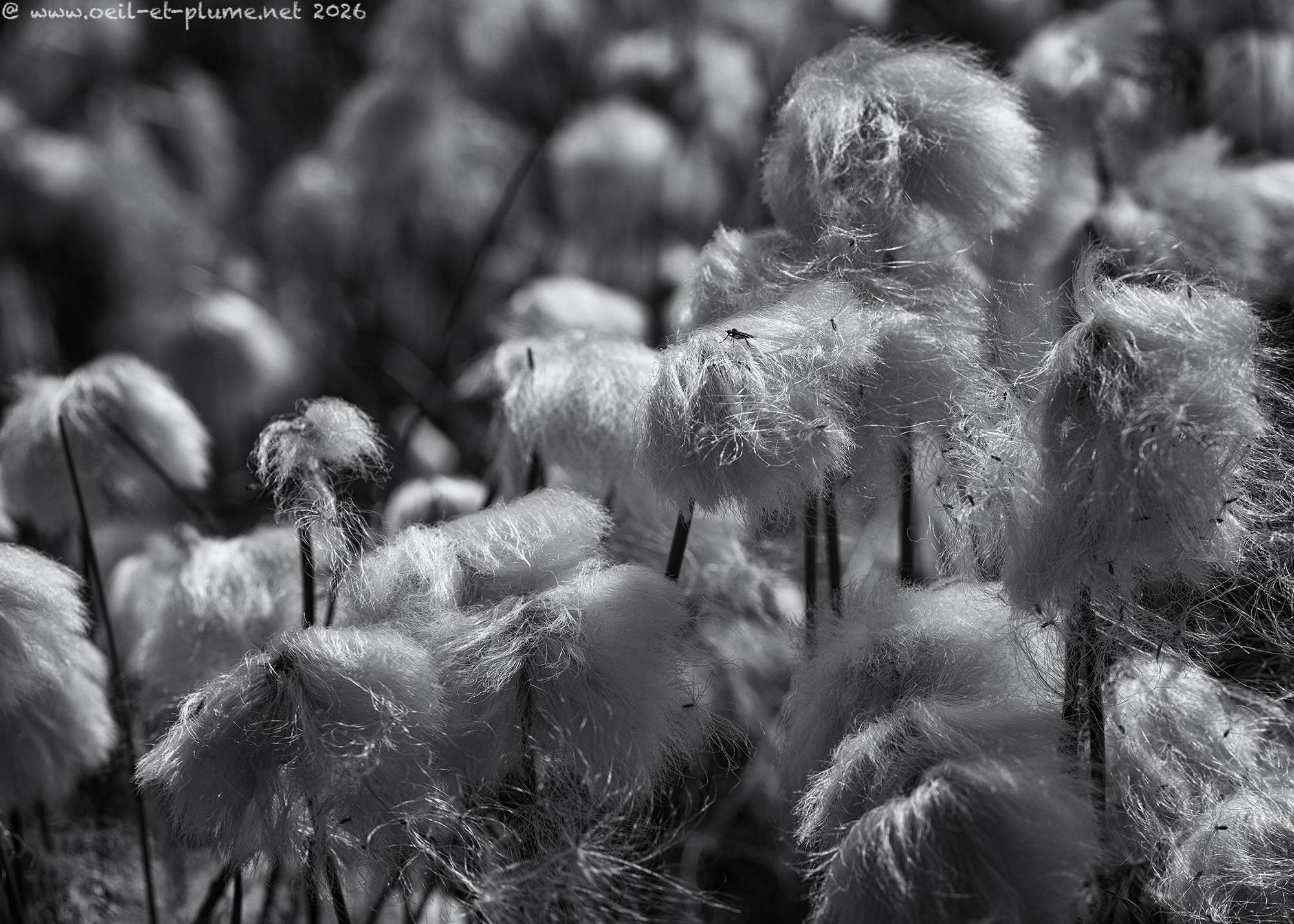
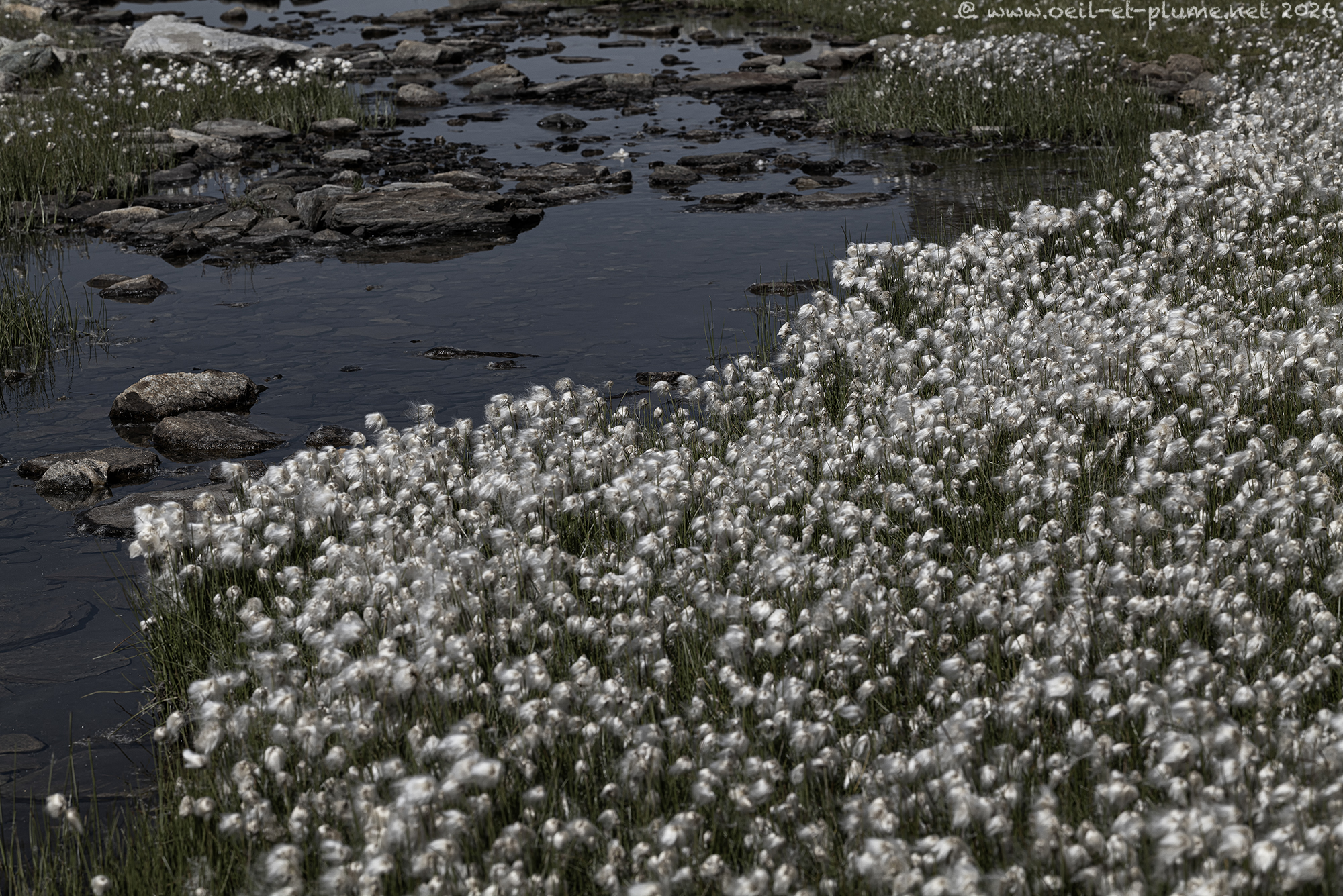
To me, what makes this flower field worth of attention is its density and cleanness, as it would be carefully farmed by unknown people – or dwarves.
Nearby, an expansive meadow of lush green grass and a cluster of three beautiful lakes seem to confirm my hypothesis. What’s more, I find myself in the borderlands with Italy, in a remote area void of any permanent human presence. A potential safe haven for the Binntal dwarves.
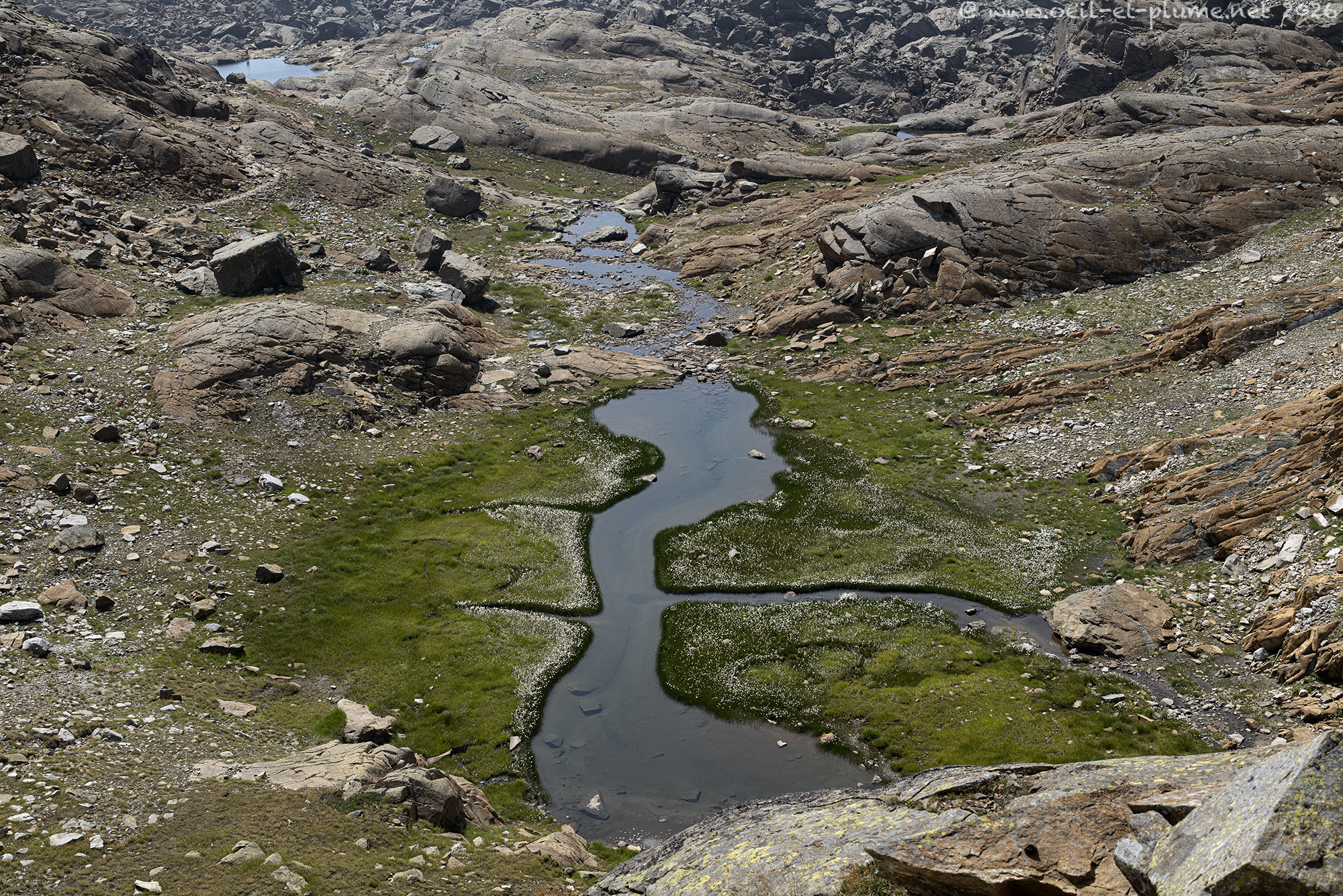
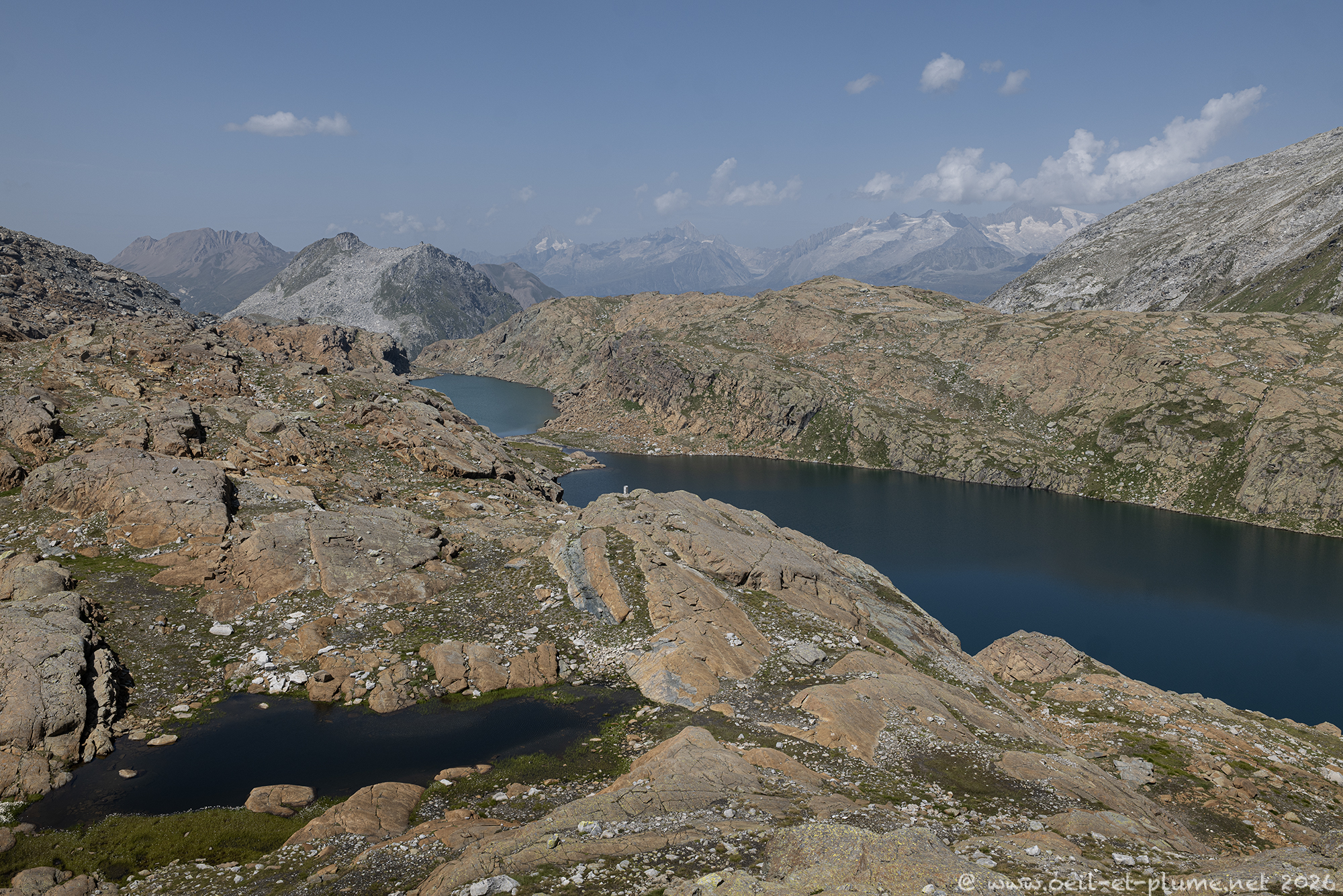
I crisscross the area for hours, searching in vain for a tangible sign of the Gogwärgjini. As dusk approaches, I head toward a shepherd’s shelter for the night.
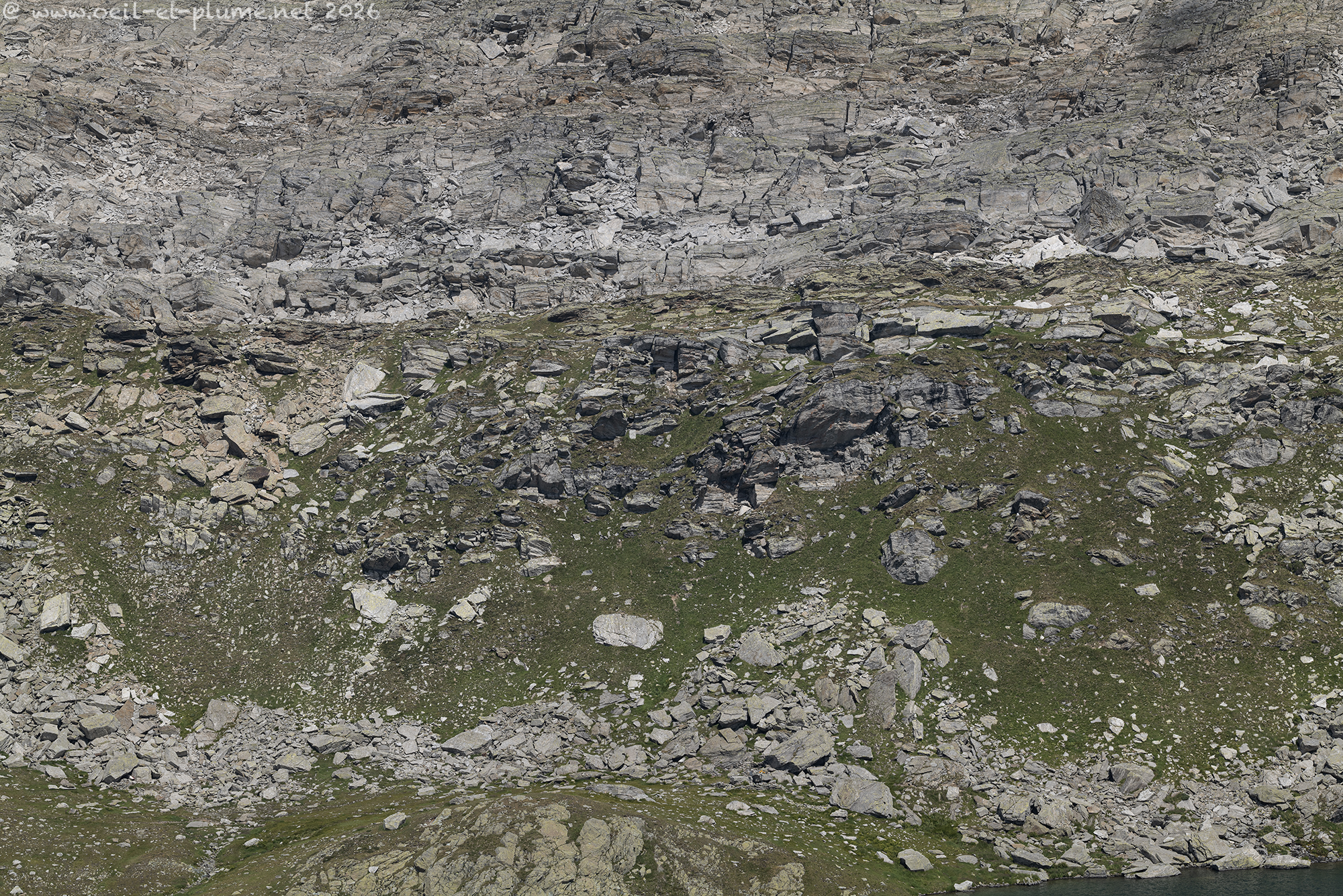
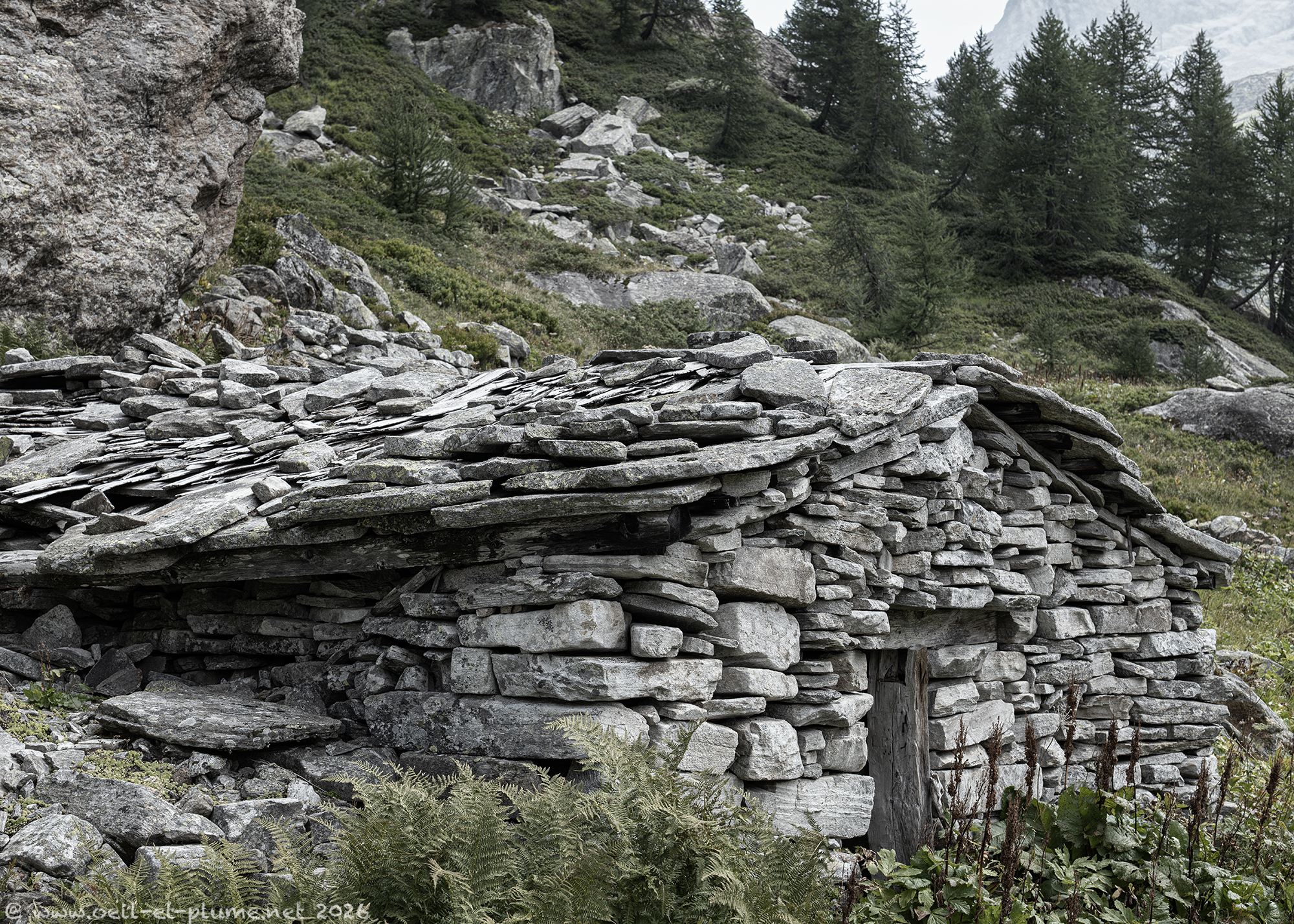
Tomorrow will bring another day of fieldwork and exploration.
To continue.
Cheers,