
My last post explored the challenging cohabitation between bears and people in the Swiss Alps. The present essay is about Alpine Ibexes and their interaction with human beings.
Wild game
Wild game usually refers to animals that are legally hunted in a natural environment for food or sport. Here, the concept bears a more authentic and positive meaning: spontaneous fight between wild ibexes living in the Swiss Alps.
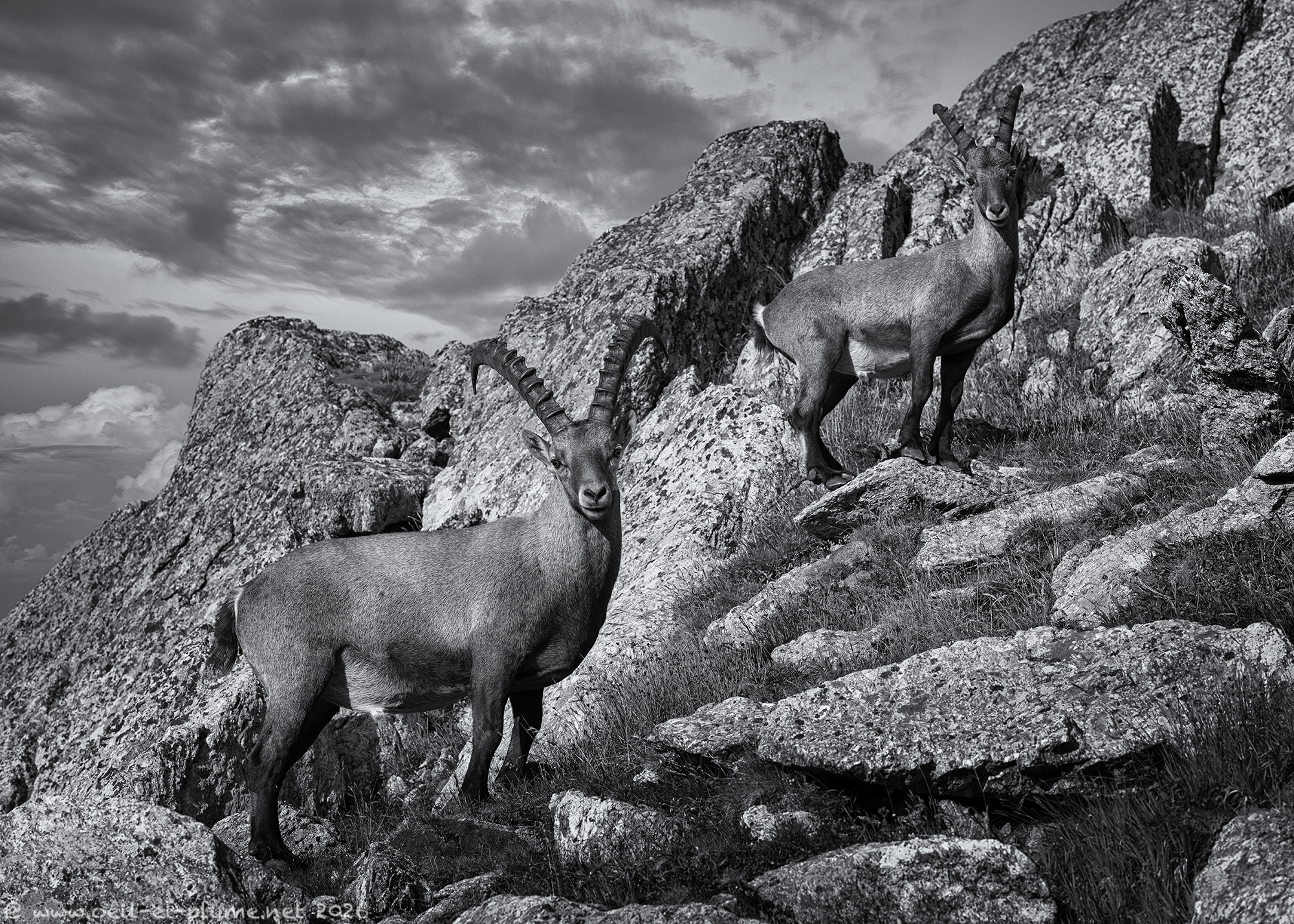
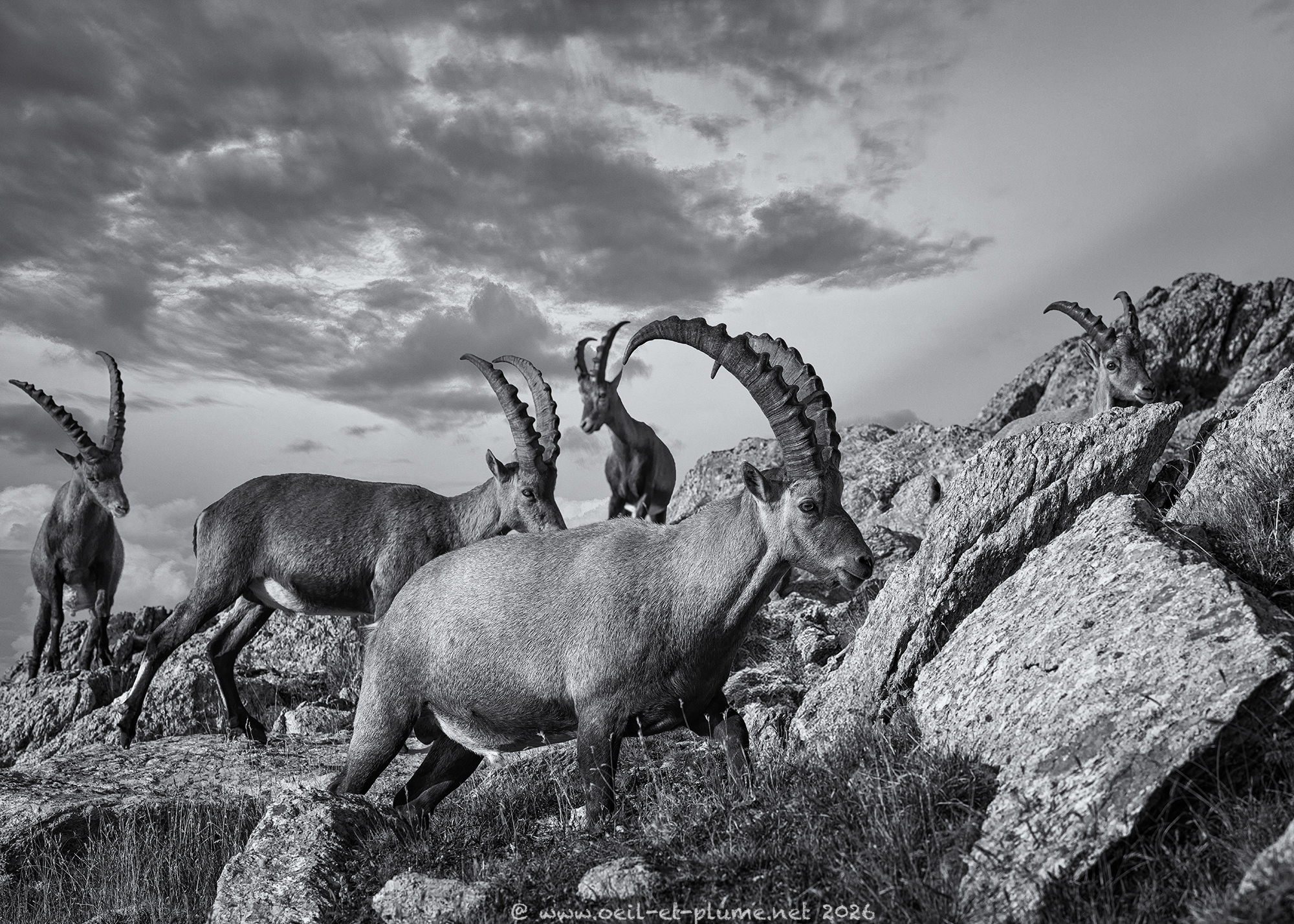
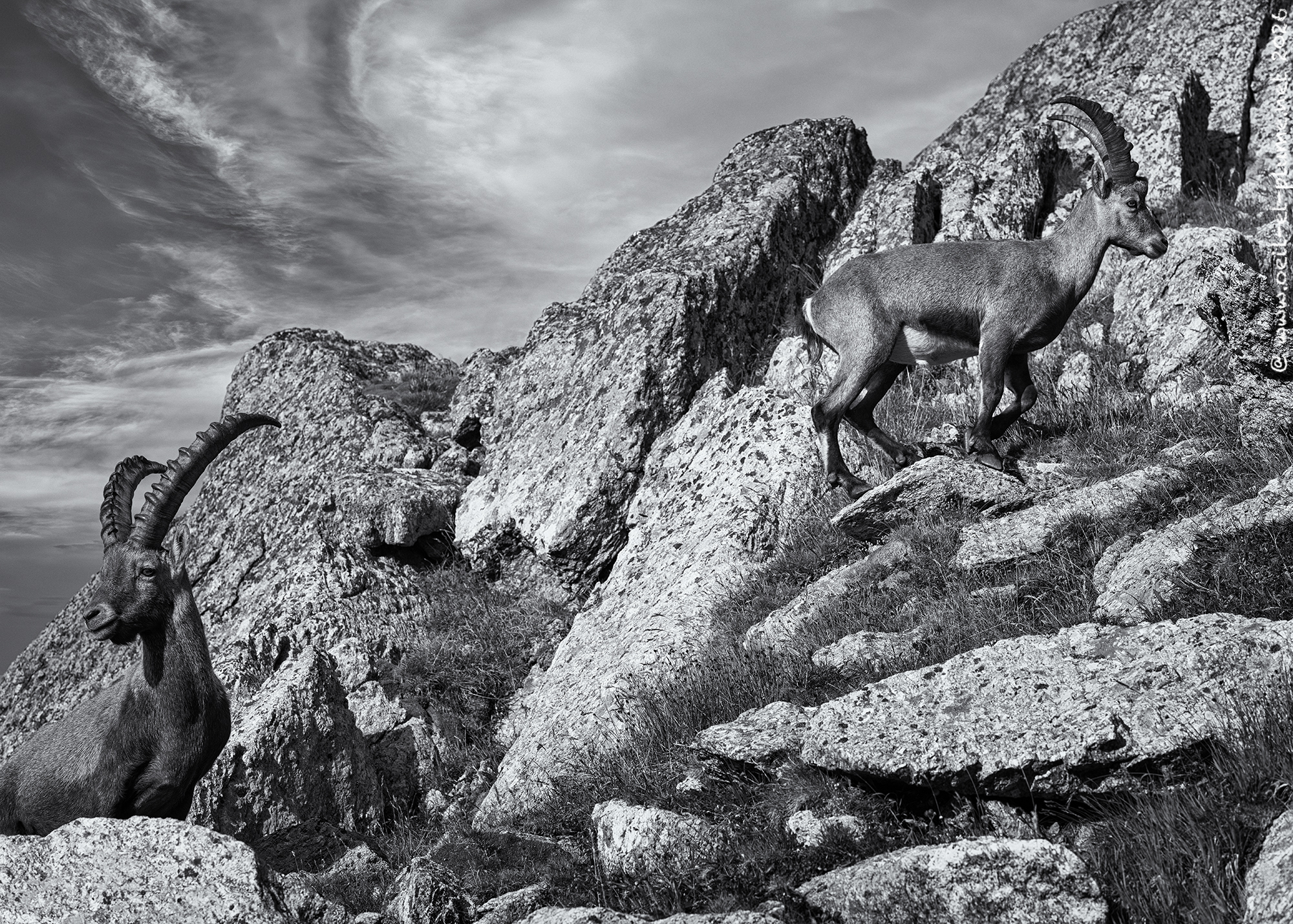
For me, ibexes are the princes of the Alps, with the kings being the red deer. I love watching them balancing their heads and horns, up and down, and from side to side. Despite their size, ibexes are very agile climbers. Like chamois, they are very sure-footed and have an excellent sense of balance.
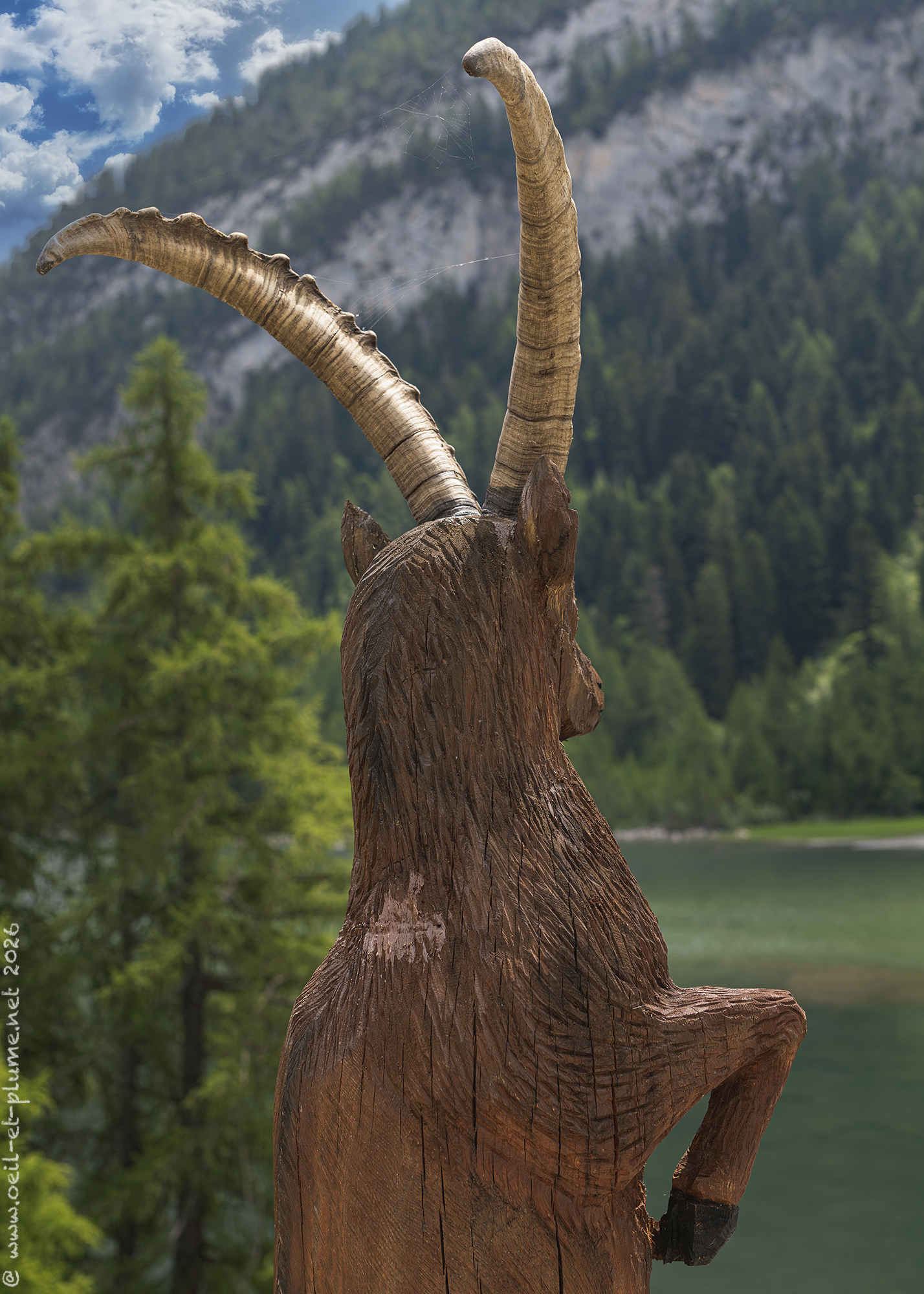
The horns of the ibexes are like their princely crowns. For males, horn size is a sign of individual strength. Their horns grow throughout their lives, increasing in length every year by a few centimetres. The number of annual rings at the back of the horns reveals the animal’s age. Beyond horn size, the very temperament of the ibex defines its fighting spirit.
Group dominance and mating rights with females are the main reasons why male ibexes fight each other periodically. Rivalry between males starts in summer, though they do not rut until December. Most of the fighting takes place in August; by December, males usually keep their energy for breeding, unlike chamois.
Lucky encounter
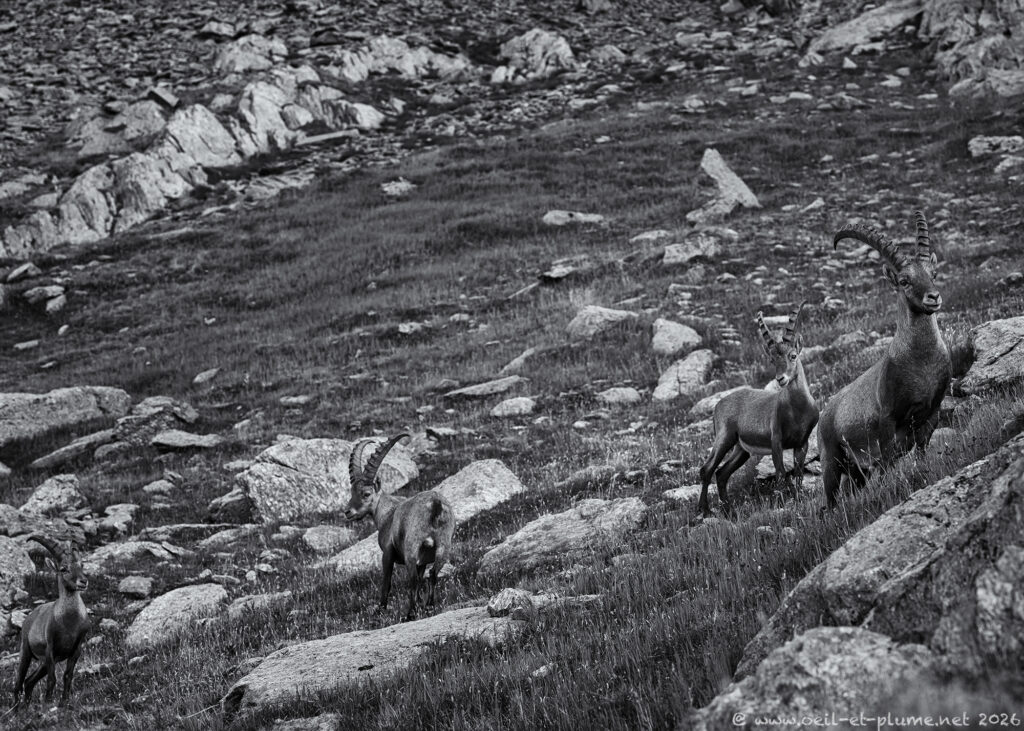
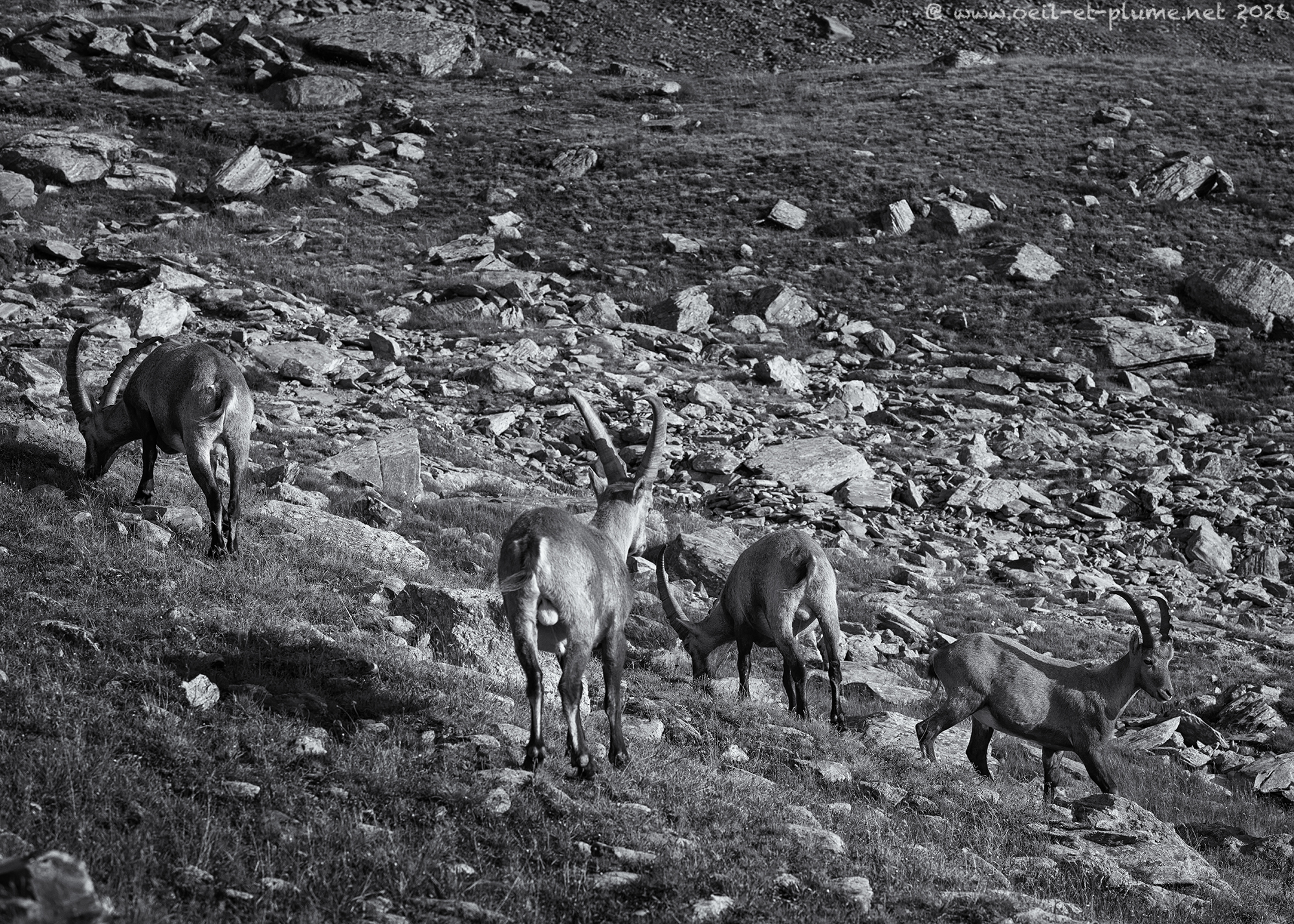
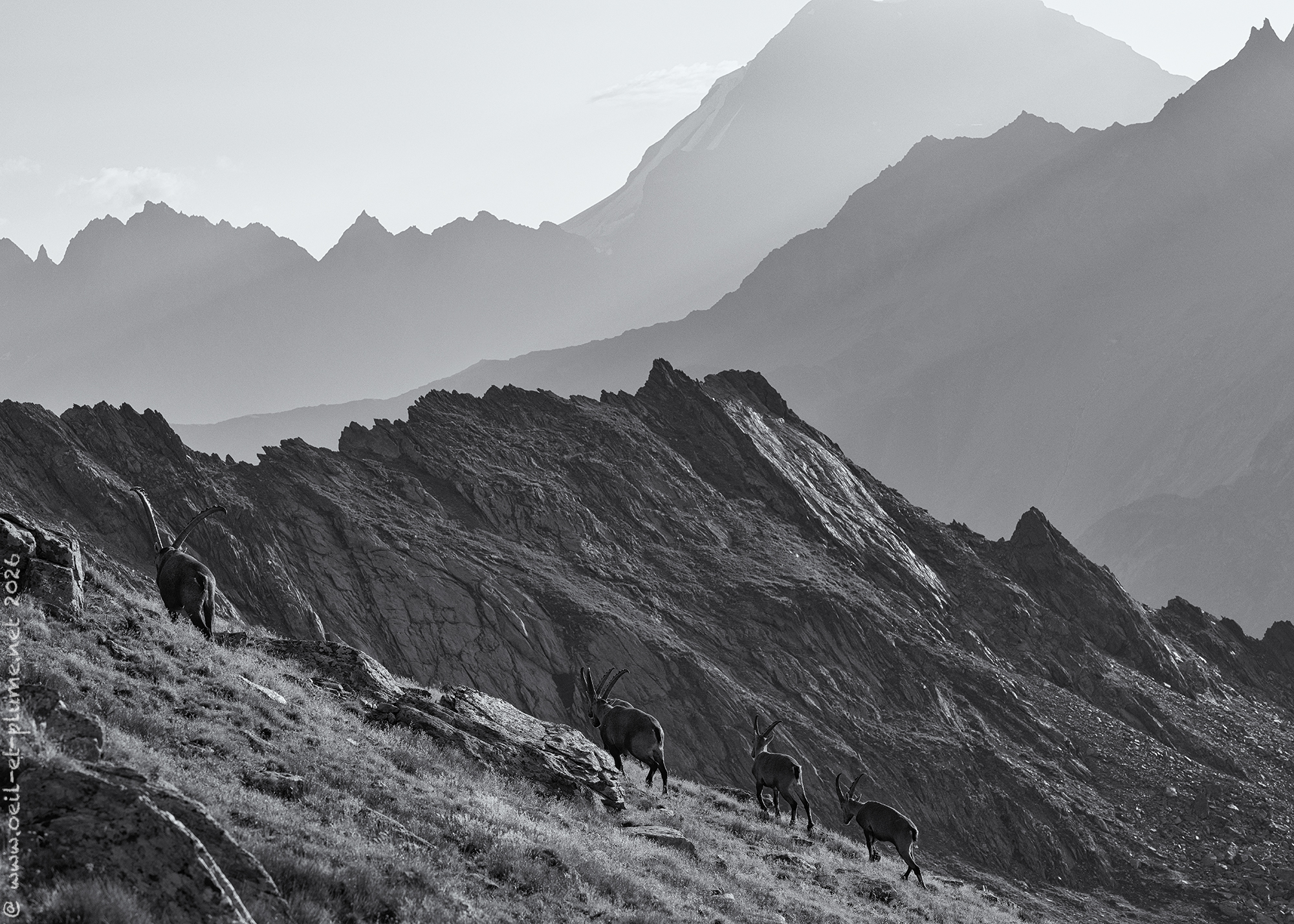
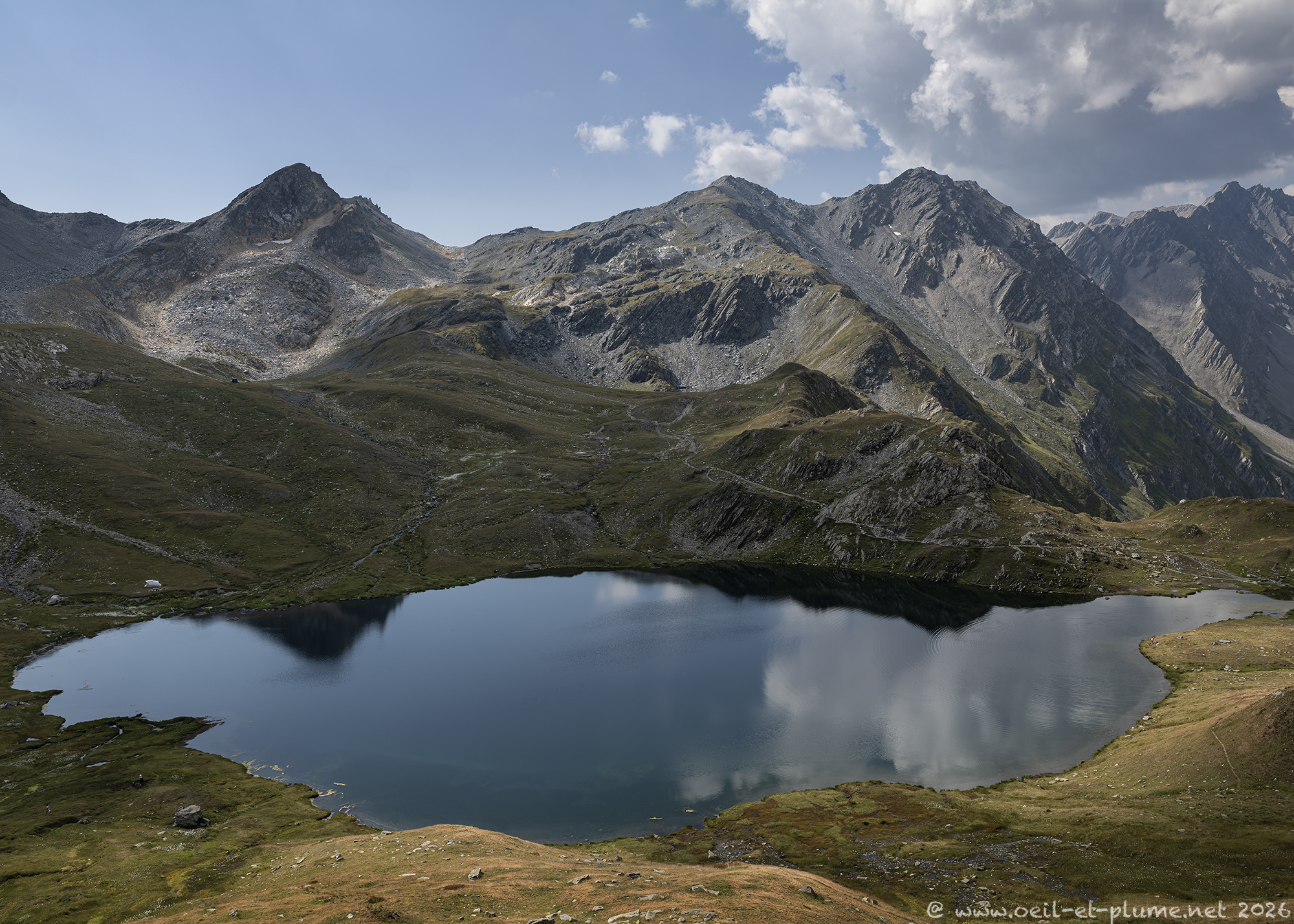
Last August, I unexpectedly met with a group of ibexes during a trek near the Saint-Bernard Pass, which connects the Lower Valais with Aosta Valley in northern Italy. Both the animals and I were heading uphill, in the same direction. This happened in a beautiful alpine landscape, made even more memorable by the lucky encounter.
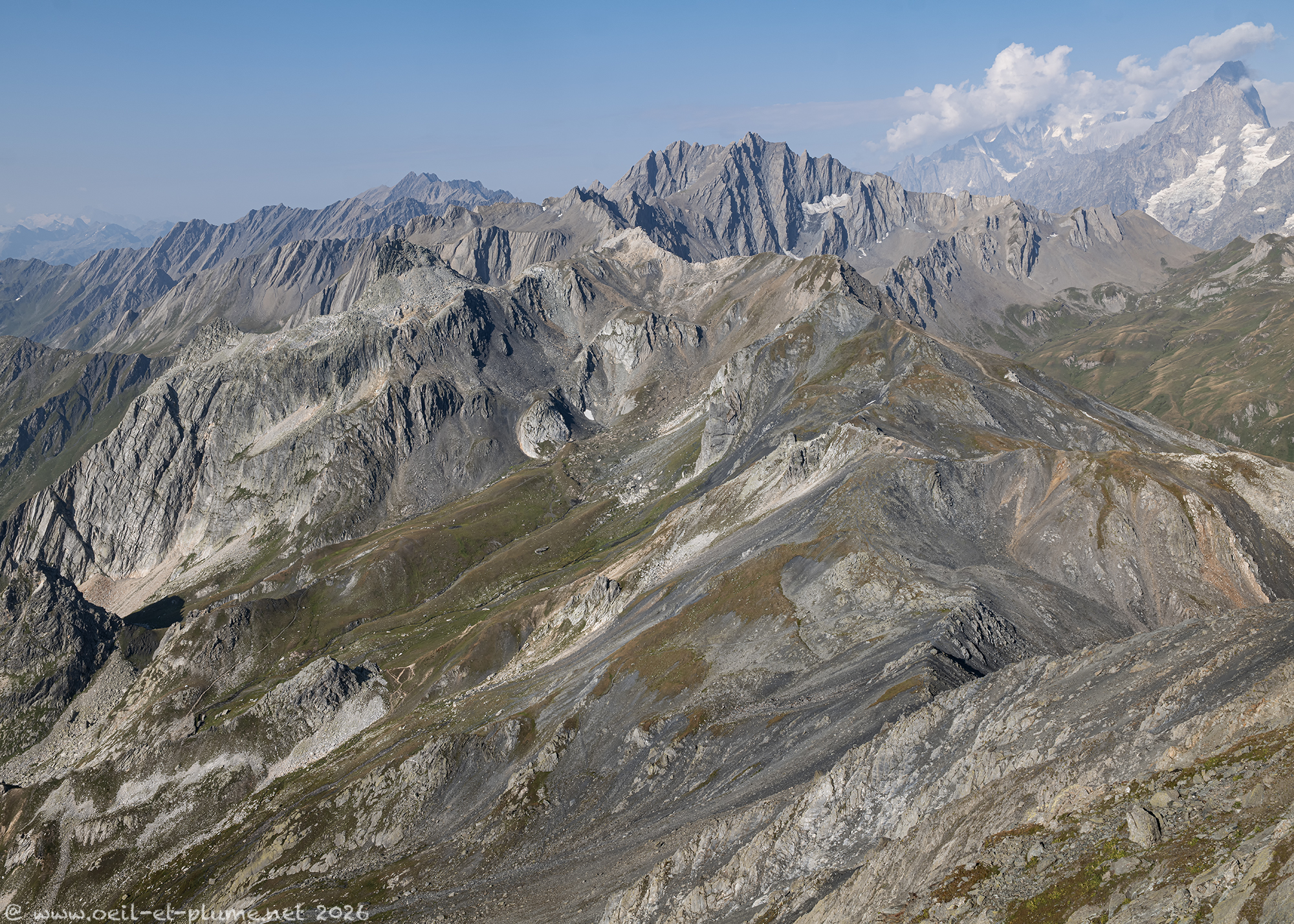
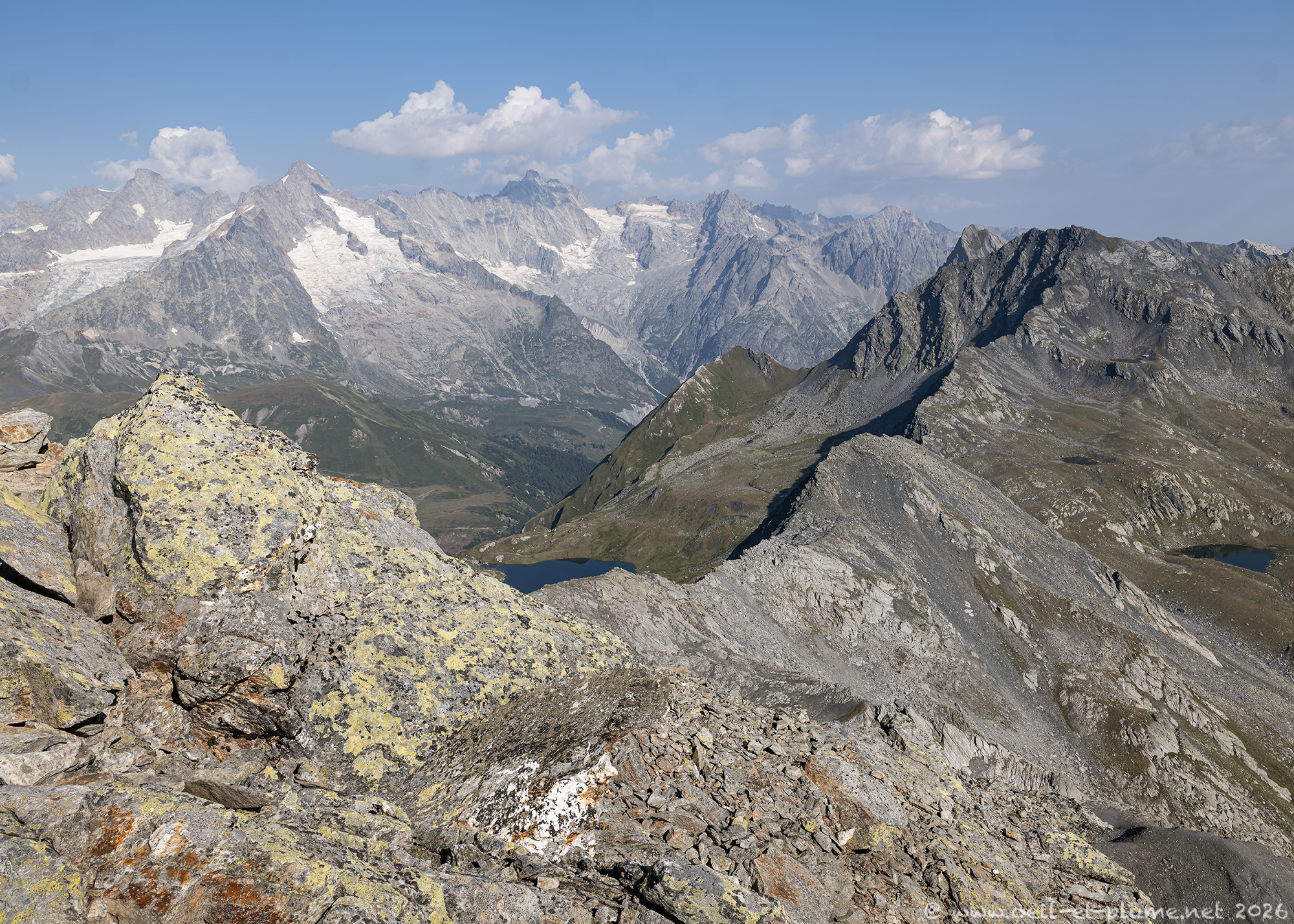
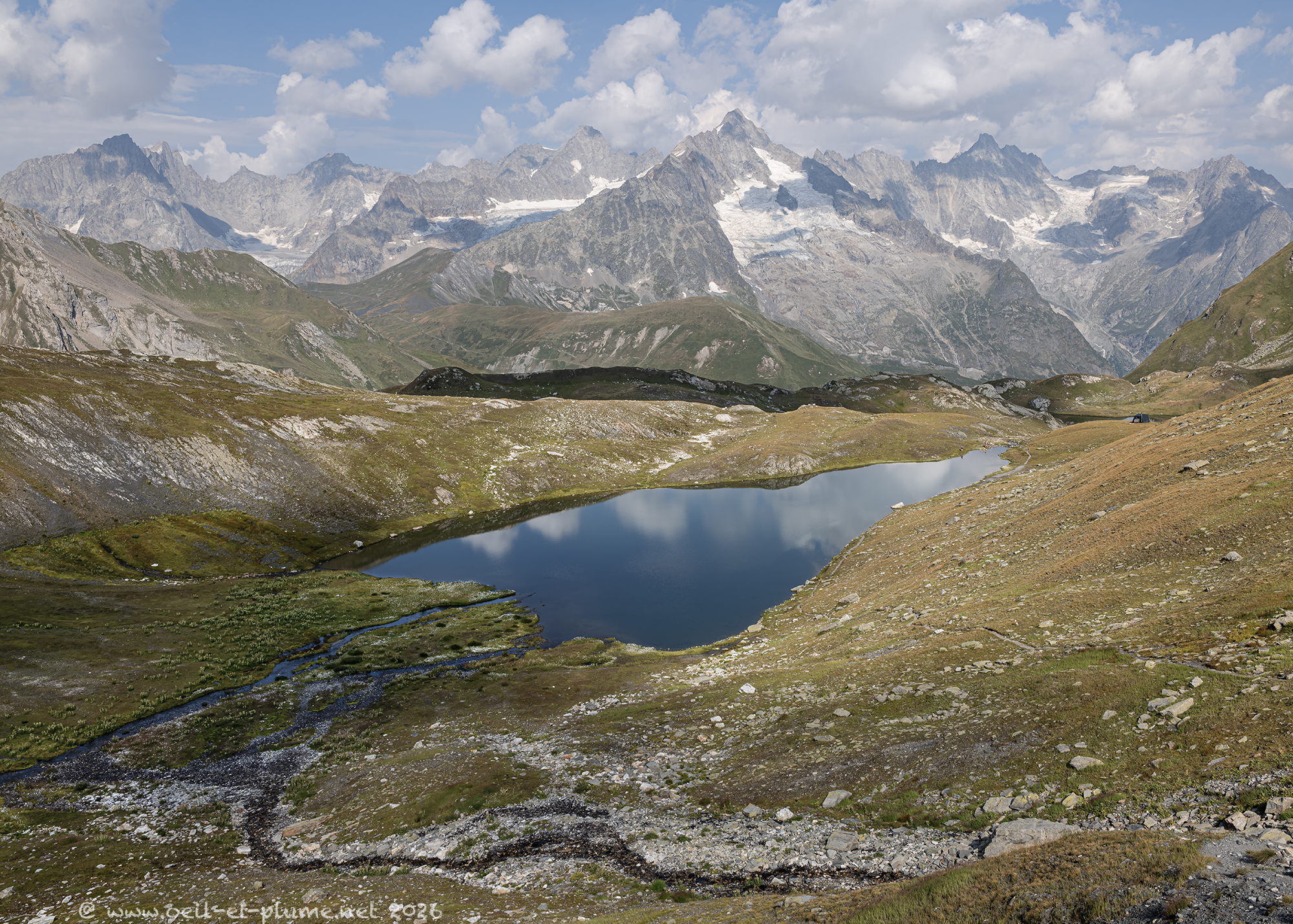
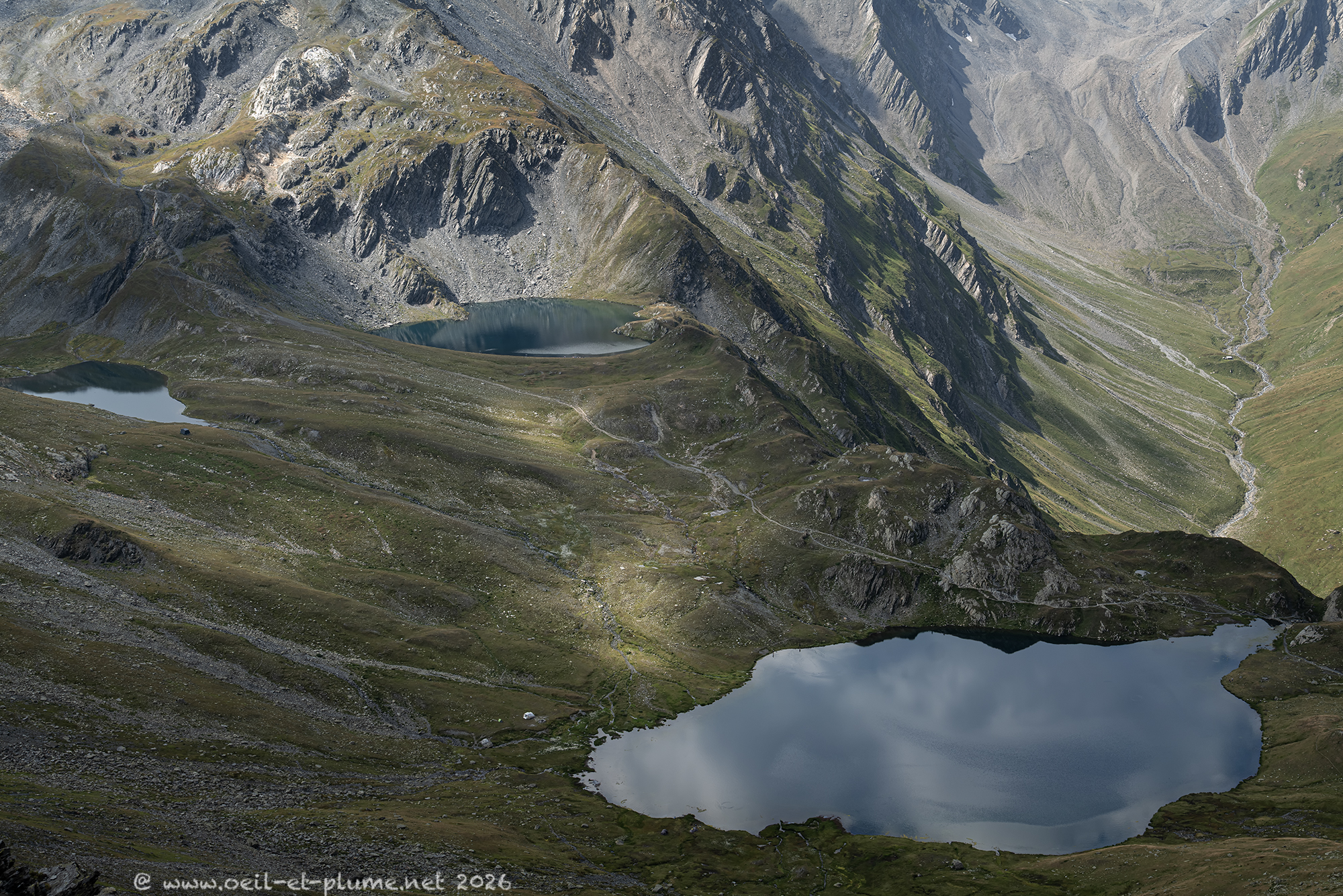
At first, the older males stared at me to assess my presence. I seemingly passed the inspection as we kept progressing together, at a very modest distance from each other. I was thrilled at the opportunity to observe alpine ibexes up close.
Fighting
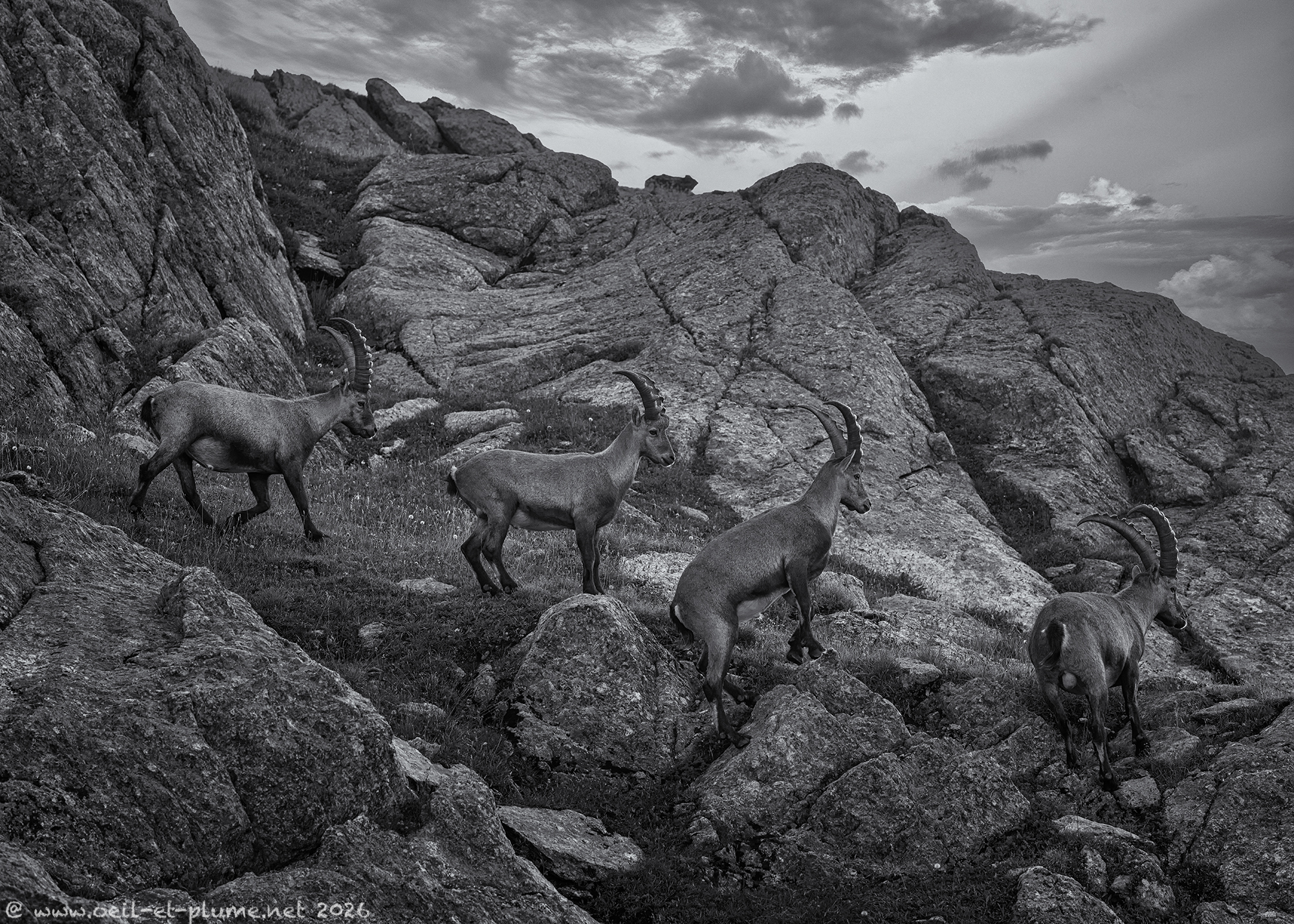
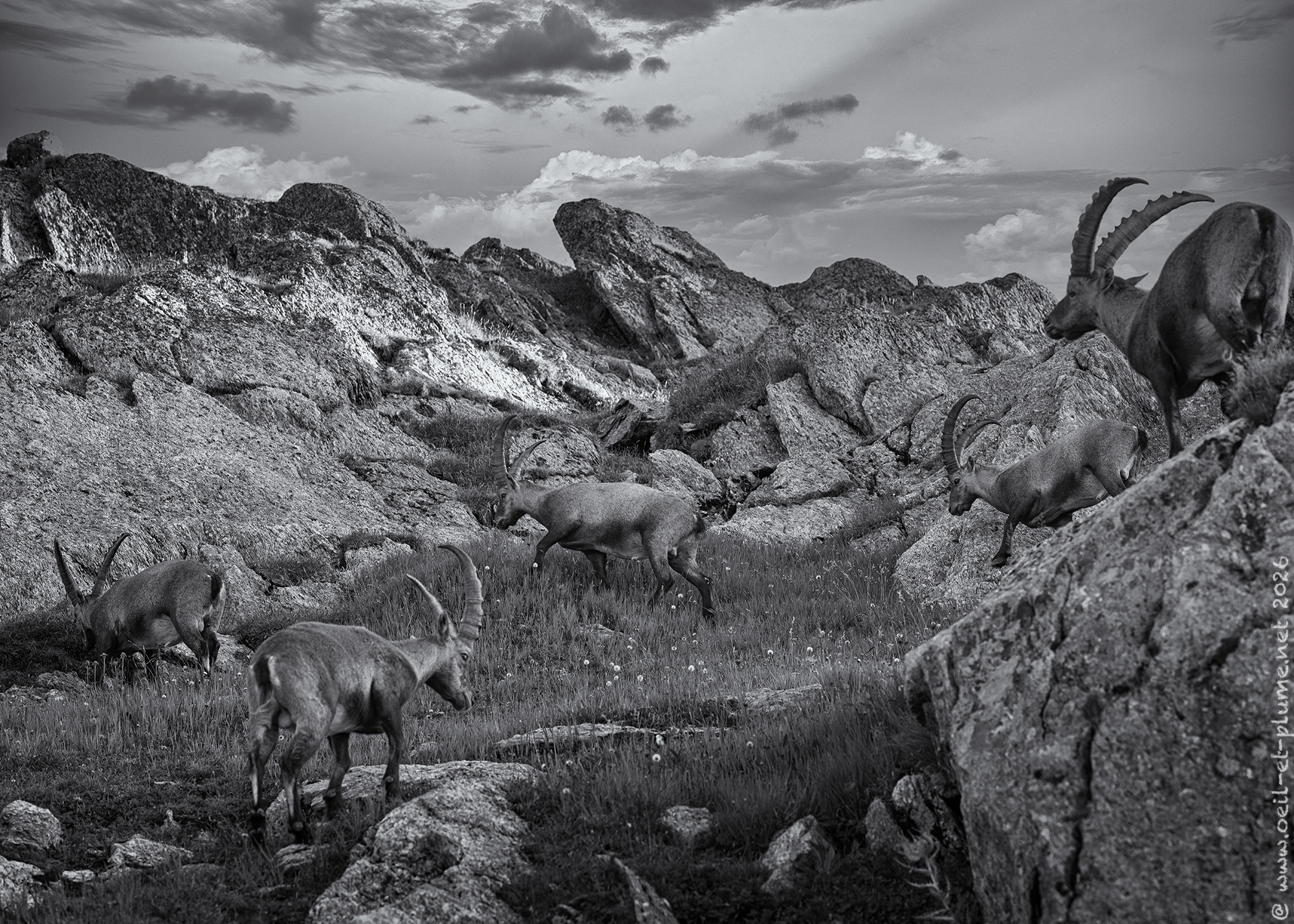
All of a sudden, the group of animals stopped on a rock formation. Two young males started challenging each other before clashing; a third male was monitoring closely as a kind of referee while the rest of the group watched quietly. It was like the ibex group had invited me to a bout of dominance sparring between young contenders.
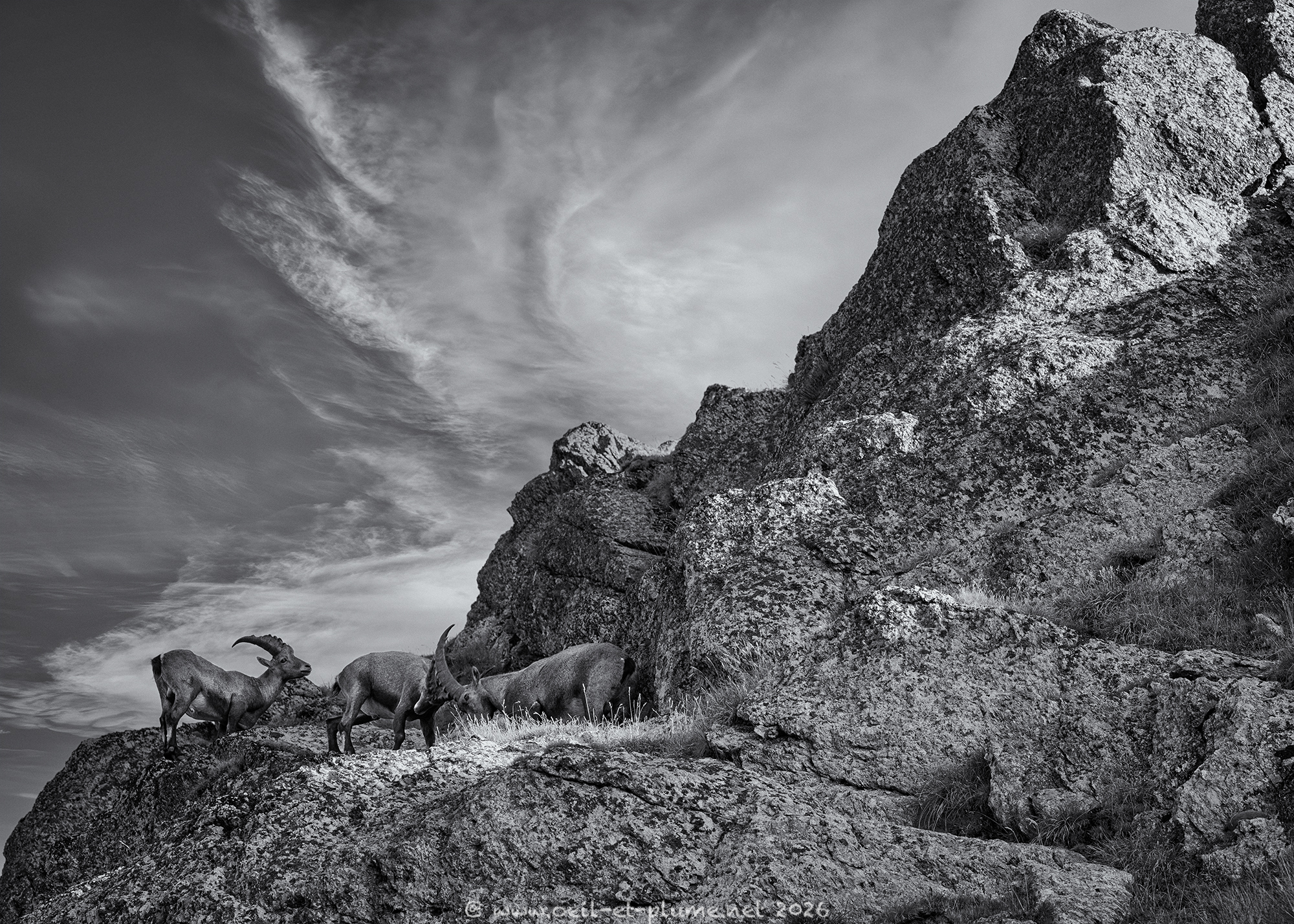
After a long period of mutual observation and intimidation, the two males reared up on their hind legs and slammed their curved horns downward or sideways against each other. The sound of the clash was like gunfire, with a long resonance in the air.
The two contenders soon moved to a rock edge for the next rounds. The fight unfolded for quite a while, alternating stand-still phases with lightning-fast, synchronised movements. The wild game evoked more a graceful and perilous ballet than a raw display of power. The exquisite shadow play left me breathless for its aesthetic beauty and emotional weight.
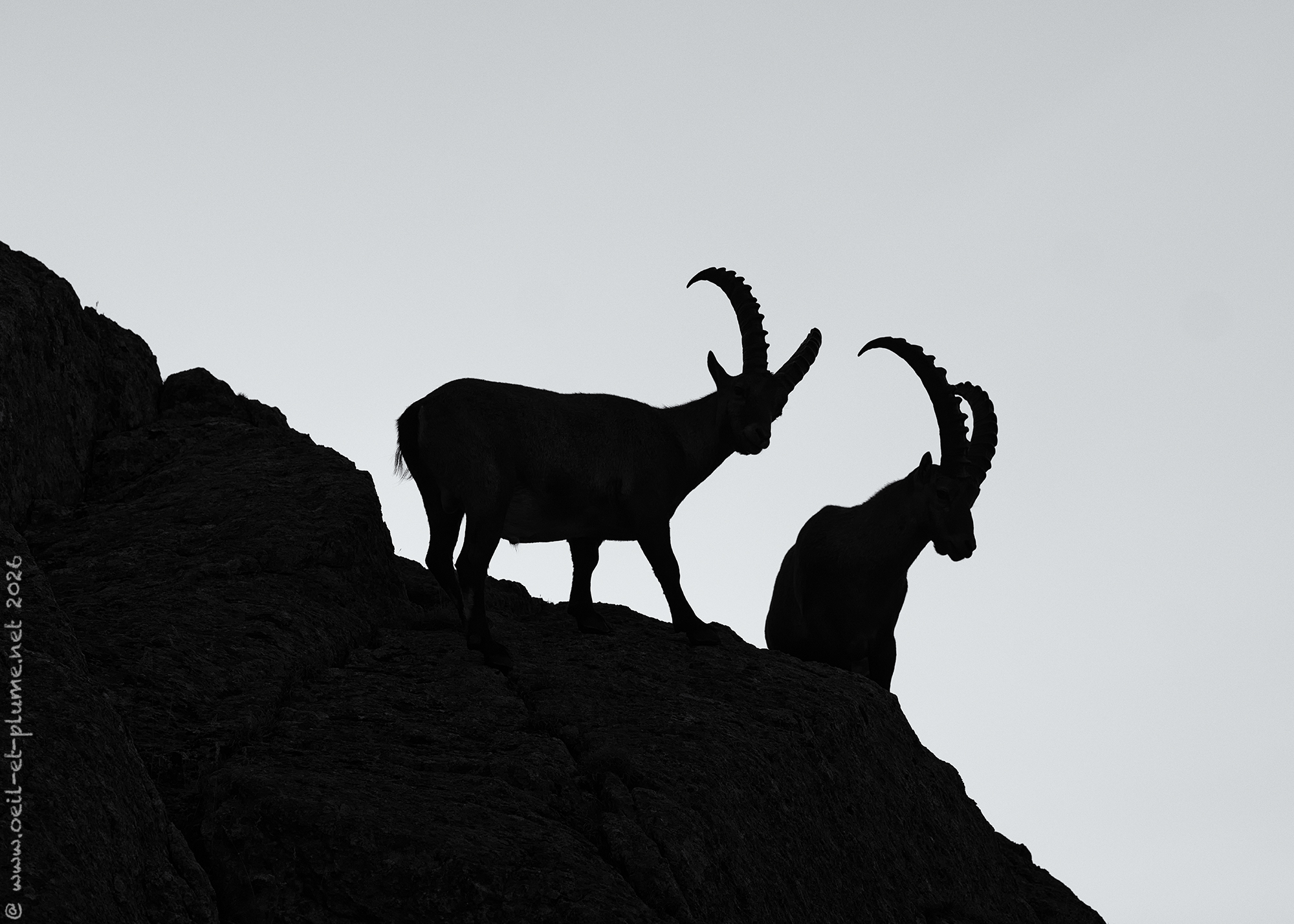
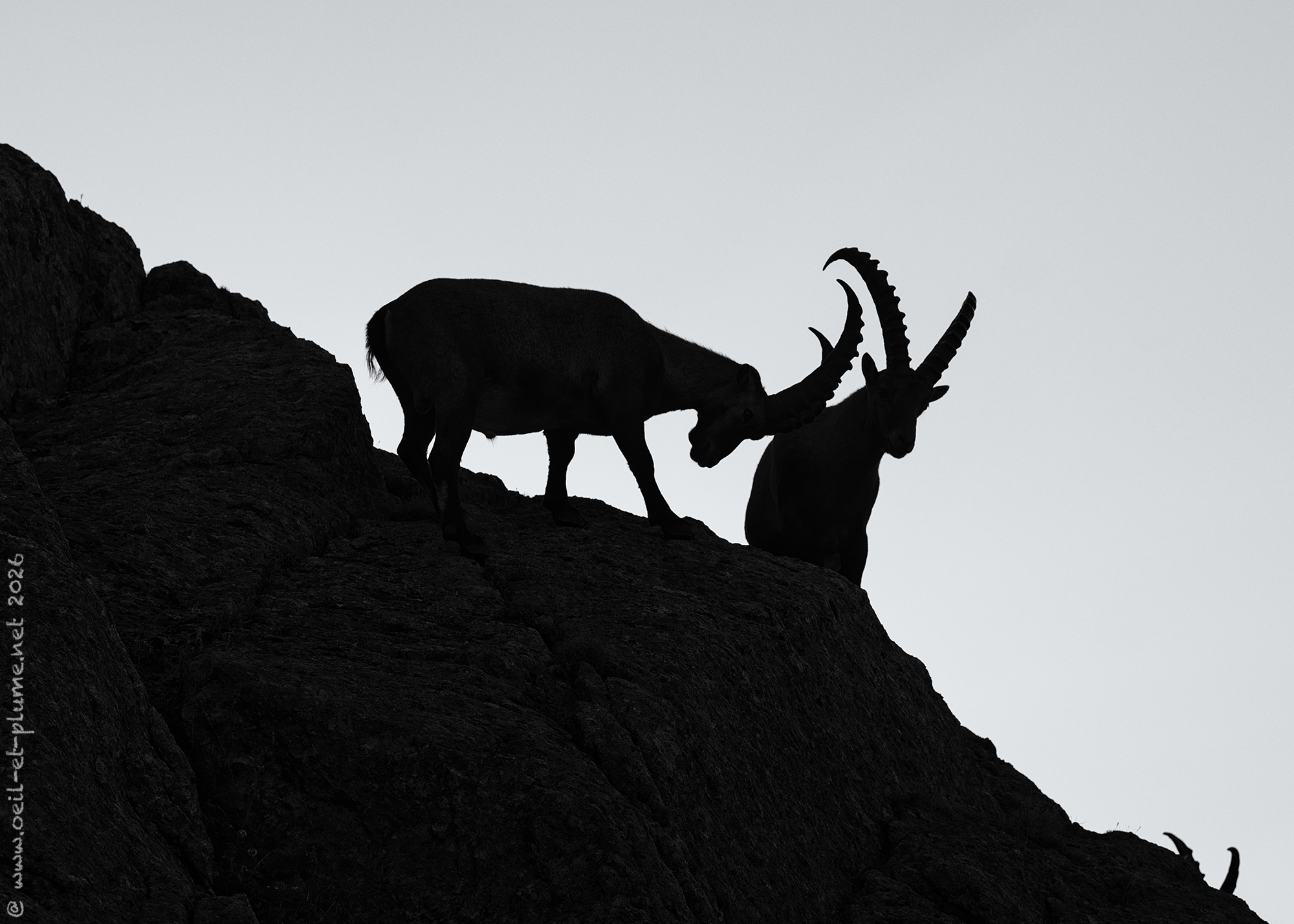
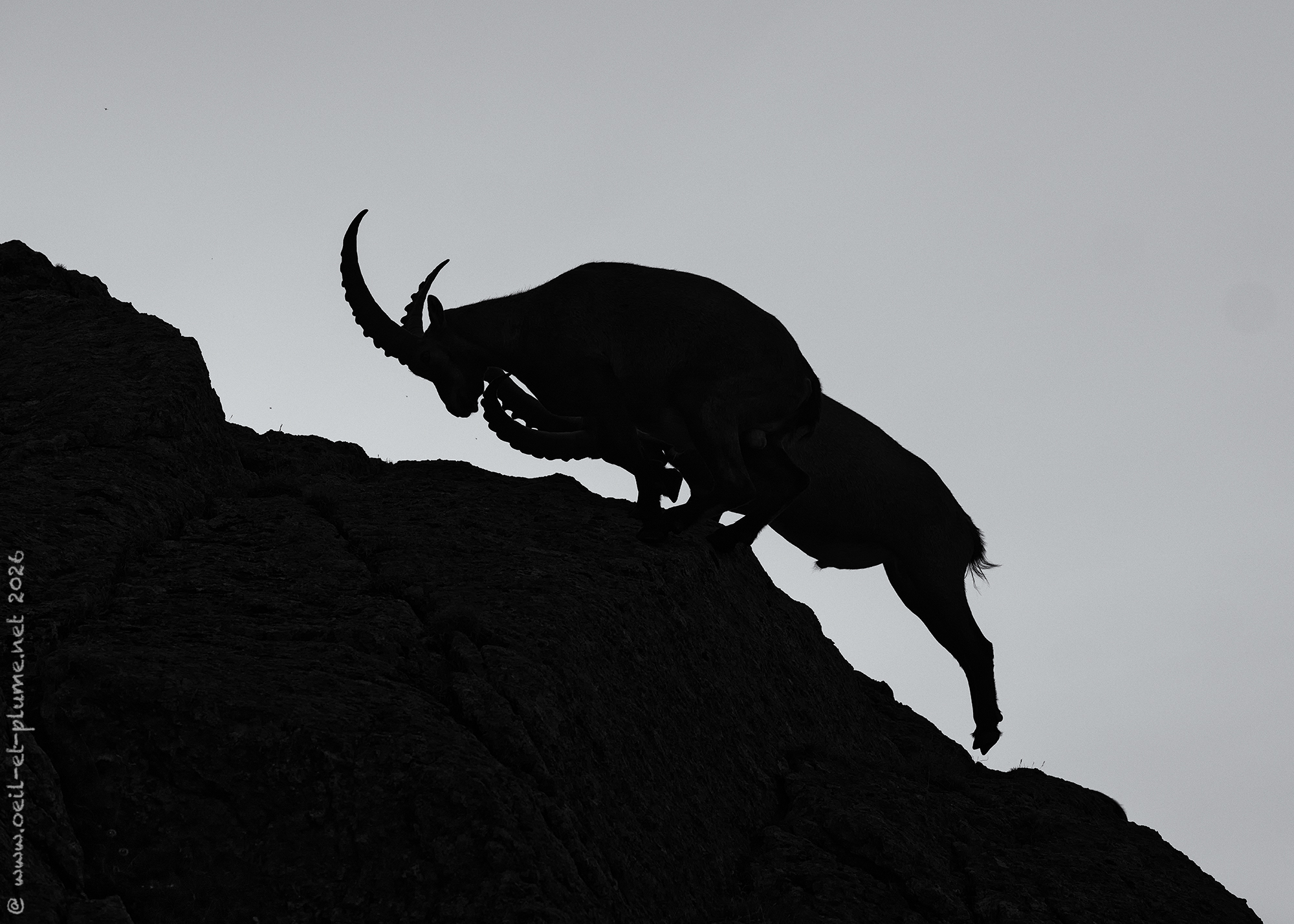
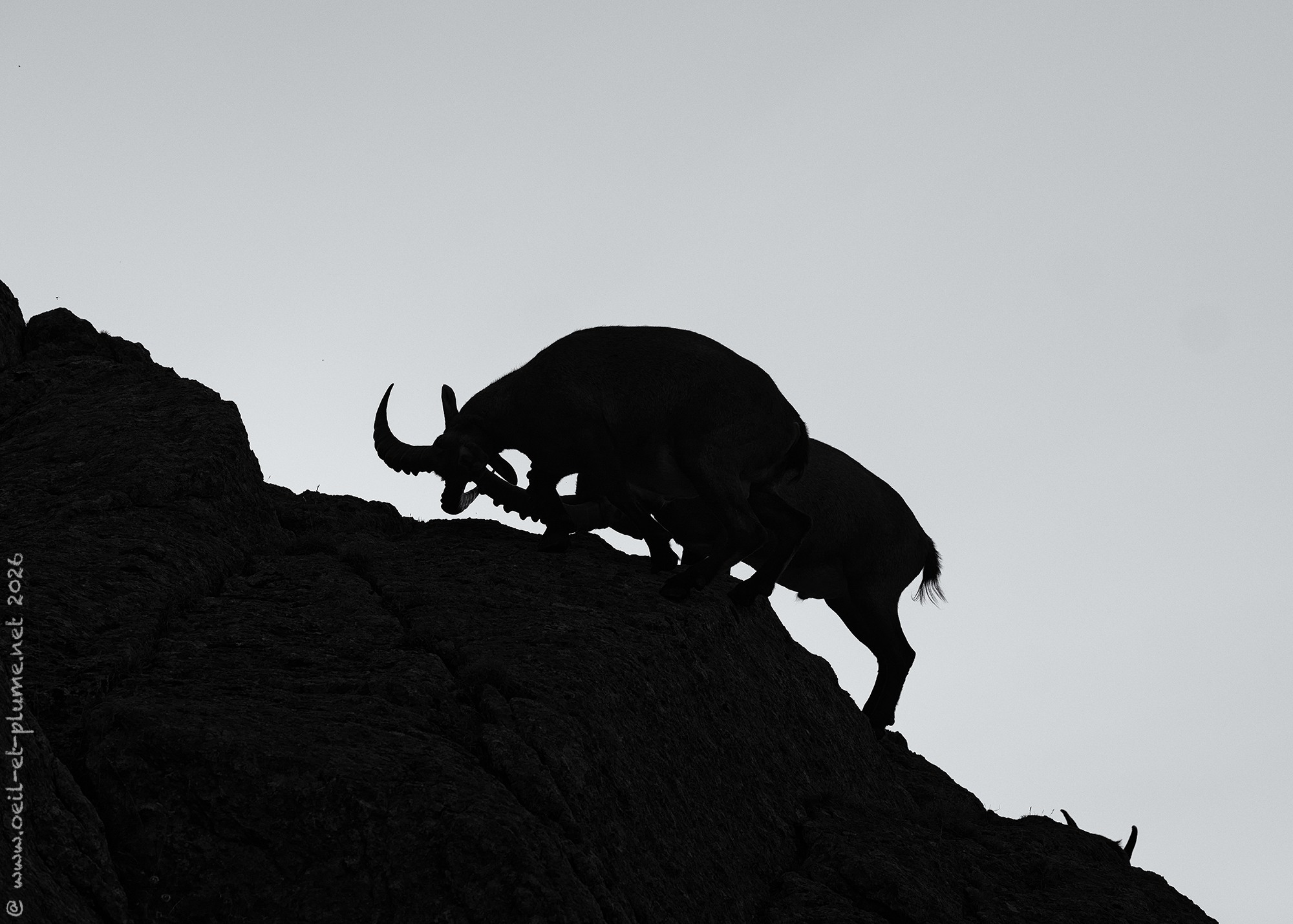
Without warning, the male standing above his opponent gave out and abandoned the fight, followed by the referee. The winner paused, sweeping a circular gaze toward the audience. His obvious satisfaction was tempered with a kind of modesty as he anticipated more fights before the breeding season.
Moving forward
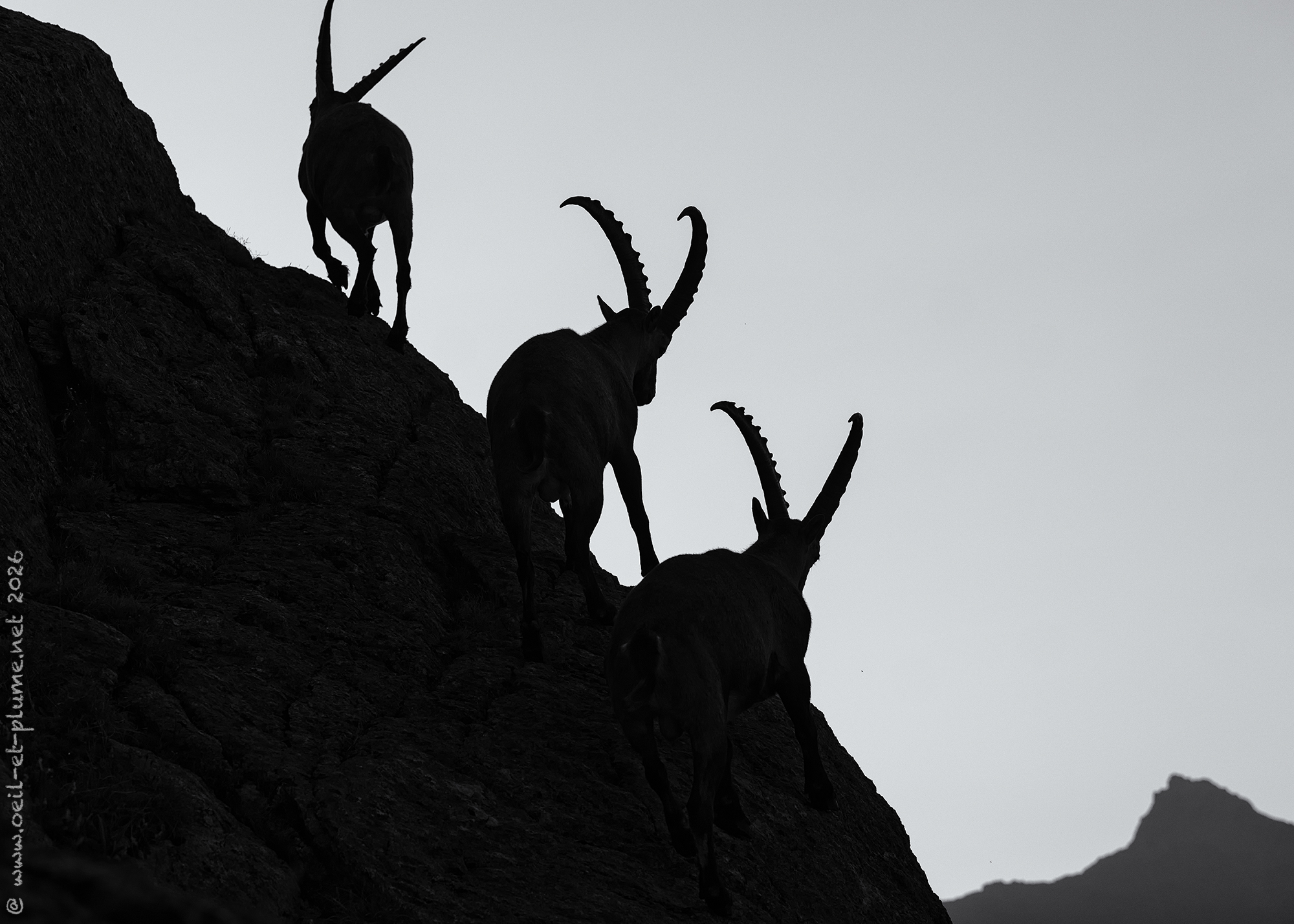
Not today, though. The group of ibexes resumes its progression uphill, at an ever-widening angle from my own. Time had come for my farewell. I had the privilege to approach these ibexes; now, the mountain was reclaiming them. I voiced my joy at this memorable encounter, thanked and wished the animals well.
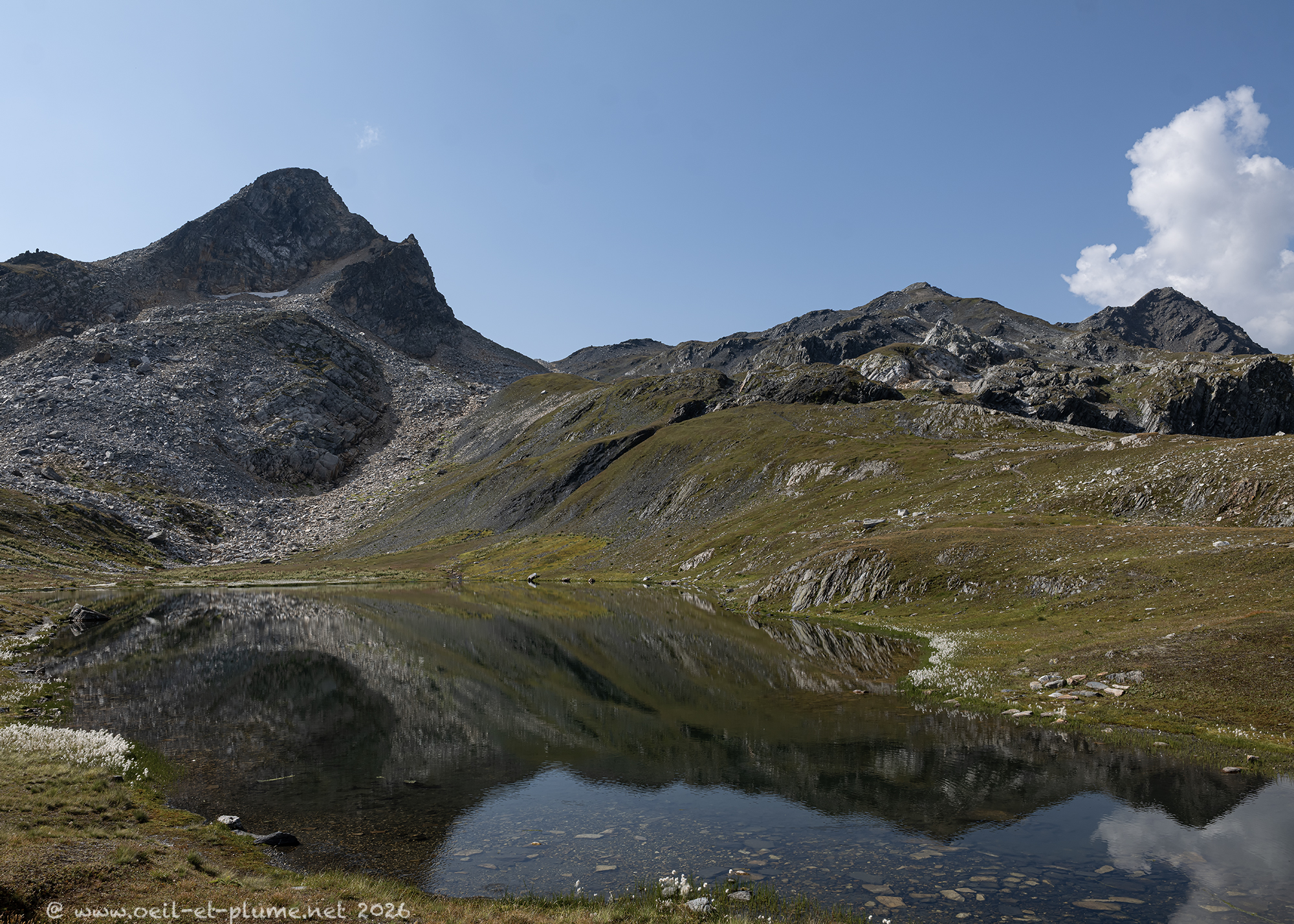
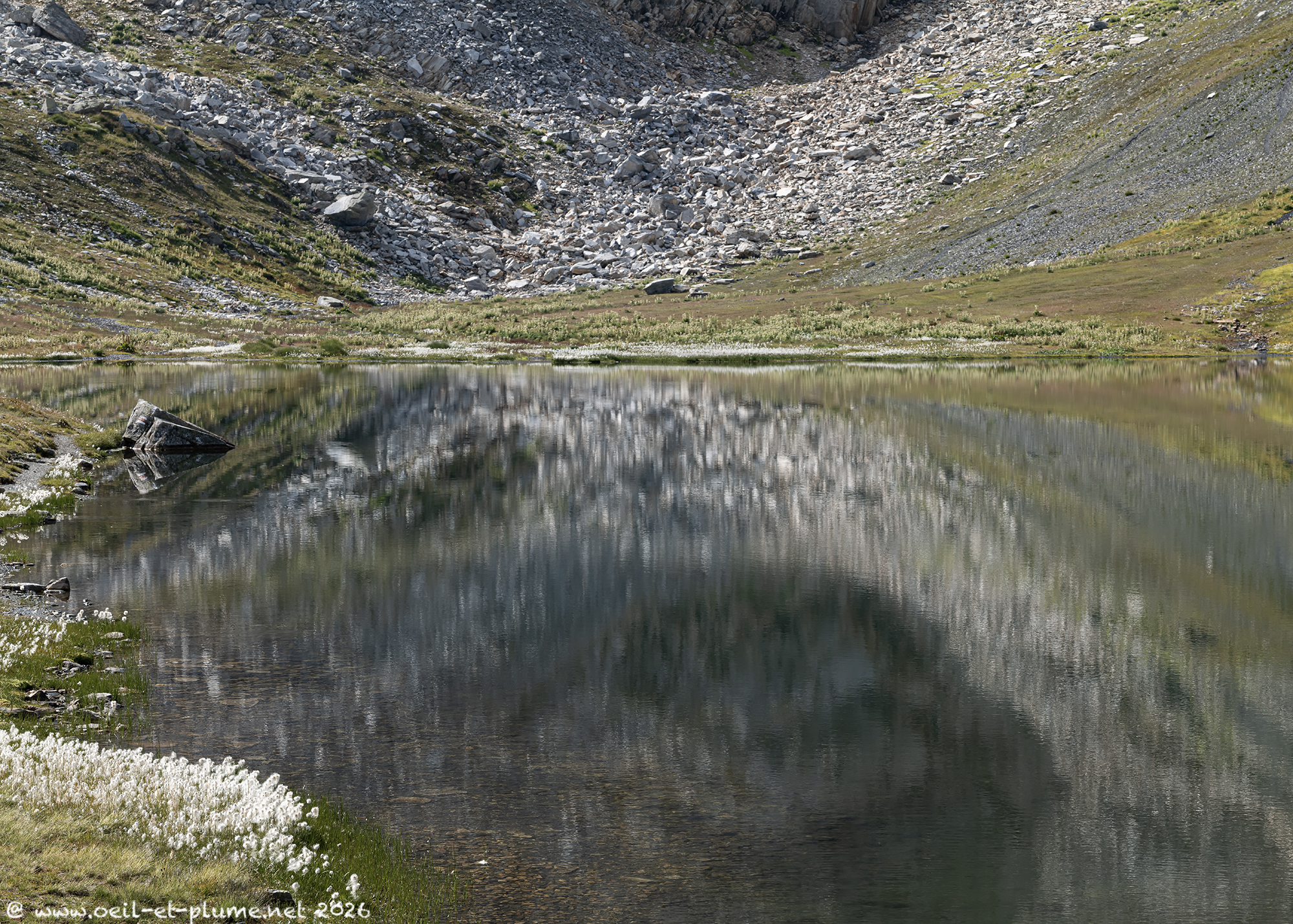
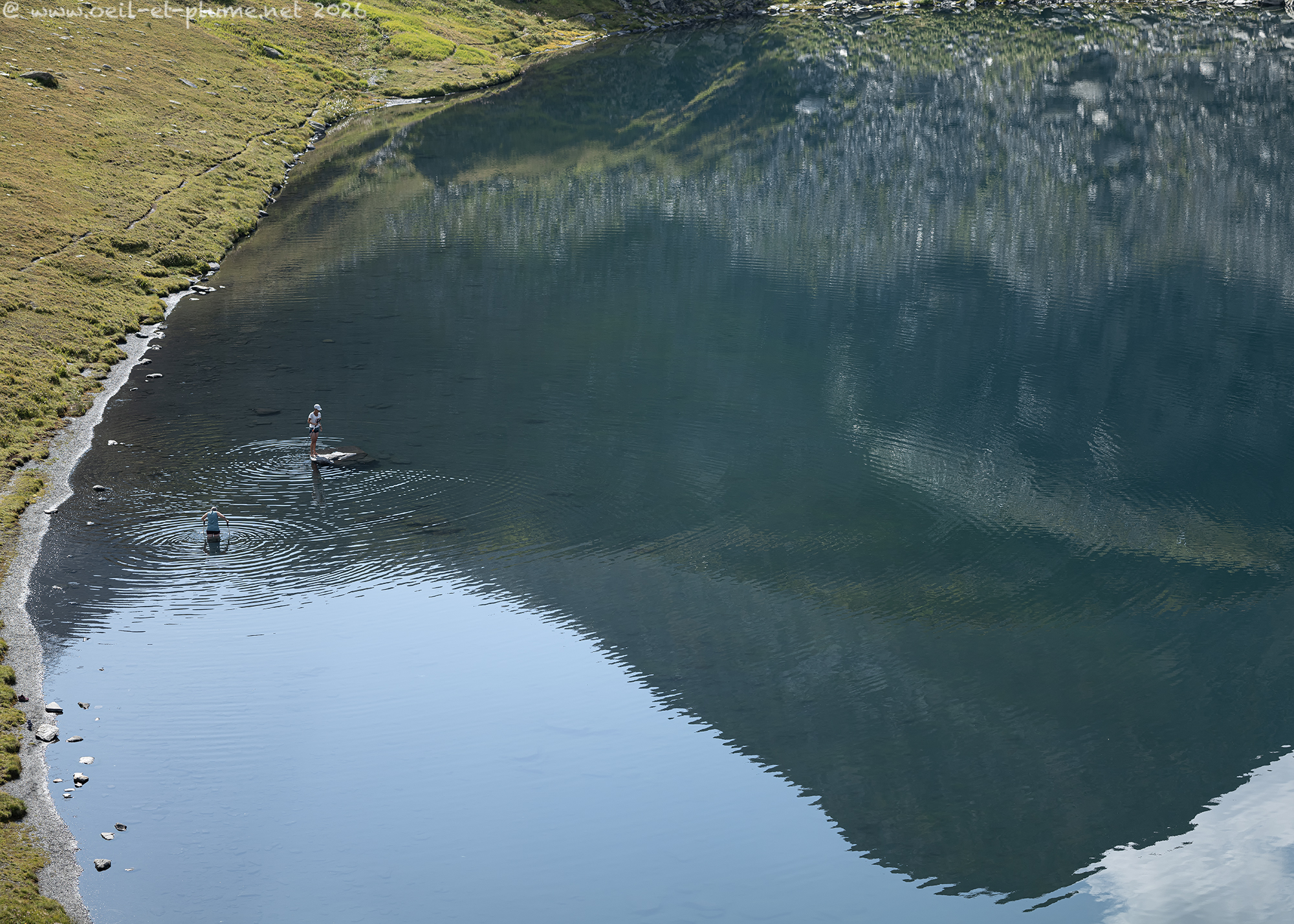
Moving on, I returned to the human world. I came upon a couple of trekkers relaxing by a pristine mountain lake. Charming, certainly — but I felt this candid episode less enjoyable than the journey with the alpine ibexes. A typical symptom of addiction to wild game, perhaps; love of nature, for sure.
I would like to be able to approach the red deer — my king of the Alps — one day too. Deer are indeed very discreet and cautious around humans. Hearing the bellow of a stag during the next rut season would already be an achievable first step.
Cheers,
