
Nothing lost
The three children, likely siblings, beckon me closer as they play beside their sleeping quarters. Suddenly, they pause, huddling together for a secret conference; they cast conspiratorial glances, pointing untidy fingers my way. I keep engaging with them positively with my eyesight and body language until I feel the moment right to create the image, offer my thanks, and depart.
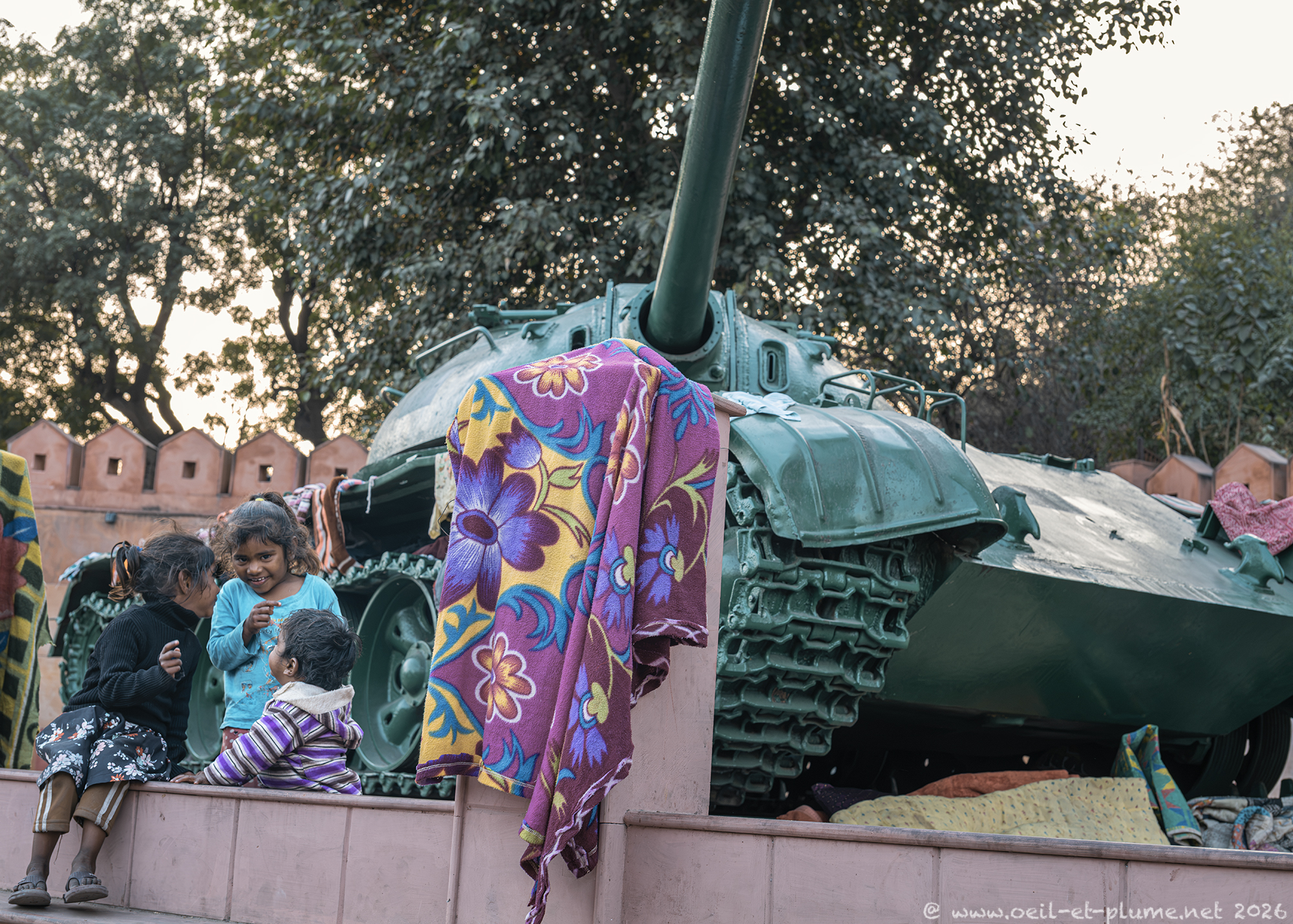
While this scene might appear as a classic piece of street photography, the context is special: the children and their mother were living beneath the hull of a retired Indian Army combat tank.
Parked near a major roundabout in Ajmer, Rajasthan, not far from the Pakistan border, the venerable armoured vehicle had been transformed as a public monument by the Indian authorities. A homeless family repurposed it further as shelter.
In line with the Indian ethos that nothing is ever truly lost, the former massive machine of war had become a home. Throughout my stay in Alwar, the family lived out their days in the shadow of the gun barrel.
Chaotic symphony
Rajasthan’s street life is a vibrant, chaotic symphony of colour, scent, sound, commerce, leisure and culture. In bustling hubs like Jaipur’s Tripolia Bazaar or Jodhpur’s Sadar Bazaar, narrow medieval alleys overflow with a dense tapestry of life: pedestrians, camel carts, auto-rickshaws, darting motorcycles, sacred cows and stray dogs weaving effortlessly through open-air stalls.
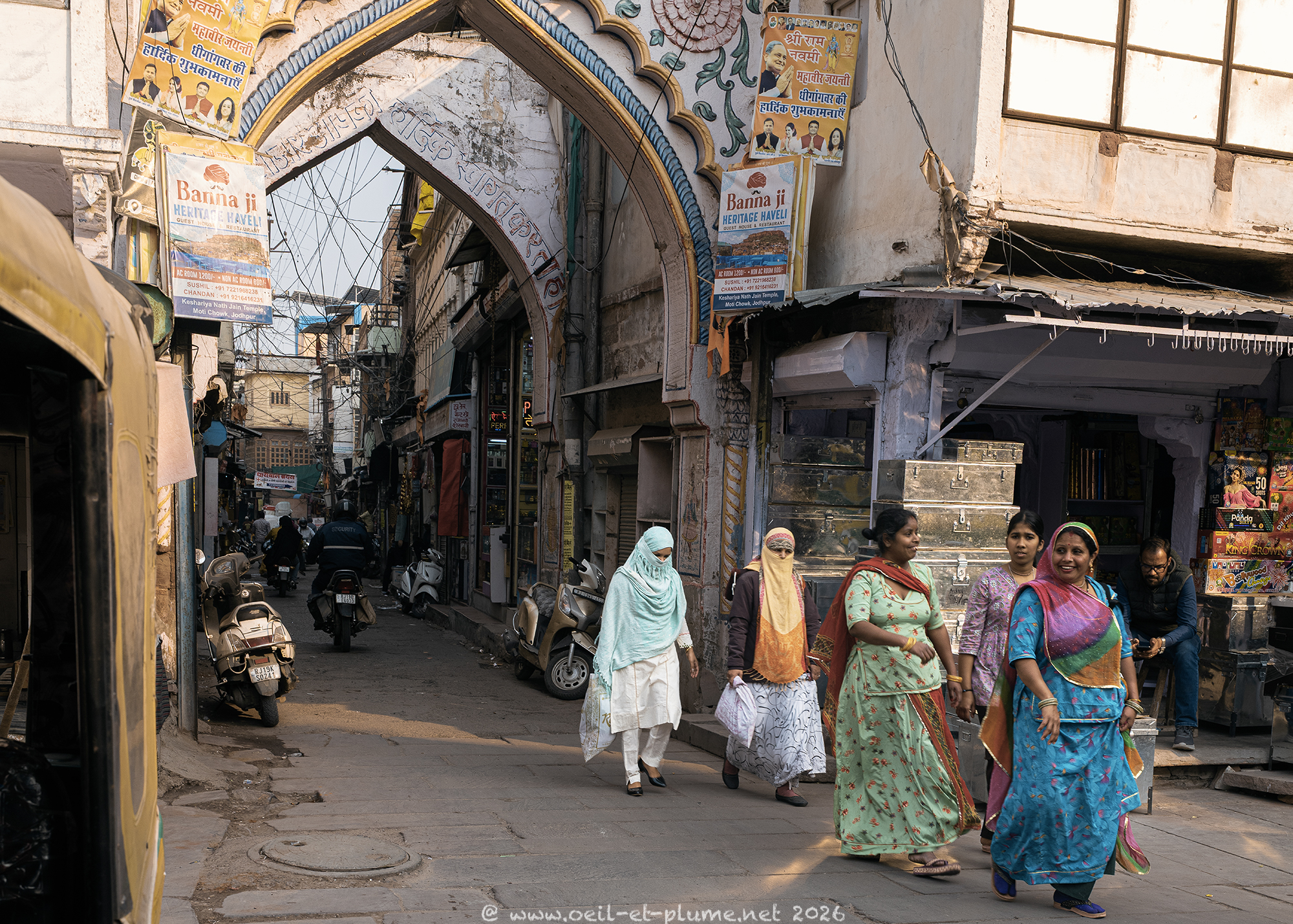
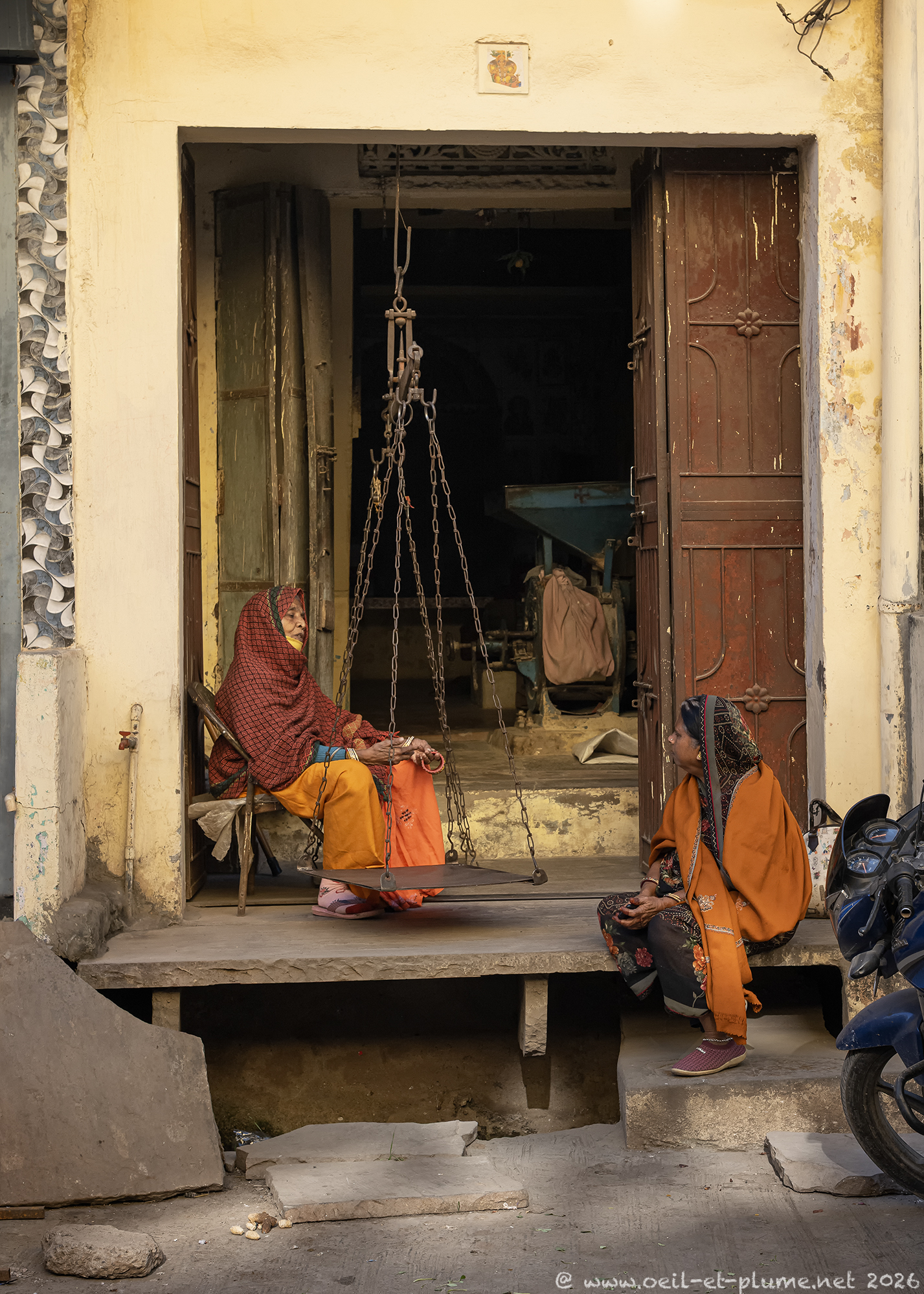
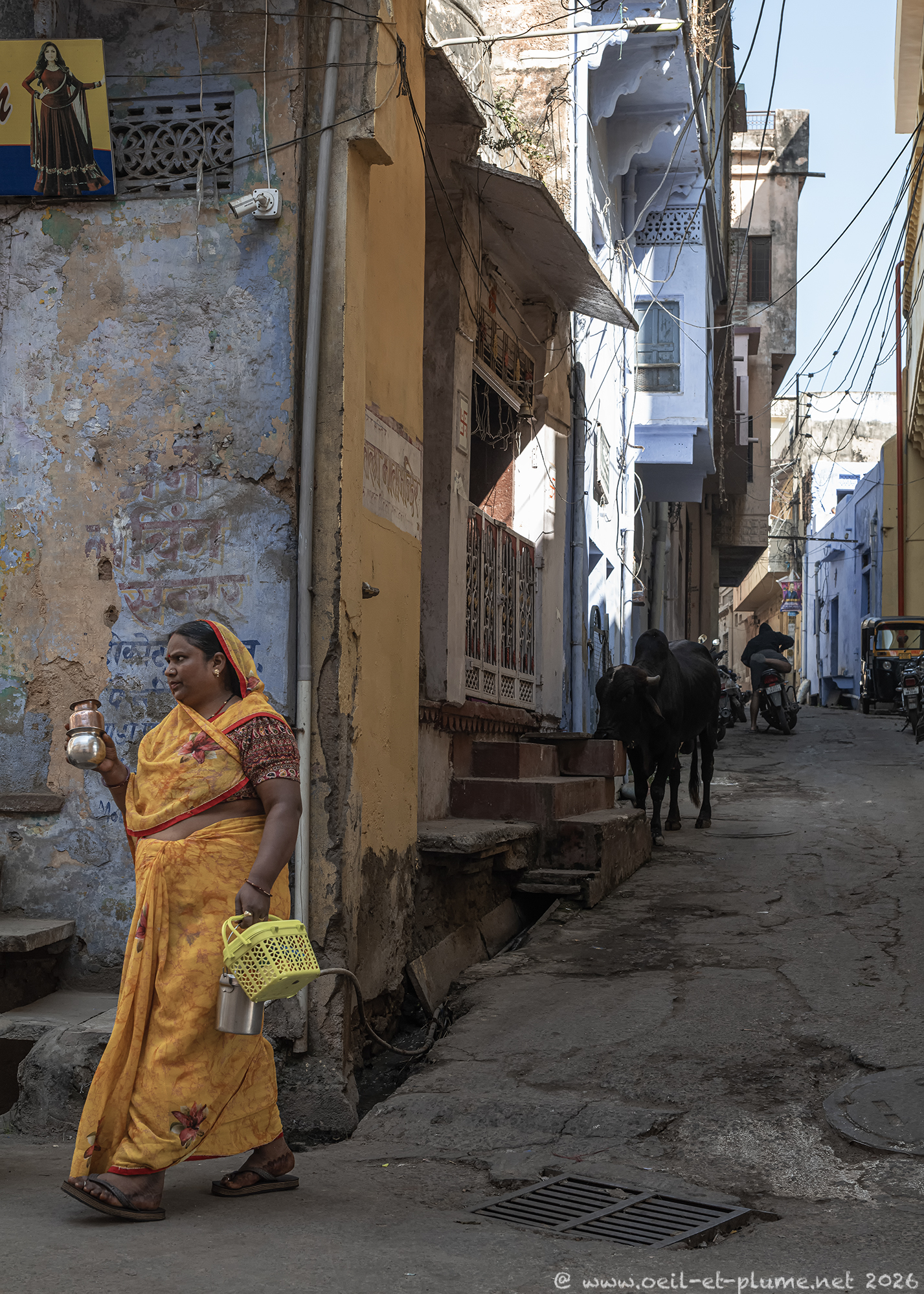
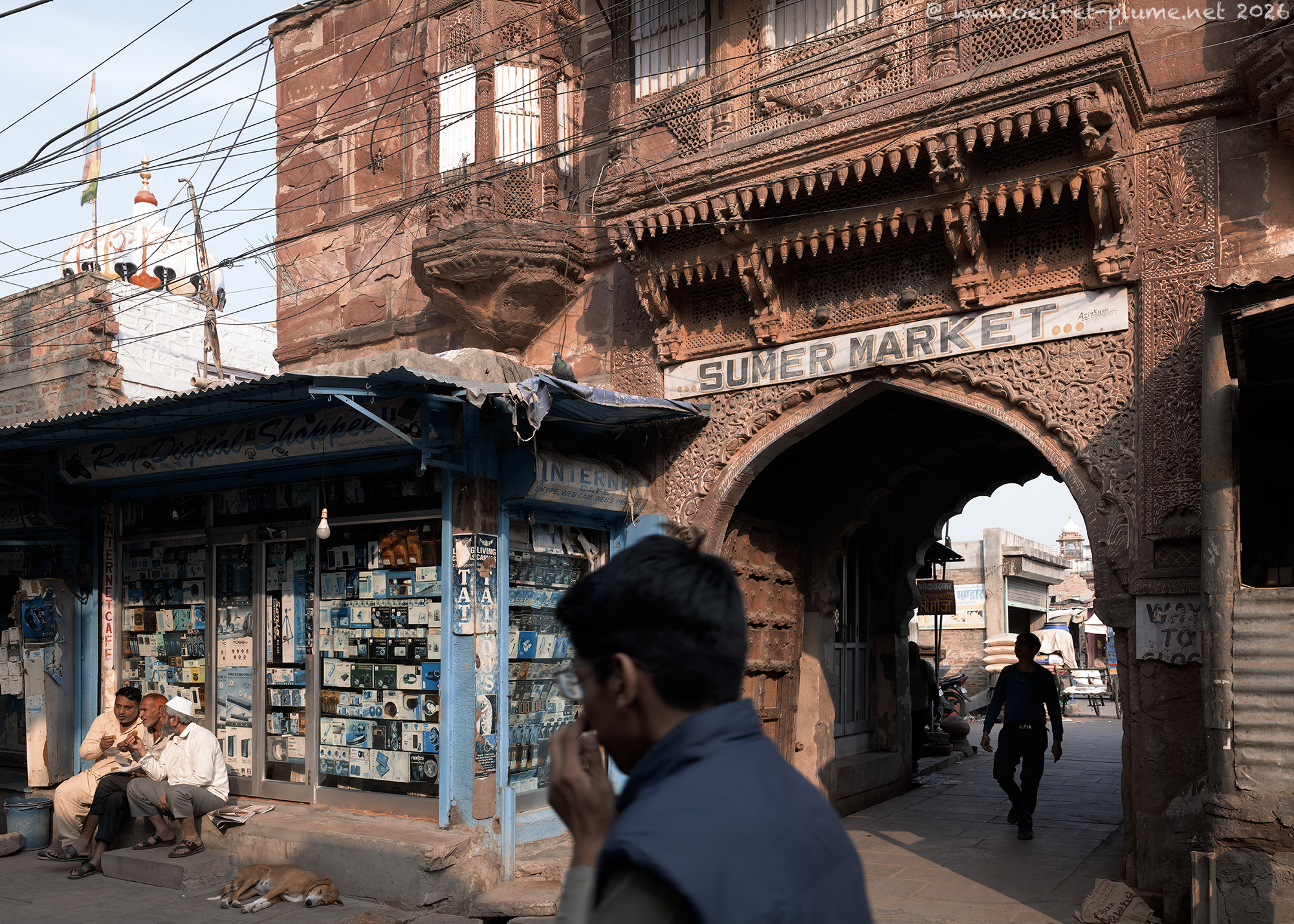
The various urban rhythms at work simultaneously in the street are mind-boggling. Standing customers claim any patch of open space to chat, ponder, or inspect goods; others sit inches from the traffic, utterly indifferent to the commotion; artisans craft and sell their wares directly on the curb. Meanwhile, motorcyclists rush through the throng, slaloming around every obstacle with daring precision.
In most places, such chaos would spell disaster. Yet in Rajasthan, these disparate energy flows coexist with remarkable harmony, as if guided by an invisible master of choreography.
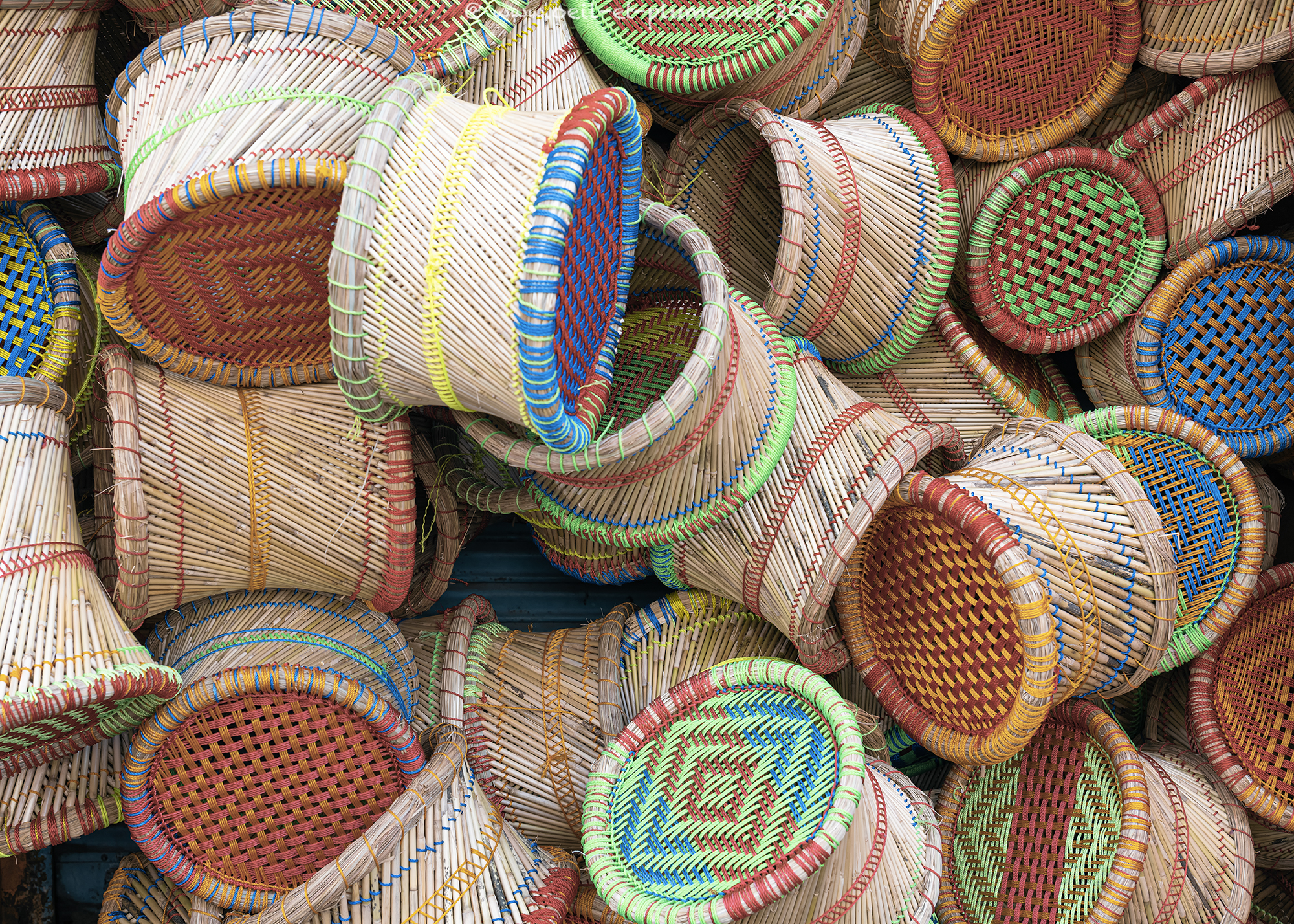
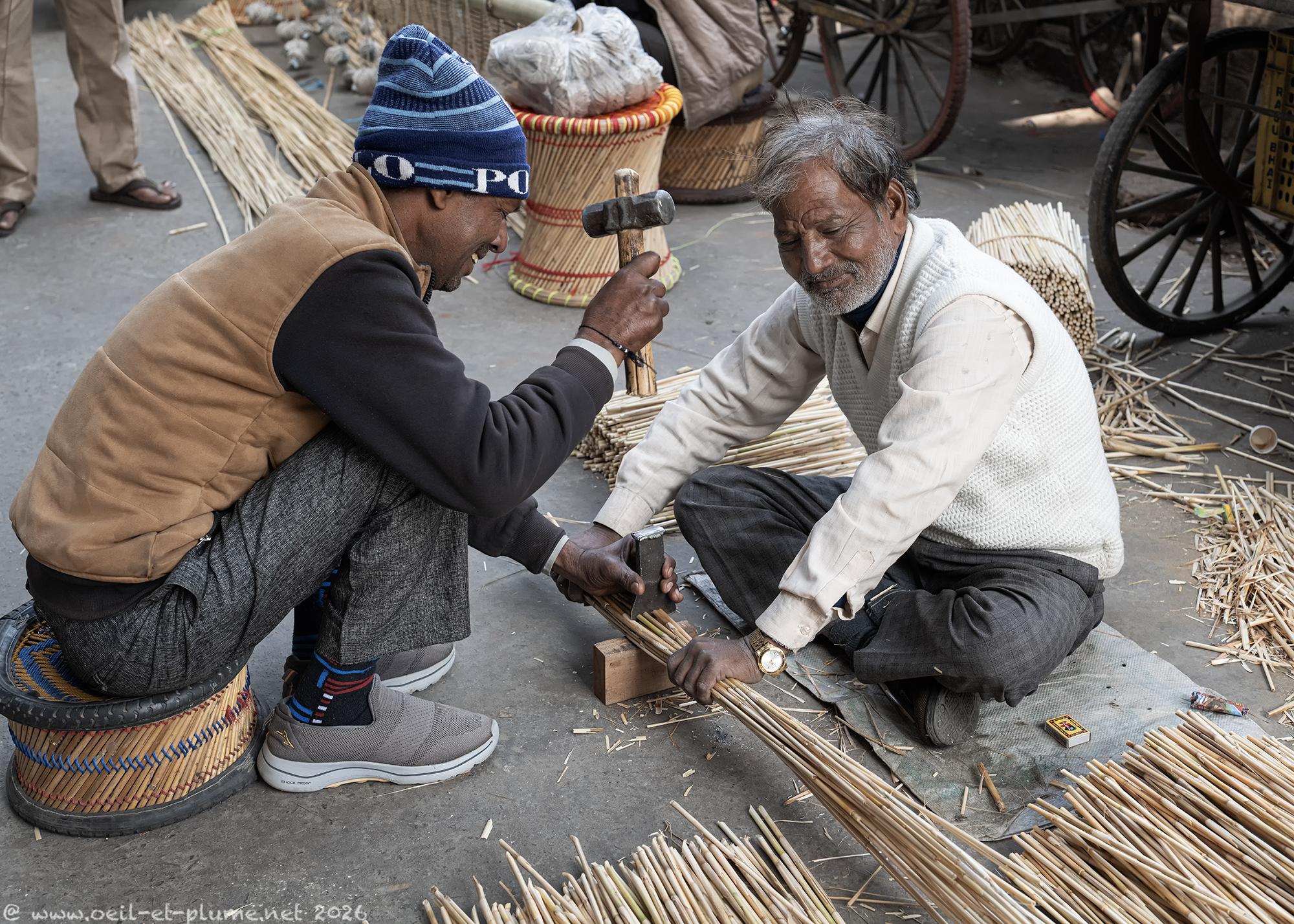
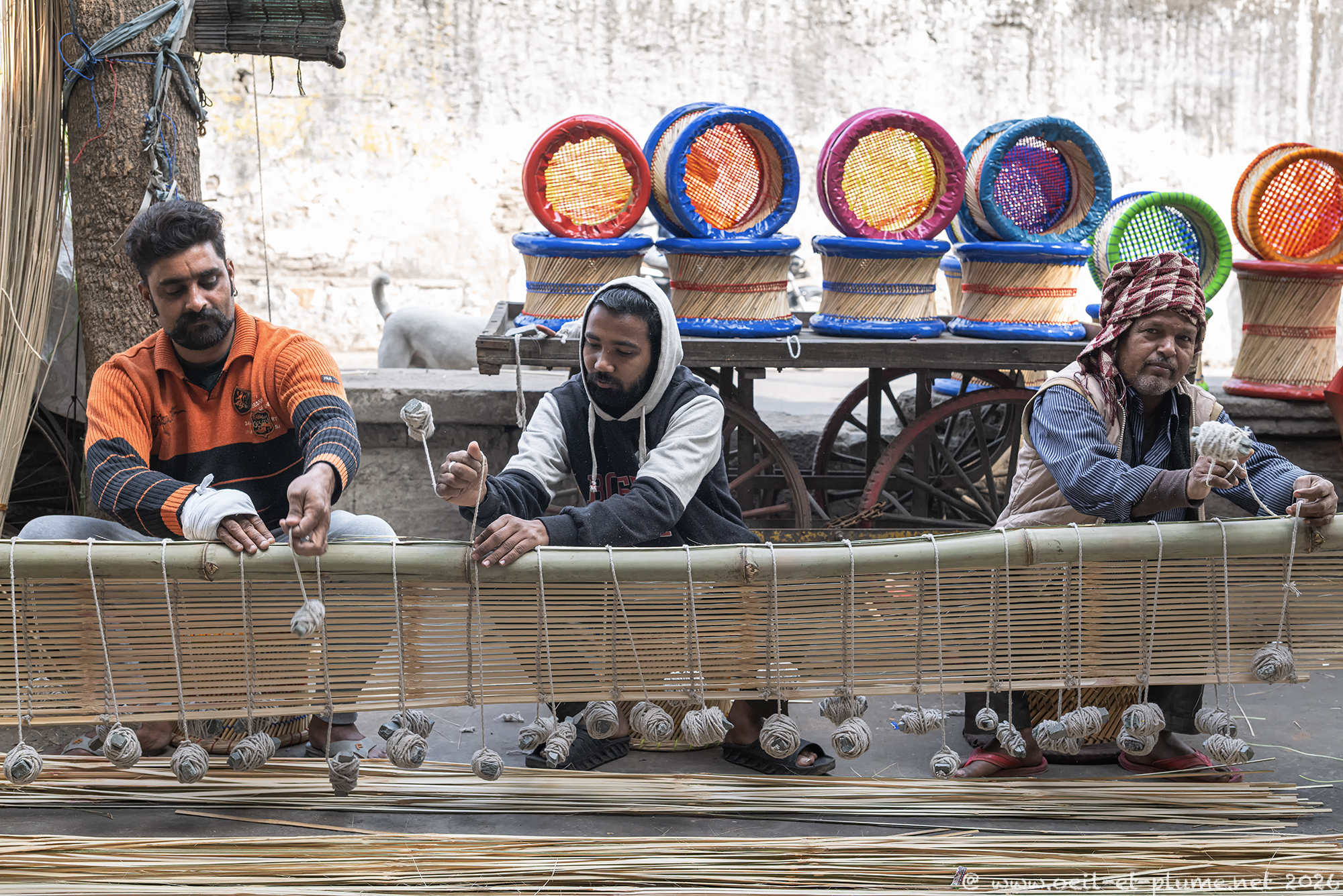
Basketry offers another instance of implicit choreography among people. Though no boss or supervisor is visible, the workflow between the various teams lining the streets runs with efficiency, transforming smoothly raw material into finished goods.
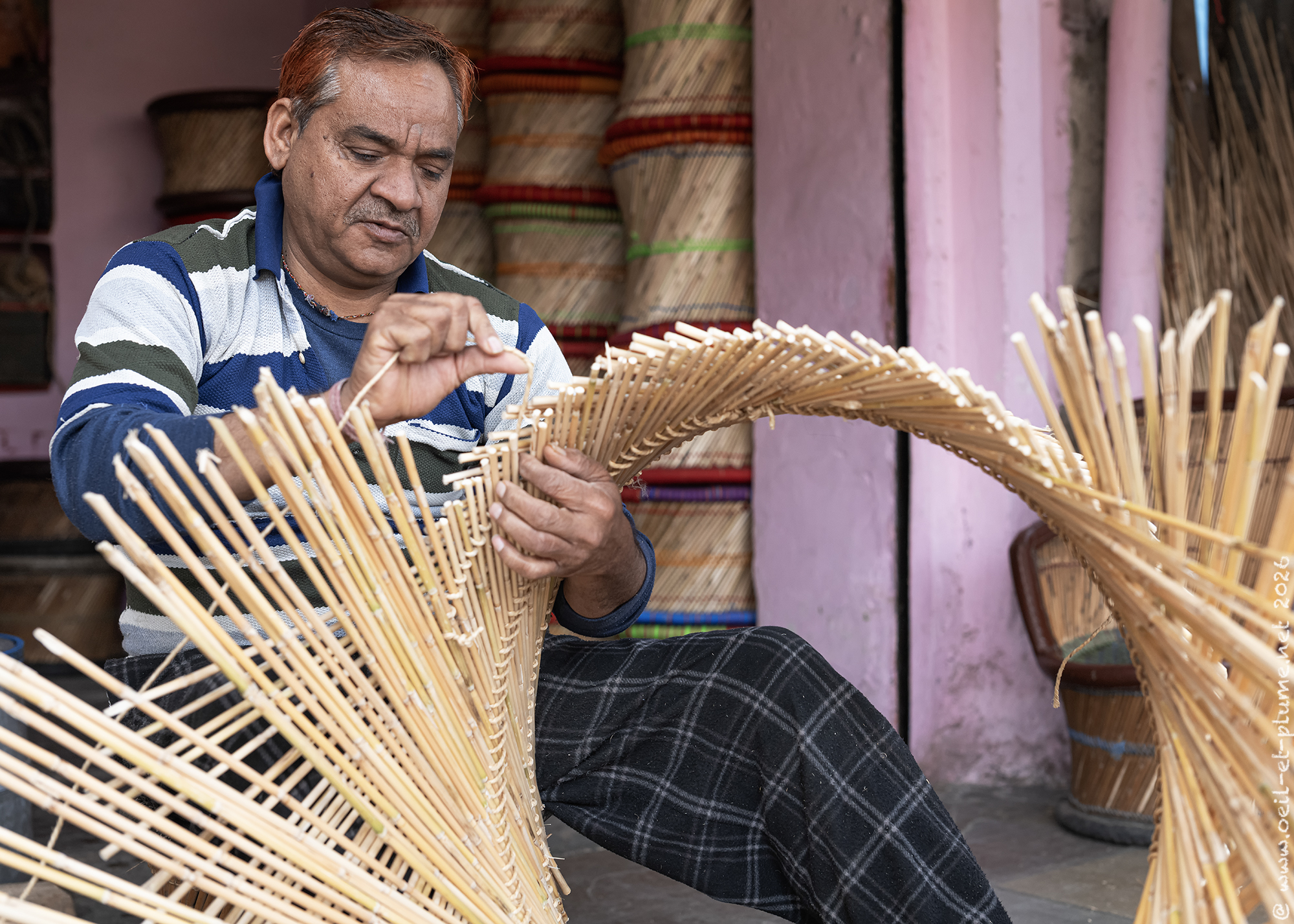
Workshop
Rajasthan’s streets harbour innumerable traditional métiers. Often equipped with nothing but antique tools or vintage machines, these skilled artisans perform technical miracles, crafting elaborate, functional, and beautiful pieces by hand. Here, tradition is palpable; one can feel the weight of centuries-old practices in every gesture.
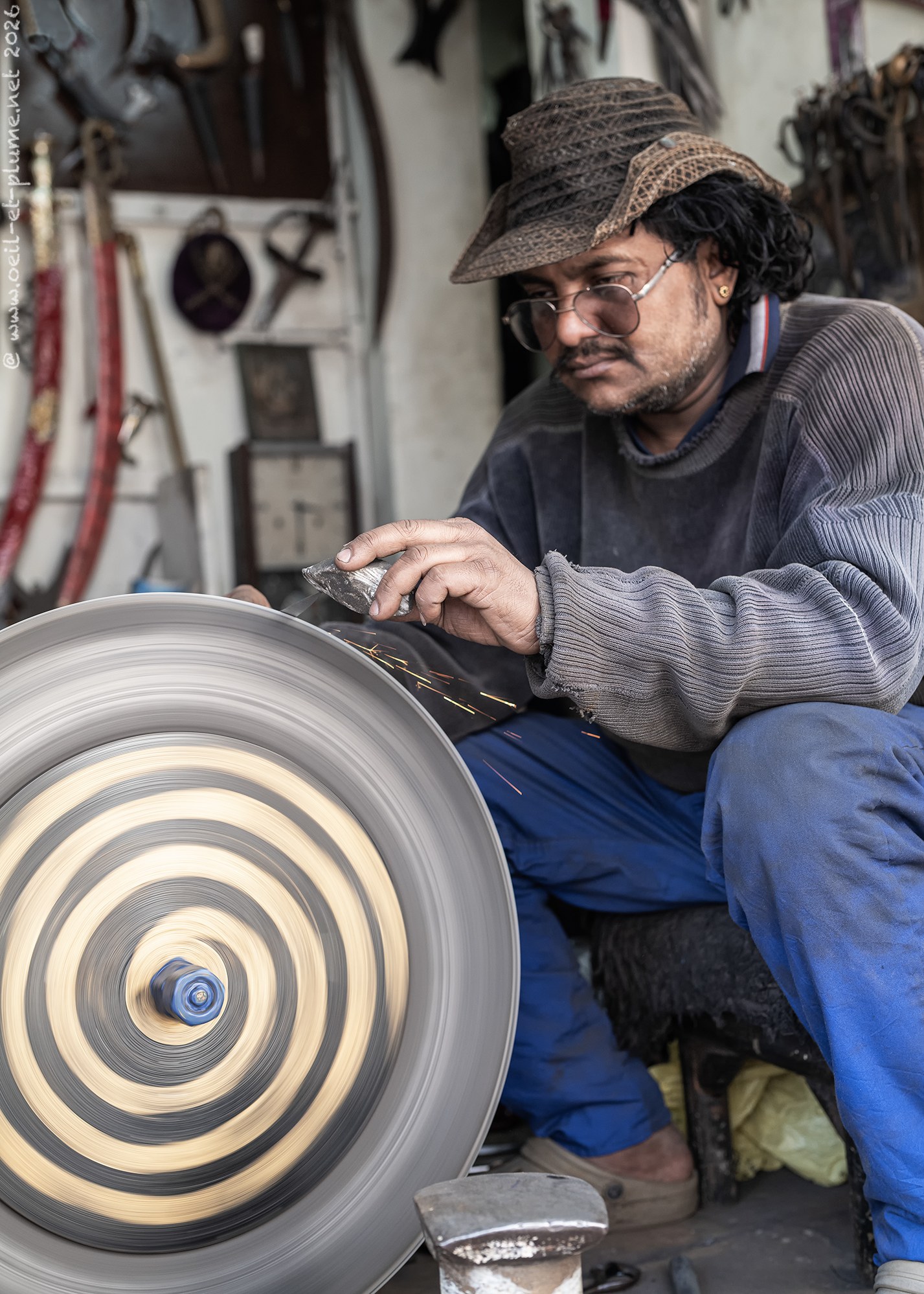
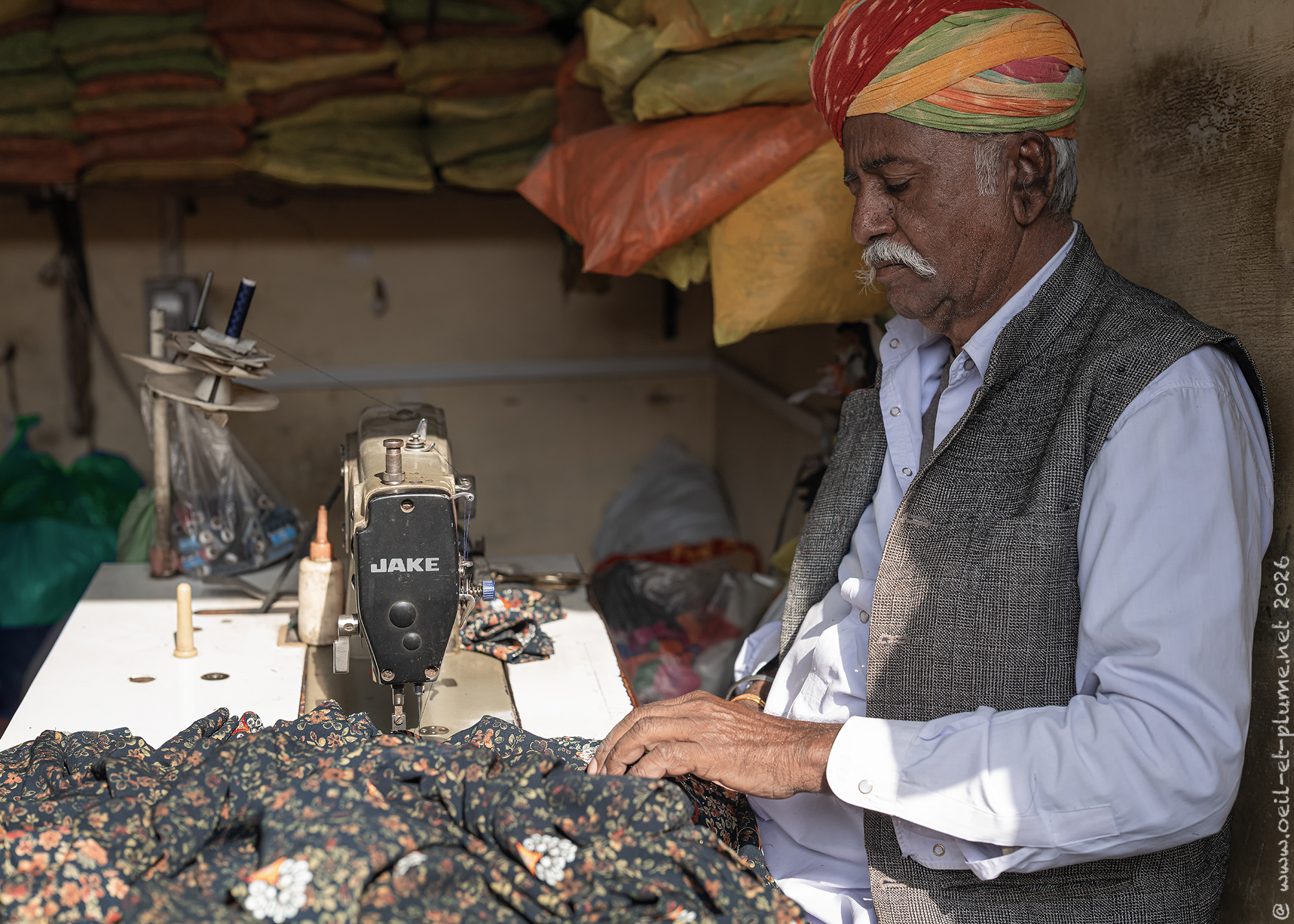
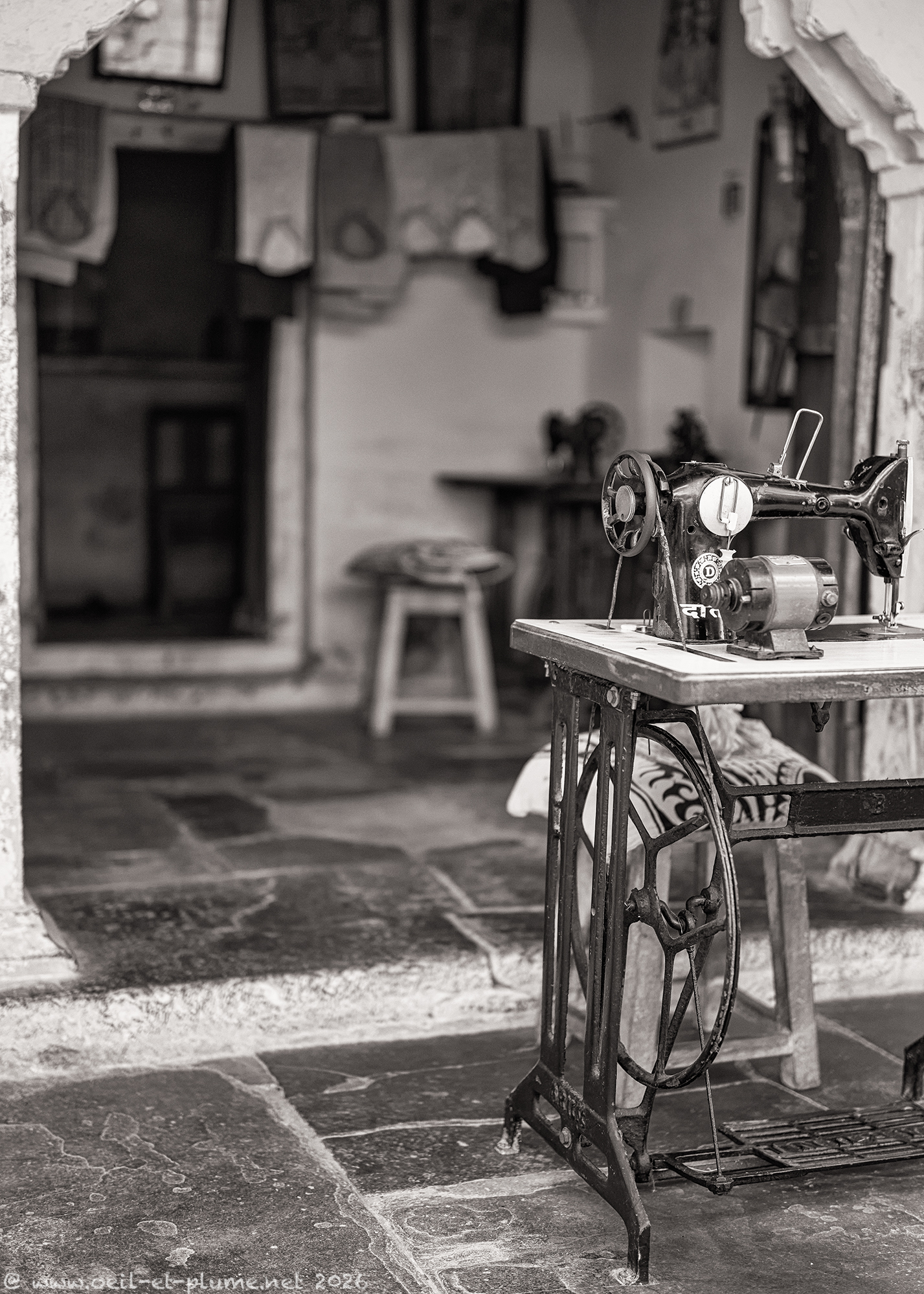
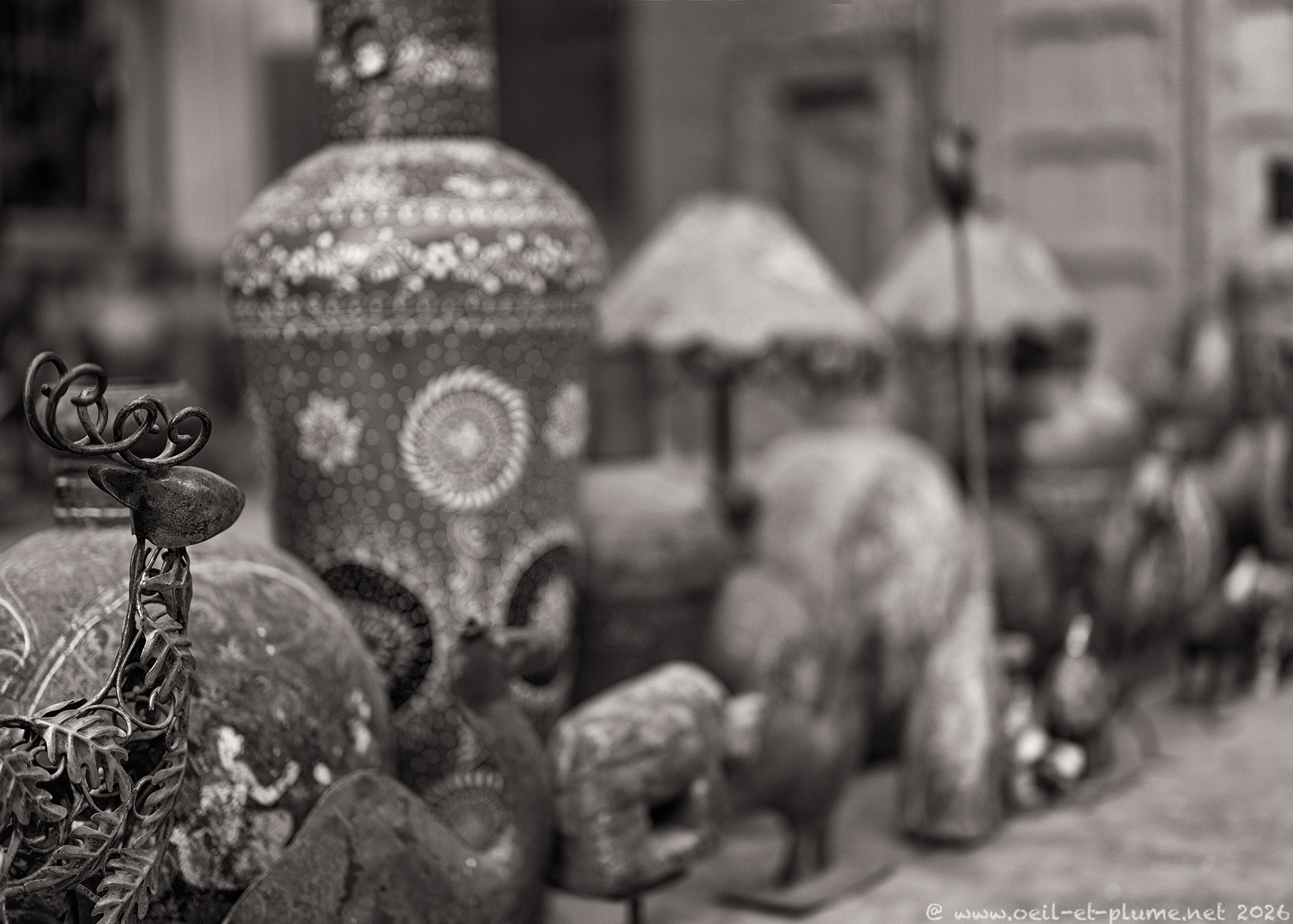
Open-air theatre
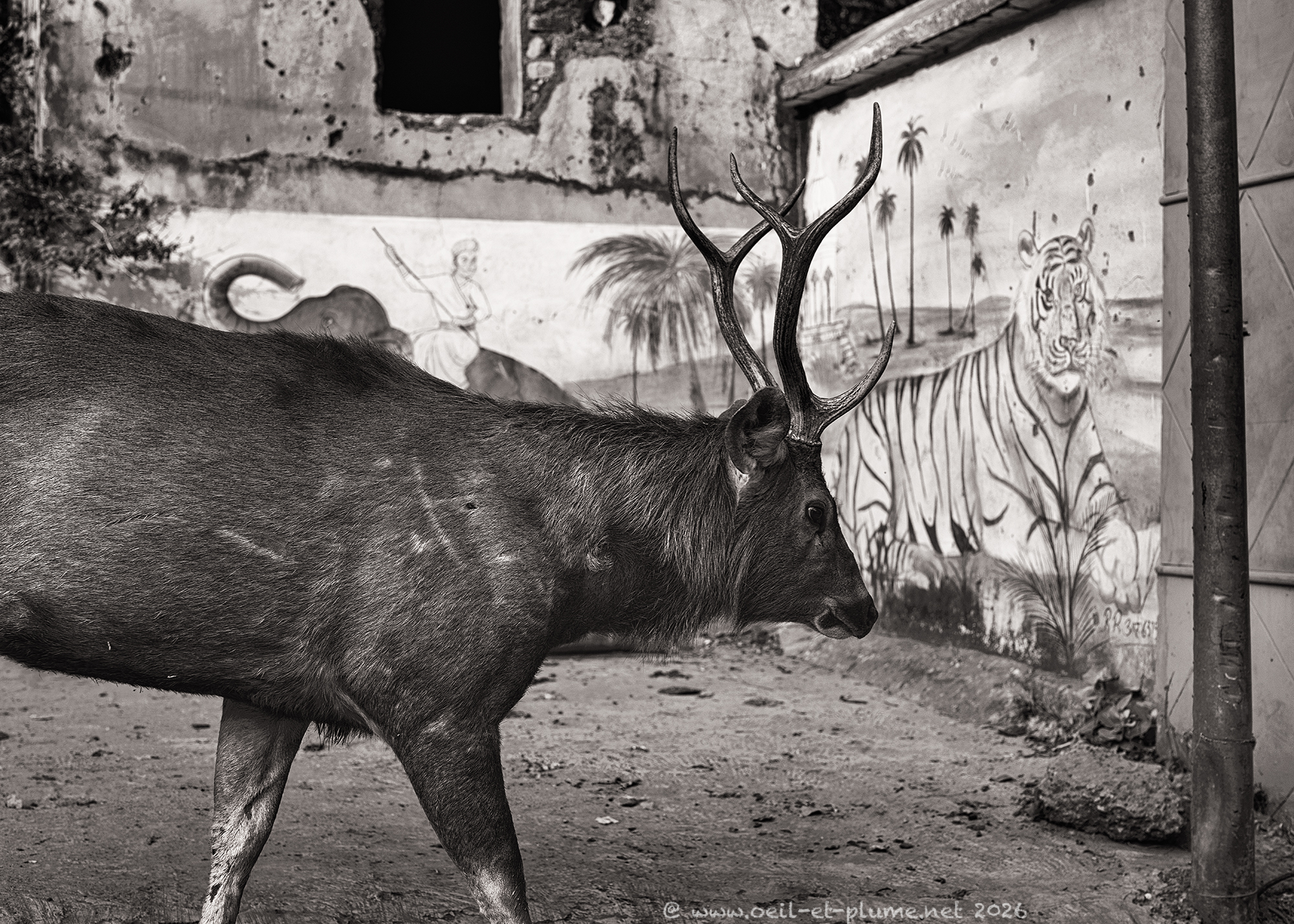
The streets in Rajasthan unfold as an open-air theatre stage where history, modernity, wildlife, art and social life not only coexist but converge or sometimes collide.
In Bundi, I was prevented from visiting the outer fortifications of a Rajput palace because a couple of tigers were reportedly roaming around. Here, a deer strolls quietly in the old quarters of the colourful Rajasthani town: “You deer, watch out! Tigers are nearby, always hungry…”
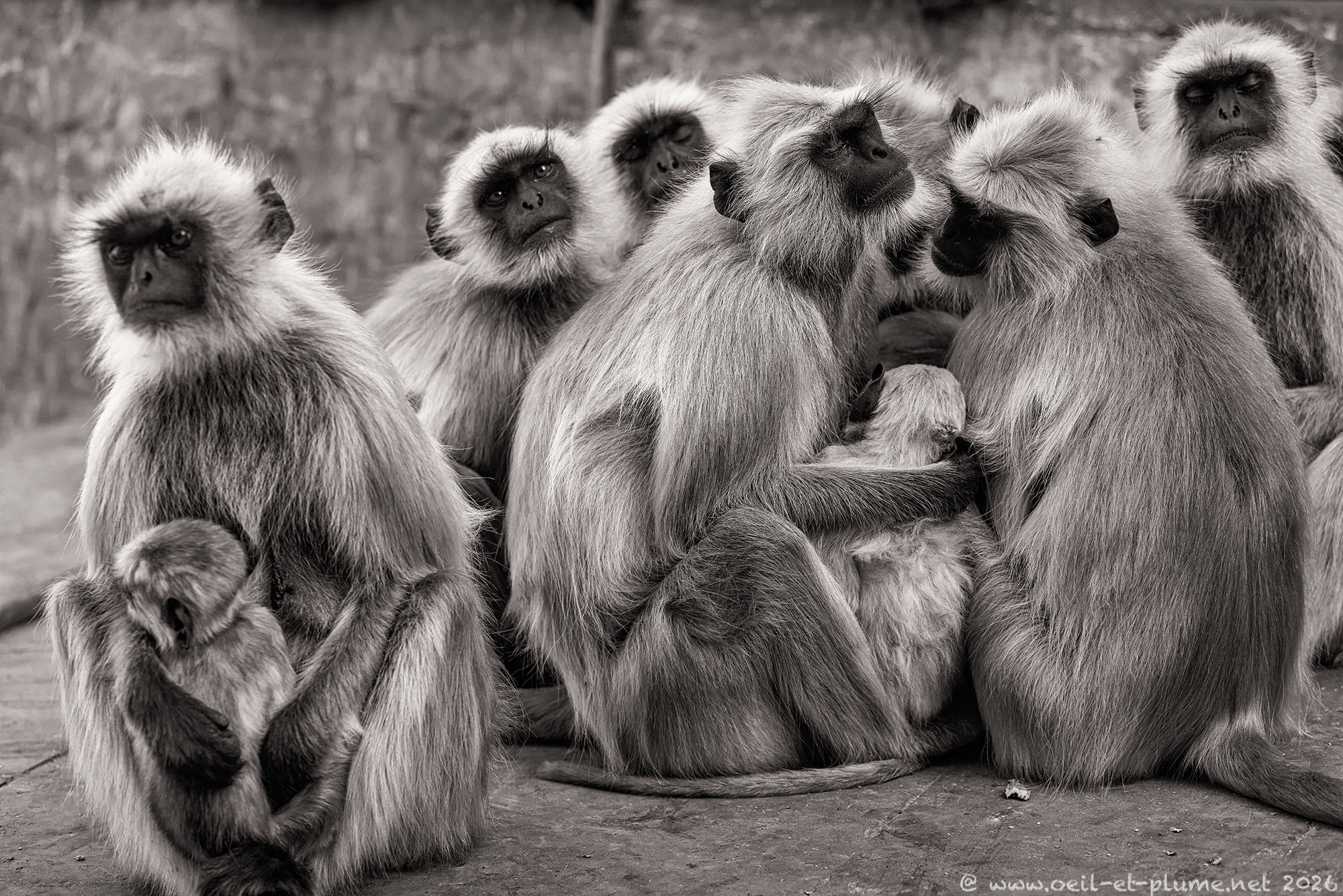
There in Pushkar, a monkey clan plots while taking care of their cubs: “You people, watch out! Monkeys are nearby, always hungry and curious about your personal belongings…”
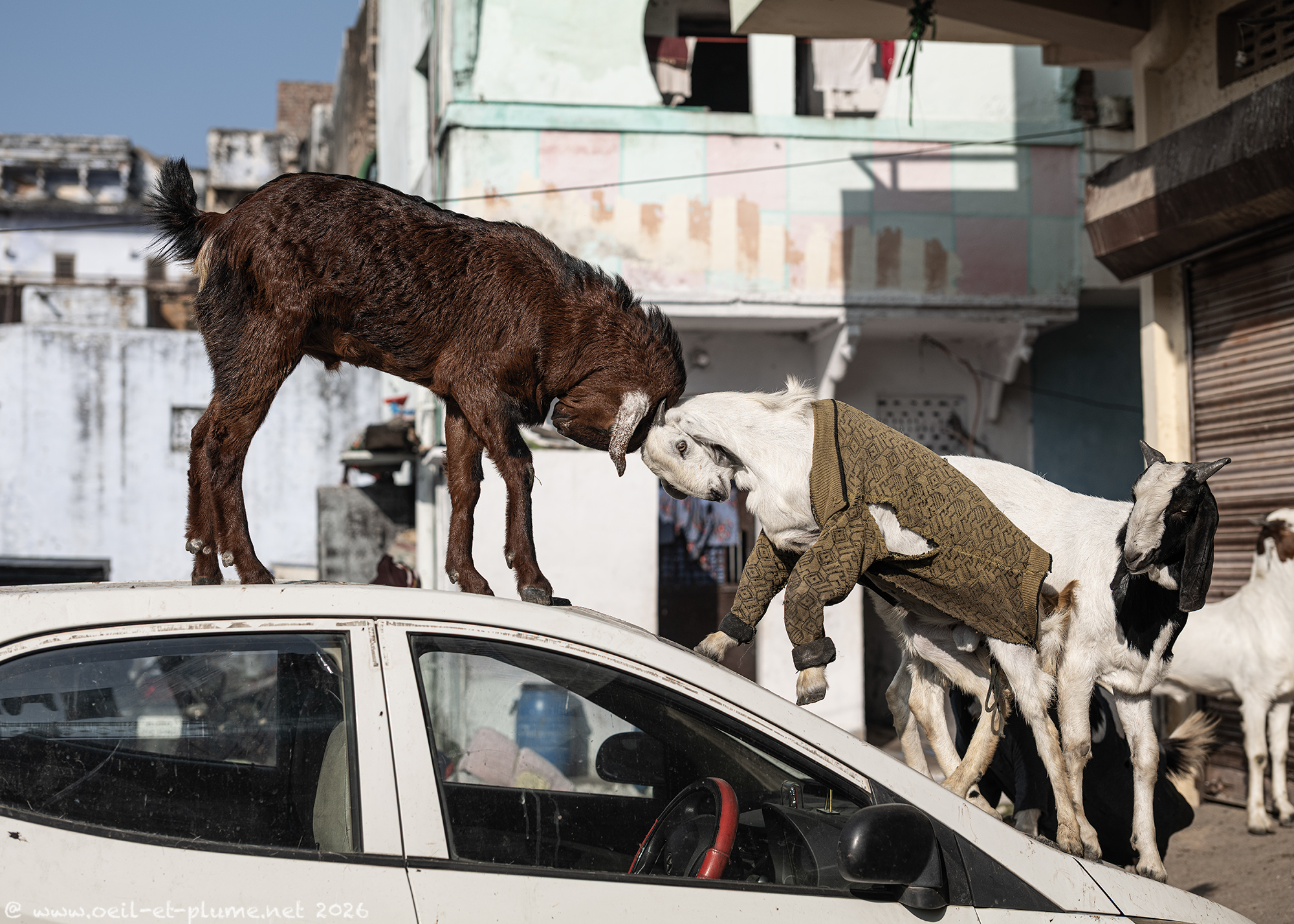
Over there in Bundi, urban goats, proudly sport a polo jersey to better cope with the cold of the winter. I suspect such attire also stimulate the goats self-esteem: ”You goats, stop playing the dandies and fighting for vain glory.”
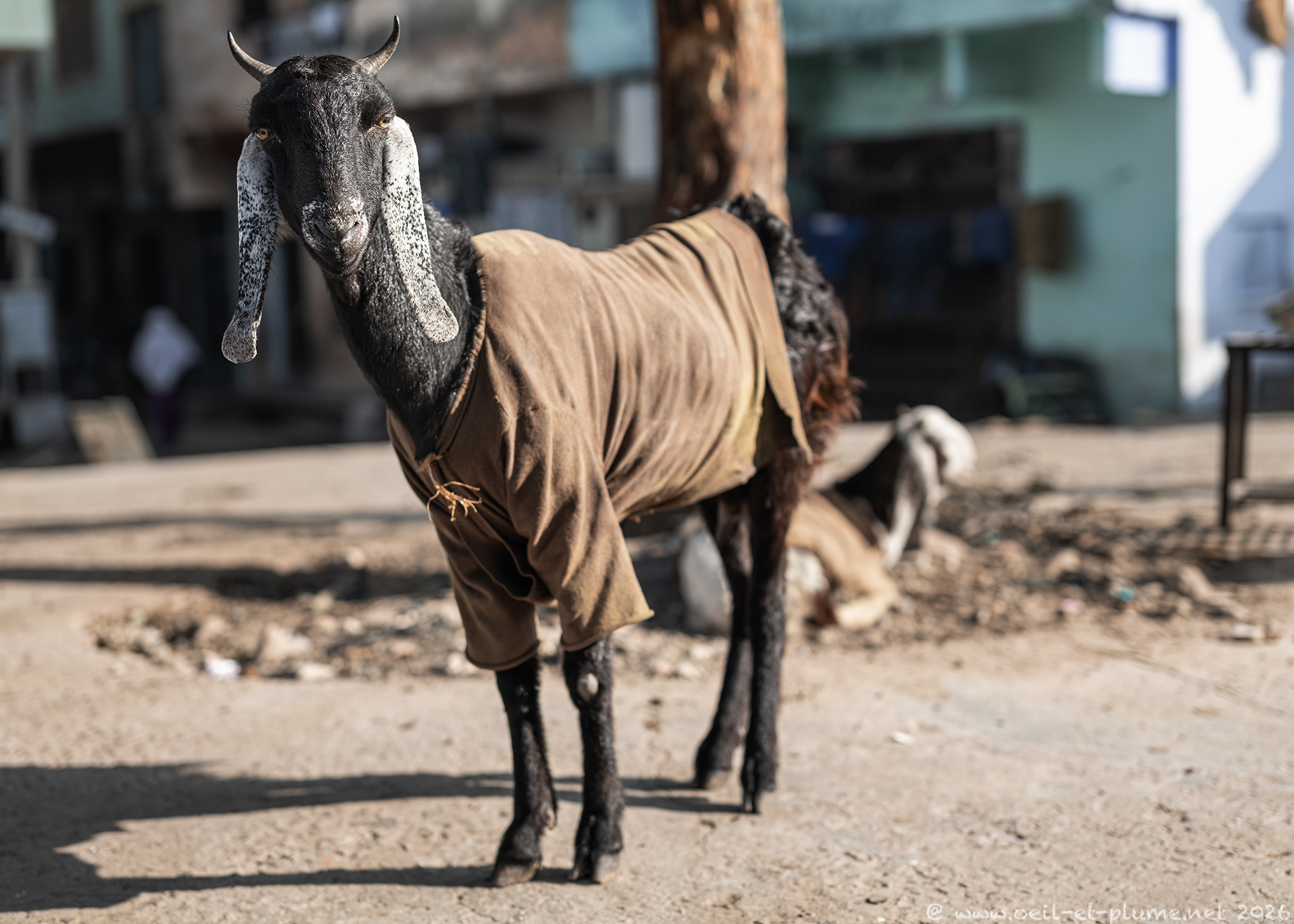
Racetrack
For countless motorcyclists in Rajasthan—young boys on their first ride and seasoned elders alike—the streets are not merely a thoroughfare; they are an impromptu racetrack. Blending speed and agility, they weave through the chaotic cityscape. Their daring driving style integrates seamlessly into the general rhythm of life, to constitute just another instrument in the street’s symphony.
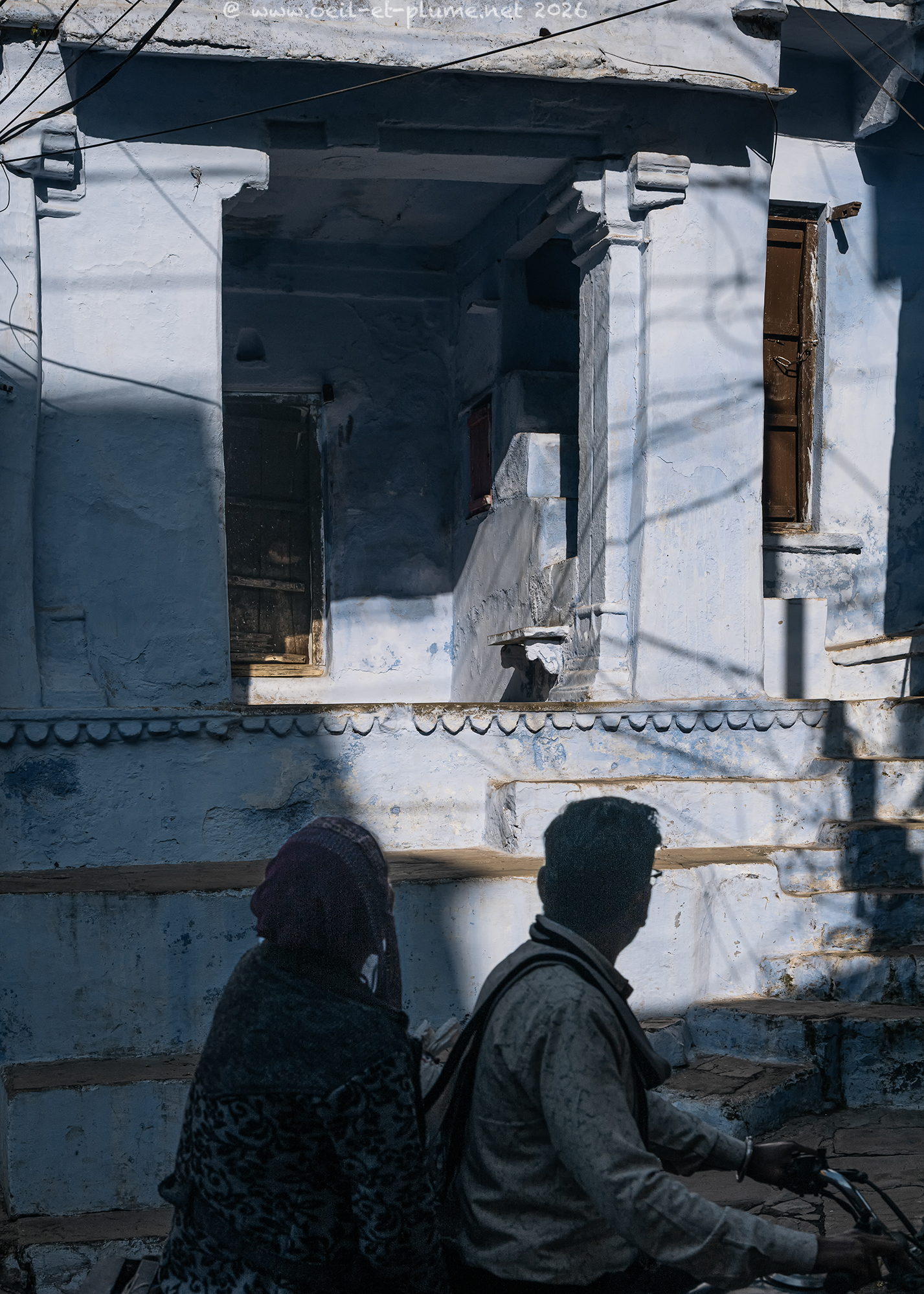
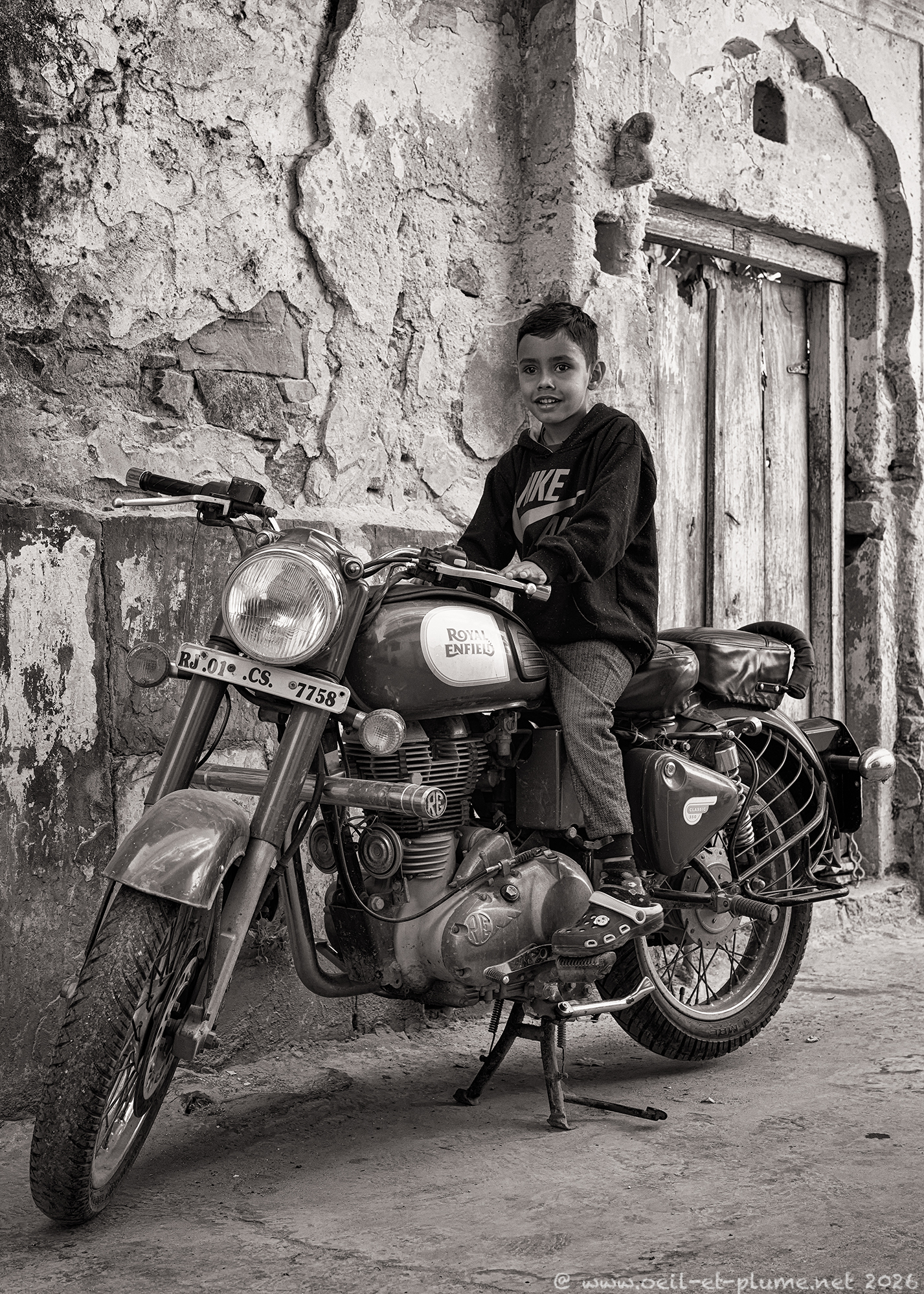
To an outsider, it remains a profound mystery—and perhaps a miracle—how daily exposure to such traffic does not end in more accidents. Yet, amidst the roar of engines and the narrow misses, life continues unbroken. It is as if Rajasthani people master a sixth sense that allows them to move fast through danger unscathed.
Playground
In Rajasthan, the streets serve not only as a conduit for work and transit but also as a vibrant arena for leisure. In the days leading up to the annual Basant (Spring) festival, the air fills with excitement. Kite shops become rallying points with people crowding the street, waiting to enter. Above, on balconies and terraces, enthusiasts practice intensively, their arms tracing arcs in the sky as they hone their mastery over the wind and string.
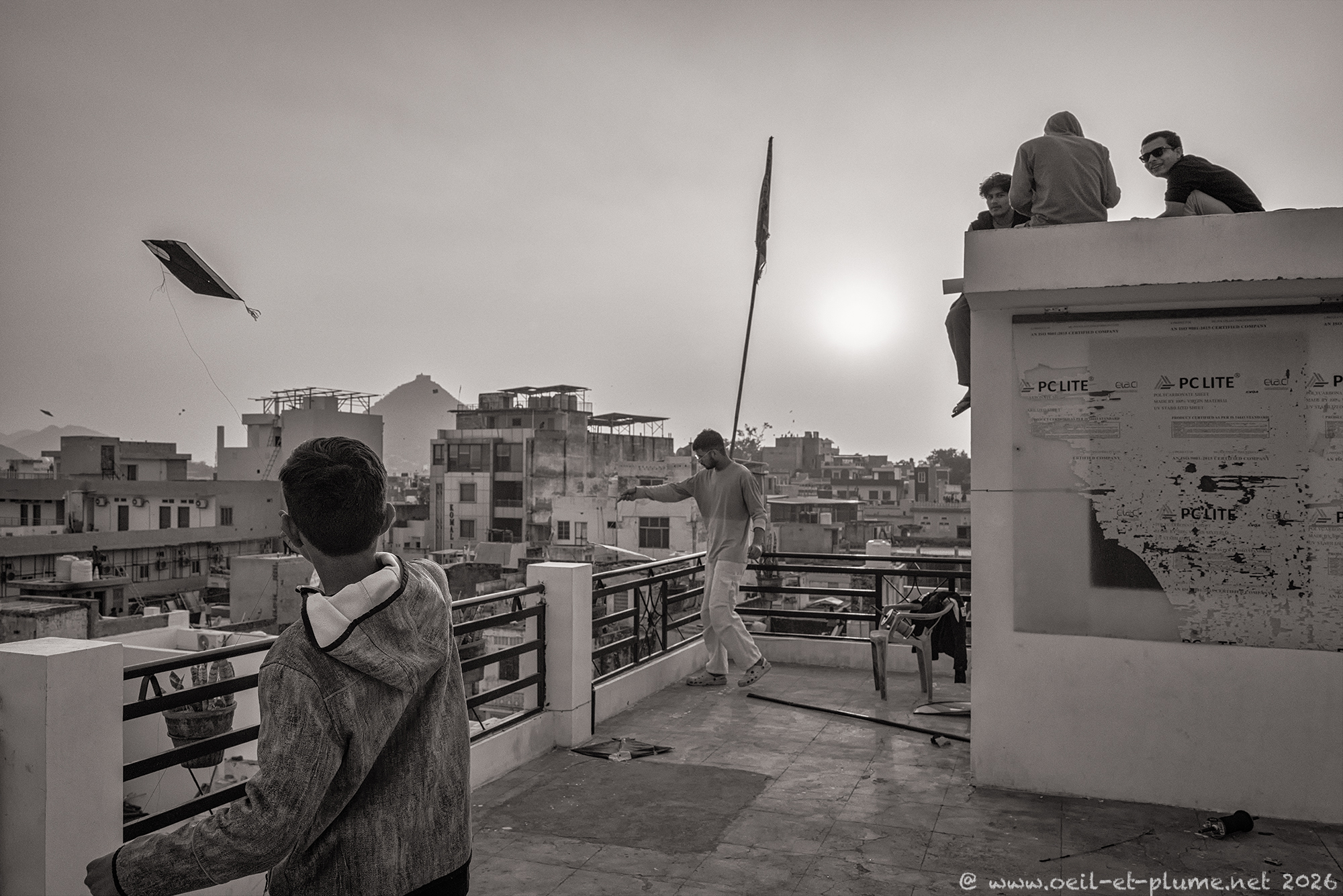
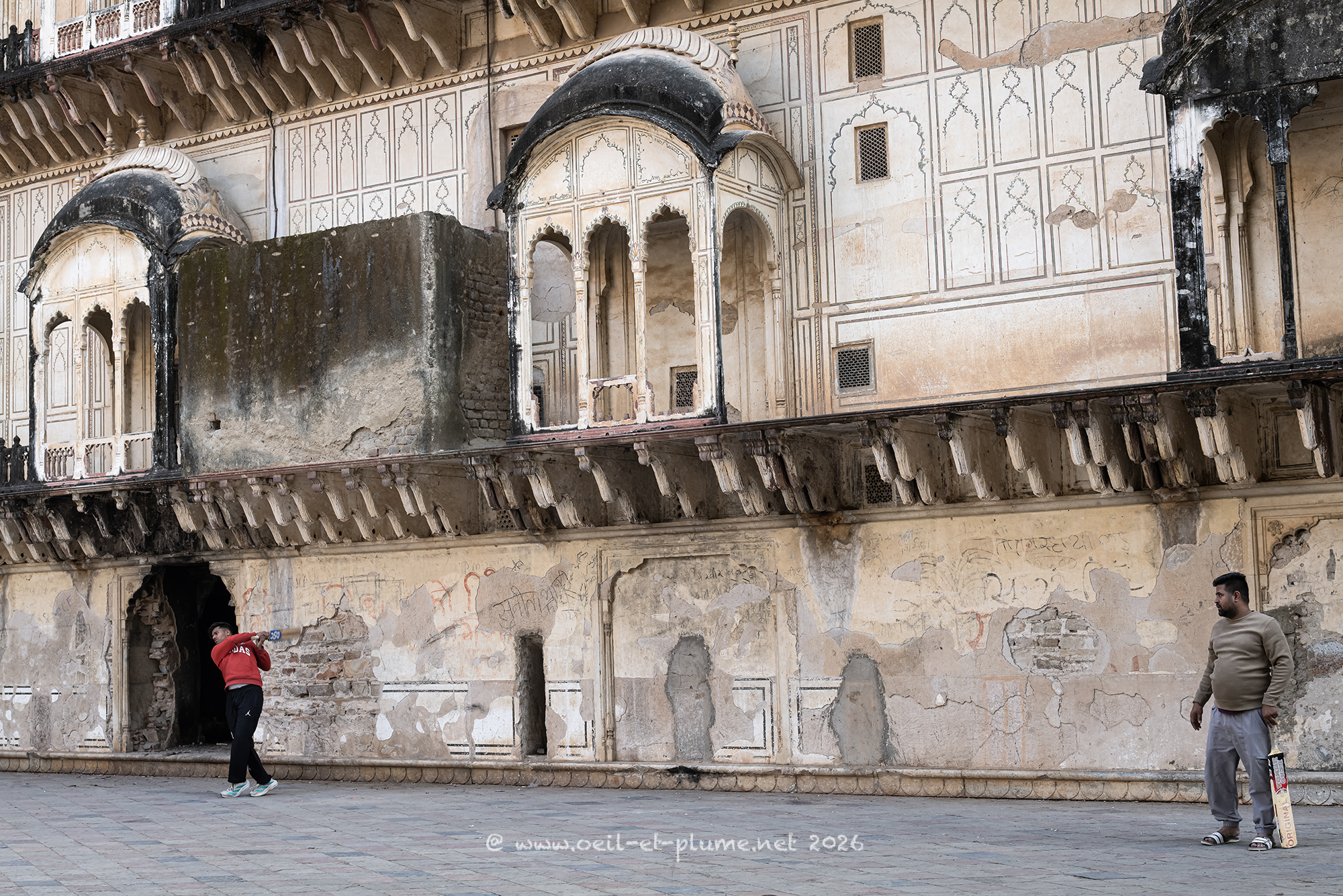
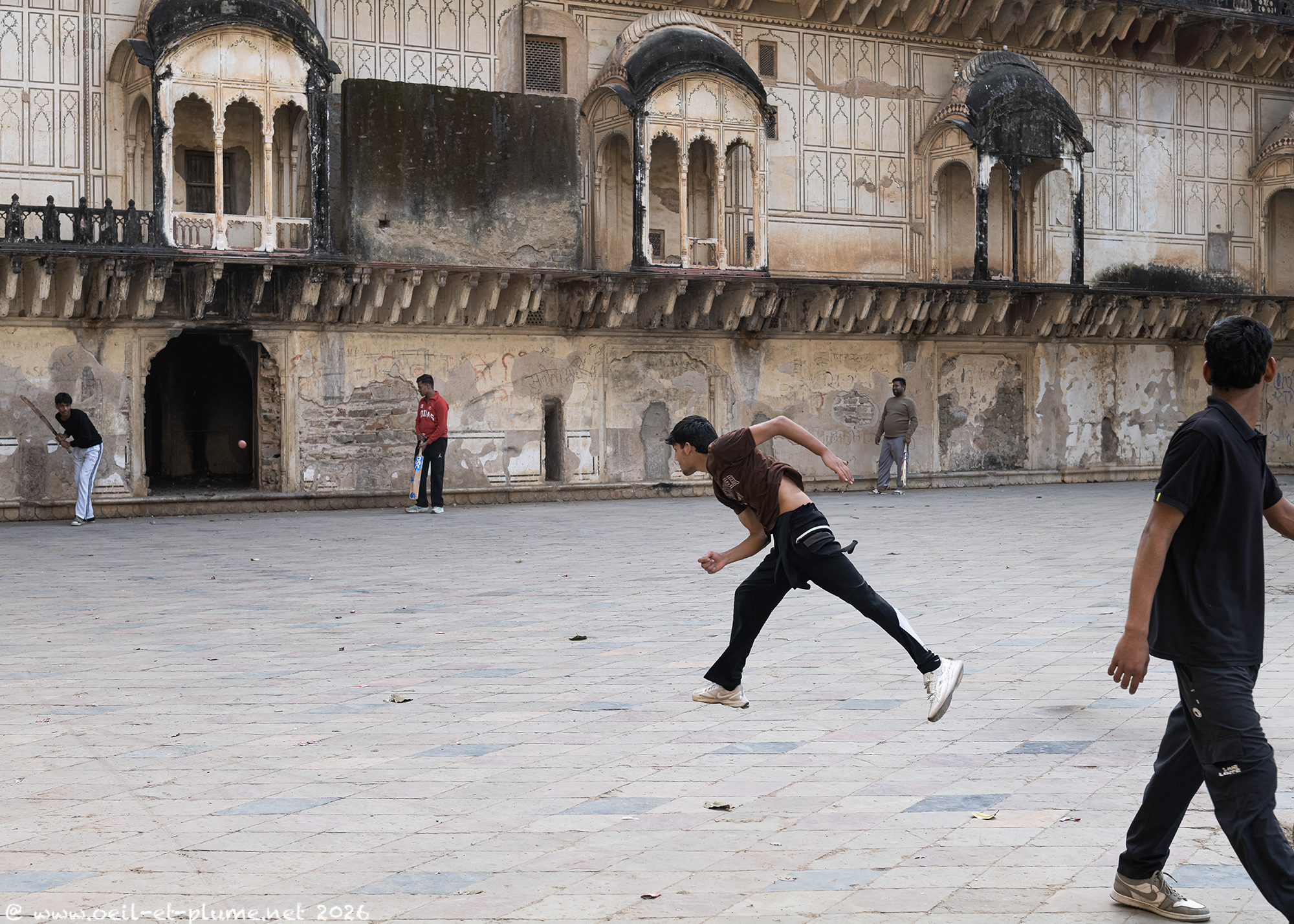
Yet, this spirit of play is not confined to festivals. On any given day, a modest square or even a narrow alley transforms into an improvised cricket pitch for young Rajasthanis.
Throughout my stay in Alwar, I witnessed fierce matches unfolding beside a derelict Rajput palace. The ball would crack against the bat, echoing off ancient walls that had stood silent for centuries. I cherished this profound fusion of traditional architecture and sport; it felt as the lively games were breathing new life into the old stones, sustaining hope and vitality within the historic ruins.
Musical scene
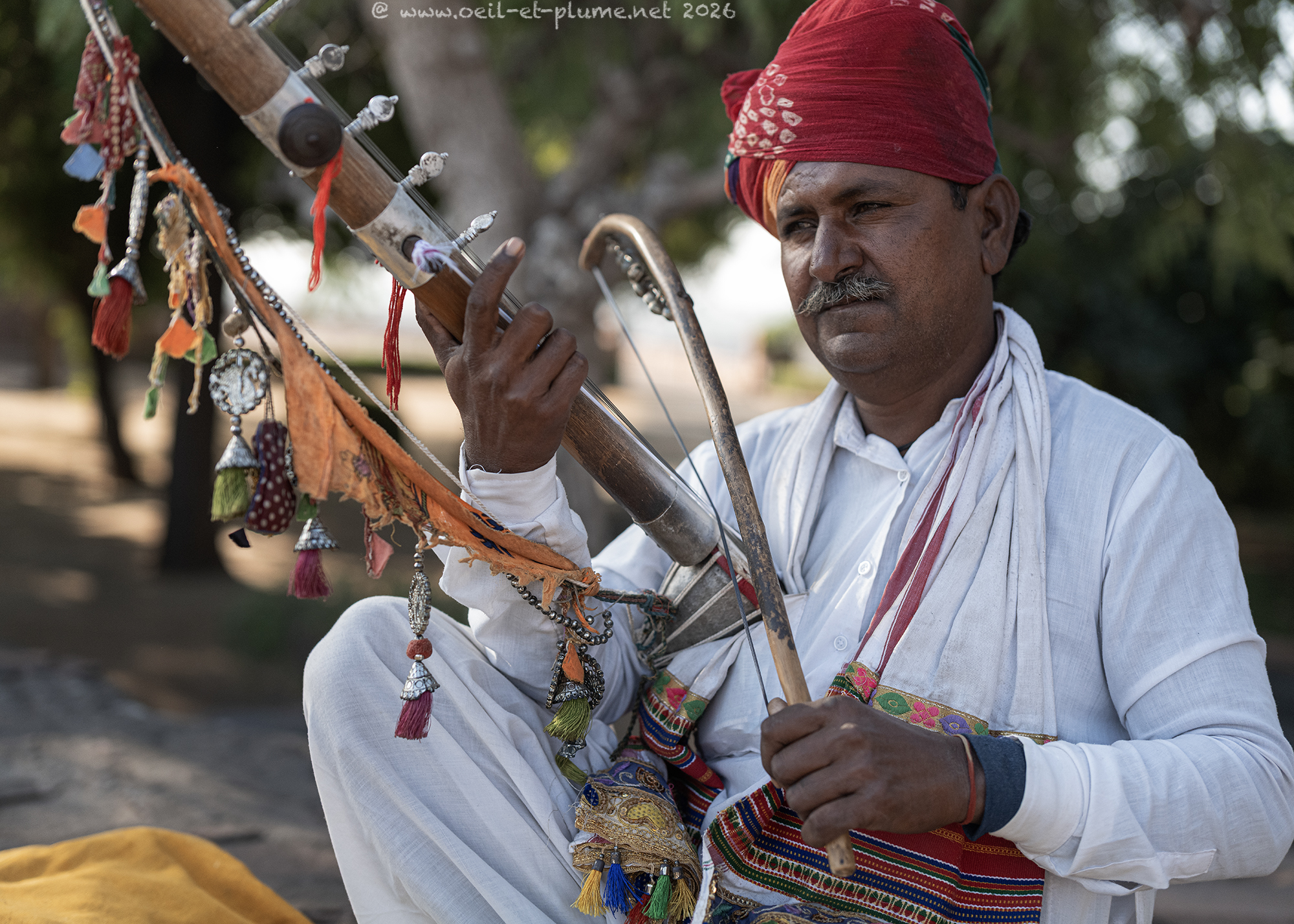
The streets of Rajasthan offer more than just roars and noise; scattered throughout the open spaces, delicate melodies crafted by musicians drift through the air. Near a public bath, a seasoned ravanahatha player captivates, entertains, and charms the onlookers.
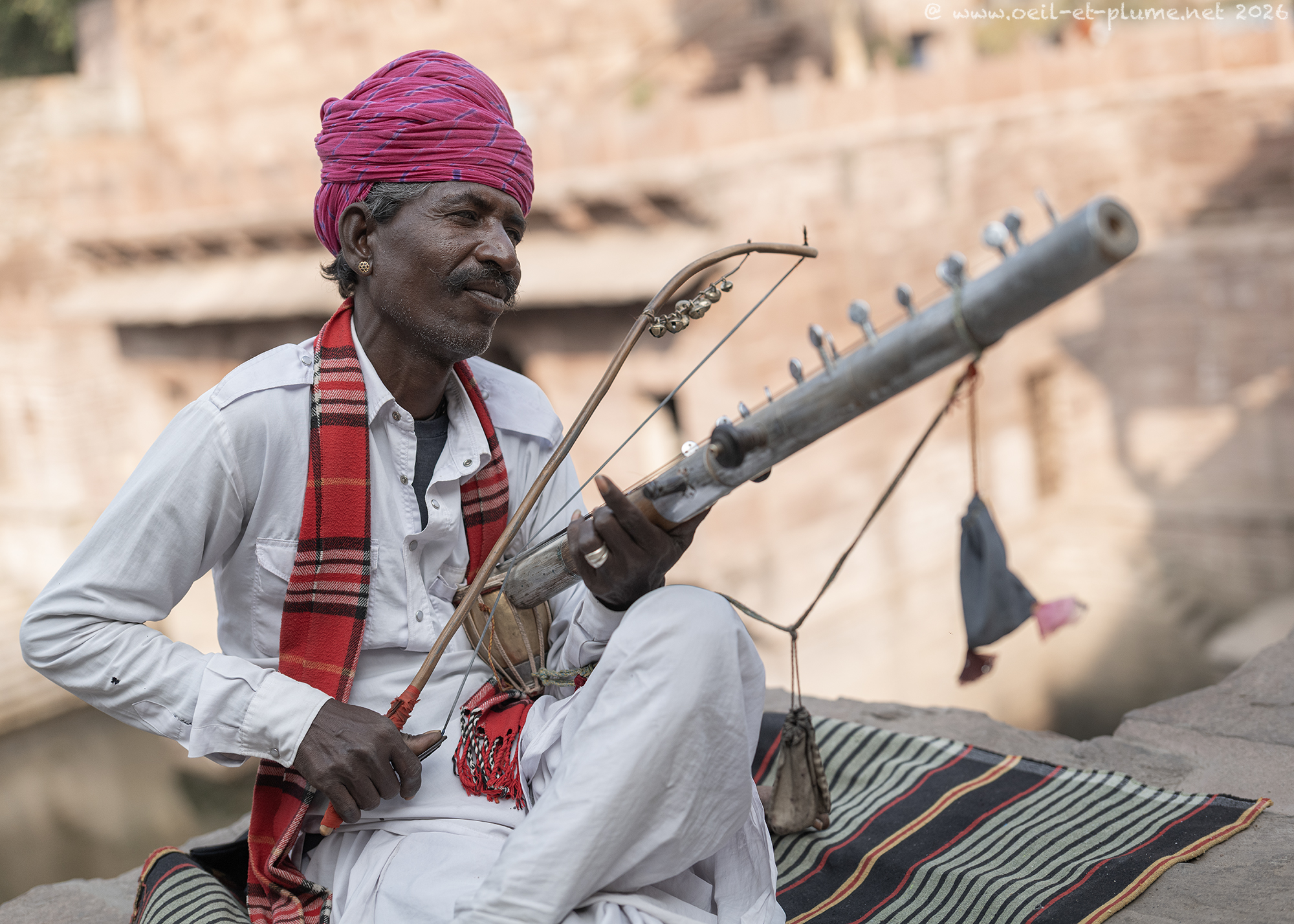
The bowed instrument features a resonator made from a halved coconut shell or gourd and a bamboo neck. It typically carries one to four peg-tuned strings made of gut, hair, or steel, played with a bow traditionally crafted from horsehair. Once favoured by Rajasthani royal families and now a staple of street performance, the ravanahatha is revered as one of the earliest ancestors of the violin family.
In spring, as Rajasthan enters its vibrant wedding season, the streets echo with the sound of brass bands making their way to wedding celebrations. Dressed in colourful uniforms and playing at full volume, these bands are an unmistakable part of the baraat—the exuberant wedding procession that winds through the streets.
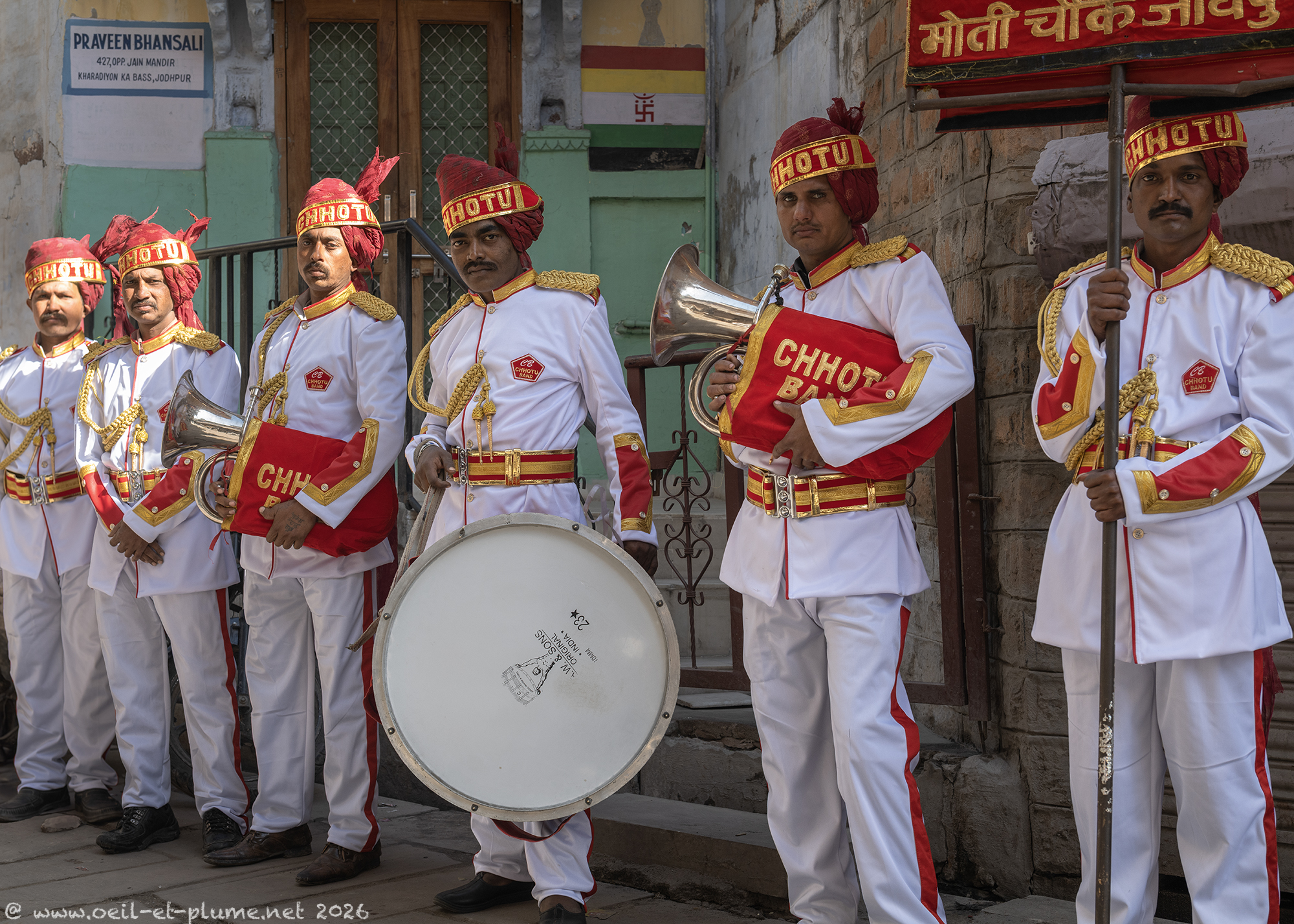
During the colonial period, British military bands introduced brass instruments and the marching-band tradition to the region, including a repertoire rooted in Western military music. But Rajasthan’s musicians soon made these instruments their own. They adapted the unfamiliar sounds to a distinctly Rajasthani musical sensibility, adding folk melodies, traditional rhythms, and the energetic, improvisational spirit of local performance.
The result is neither wholly Western nor purely traditional, but a vibrant musical hybrid shaped by Rajasthan itself. Today, these brass bands have become an essential part of the wedding spectacle, turning the street into a moving stage of music, colour, and celebration.
Living art gallery
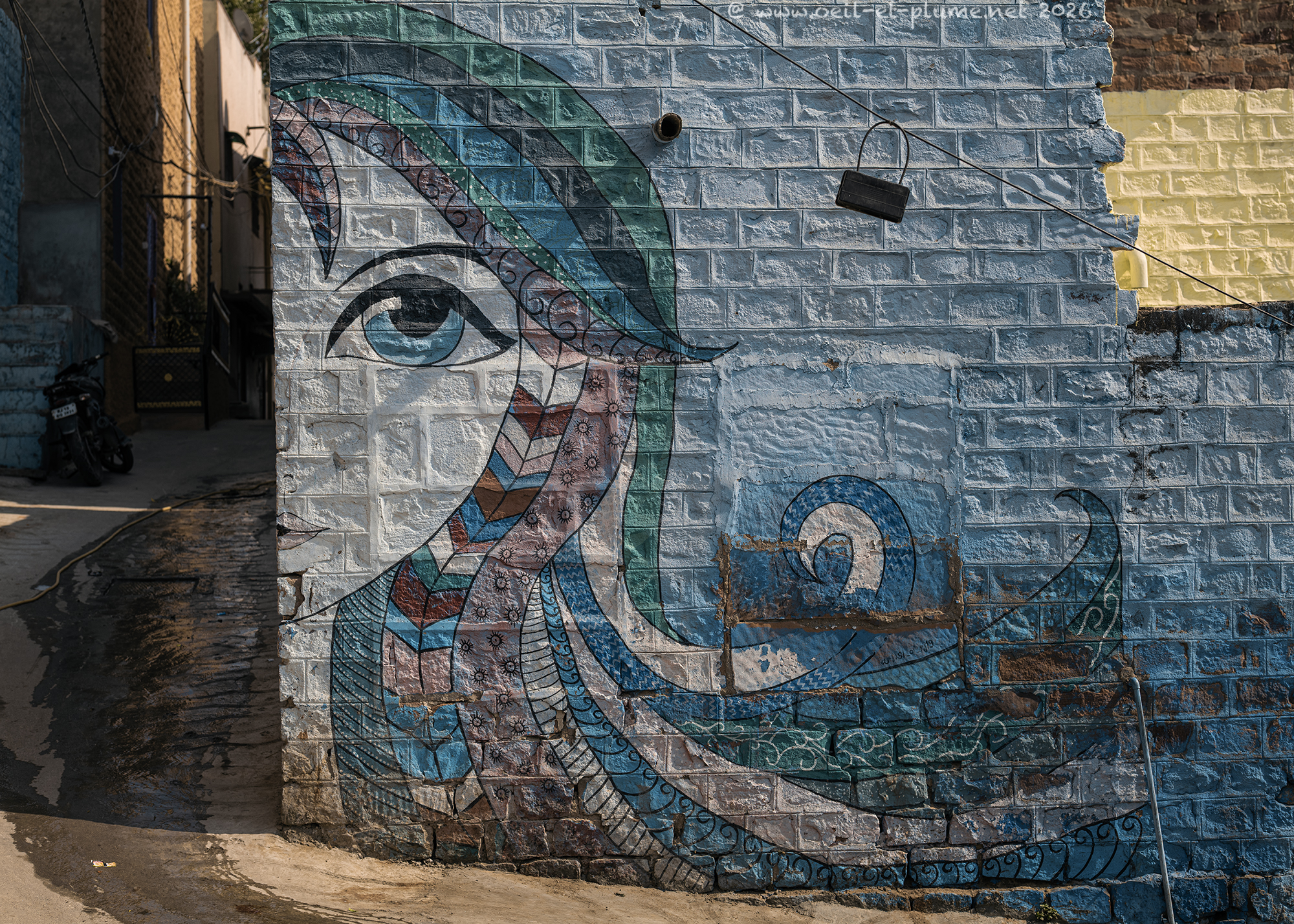
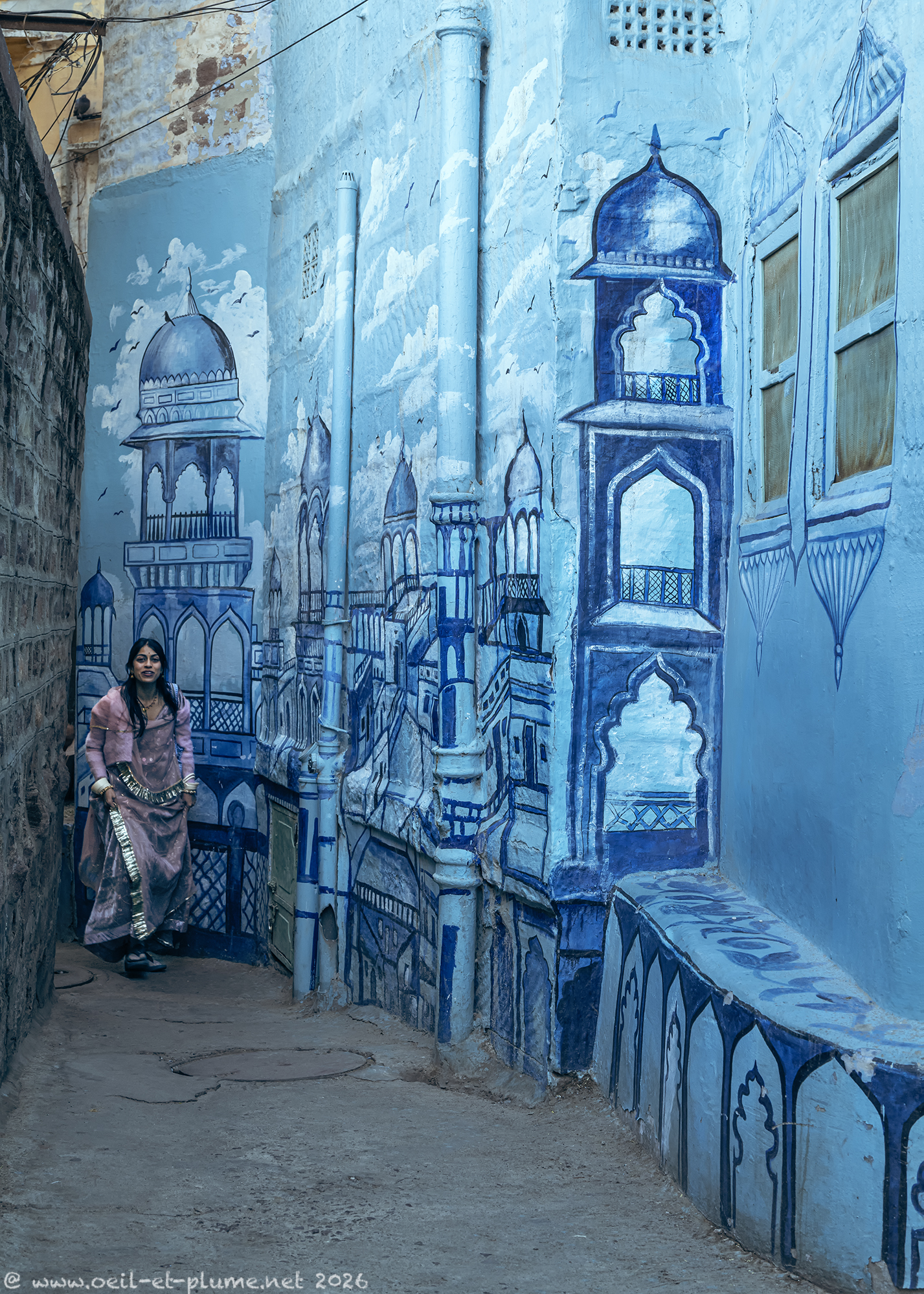
With its kaleidoscope of colours, people, and traditions, Rajasthan feels like an open-air art gallery and an organic canvas — where each street becomes a canvas, and every wall has a story to tell. Here, art lives, breathes, and unfolds in the streets. Alongside its magnificent architectural and sculptural heritage, Rajasthan nurtures a rich and enduring tradition of visual art, above all painting.
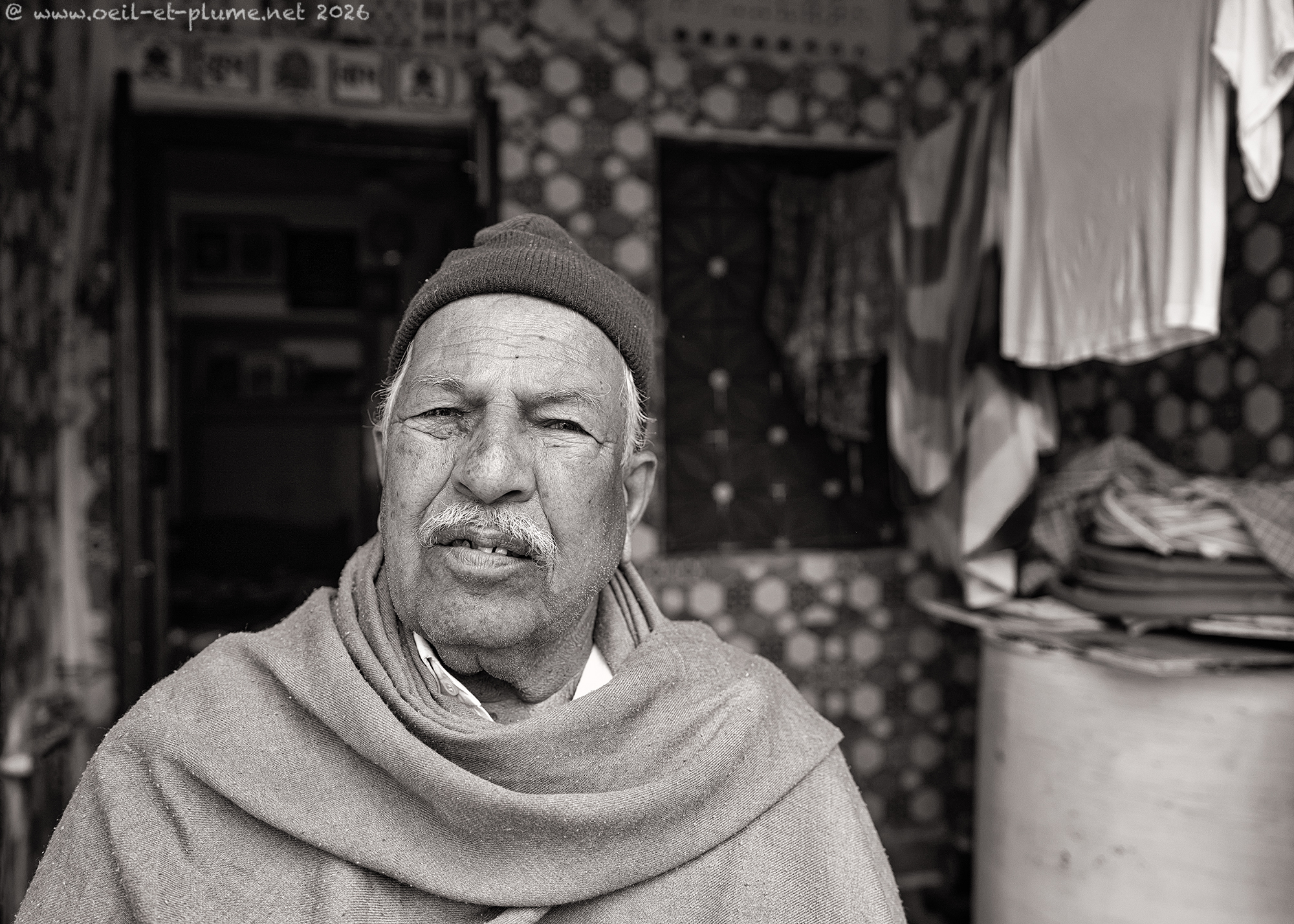
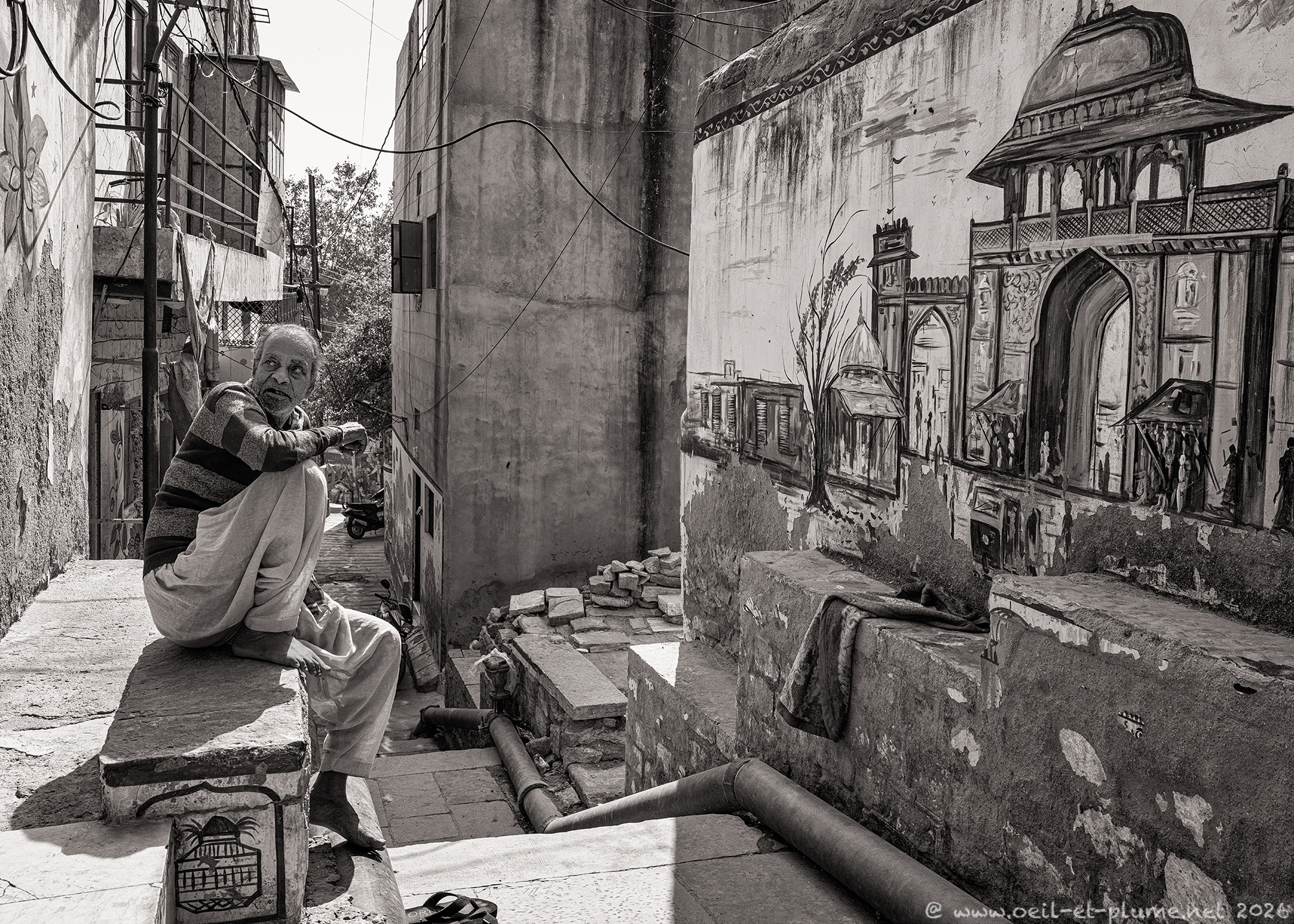
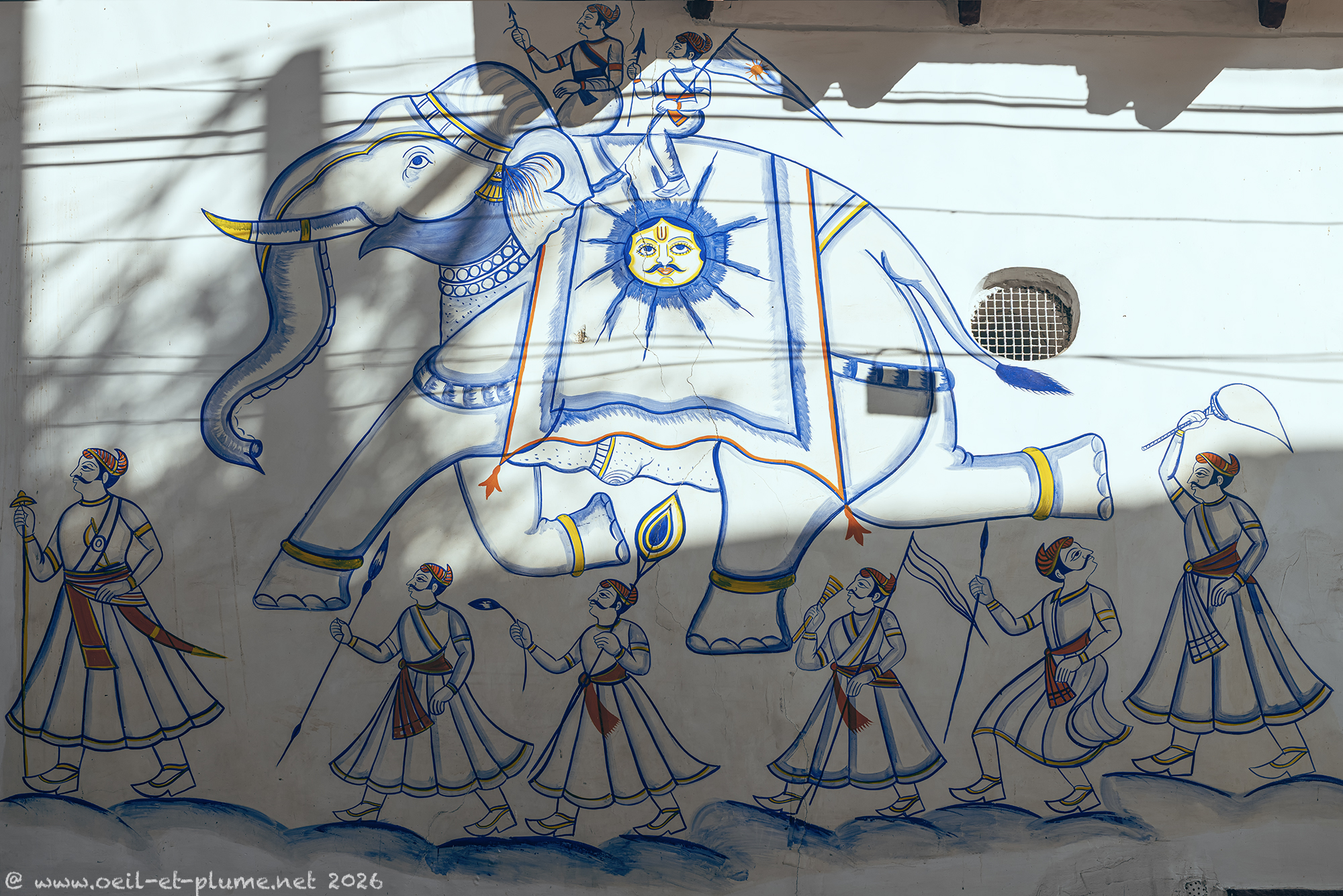
Rajasthani street art pays tribute to the strong miniature painting tradition that flourished in the early modern period. Combining indigenous culture and Persian, Mughal, Chinese and European influences, various court painting schools developed their own distinctive styles, collectively known as Rajput painting.
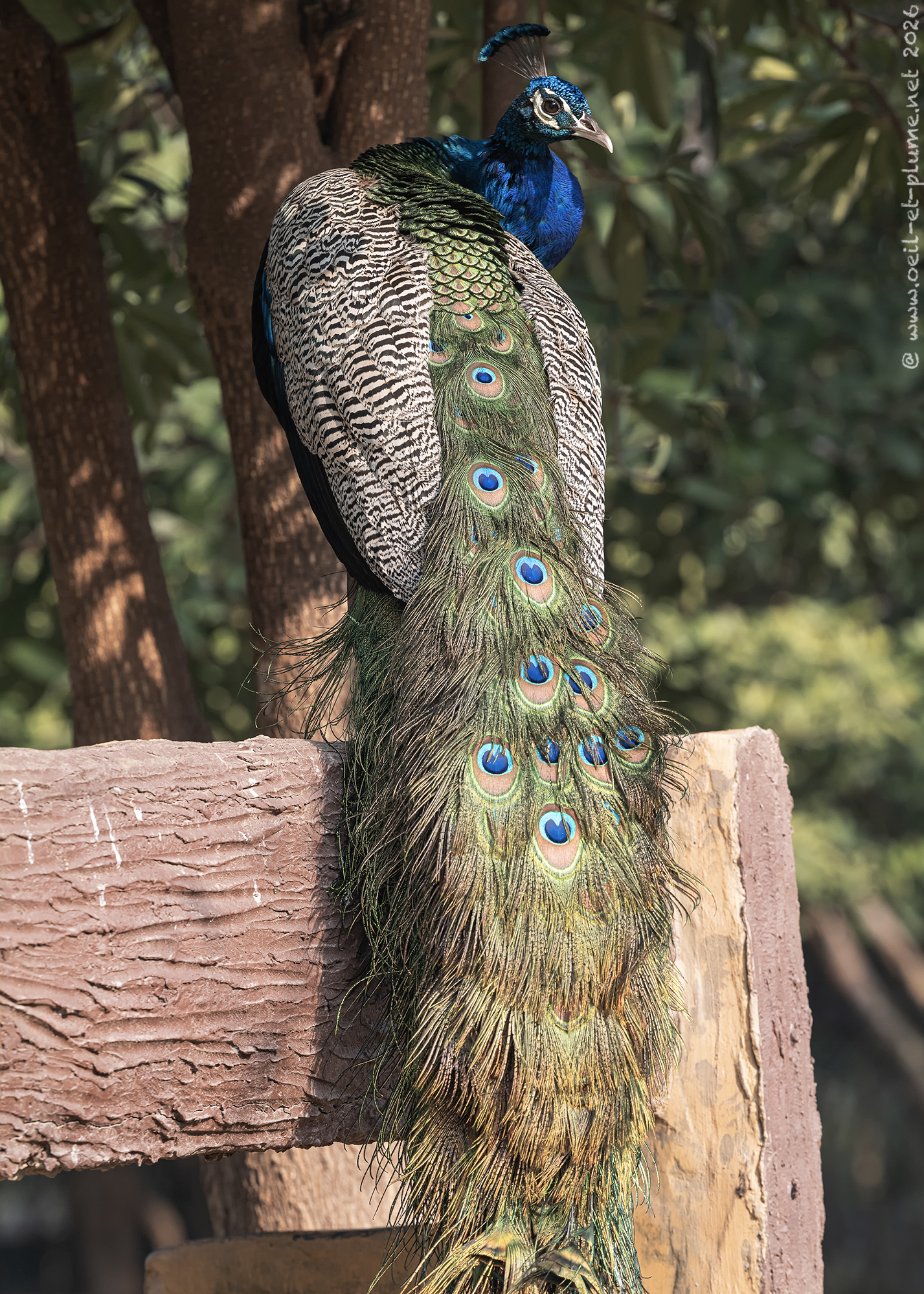
I was mesmerised watching the miniature painters at work. With astonishing mental concentration, patience and a steady hand, the artists created bit by bit their tiny worlds. From their paintbrushes emerged entire universes in miniature — detailed, intricate, vivid and alive. I felt less like watching a painting being made, than witnessing a small universe quietly come into existence.
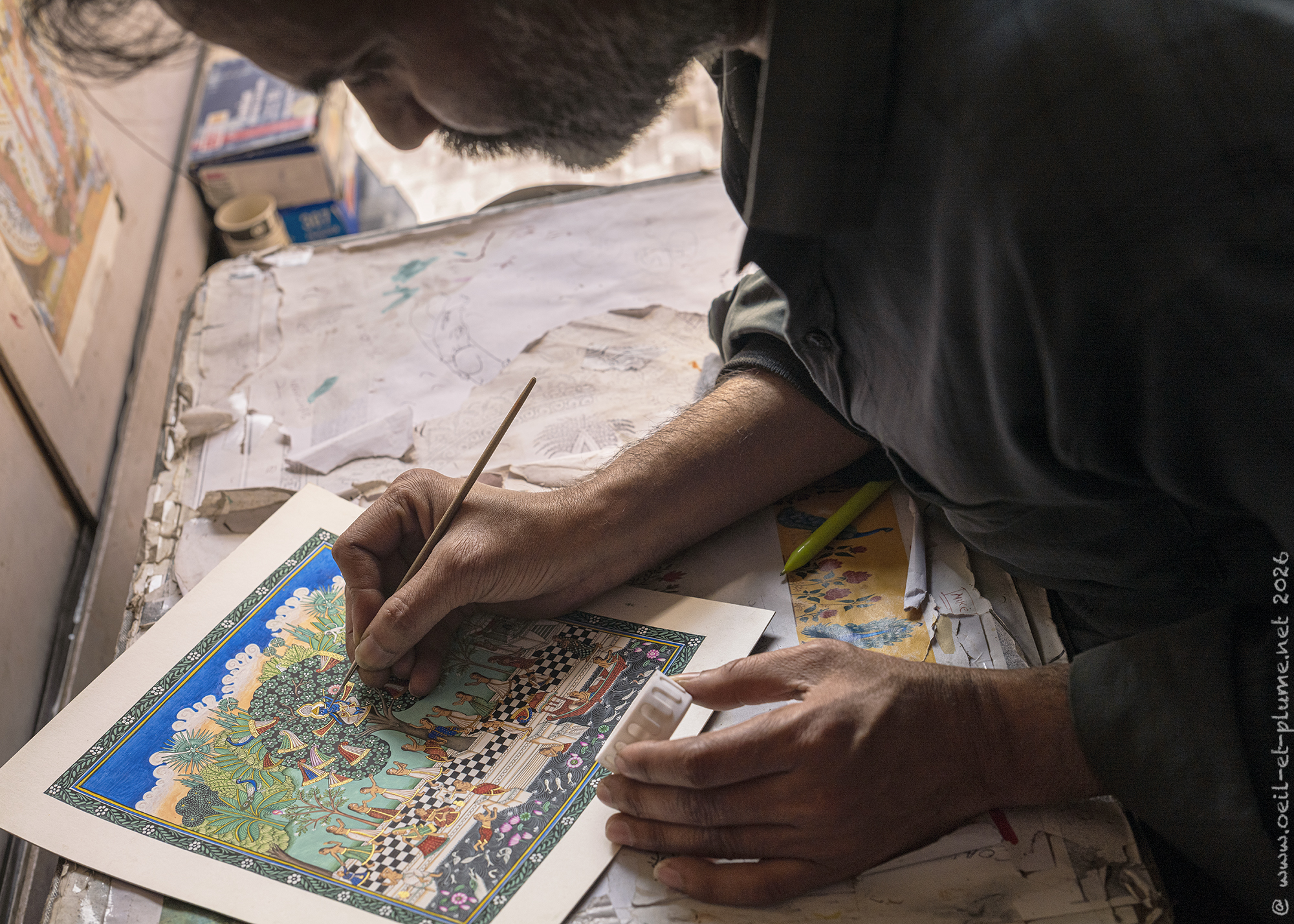
Rajasthani street art is a beautiful dialogue between past and present. Before contemporary spray cans and community street murals, Rajasthan boasted a rich history of public, wall-based art.
Centuries-old fresco traditions, once nurtured and sponsored by royal courts, now meet contemporary public art initiatives on the walls and streets of the cities. Unlike Western street art, which historically grew from countercultural movements, Rajasthan’s street art is often rooted in something gentler: storytelling, civic awareness, religious illustration, cultural identity, and heritage preservation.
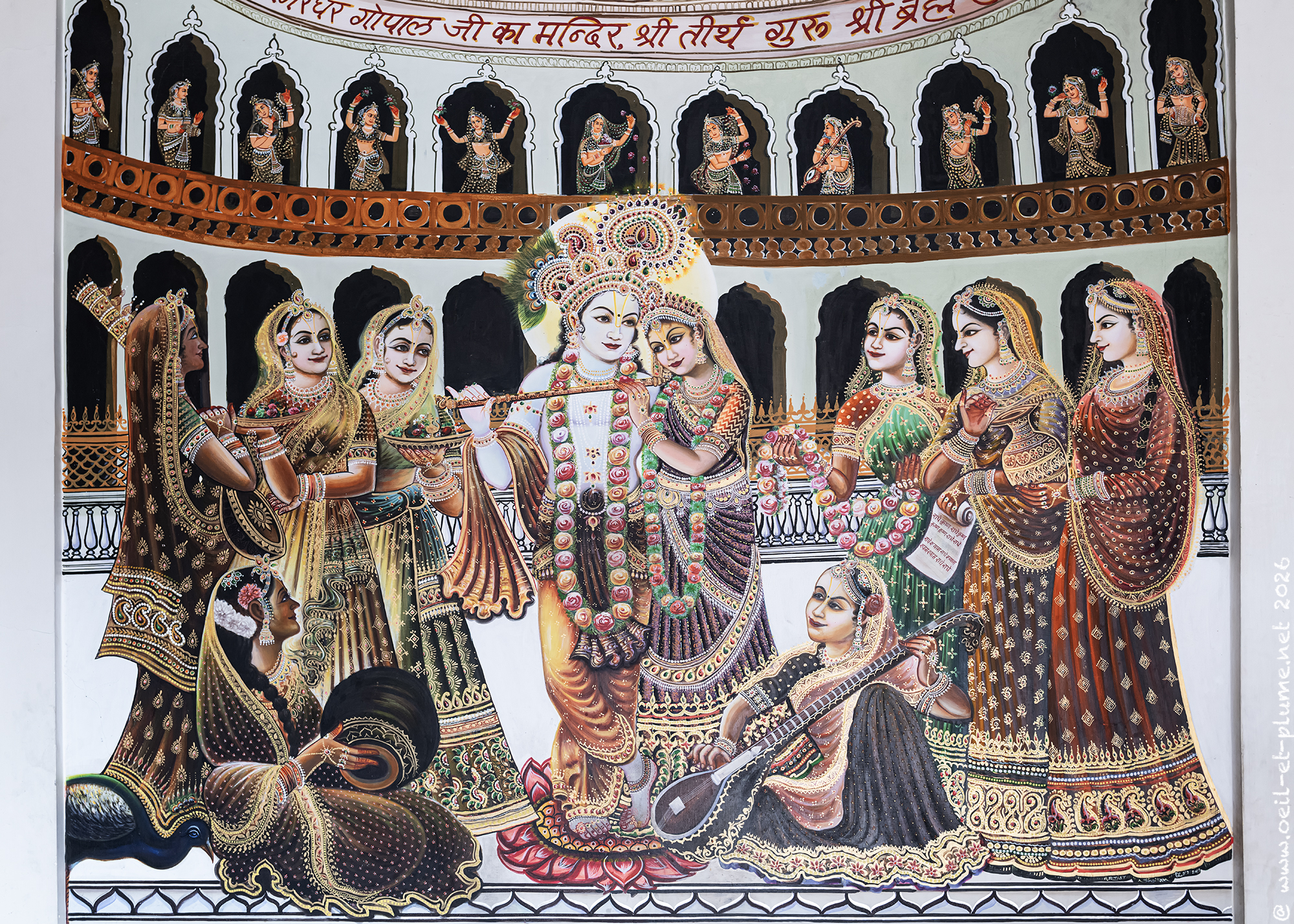
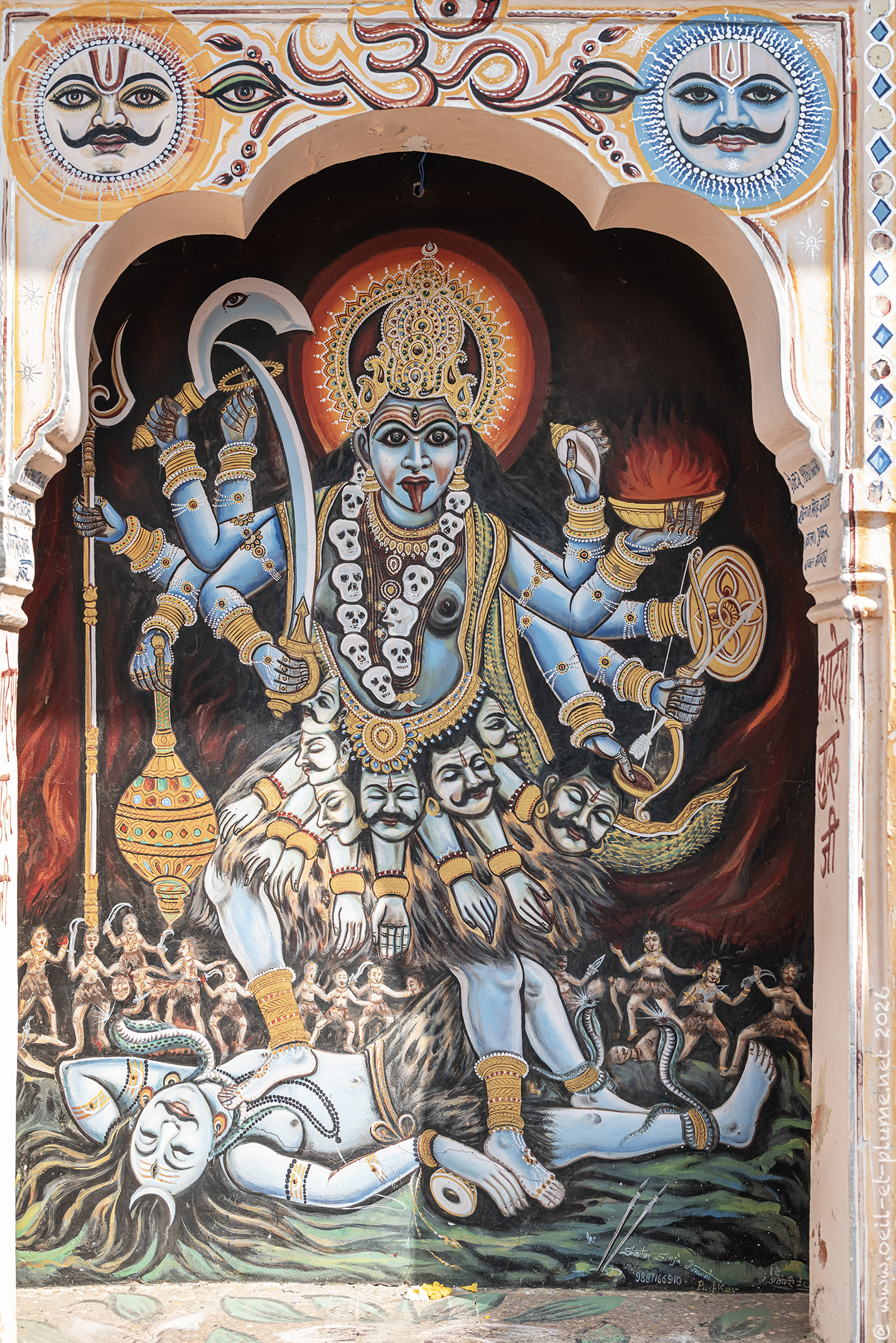
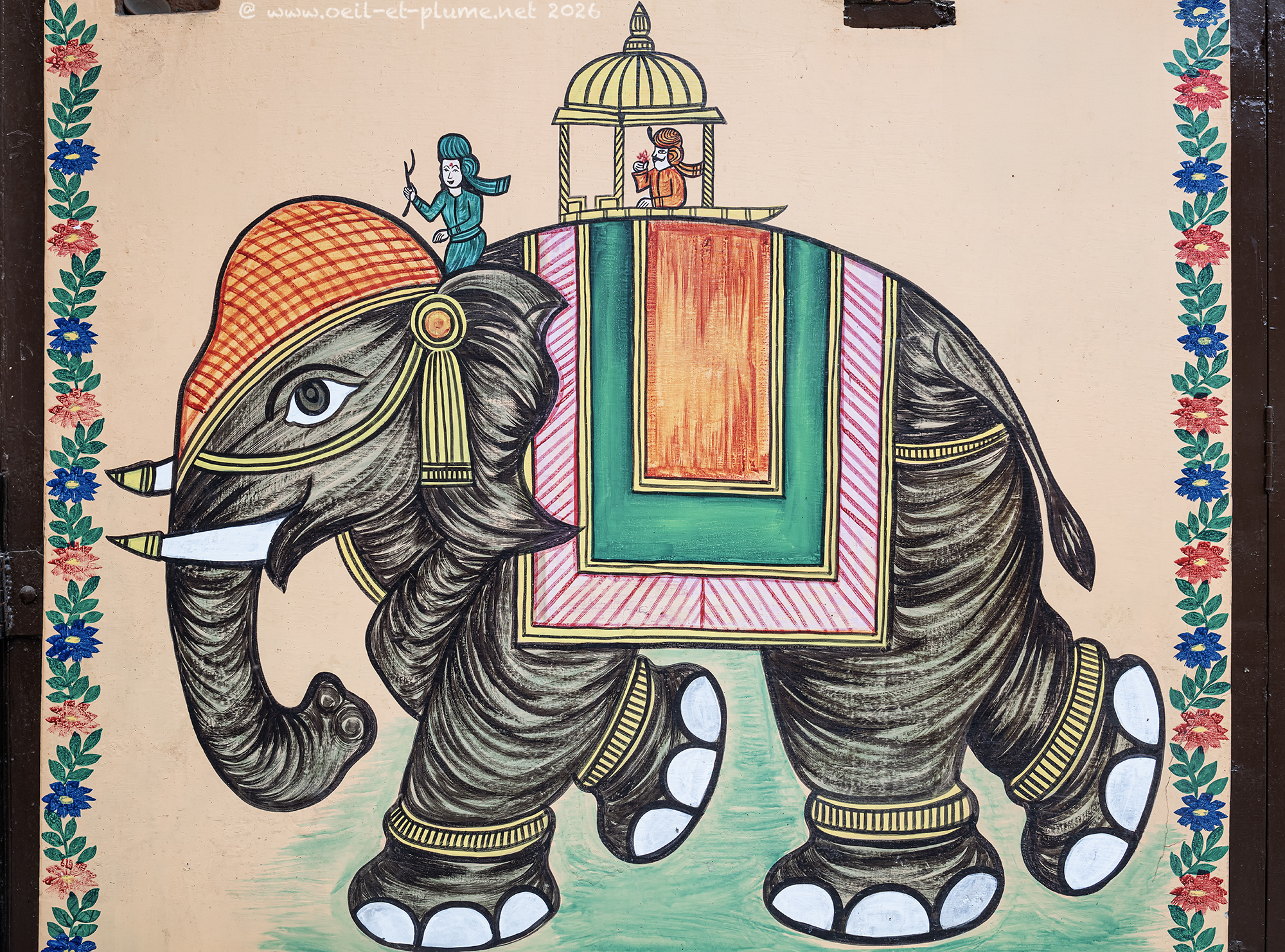
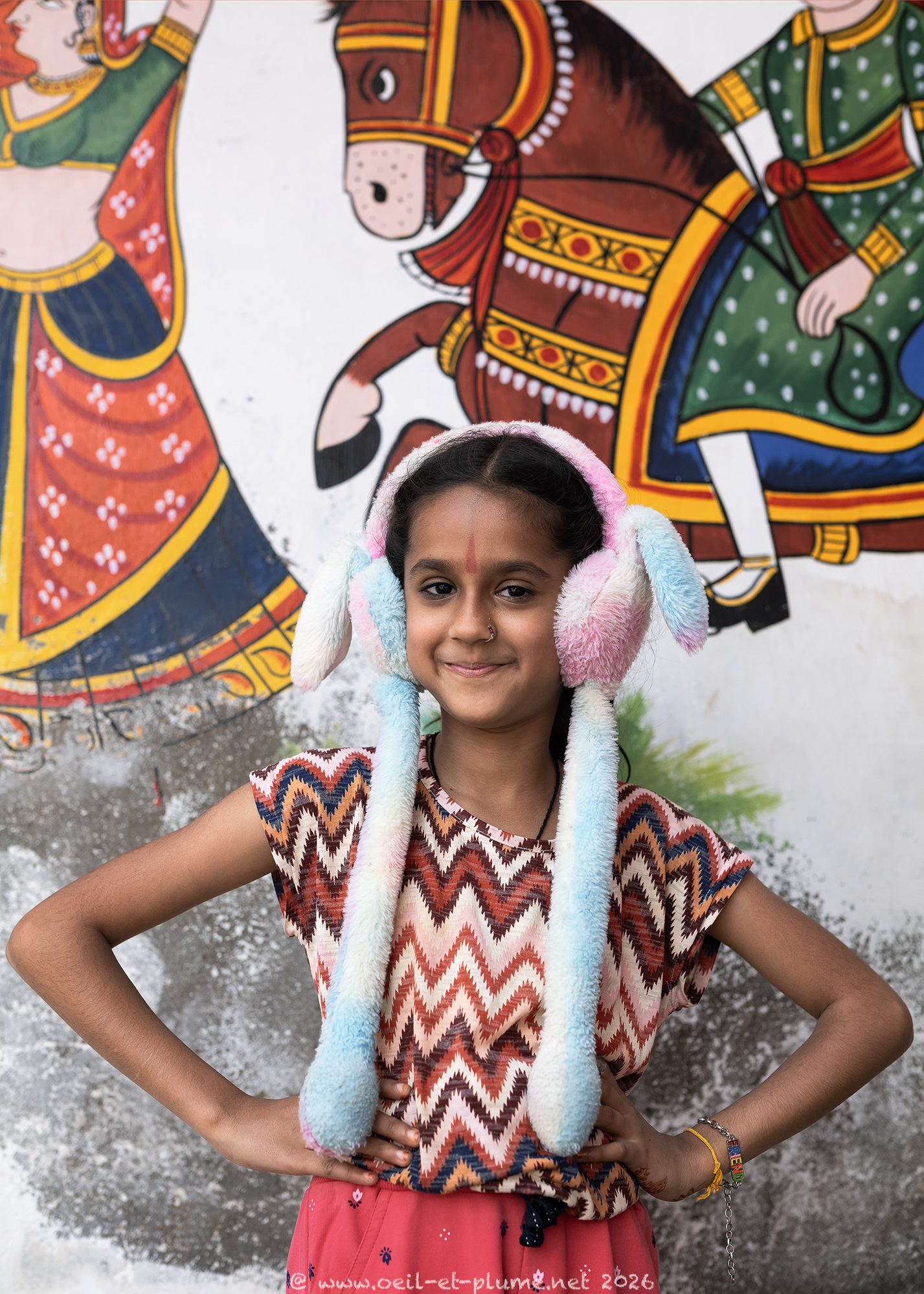
Even the people of Rajasthan can seem like living works of art, wrapped in colour, warmth, and stories of their own. I will always remember this young girl and her radiant welcome, when she invited me into her family home top roof to watch the kites dancing across the sky in Bundi during the Basant festival. Such unexpected encounter stays with you long after the journey has ended.
Orderly and creative disorder
The streets of Rajasthan may, at first glance, seem chaotic. Beneath their apparent disorder, they unfold as a vivid and fascinating symphony of life, craft, and culture, where artists of every kind contribute their own notes to a constantly evolving masterpiece.
The streets are, all at once, a workshop and a racetrack, a playground and an open-air theatre, a musical stage and an ever-changing art gallery. Here, craftspeople create, children play, musicians perform, animals wander, and everyday life becomes part of the spectacle.
Nothing is merely passing through these streets; everything seems to belong to the composition. This is where Rajasthan’s heart beats most vividly—unrestrained, colourful, wonderfully alive—and where its irresistible charm reveals itself in the most unexpected ways.
Cheers,