
Continues from here.
Stone and wood
Since time immemorial, the wild Baltschieder and Gredetsch Valleys have welcomed humans as guests rather than inhabitants. Local people used to live there for limited periods, mostly in summer, for pasture or timber work. They built modest stone-and-wood shelters, using local materials and providing only the most basic amenities.
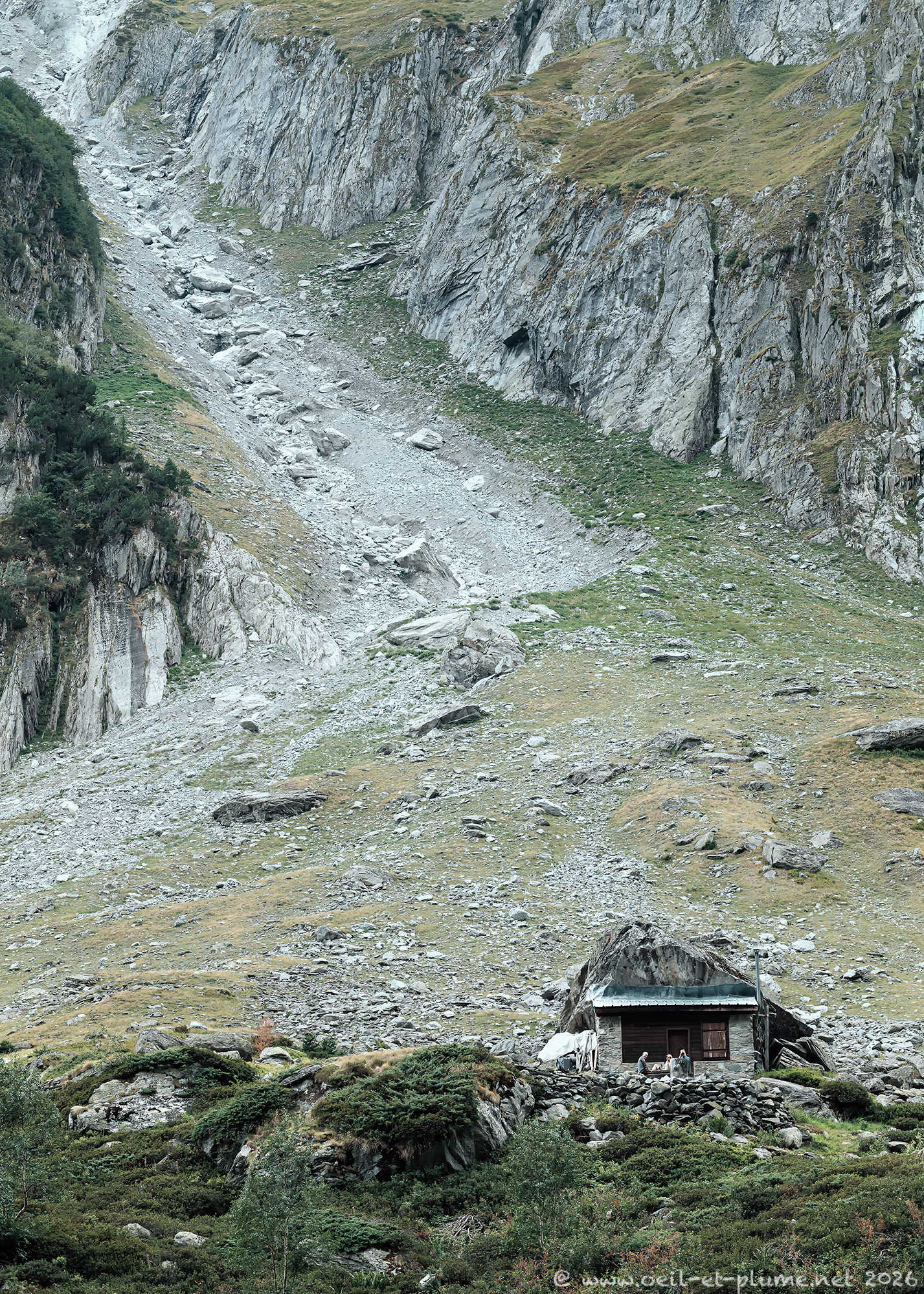
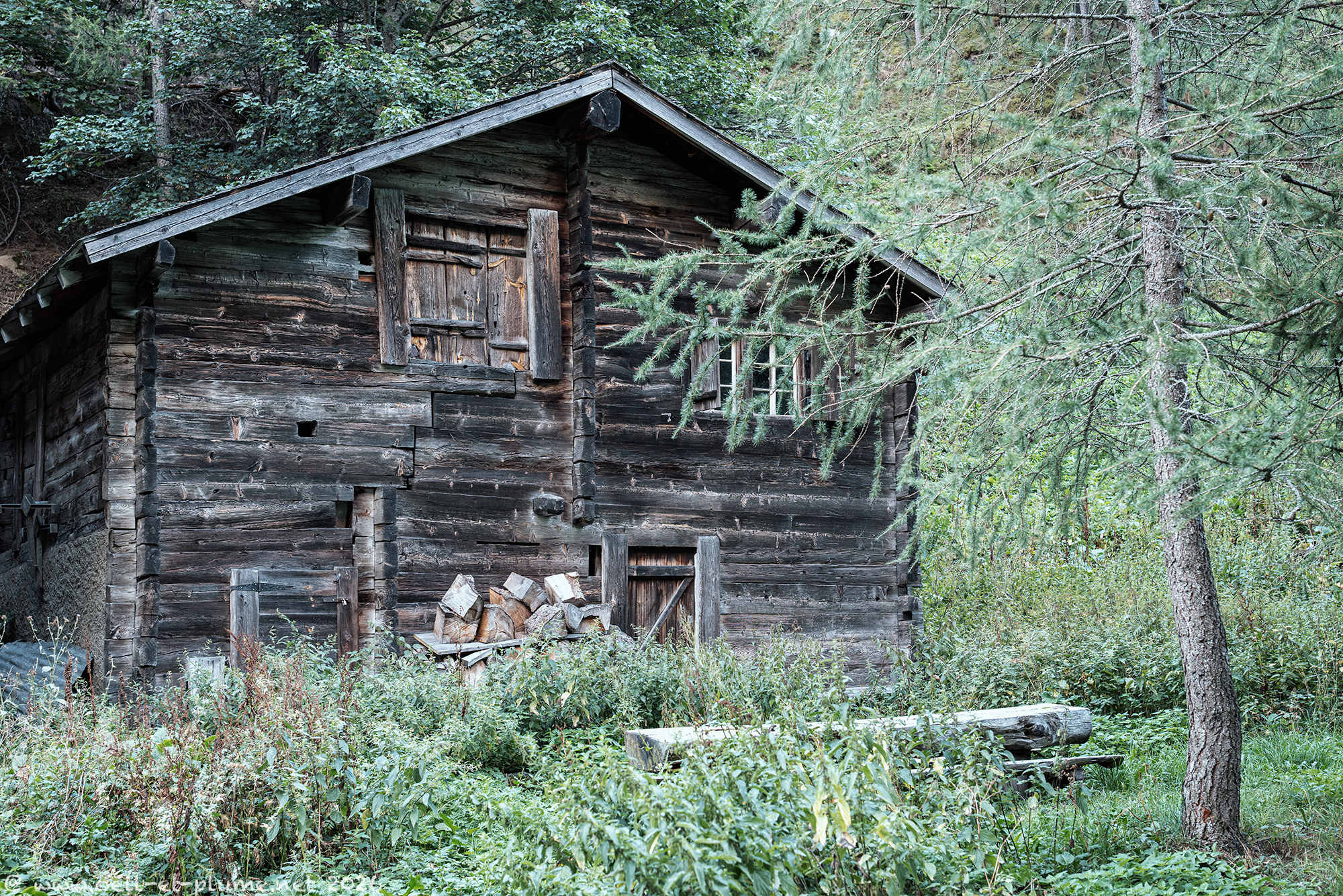
Over the centuries, traditional alpine agriculture and pastoral activities have been eroded, gradually replaced by other economic activities. Yet the old housing structures in the Baltschieder and Gredetsch Valleys remain nowadays. During my treks in the lower parts of the two valleys, I did not come across a single ruined old house. These structures were built to last by our forefathers and are still well maintained by their descendants.
A few traditional structures are still useful to pastoral activities, such as a house in the Gredetsch Valley used by shepherds to look after their blacknose sheep. Most, however, have evolved into secondary homes, used by their owners on weekends or during short holidays. Here and there, some of these century-old structures have even acquired a touch of state-of-the-art technology, such as solar panels, allowing them to better accommodate our contemporary lifestyle.
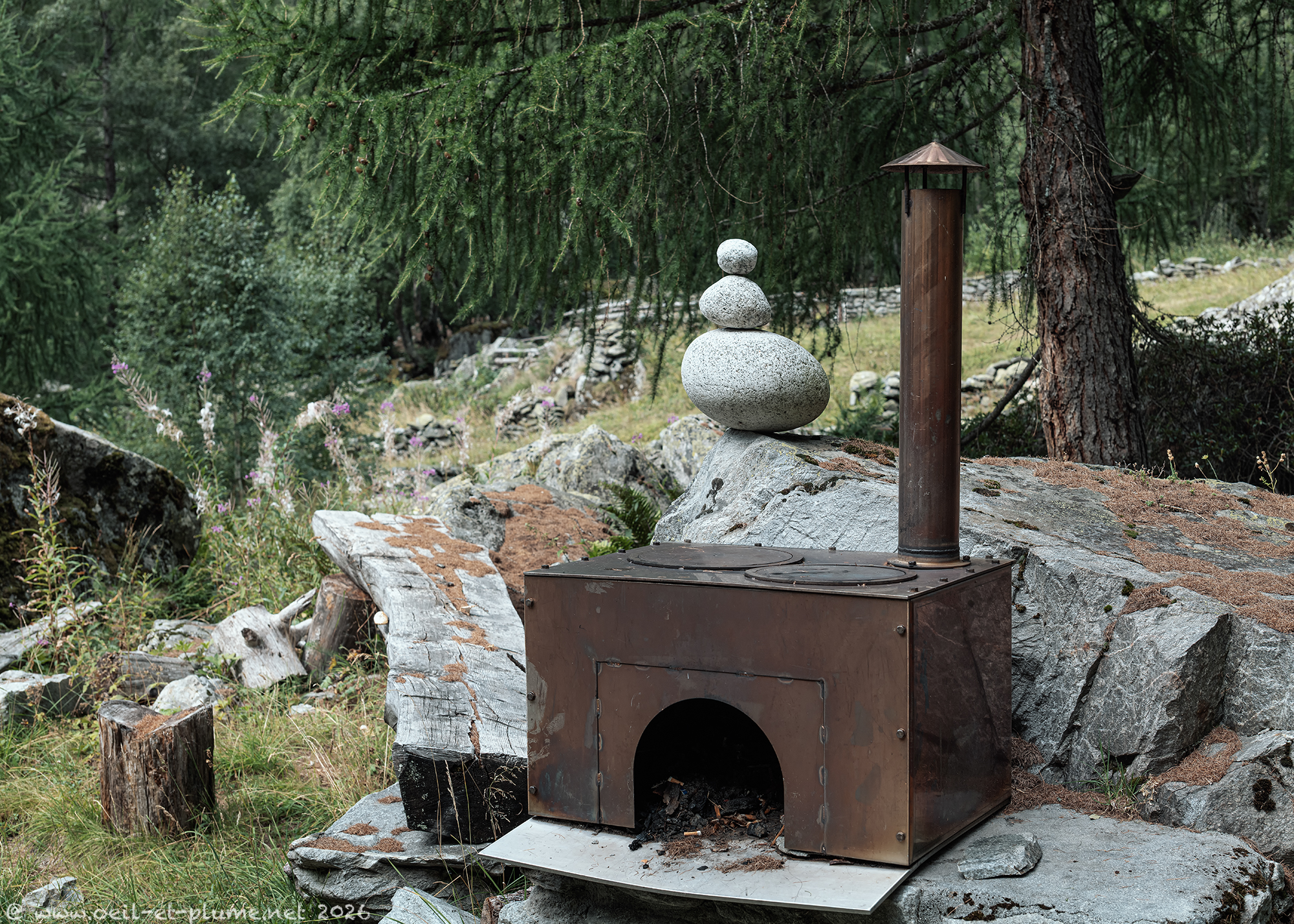
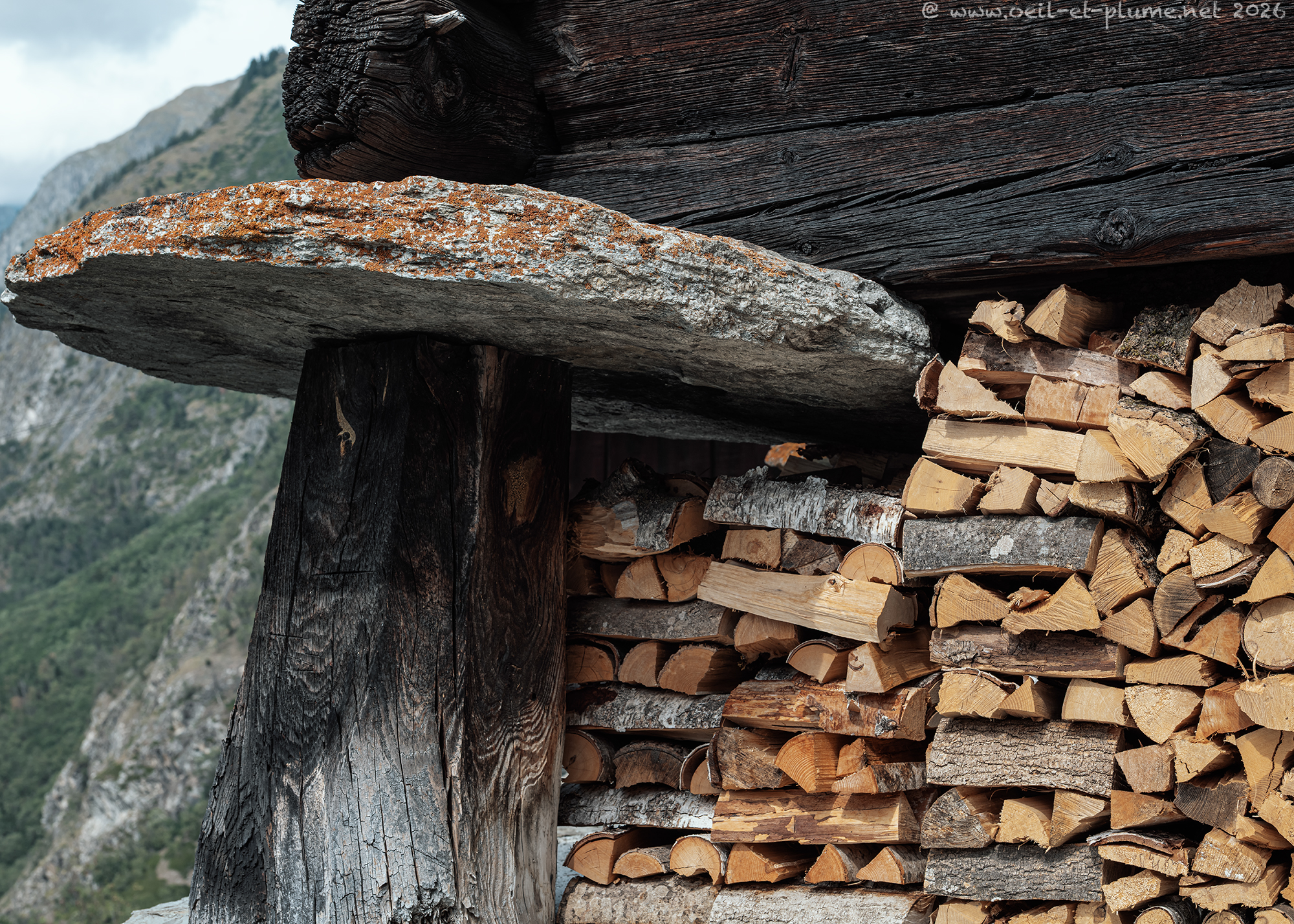
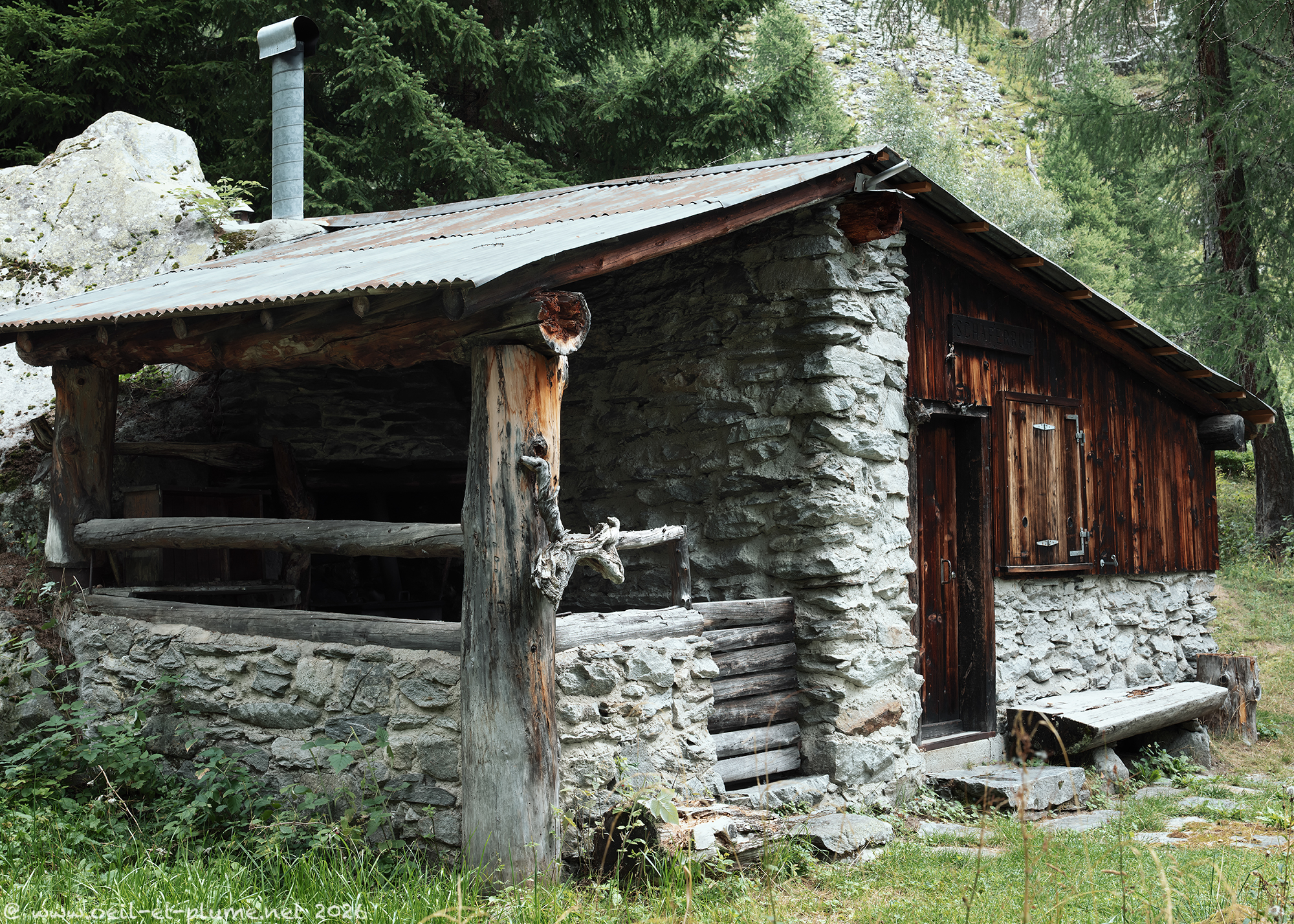
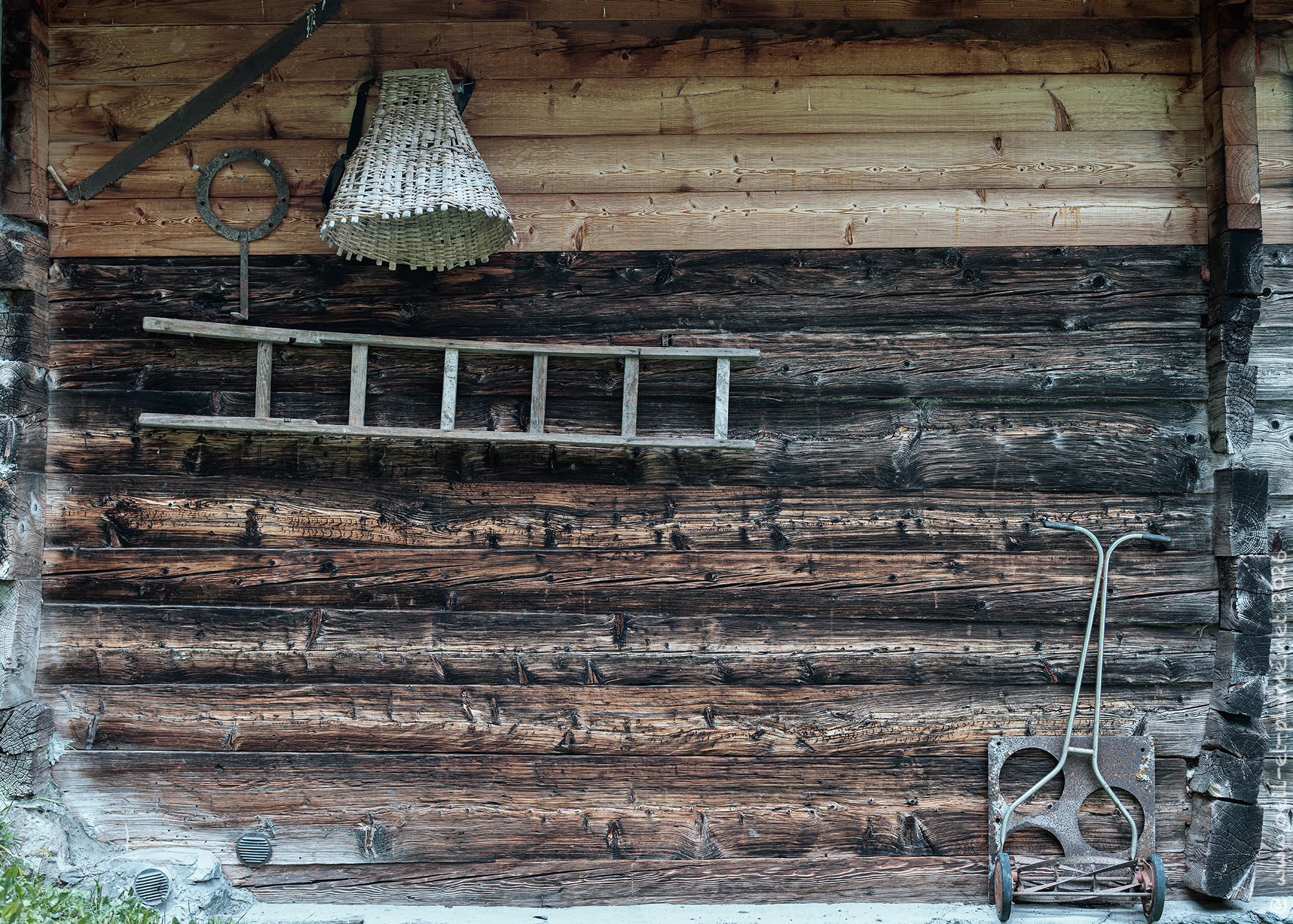
Even if most of those houses were closed during my visits, I could feel the pride and the love of their owners to take care of a structure built by their ancestors. Some of them felt so well there that they stayed there to rest forever.
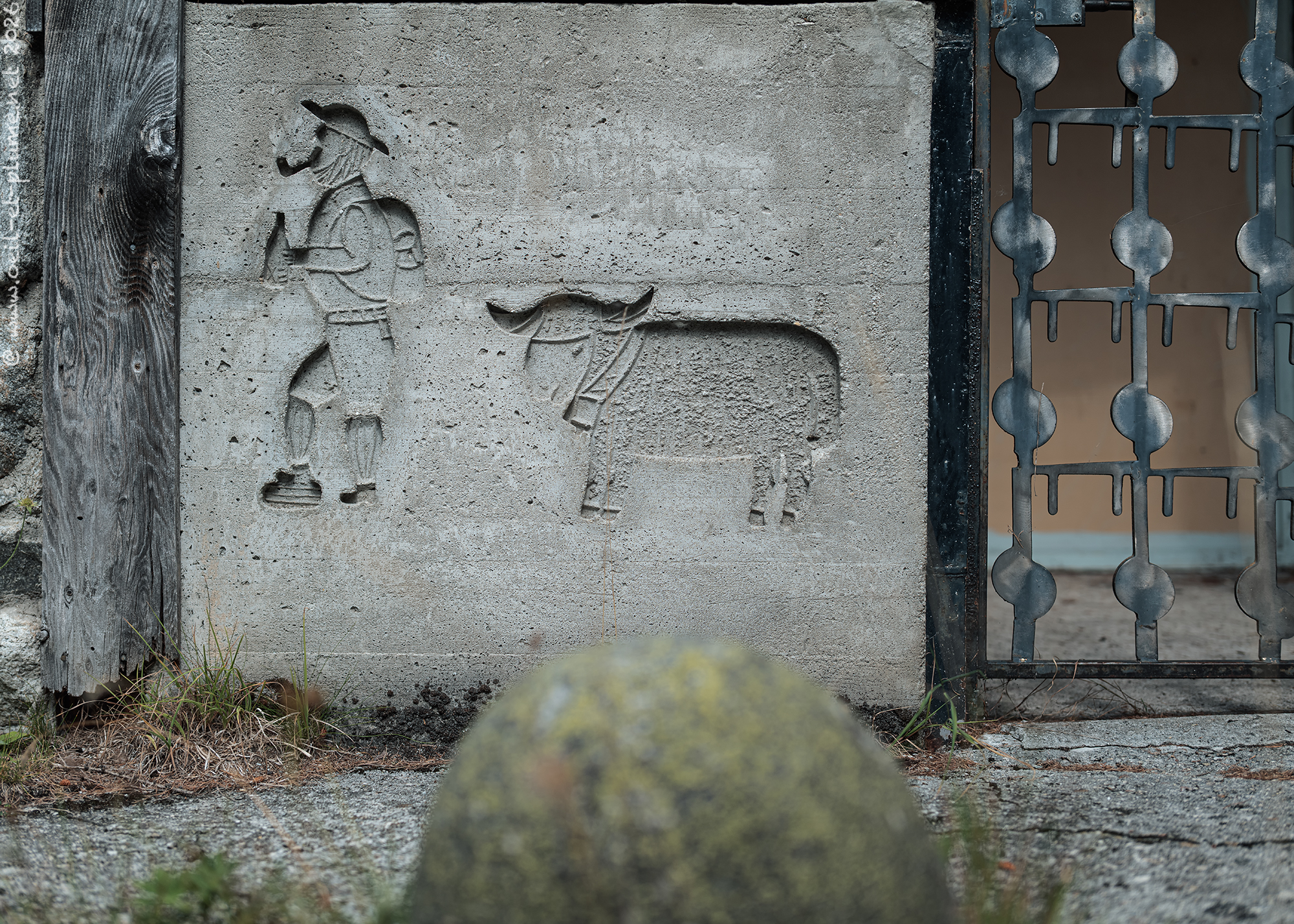
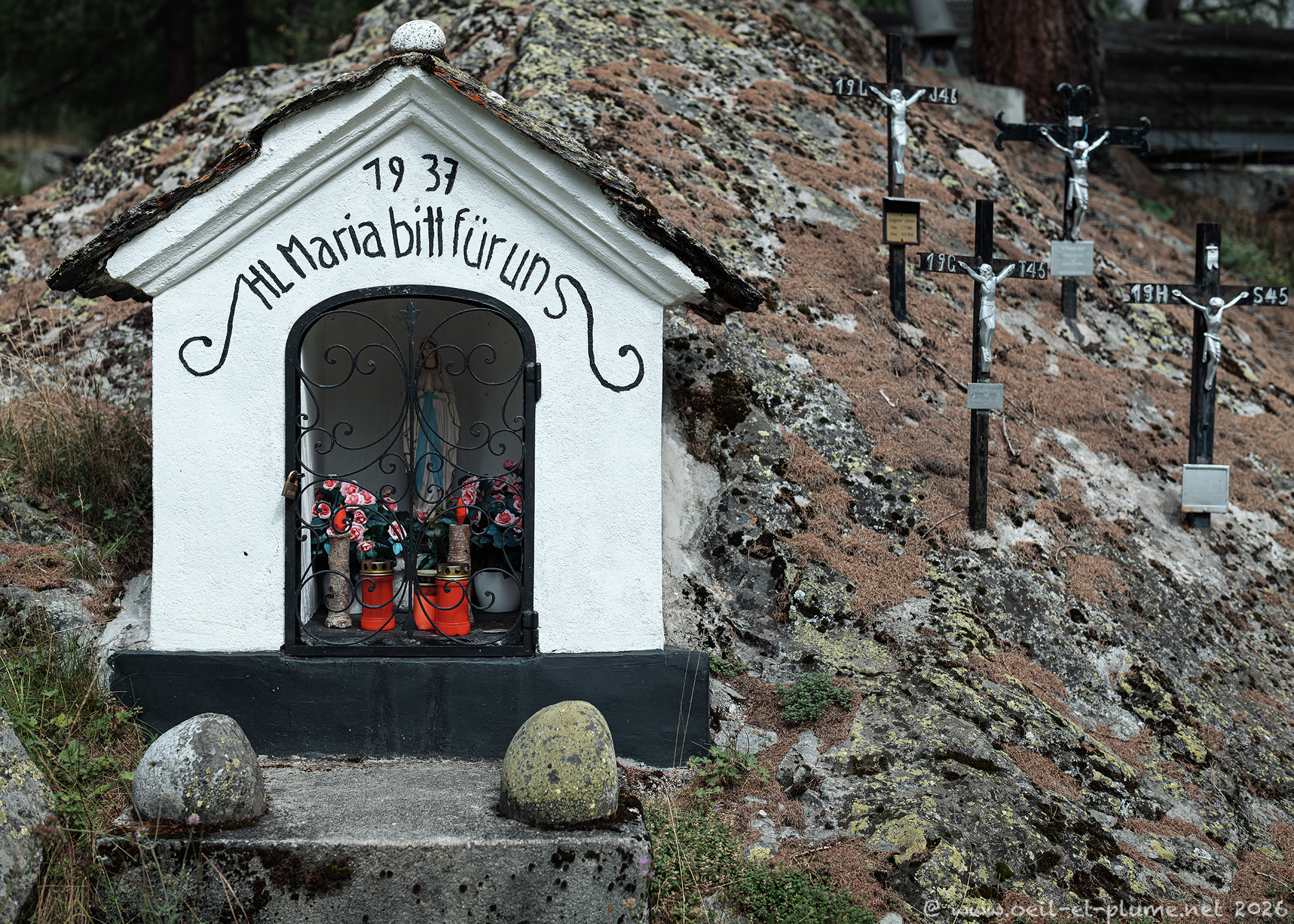
I love these venerable houses for their sturdiness, functionality, austere aesthetics, and strong character. I love the old stones and pieces of wood that have so much to tell us if we take the time to listen to them.
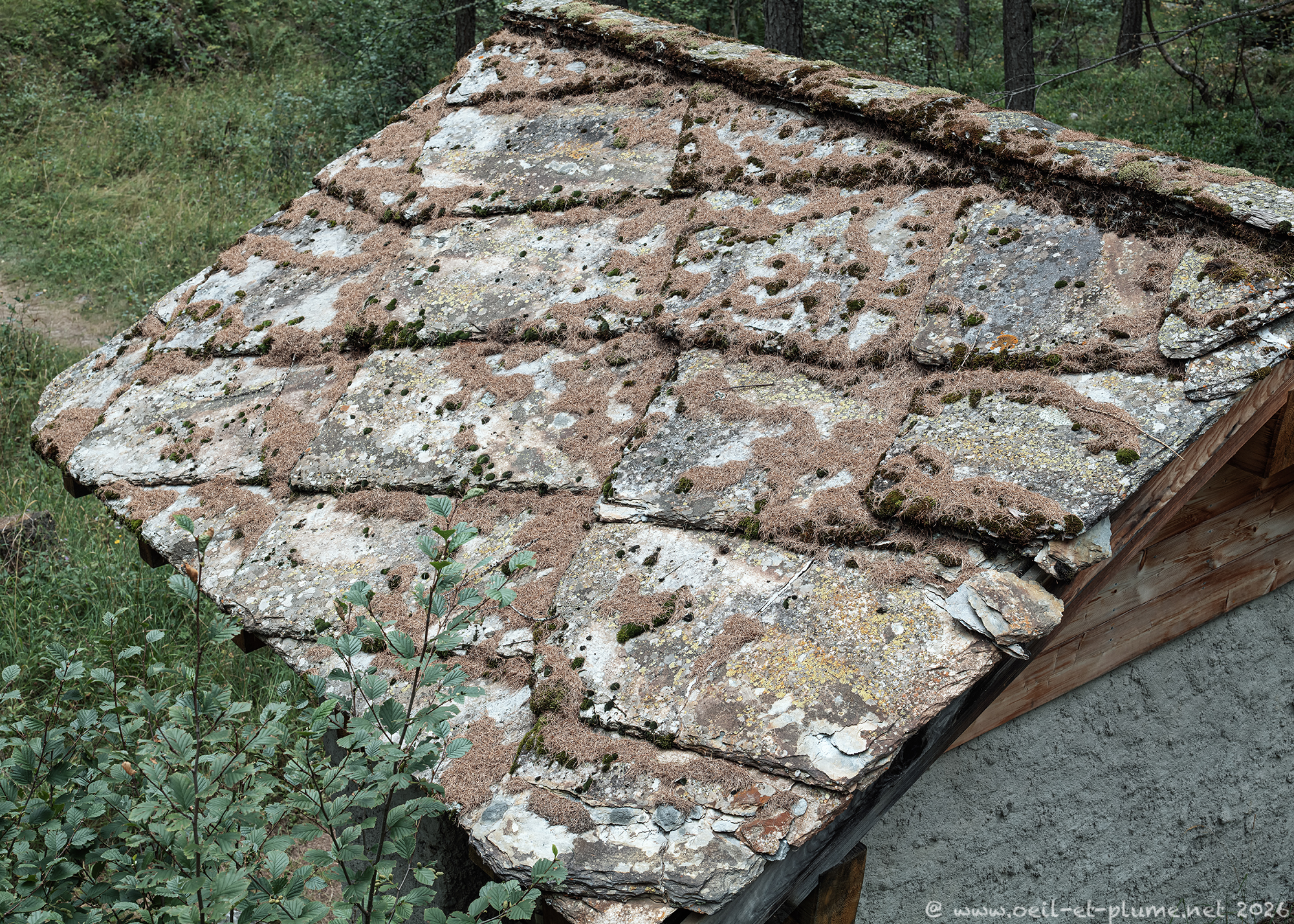
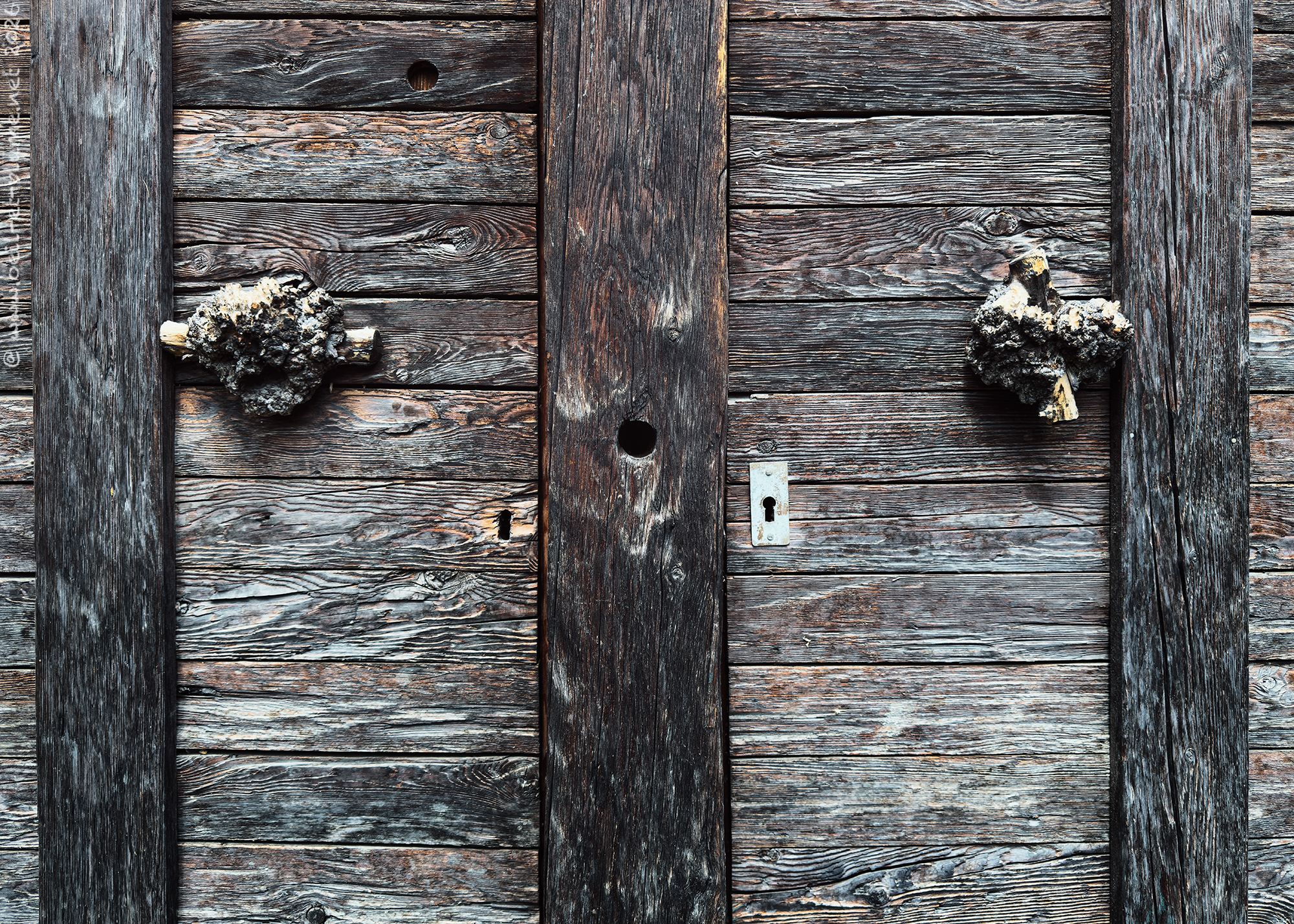
I spent only a limited amount of time with these venerable houses during my treks. Could I live there for a week, or even a month? I don’t know, but I would love to give it a try.
Water
Water was – and still is – the main natural resource provided by the Baltschieder and Gredetsch Valleys to the local population living on the nearby slopes of the Rhône Valley. The streams and rivers of these wild side valleys feed the Rhône River.
In addition, centuries ago, people created a dense network of open-air irrigation channels (bisses in French, suonen in the local German dialect) to collect water from various points in the Baltschieder and Gredetsch Valleys and distribute it to farming fields and scattered hamlets located in the heights of the Rhône Valley.
Many of these historic canals are disused nowadays, having been replaced by modern tunnel galleries through the mountains. In the Baltschieder Valley, three suonen are still in service. Of the eight suonen historically built in the Gredetsch Valley, two are still functional today.
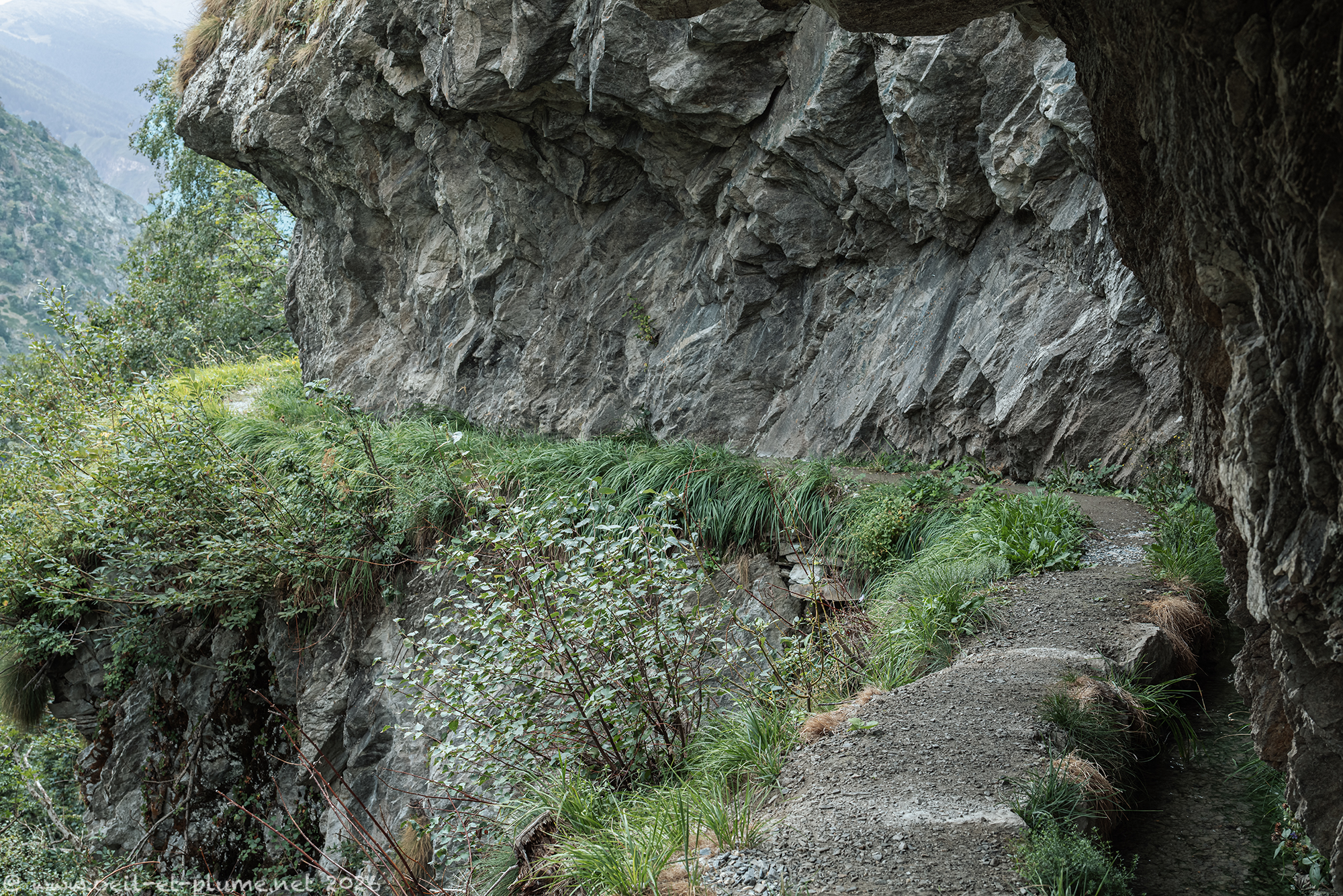
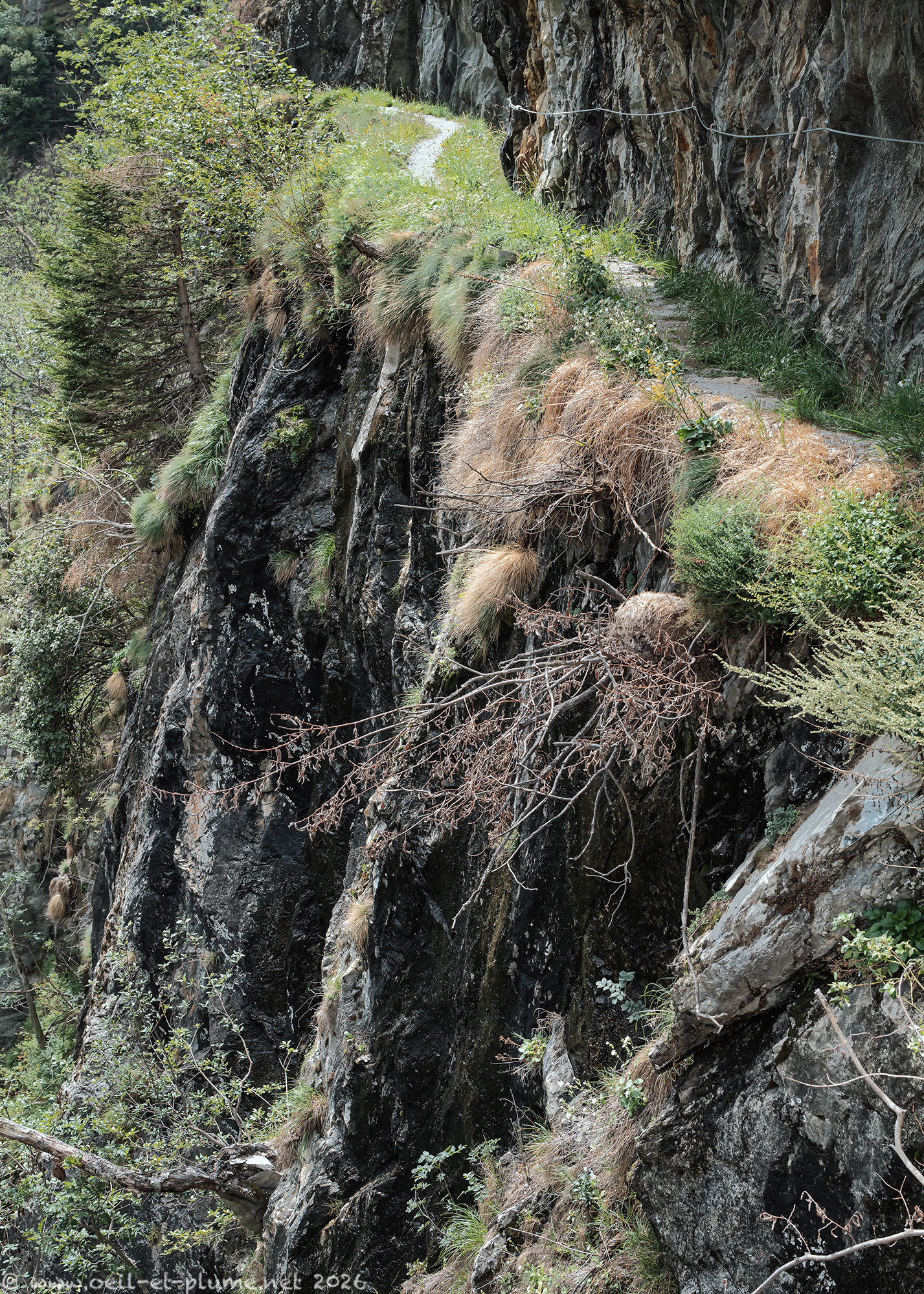
The suonen networks in Baltschieder and Gredetsch cover both sides of the two valleys at different elevations. They consist of both a waterway and a narrow trekking path. The higher the altitude, the more challenging they usually were to build, as the higher canals cross large vertical rock faces.
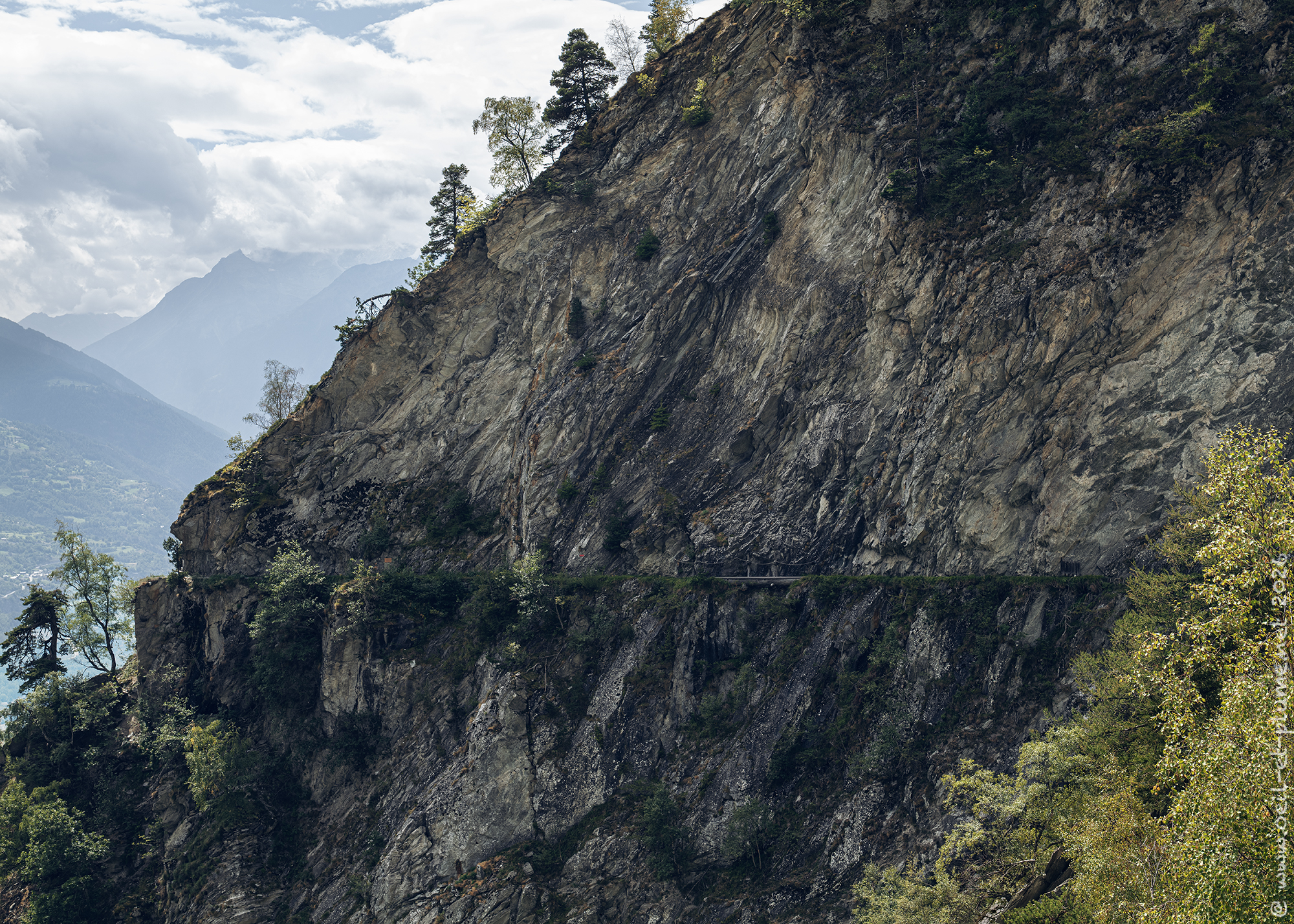
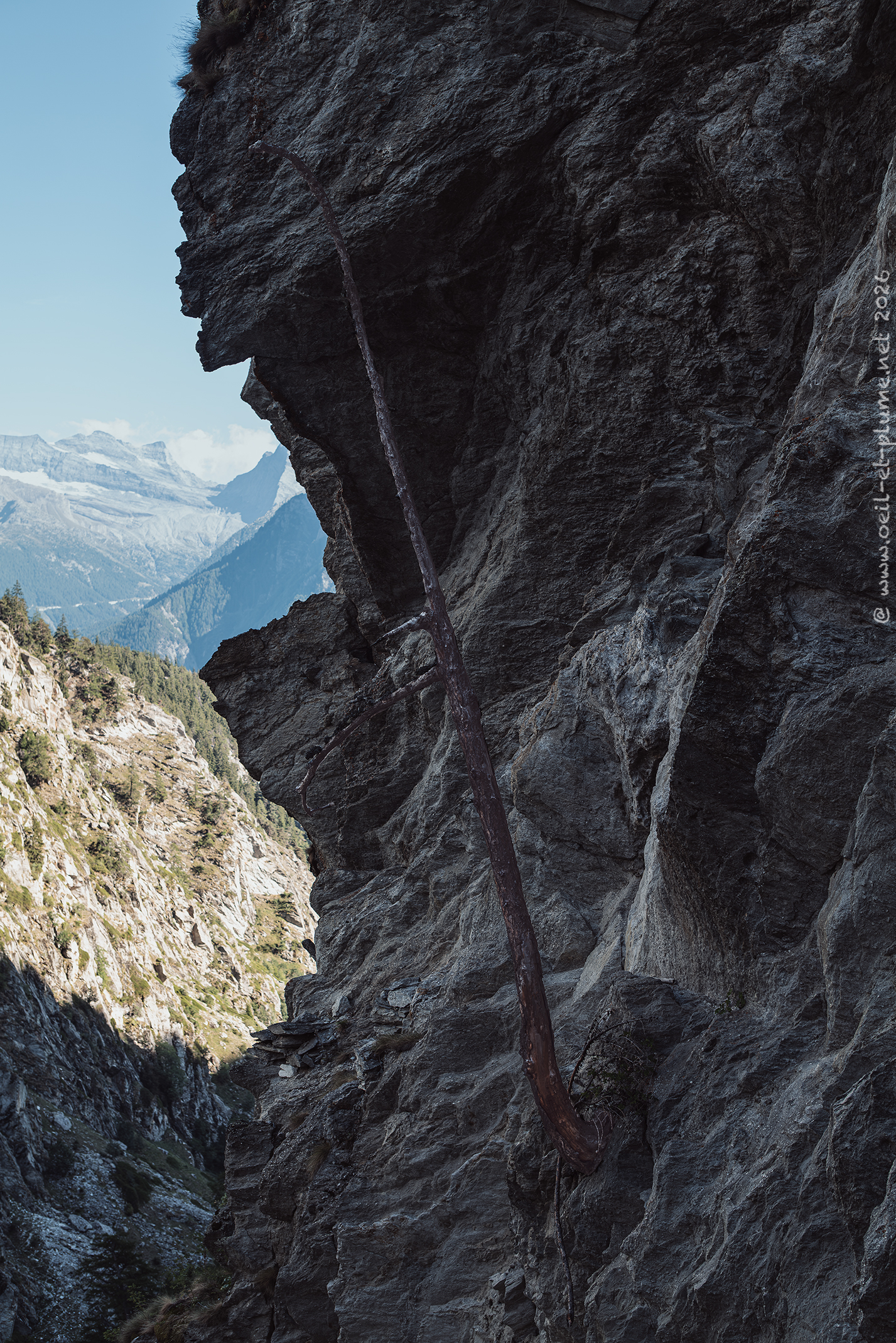
I chose to walk the highest functional suone in each valley, in order to imagine, as much as possible, the practical challenges faced by their builders. Trekking these narrow and exposed paths requires a solid trekking experience, full concentration, and is not for the faint-hearted. It makes for a truly memorable experience.
Water and humans
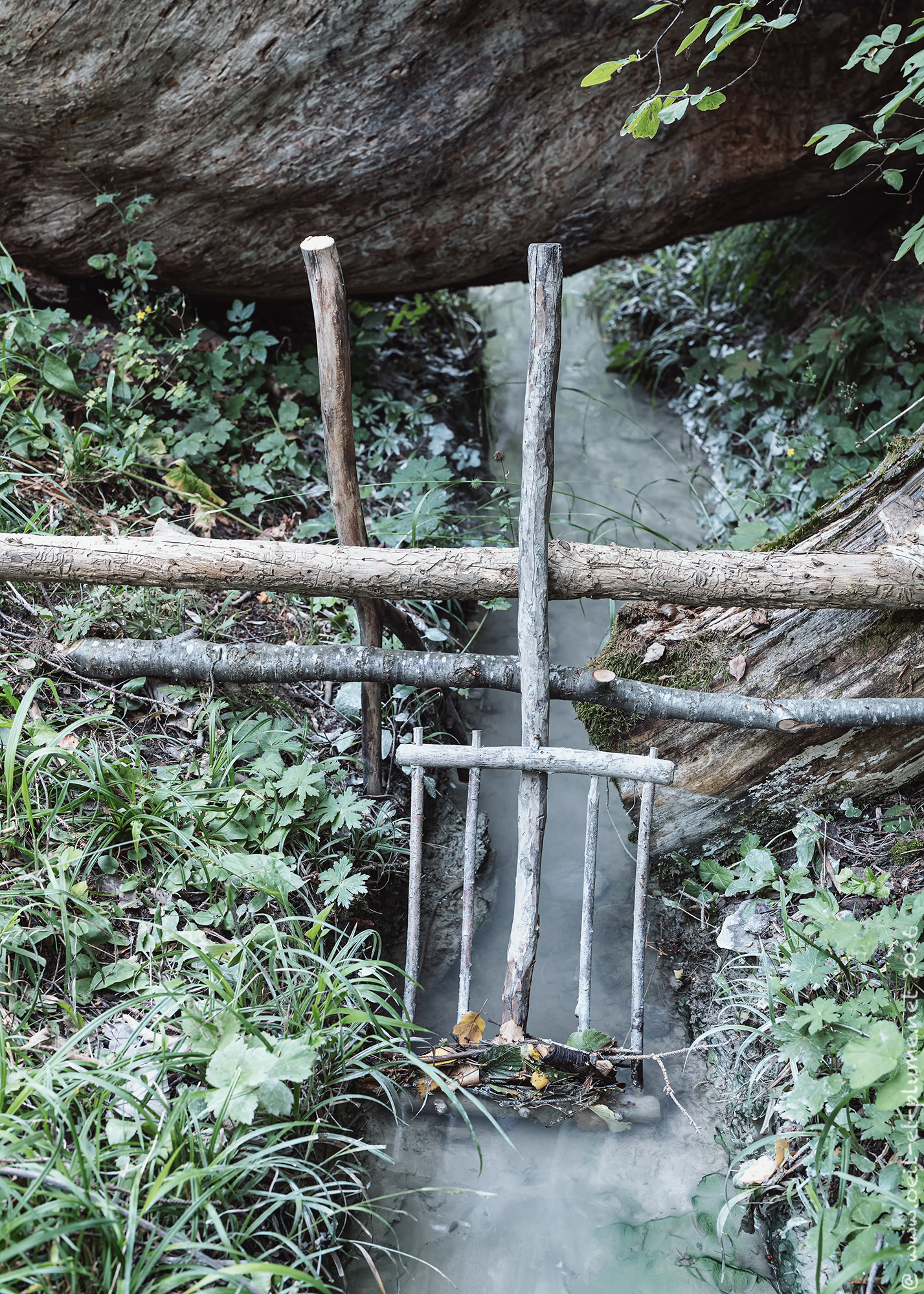
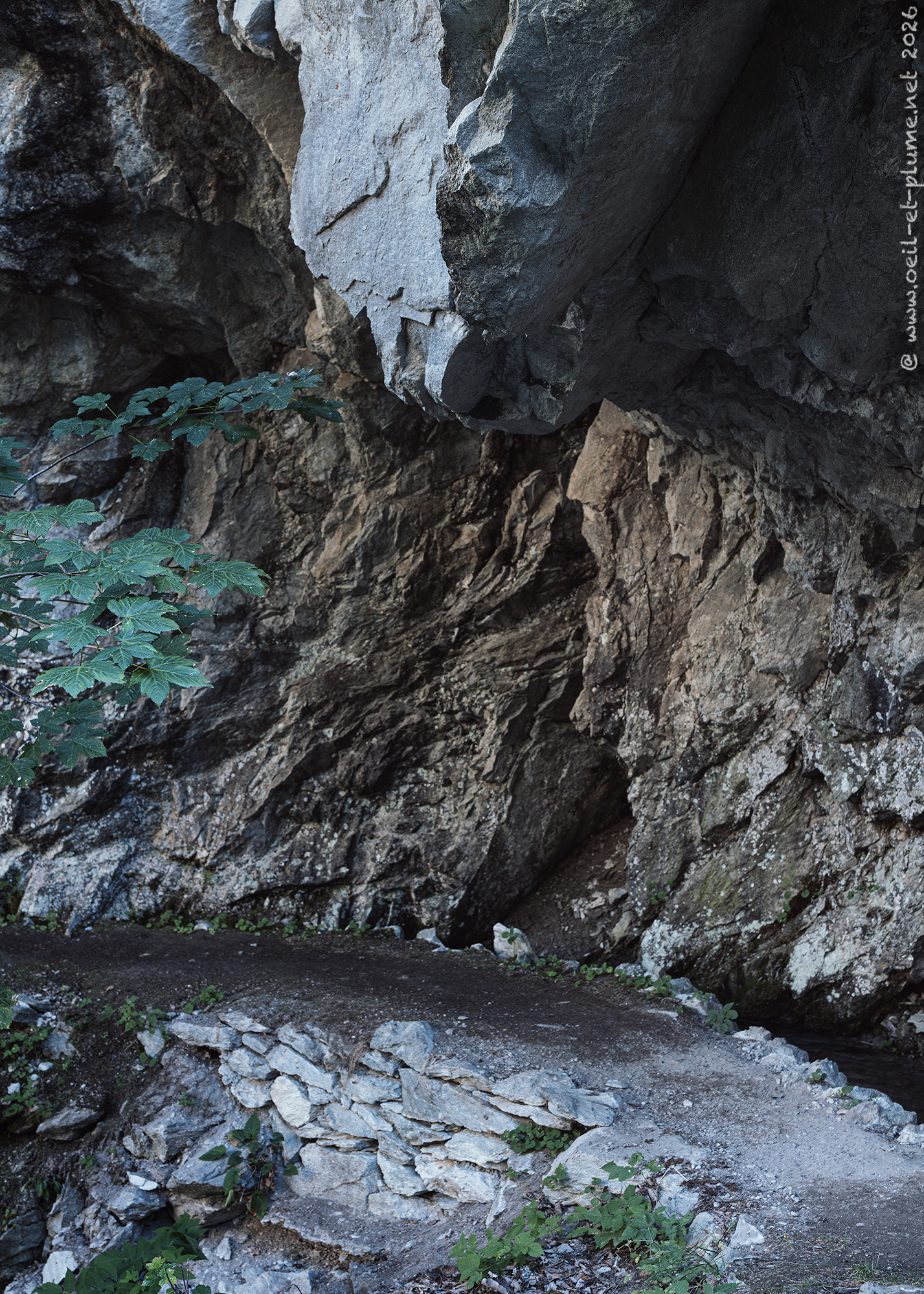
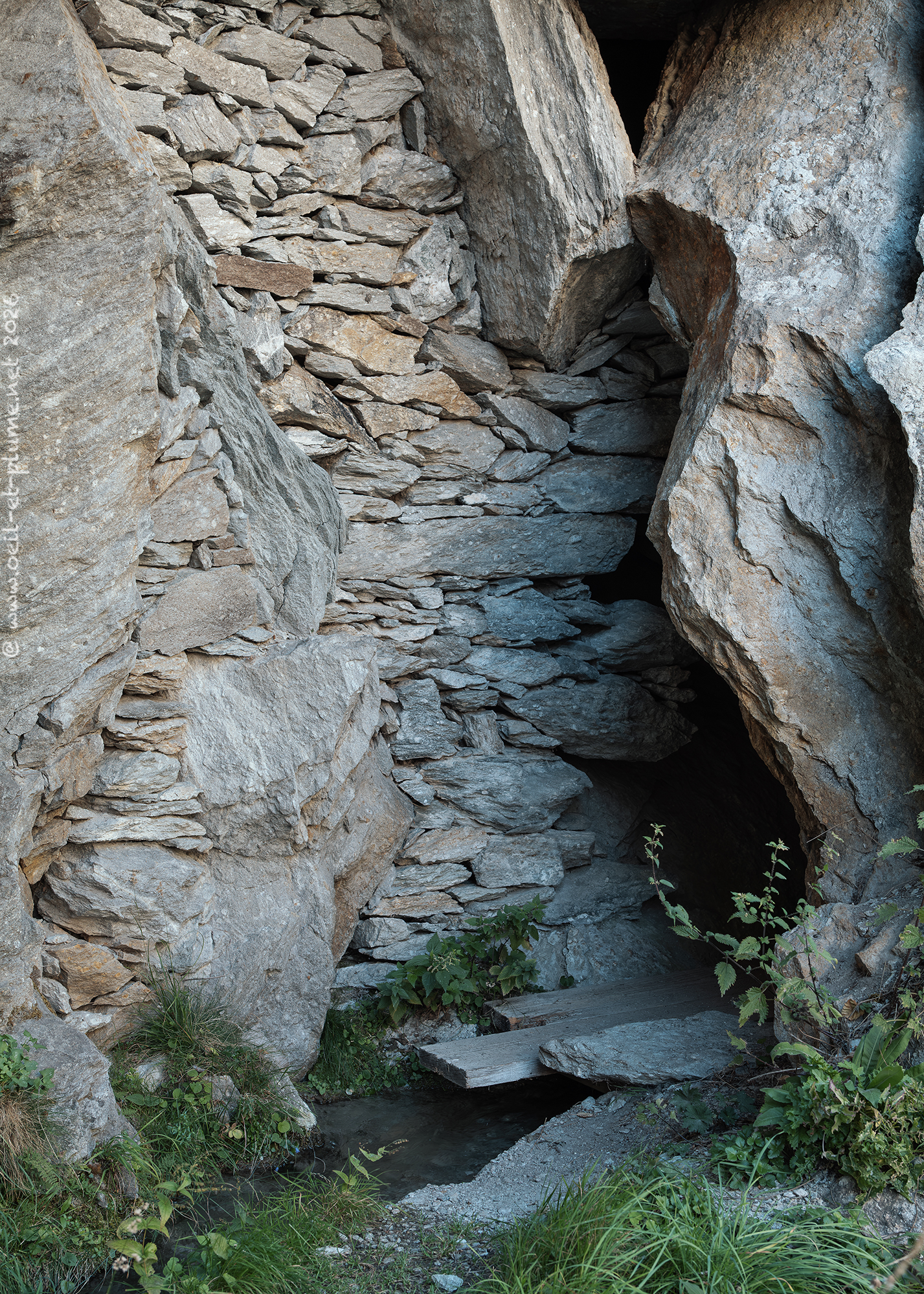
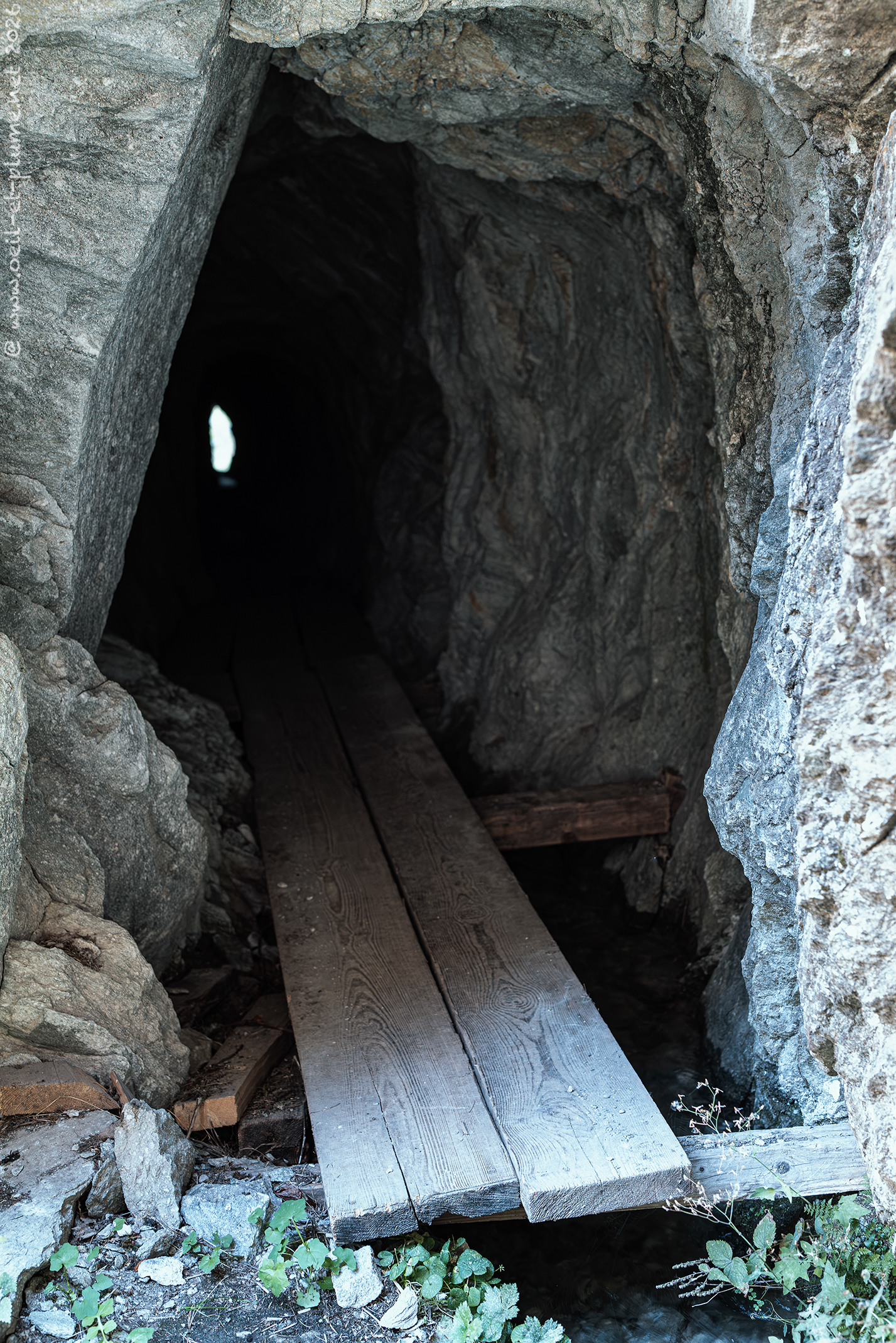
In some sections of the suonen, the workers were able to dig or carve the water canal directly into the ground. In other places, they hung long, hollowed-out wooden trunks across the rock face, and sometimes built a wooden path alongside the water canal. As a last resort, they dug tunnel galleries through the rock.
In the Gredetsch Valley, the suone I visited includes no fewer than 16 tunnels over a distance of five kilometres. Entering those tunnels makes you feel insignificant and fills you with admiration for the courage and resilience of those who carved them with their hands and a few tools.
In Baltschieder, I noticed an old and disused wooden structure installed in the suone, but I failed to properly understand its purpose. A similar, but still functional, device that I eventually encountered in the Gredetsch Valley provided me with the explanation. This is a traditional remote water-flow monitoring system for the suone.
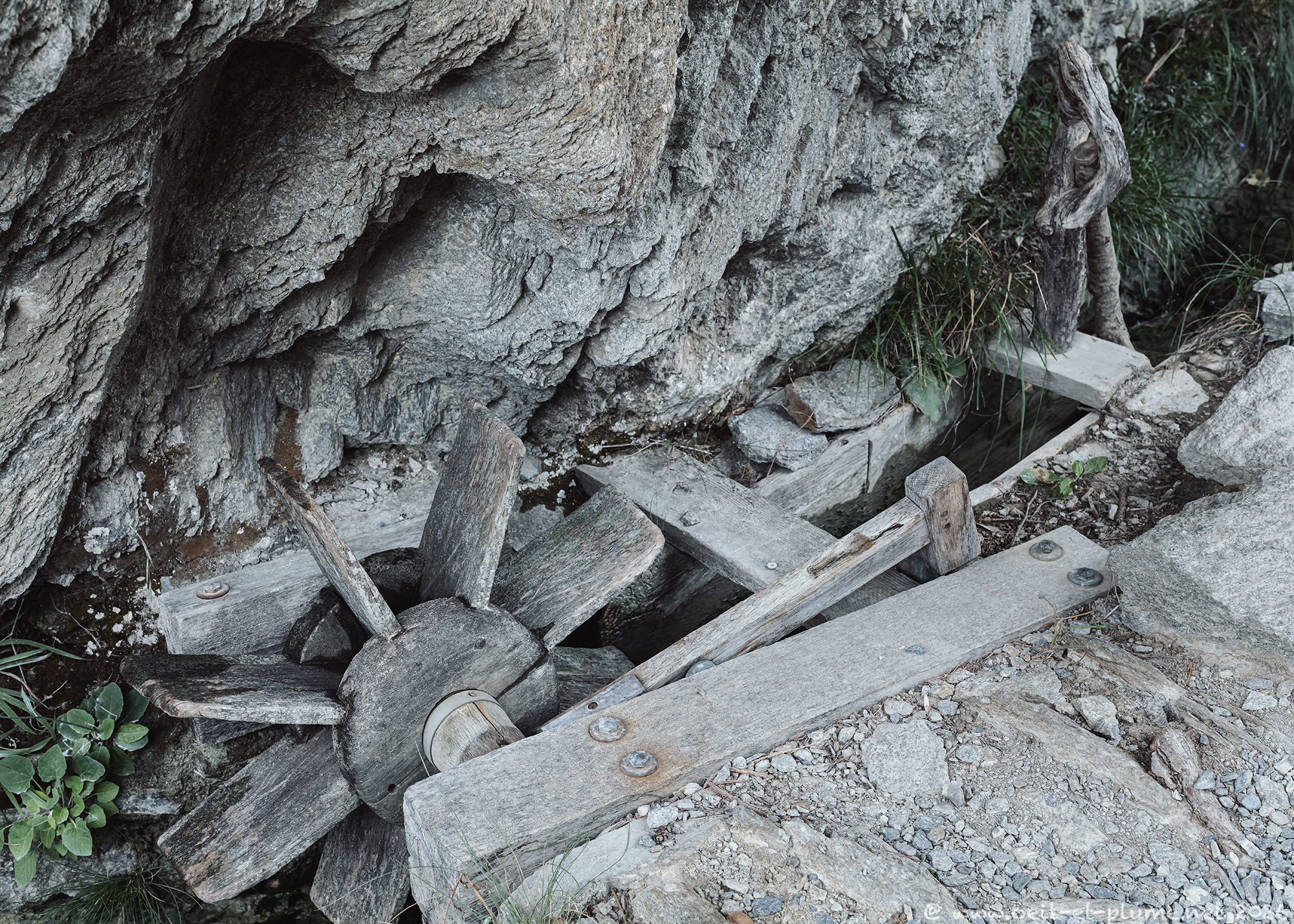
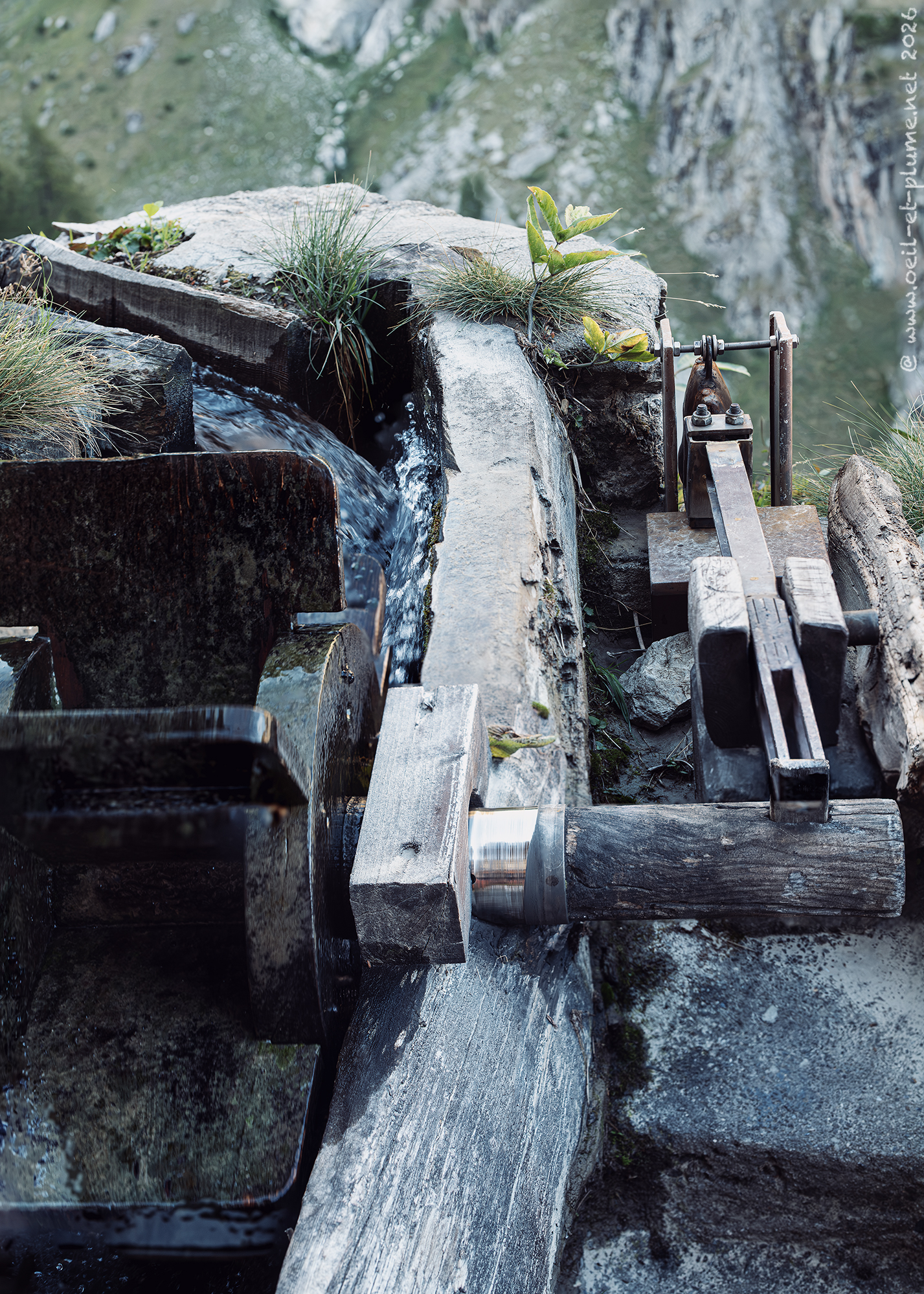
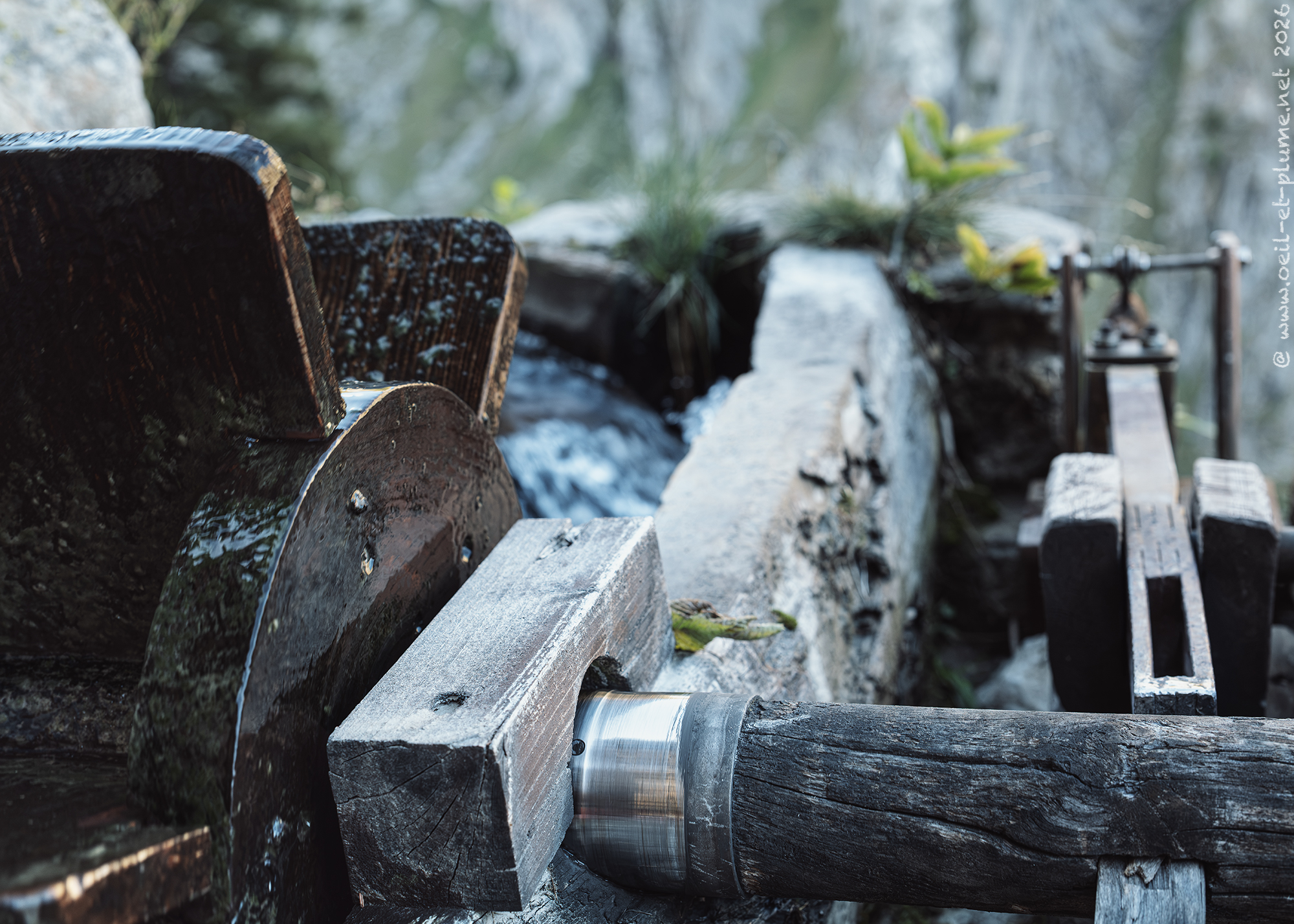
It is essentially a mechanical and acoustic signalling system: the movement of water actuates a device that produces a bell sound, allowing people at a distance to hear whether water is flowing properly through the canal. It provides a simple way for local farmers to monitor the irrigation system without having to be physically present at the canal. Video footage of the functional device is enclosed here.
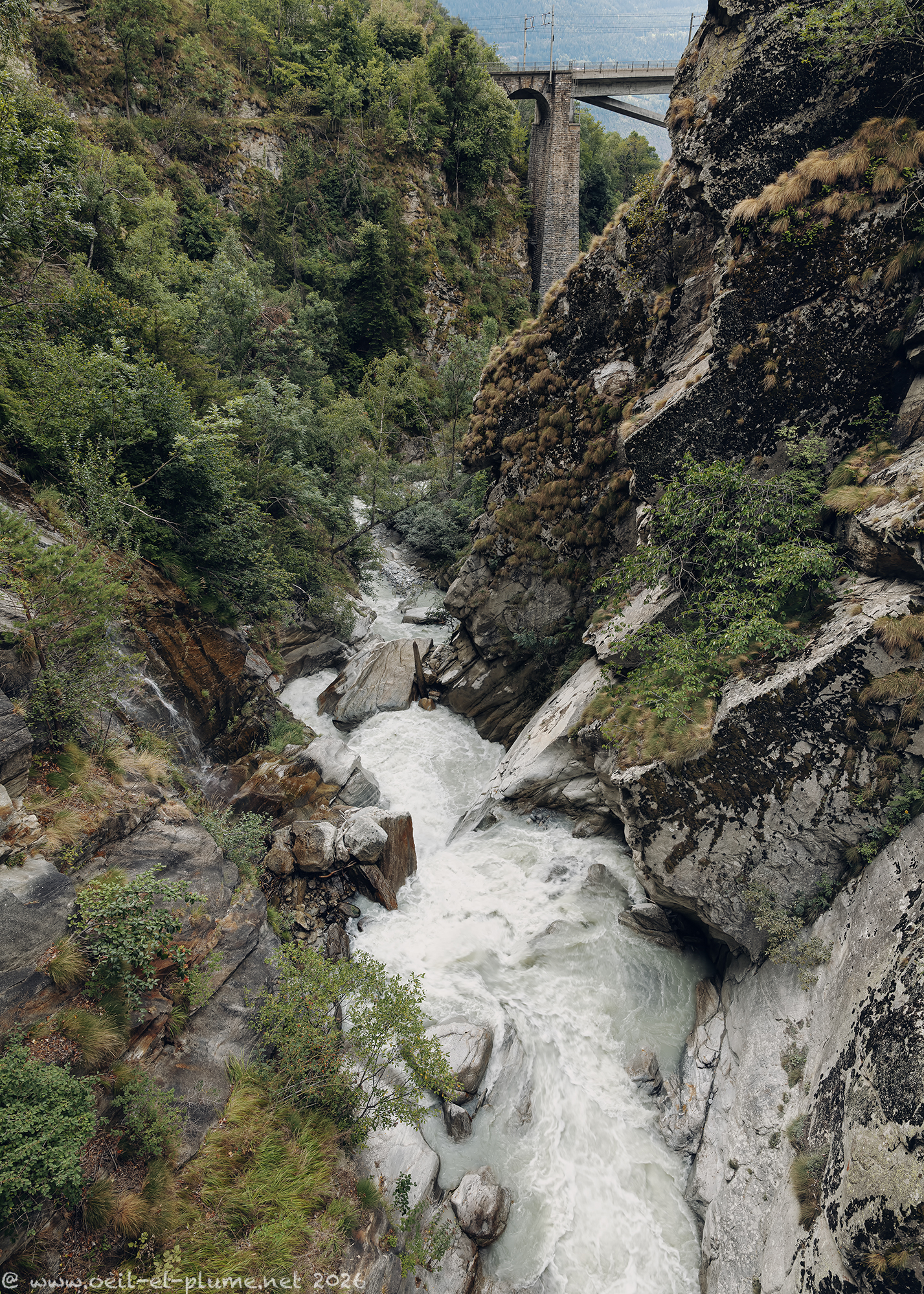
My trekking experience in the Baltschieder and Gredetsch Valleys draws to an end. As a final memorable impression, I leave you with this breathtaking view of the Baltschieder River, crossed in the background by a high bridge carrying the Lötschberg railway line.
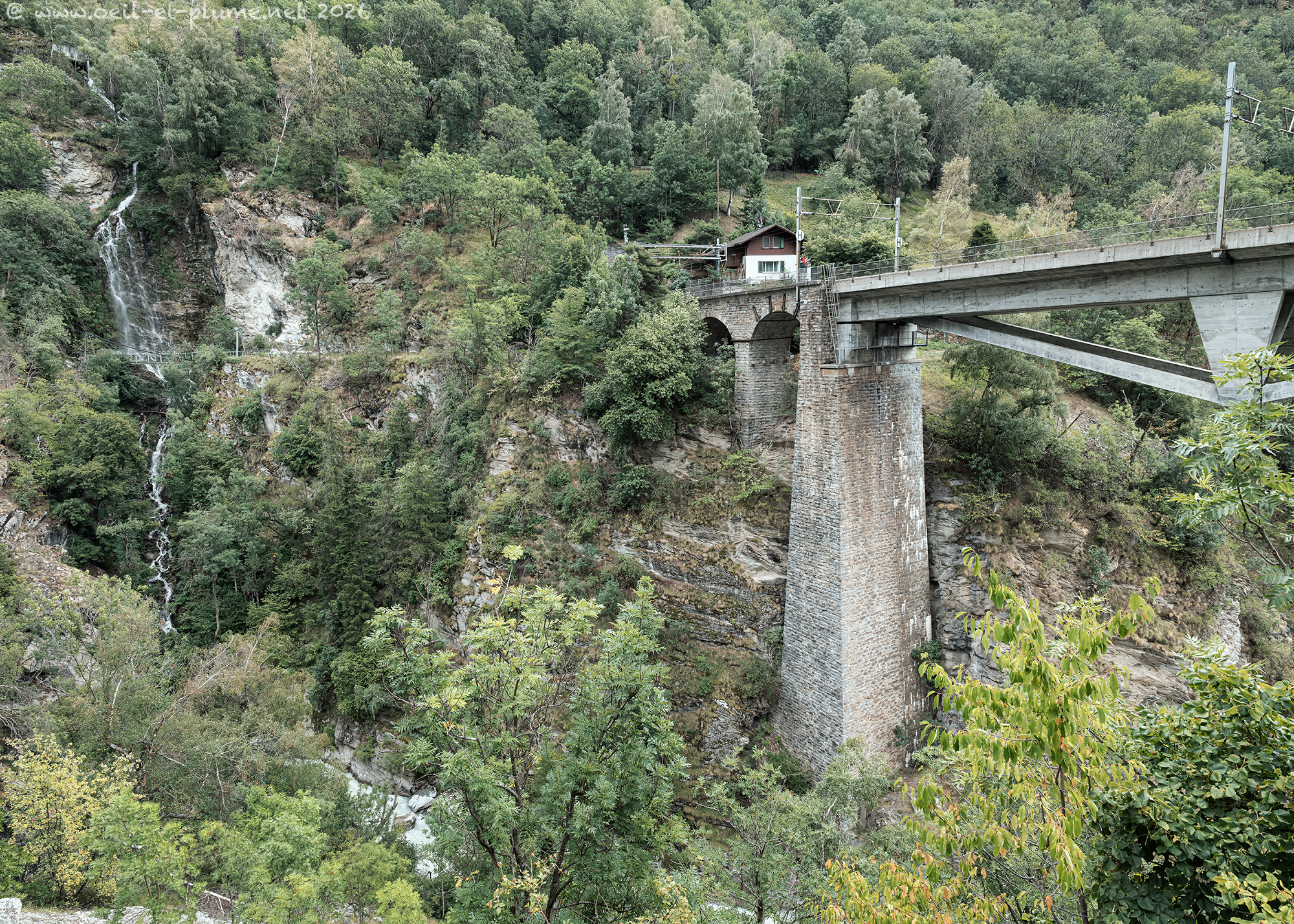
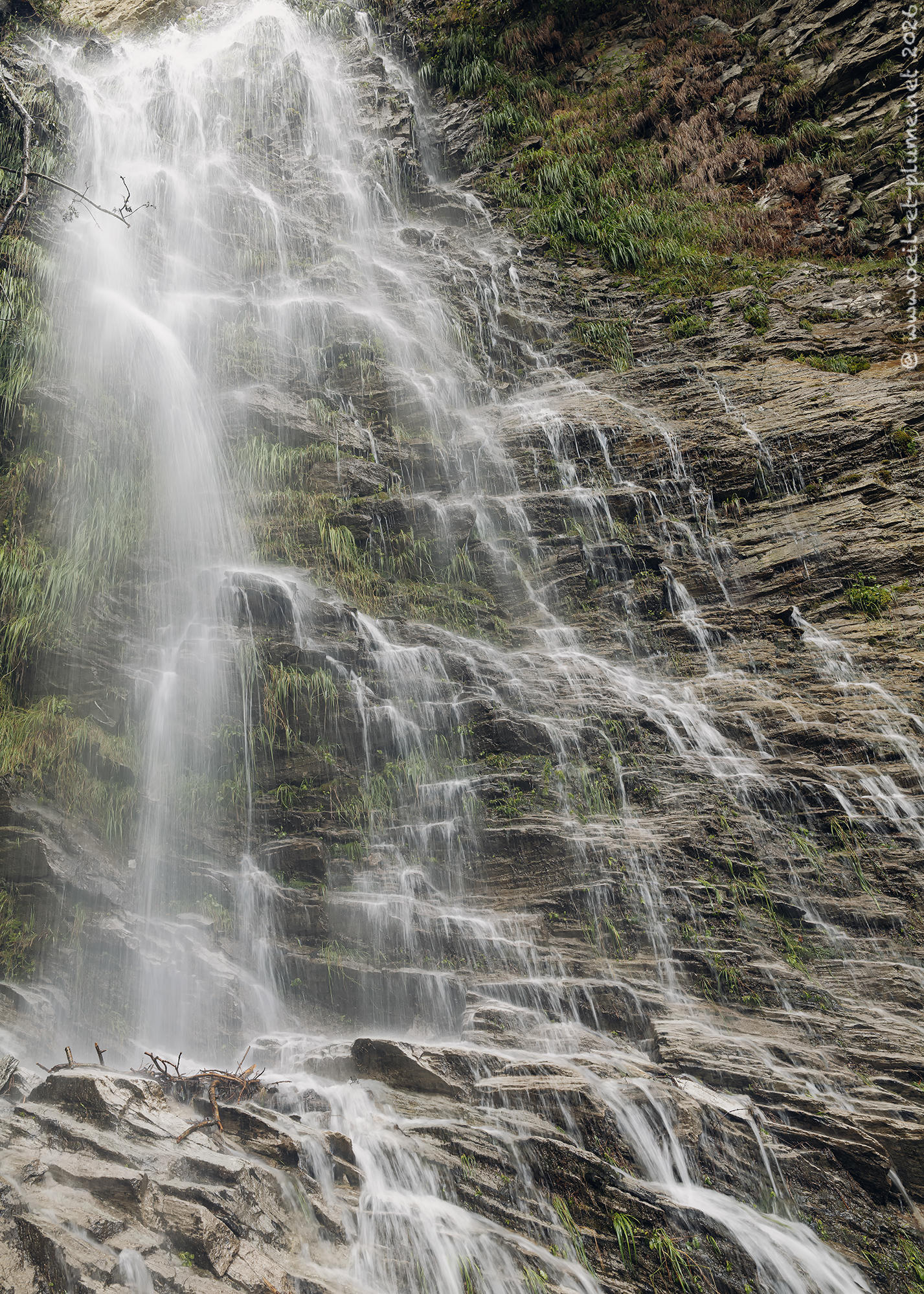
Nature and human engineering often collide, but not always. Sometimes, they simply coexist with their own logic, interact with no particular hiccup – each adding to the scenic character of the landscape. This is how nature and mankind can best live together.
Cheers,